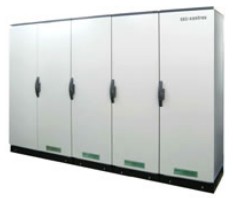
Wind Turbine Controllers
Source high-performance Wind Turbine Controllers from vetted suppliers and manufacturers in China and across Asia. Designed for importers, renewable energy distributors, and brands seeking reliable OEM or private-label production, our network provides bulk access to industrial-grade power regulation and control systems.
Wind turbine controllers are the critical bridge between the turbine generator and the battery bank or grid inverter. Sourcing these units in volume requires navigating a complex landscape of power electronics manufacturers. The difference between a reliable industrial unit and a failure-prone consumer-grade board ultimately comes down to component selection, thermal management, and firmware stability. When buying in bulk, verifying a factory's true engineering capability is just as important as negotiating the unit price.
Core Specifications and Topologies
When evaluating manufacturers, you must ensure their product lines align with your specific turbine output characteristics. Wind power is inherently volatile, meaning the controller must handle sudden voltage spikes and rapid RPM changes without failing.
| Technology | PWM (Pulse Width Modulation) | MPPT (Maximum Power Point Tracking) |
|---|---|---|
| Efficiency | Standard efficiency, clips excess voltage | High efficiency, tracks optimal voltage/current curve |
| Cost Profile | Lower production cost, ideal for budget/small setups | Higher cost, requires advanced microprocessors |
| Turbine Compatibility | Best for low-power, consistent-wind environments | Essential for variable wind speeds and larger turbines |
| Heat Generation | Higher, requires robust passive cooling | Lower, but requires high-grade MOSFETs |
Key Parameters to Define for Your Supplier
To get accurate quotes and avoid mismatched components, your RFQ (Request for Quote) should clearly specify:
- System Voltage: Auto-recognition (12V/24V/48V) or fixed high-voltage (96V, 120V, 360V+ for grid-tied systems).
- Rated Power & Peak Current: The controller's capacity must exceed the turbine's maximum output by at least 20 to 30 percent to handle gusts safely.
- Braking System Integration: Specify whether you need built-in electromagnetic braking modules, manual brake switches, or external dump load terminals.
- Environmental Protection: IP rating requirements (e.g., IP65 or IP67) for outdoor or marine installations.
Navigating power electronics manufacturers in Asia? Let us help you identify factories with proven track records in renewable energy controls.
Talk to our teamManufacturing Quality and Factory Vetting
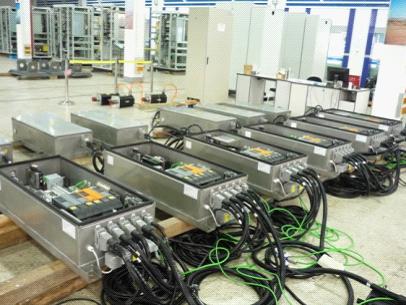
The reliability of a wind turbine controller is determined on the SMT (Surface Mount Technology) line. Poor soldering, cheap capacitors, or inadequate conformal coating will lead to premature failure in the field, resulting in costly warranties and damaged brand reputation.
Critical Factory Floor Checks
- Component Sourcing: Verify the origin of critical components like MOSFETs, IGBTs, and microcontrollers (e.g., Texas Instruments, Infineon).
- Thermal Management: Inspect the bonding of heat sinks to power components and the quality of thermal paste used.
- PCB Protection: Ensure boards undergo proper conformal coating or epoxy potting to protect against moisture, salt, and dust.
- Burn-in Testing: Confirm the factory conducts 100 percent full-load burn-in testing for at least 12 to 24 hours before packaging.
Relying solely on a supplier's Alibaba profile or glossy brochure is risky. Conducting rigorous Factory Audits ensures the manufacturer actually owns the SMT lines and testing equipment they claim to possess, rather than just assembling outsourced boards.
Furthermore, if you are importing into strictly regulated markets like the EU or North America, the controllers must pass specific electromagnetic compatibility and safety directives. Coordinating proper Compliance & Testing (such as CE-EMC, CE-LVD, and RoHS) directly with the factory prevents customs seizures and liability issues.
MOQs, Lead Times, and Customization
Buying off-the-shelf controllers is straightforward, but most serious brands and distributors require some level of customization—whether that means custom firmware parameters, specific dump load resistor matching, or full casing redesigns.
Engaging in OEM/ODM Services allows you to tailor the charging algorithms specifically to the battery chemistries your clients use (e.g., specific LiFePO4 charging profiles). However, custom firmware requires rigorous validation. Implementing structured Quality Control & Inspection protocols before the goods leave the factory is the only way to ensure every unit behaves exactly as engineered under load.
Need to customize controller firmware or scale up your bulk purchasing? We manage the entire factory negotiation and quality assurance process.
Get a free consultationFrequently Asked Questions
Sourcing wind turbine controllers successfully is about matching your technical requirements with a factory's core engineering strengths. By vetting components, enforcing strict testing standards, and managing the compliance process, you can secure reliable hardware that protects your margins and your customers' investments.
Get Sourcing Help for Wind Turbine Controllers
Tell us your requirements and our experts will connect you with verified manufacturers.