Wind Turbine Accessories
Source durable Wind Turbine Accessories from vetted suppliers and manufacturers across Asia. Built for importers, renewable energy distributors, and brands requiring OEM production, this catalog covers essential components for wind power systems. Secure reliable wholesale pricing and scale your supply chain with confidence.
Wind energy systems rely heavily on the durability and precision of their peripheral components. Whether you are sourcing charge controllers, slip rings, anemometers, or mounting hardware, these accessories dictate the long-term reliability of the entire turbine assembly. Procuring these components in bulk requires strict attention to environmental tolerances, electrical compatibility, and the manufacturer's testing protocols.
Critical Specifications for Wind Turbine Peripherals
When buying accessories for small to medium wind turbines, off-the-shelf specifications rarely meet the demands of harsh environments without careful qualification. Buyers must define exact parameters for mechanical endurance and electrical safety.
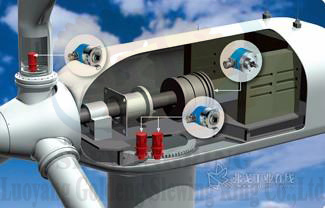
- Slip Rings and Yaw Mechanisms: The continuous rotation of a turbine requires high-grade slip rings to transfer power without twisting cables. Specify the number of circuits, current rating per circuit, and contact materials (gold-to-gold or silver-to-silver contacts are standard for minimizing electrical noise and wear).
- Charge Controllers and Dump Loads: Controllers must handle extreme voltage spikes during high wind events. Ensure the factory uses industrial-grade capacitors and specifies the exact braking voltage and dump load capacity.
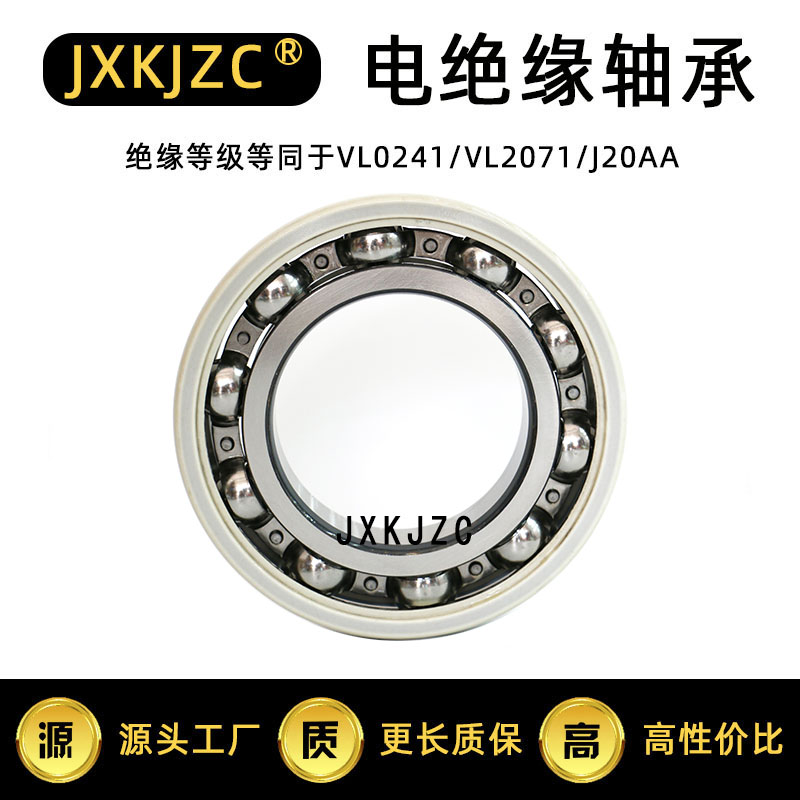
- Sensors (Anemometers and Wind Vanes): Accuracy degrades if bearings fail. Specify stainless steel or ceramic bearings and UV-resistant polycarbonates or aluminum alloys for the housing.
| Application Environment | Housing Material Requirement | Minimum Ingress Protection |
|---|---|---|
| Onshore (Standard) | Anodized Aluminum / Galvanized Steel | IP54 to IP65 |
| Offshore / Coastal | 316L Stainless Steel / C5M Coating | IP67 or higher |
| High Altitude / Freezing | Cold-resistant alloys with internal heating | IP65 |
Struggling to find suppliers who meet strict environmental tolerances? Let our engineering and sourcing teams match you with qualified manufacturers.
Discuss your technical requirementsManufacturing Processes and Quality Control
The primary risk when sourcing wind turbine accessories is inconsistent quality control on the factory floor. A supplier might use premium components for a sample but substitute cheaper relays or lower-grade steel during bulk production.
For electrical accessories like controllers, verify that the manufacturer has dedicated PCB assembly lines and performs automated optical inspection (AOI). For mechanical parts, evaluate their CNC machining tolerances and surface treatment facilities. Because these components are often exposed to severe weather, inadequate galvanization or poor sealing will lead to premature failure in the field.
Implementing strict Quality Control & Inspection protocols before shipment is non-negotiable.
Essential Inspection Points for Turbine Accessories
- Dielectric withstand voltage testing (Hi-Pot) for slip rings and cables
- Thermal cycling and load testing for charge controllers
- Salt spray testing verification for all exposed mounting hardware
- Rotational torque and signal noise testing for yaw slip rings
- Firmware version and parameter checks for smart controllers
Supplier Vetting: Assemblers vs. True Manufacturers
The Asian supply chain for renewable energy components is dense, but many listed suppliers are trading companies or basic assemblers rather than primary manufacturers. True manufacturers will have in-house testing equipment like wind tunnels (for sensors), salt spray chambers, and electrical load testers.
If you are developing custom components or private-labeling smart controllers, you need a factory with strong OEM/ODM Services and an in-house engineering team capable of modifying firmware and PCB layouts. Conducting comprehensive Factory Audits is the most effective way to verify a supplier's production capacity, quality management systems (like ISO 9001), and engineering capabilities before placing a volume order.
Buying Mechanics: MOQs, Pricing, and Lead Times
Pricing for wind turbine accessories fluctuates based on raw material costs (copper for coils/cables, steel for mounts) and electronic component availability.
When negotiating, volume is your primary lever, but standardizing components across different turbine models can also reduce costs. Be wary of prices that fall significantly below the market average; this usually indicates compromised contact materials in slip rings or undersized heat sinks in controllers.
Ready to optimize your procurement strategy and negotiate better terms for renewable energy components? We manage the entire process from factory floor to final delivery.
Talk to our sourcing teamFrequently Asked Questions
Successful procurement of wind turbine accessories requires looking past the spec sheet and verifying the manufacturing reality. By enforcing rigorous testing standards and partnering with verified manufacturers, you protect your product's reputation and ensure long-term performance in the field.
Get Sourcing Help for Wind Turbine Accessories
Tell us your requirements and our experts will connect you with verified manufacturers.