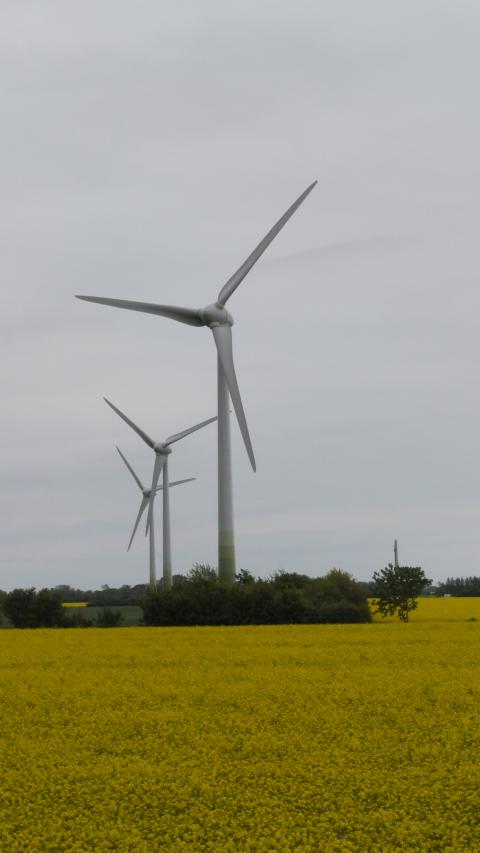
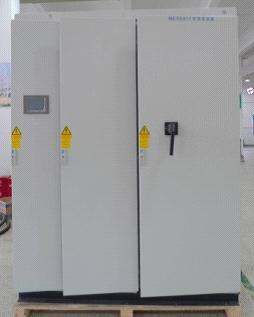
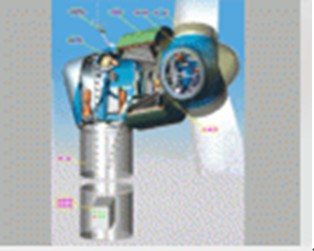
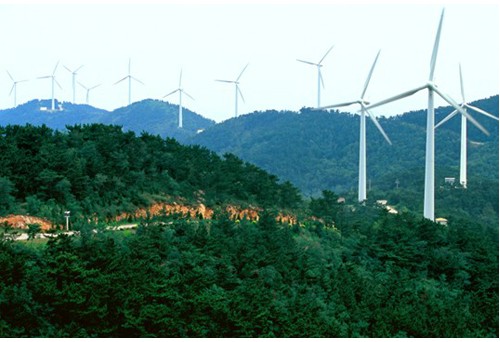
Wind Power Station
Source commercial-scale wind power stations and heavy power engineering equipment directly from vetted manufacturers and EPC contractors. Designed for project developers, procurement managers, and energy distributors looking for reliable bulk sourcing, competitive pricing, and comprehensive project support for multi-megawatt wind installations.
Sourcing wind power stations—whether procuring individual multi-megawatt turbines, towers, and nacelles, or contracting full turnkey equipment packages—requires rigorous technical oversight. Asian manufacturers dominate the global wind supply chain, offering highly competitive pricing on tier-one components. However, navigating the integration of heavy mechanical engineering, composite materials, and complex grid-synchronization electronics demands a highly structured procurement approach to ensure long-term reliability and grid compliance.
Core Technical Specifications to Define
When engaging with turbine manufacturers, utility-scale buyers must define specifications based on the specific wind site class (IEC Class I, II, or III) and local grid requirements. Small misalignments in generator type or control systems can lead to massive curtailment losses or grid integration failures.
| Generator Technology | Efficiency & Reliability | Maintenance Profile | Capital Cost & Weight |
|---|---|---|---|
| PMSG (Permanent Magnet Synchronous) | High efficiency, excellent low-wind performance | Low (direct drive, no gearbox to fail) | Higher initial cost, heavier nacelle |
| DFIG (Doubly Fed Induction) | Proven efficiency, good variable speed control | Higher (requires regular gearbox maintenance) | Lower initial cost, lighter nacelle weight |
Beyond the generator, buyers must specify:
- Rotor Diameter & Hub Height: Matched to the site's wind shear profile and turbulence intensity.
- Grid Compliance: Low Voltage Ride Through (LVRT) capabilities, reactive power control, and frequency regulation matching the destination country's grid codes.
- Environmental Adaptations: Cold-weather packages (blade heating, specialized gearbox oil) or anti-corrosion treatments for coastal/offshore environments (C5-M paint systems).
Manufacturing Quality & Risk Mitigation
Wind power equipment involves distinct manufacturing processes across different specialized facilities. Blades, towers, and nacelles are rarely manufactured under the same roof, requiring coordinated oversight.
Tower Fabrication
Involves thick steel plate rolling and submerged arc welding. Critical checks include ultrasonic and X-ray Non-Destructive Testing (NDT) of all flange and longitudinal welds to prevent catastrophic structural failure.
Blade Composites
Manufactured via vacuum-assisted resin infusion using fiberglass or carbon fiber. Strict temperature and humidity control in the factory is mandatory. Post-cure ultrasonic inspection is required to detect internal delamination or dry spots.
Nacelle Assembly
The integration of the drivetrain, yaw mechanism, and power electronics. Requires rigorous Factory Acceptance Testing (FAT), including full-load simulation and vibration analysis before dispatch.
Because of the extreme capital expenditure and safety risks, relying on a supplier's internal quality reports is insufficient. Executing independent Factory Audits prior to contract signing ensures the facility has the heavy lifting capacity, ISO 9001/14001 certifications, and engineering personnel required for utility-scale production. During production, continuous Quality Control & Inspection at key milestones—especially during blade infusion and tower welding—prevents defects that are impossible to fix once the equipment reaches the site.
Need experienced engineering oversight on the factory floor? We manage supplier vetting and technical inspections for heavy power equipment.
Talk to our teamProject Logistics and Procurement Mechanics
Wind power stations are not standard import commodities. Procurement is treated as a major capital project with distinct financial and logistical realities.
- Lead Times: Typical production lead times range from 6 to 12 months depending on the megawatt rating and current supply chain constraints (particularly for rare earth magnets and large bearings).
- Pricing Drivers: Costs fluctuate heavily based on raw steel indices, copper prices, and the cost of specialized transport. Contracts often require raw material price adjustment clauses.
- Logistics & Freight: Transporting 80-meter blades and 100-ton nacelles requires specialized breakbulk or Roll-on/Roll-off (RoRo) vessels. Inland transport to the port of loading requires multi-axle modular trailers and route surveys. Engaging experts in heavy-lift Shipping & Freight early in the procurement cycle is critical to accurate landed-cost calculations.
Pre-Shipment Documentation Checklist
- Full FAT (Factory Acceptance Test) reports for nacelle and generator
- NDT (Non-Destructive Testing) certificates for all tower welds
- IEC 61400 type certification documents
- Lifting and handling manuals for breakbulk stevedores
- Material composition certificates for main shafts and bearings
Struggling with the logistics of oversized wind components? Let us coordinate your heavy-freight shipping and factory-to-port supply chain.
Get a free consultationFrequently Asked Questions
Sourcing wind power stations demands a flawless integration of heavy engineering vetting, stringent quality control, and specialized logistics. By establishing strict technical specifications and maintaining continuous oversight from raw material selection to vessel loading, developers can successfully leverage global manufacturing for reliable, high-yield energy assets.
Get Sourcing Help for Wind Power Station
Tell us your requirements and our experts will connect you with verified manufacturers.