Wind Power Generation Systems
Source high-performance wind power generation systems directly from vetted manufacturers and wholesale suppliers. Designed for importers, distributors, and brands seeking reliable OEM production, our catalog covers off-grid, on-grid, and hybrid turbine systems engineered for rigorous commercial and residential applications.
Sourcing wind power generation systems in volume requires navigating a complex supply chain of generator winding, blade composite molding, and power electronics. The primary challenge for buyers is identifying manufacturers capable of delivering systems that actually perform at low wind speeds while surviving extreme gusts without catastrophic mechanical failure. In a market crowded with inflated specifications, verifying component quality at the factory level is critical to protecting your margins and your brand's reputation.
Core Specifications and Component Variables
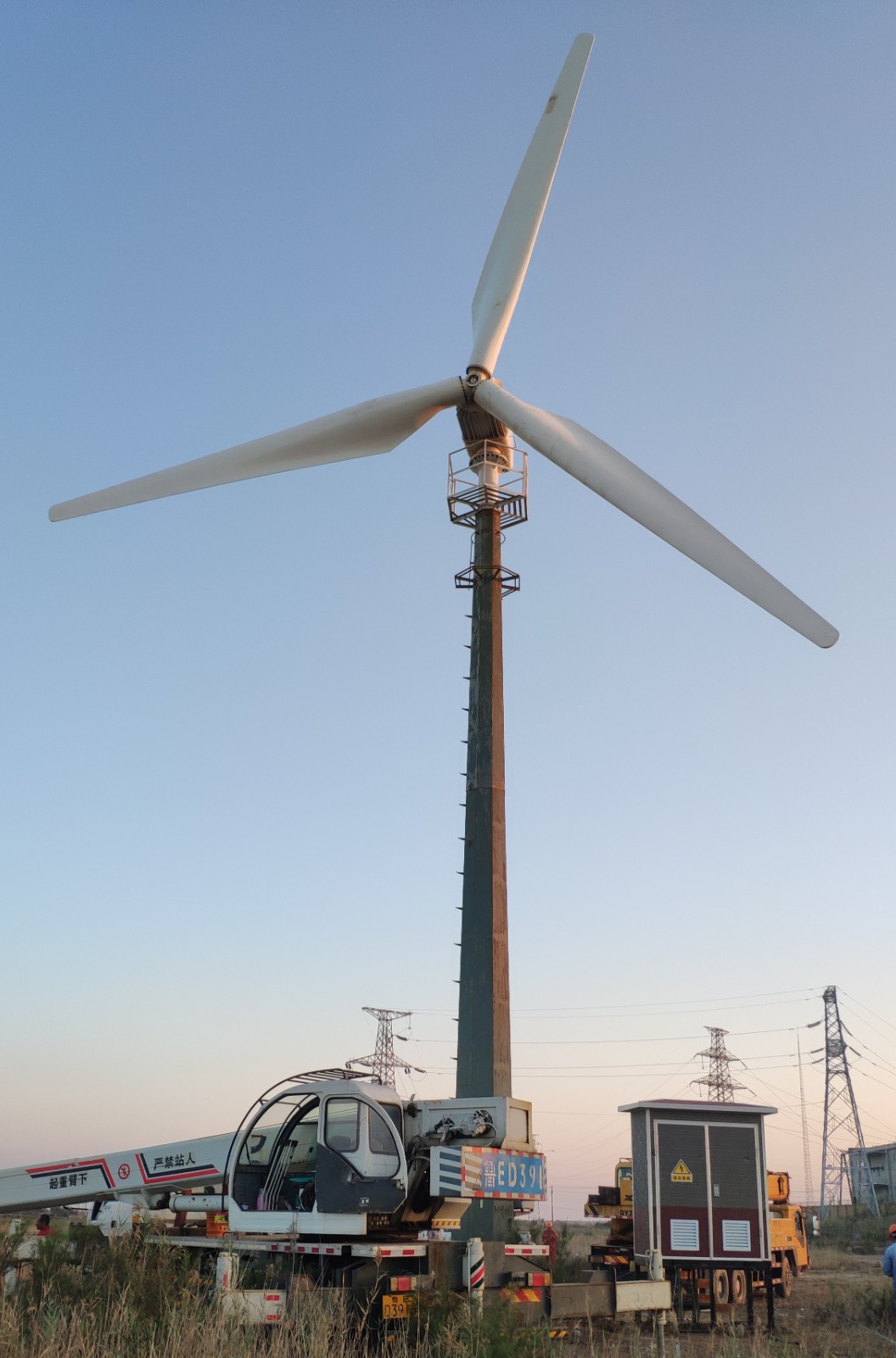
When evaluating wholesale wind turbine systems, the core generator design and blade aerodynamics dictate overall efficiency. Most modern small to medium systems utilize a three-phase AC Permanent Magnet Synchronous Generator (PMSG). The quality of the neodymium (NdFeB) magnets inside the generator directly impacts the power curve and the turbine's lifespan under continuous thermal stress.
Beyond the generator, buyers must specify the blade material. Nylon fiber reinforced plastics (FRP) are standard for smaller units due to their lightweight and cost-effective molding, while larger commercial turbines (5kW and above) require fiberglass or carbon fiber composites to withstand high-velocity flexing.
Navigating supplier specifications for wind energy projects? Let us help you verify factory capabilities and technical claims.
Talk to our teamManufacturing Quality and Common Failure Points
The difference between a reliable wind system and a high-return-rate liability is usually found on the factory floor. Many low-cost suppliers cut corners on internal components that are invisible to the buyer until the system fails in the field. Conducting thorough factory audits is essential to ensure the manufacturer uses high-grade materials and maintains strict assembly tolerances.
Critical Factory-Level Quality Checks
- Stator Windings: Verify 100 percent pure copper wiring; avoid copper-clad aluminum (CCA) which overheats and fails prematurely.
- Bearings: Ensure the use of sealed, high-quality bearings (e.g., SKF or NSK) to prevent seizing in harsh weather conditions.
- Blade Balancing: Confirm dynamic balancing protocols to eliminate rotor vibration, which destroys bearings and mounts.
- Slip Rings: Check the yaw shaft slip ring quality; poor slip rings lead to twisted cables and electrical shorts during directional changes.
- Corrosion Protection: Verify marine-grade anti-corrosion coatings on the nacelle and tail vane, especially for coastal deployments.
Catching these issues requires rigorous quality control and inspection prior to shipment. Once the nacelle is sealed, verifying winding quality or bearing origin becomes practically impossible without dismantling the unit.
System Architecture: HAWT vs. VAWT
Buyers typically choose between Horizontal Axis Wind Turbines (HAWT) and Vertical Axis Wind Turbines (VAWT) based on the target deployment environment.
| Turbine Architecture | Aerodynamic Efficiency | Startup Wind Speed | Ideal Deployment |
|---|---|---|---|
| Horizontal Axis (HAWT) | High (up to 40-50%) | 2.5 - 3.0 m/s | Open rural areas, coastal sites, high masts |
| Vertical Axis (VAWT) | Moderate (20-30%) | 1.5 - 2.0 m/s | Urban environments, turbulent wind zones |
Power Electronics and Compliance
A wind turbine is only as effective as its controller and inverter. Controllers must feature dump-load capabilities to dissipate excess energy when the battery bank is full or during storm conditions. For maximum efficiency, Maximum Power Point Tracking (MPPT) controllers are highly recommended over standard PWM models, as they can extract usable power even during suboptimal wind speeds.
Furthermore, importing these systems into regulated markets (like the EU or North America) requires strict adherence to safety and grid-tie standards. Partnering with a sourcing team that manages compliance and testing ensures your shipments clear customs with valid CE, RoHS, and IEC 61400 documentation.
Pricing, MOQs, and Lead Times
Pricing for wind power generation systems scales heavily with rated output and component quality.
- Micro/Small Systems (400W - 2kW): Often sourced by distributors for residential or RV off-grid use. MOQs typically range from 20 to 50 units.
- Medium/Commercial Systems (5kW - 20kW): Used for telecom towers, farms, and small industrial sites. MOQs are usually low, often 1 to 5 units, due to the high unit cost and custom controller configurations.
- Lead Times: Standard production runs take 25 to 40 days. Custom OEM orders, which might include specific inverter programming or custom blade branding, can extend lead times to 45 to 60 days.
Ready to source reliable wind power systems at scale? We negotiate pricing, manage MOQs, and oversee production.
Get a free consultationSuccessfully importing wind power generation systems requires moving past glossy spec sheets and digging into the mechanical realities of the product. By focusing on generator materials, dynamic balancing, and robust power electronics, buyers can secure systems that deliver long-term performance and profitability.
Get Sourcing Help for Wind Power Generation Systems
Tell us your requirements and our experts will connect you with verified manufacturers.