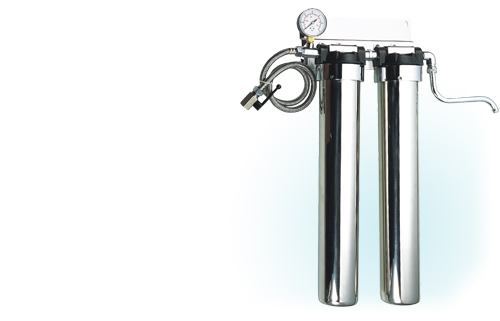
Whole-House Water Purifiers
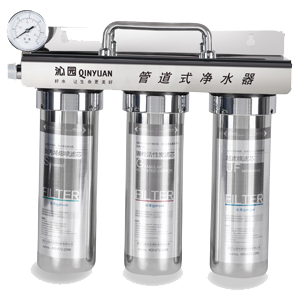
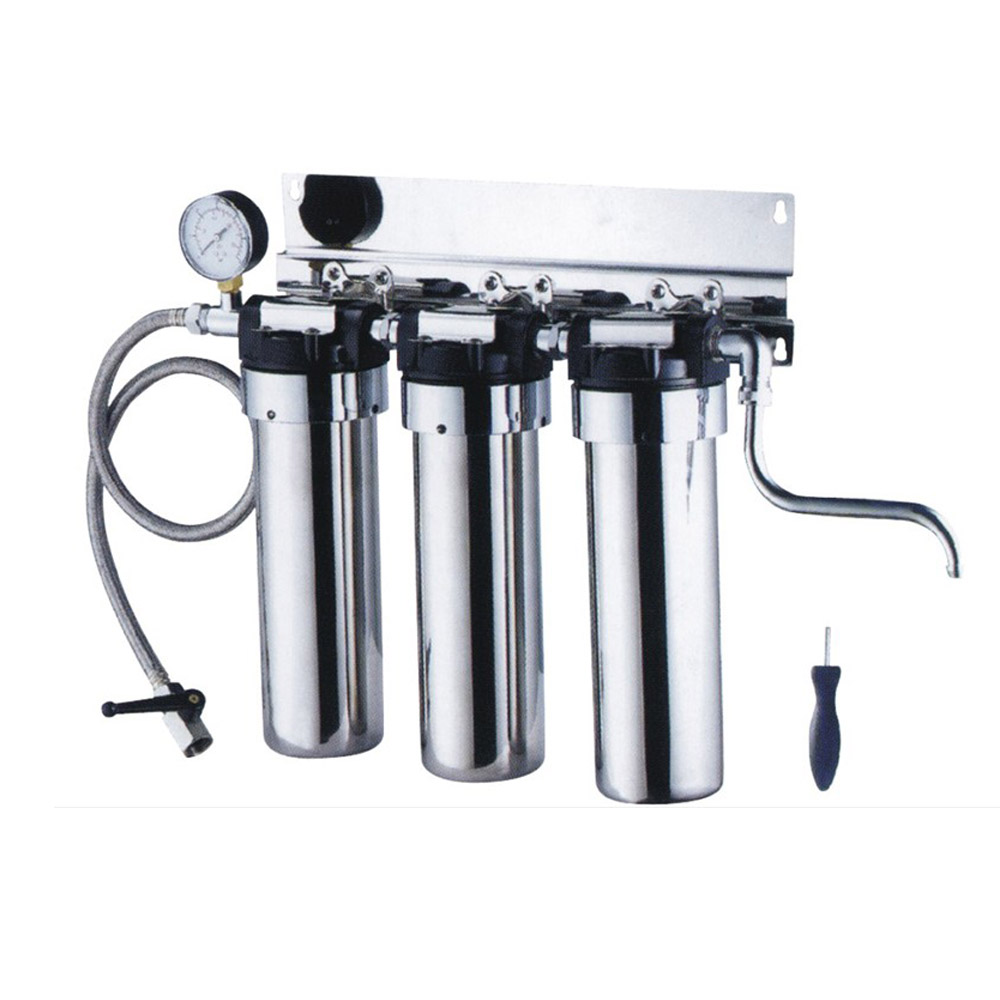
Source Whole-House Water Purifiers from vetted suppliers and manufacturers across Asia. Designed for importers, wholesalers, distributors, and brands seeking reliable OEM/private-label production, this catalog features industrial-grade filtration systems built for high-volume residential and commercial applications.
Whole-house water purifiers—often referred to as Point of Entry (POE) systems—are critical plumbing infrastructure. When sourcing these units in bulk, the primary challenge is balancing filtration efficacy with hydraulic performance. A poorly manufactured POE system doesn't just result in bad water; it causes severe pressure drops across the property or, worse, catastrophic housing failures that lead to flooding. Sourcing reliable units requires strict attention to housing polymer integrity, thread tolerances, and rigorous pressure testing at the factory level.
Core Specifications for POE Systems
When evaluating a manufacturer's technical capabilities, you must specify exact performance metrics. Standard "off-the-shelf" designs may not meet the flow rate or pressure requirements of your target market.
| Specification | Standard Residential | Heavy-Duty / Light Commercial |
|---|---|---|
| Flow Rate | 10 to 15 GPM | 15 to 25+ GPM |
| Port Size (NPT) | 3/4-inch to 1-inch | 1-inch to 1.5-inch |
| Operating Pressure | Up to 90 psi | Up to 125 psi |
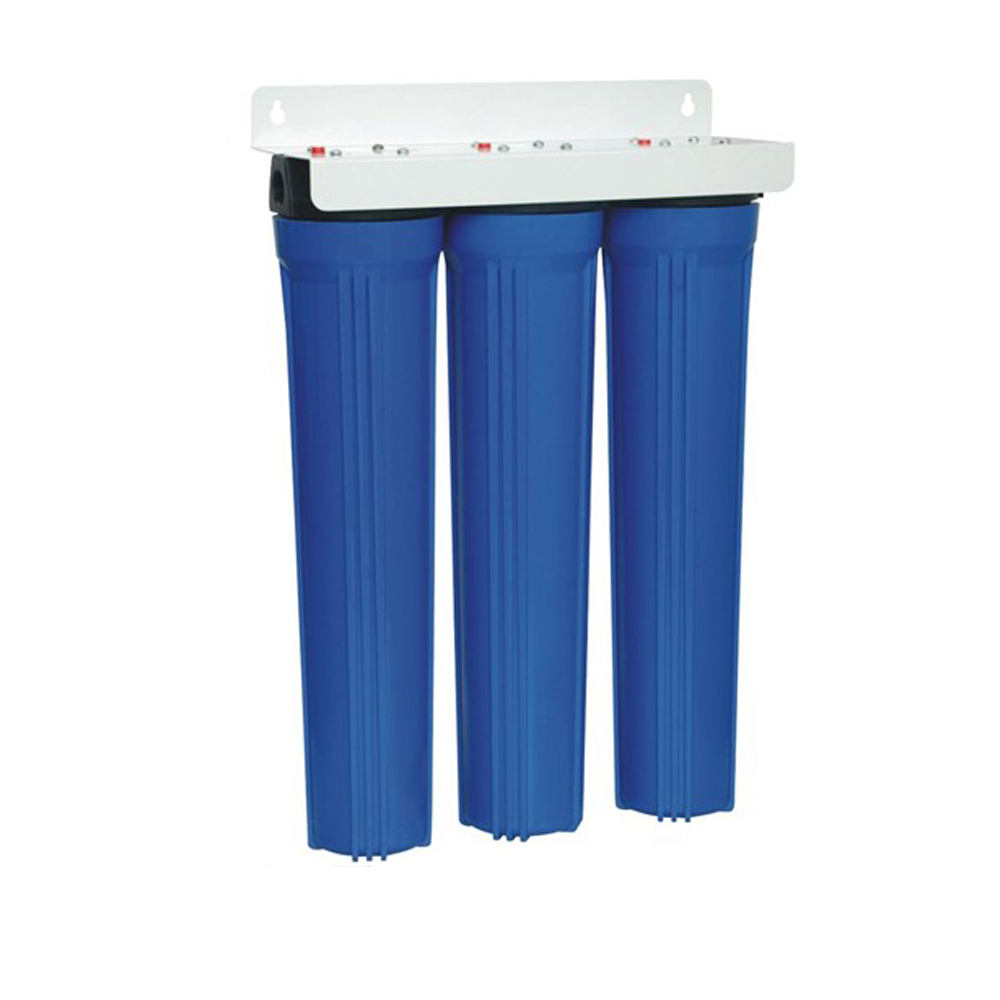
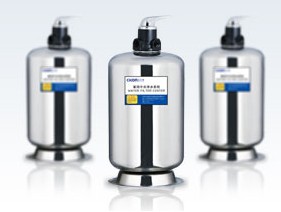
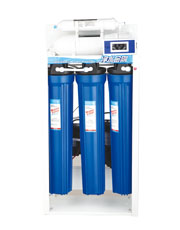
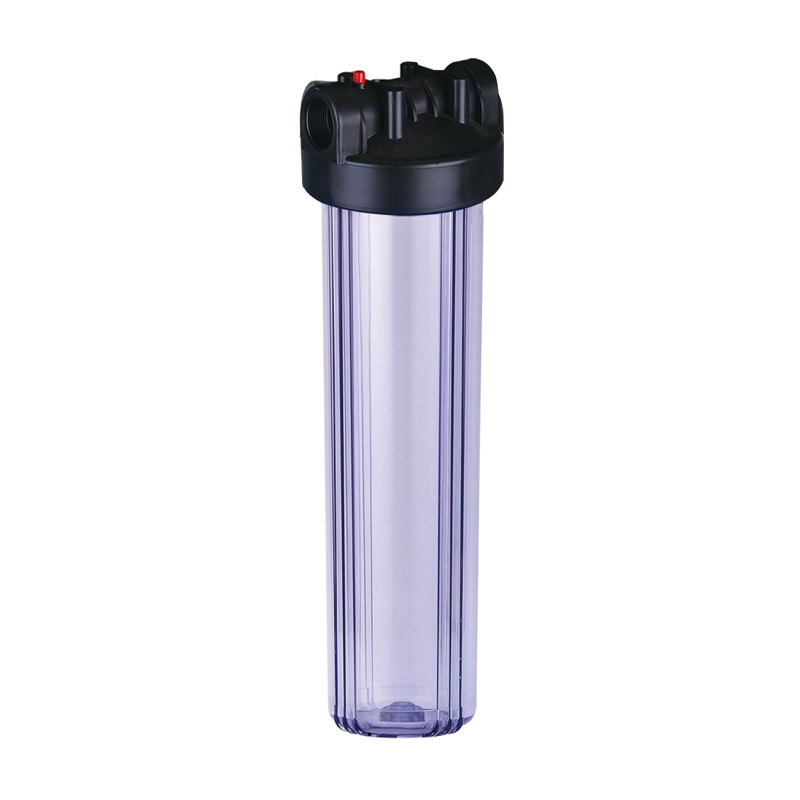
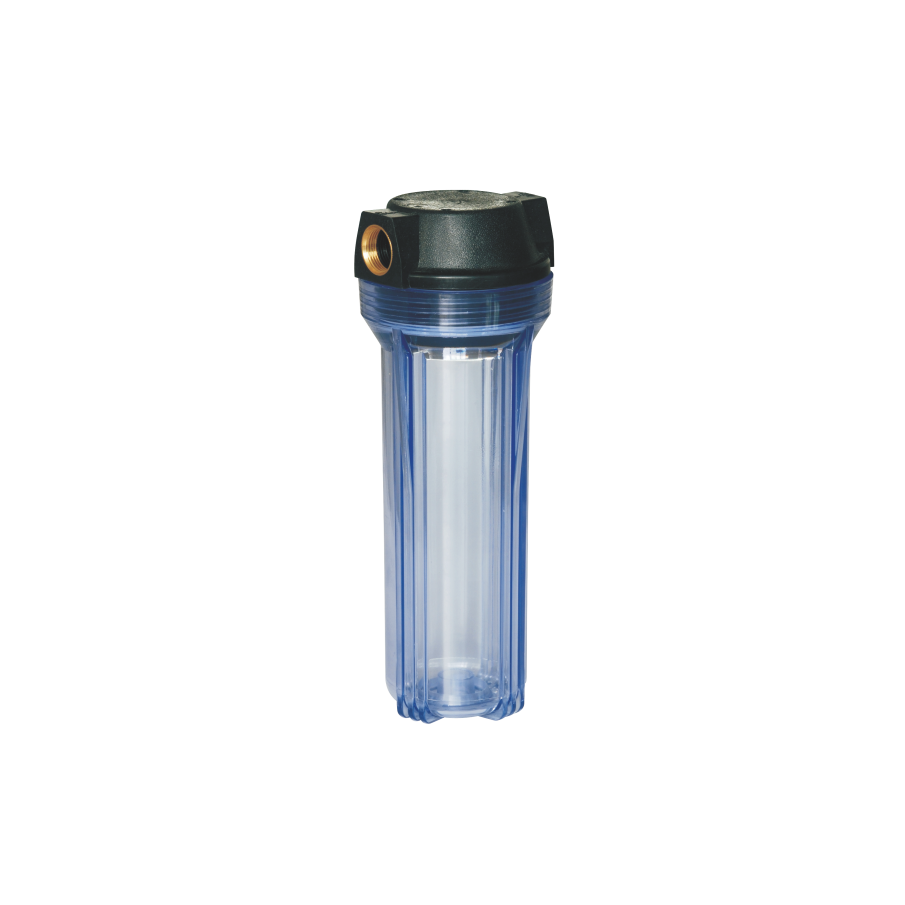
| Housing Size | 10-inch x 4.5-inch | 20-inch x 4.5-inch (Big Blue) |
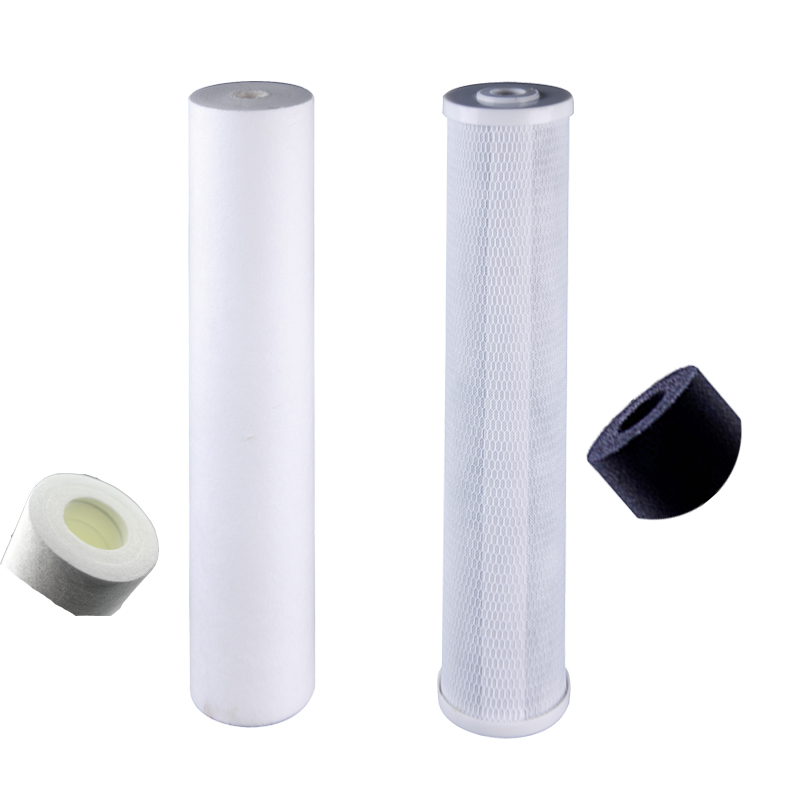
If you are developing a proprietary system, utilizing OEM/ODM Services allows you to customize port configurations, integrate bypass valves directly into the manifold, and specify exact filter media blends (such as catalytic carbon or KDF-85 for heavy metal reduction).
Manufacturing & Factory-Level Quality Control
The physical integrity of a whole-house filter housing relies entirely on the injection molding process. Most high-quality housings are molded from reinforced polypropylene (PP) or, for clear sumps, styrene acrylonitrile (SAN) or polyethylene terephthalate (PET).
Cooling times and mold temperatures dictate whether the polymer develops micro-stresses. A factory rushing production to meet tight deadlines will often reduce cooling times, resulting in warped threads or brittle sumps that pass visual inspection but fail under municipal water pressure spikes.
Critical QC Checks for Whole-House Purifiers
- Burst Pressure Testing: Units must withstand at least 3x to 4x maximum operating pressure (e.g., 300 to 400 psi) without rupturing.
- Cycle Testing: Housings should survive 100,000+ cycles of pressure fluctuations (0 to 150 psi) to simulate water hammer effects.
- Thread Tolerance: NPT threads must be gauged for exact pitch and depth to prevent weeping leaks at the plumbing connection.
- O-Ring Seating: Double O-ring designs require precise groove molding to ensure watertight seals without pinching during cartridge changes.
Because catastrophic failure carries massive liability, relying on standard factory self-reporting is risky. Implementing independent Quality Control & Inspection prior to shipment ensures that your specific batch has undergone proper hydrostatic testing before being containerized.
Need a supplier capable of passing strict hydrostatic testing? We match you with audited factories that meet international plumbing standards.
Talk to our teamCompliance and Certifications
In North America and Europe, whole-house systems must meet stringent material safety standards. Sourcing from a factory familiar with these standards reduces your time to market.
- NSF/ANSI 42 & 53: Covers aesthetic effects (chlorine, taste, odor) and health effects (lead, VOCs). Even if the assembled system isn't certified, the housings and media should be manufactured from NSF-certified materials.
- NSF/ANSI 61 & 372: Ensures the wetted components are safe for drinking water and comply with lead-free regulations.
If you are importing under your own brand, you will likely need to arrange independent Compliance & Testing to verify the factory's claims and secure the necessary documentation for customs and domestic distributors.
Pricing, MOQs, and Production Realities
Pricing for whole-house systems is heavily dependent on raw material costs (polypropylene, brass for inserts, stainless steel for brackets) and the complexity of the filter cartridges included.
When negotiating, be aware that brass inserts in the inlet/outlet ports increase the unit cost but drastically reduce the risk of cross-threading during installation by plumbers—a worthwhile trade-off for premium brands.
Planning a high-volume order? Let us handle the factory negotiations, tooling agreements, and supply chain logistics.
Get a free consultationFrequently Asked Questions
Sourcing whole-house water purifiers requires a rigorous approach to mechanical engineering and quality assurance. By focusing on factories with proven injection molding capabilities and strict hydrostatic testing protocols, you can build a resilient product line that plumbing professionals and homeowners trust. Thorough supplier vetting and ongoing oversight are the keys to maintaining that standard across every production run.
Get Sourcing Help for Whole-House Water Purifiers
Tell us your requirements and our experts will connect you with verified manufacturers.