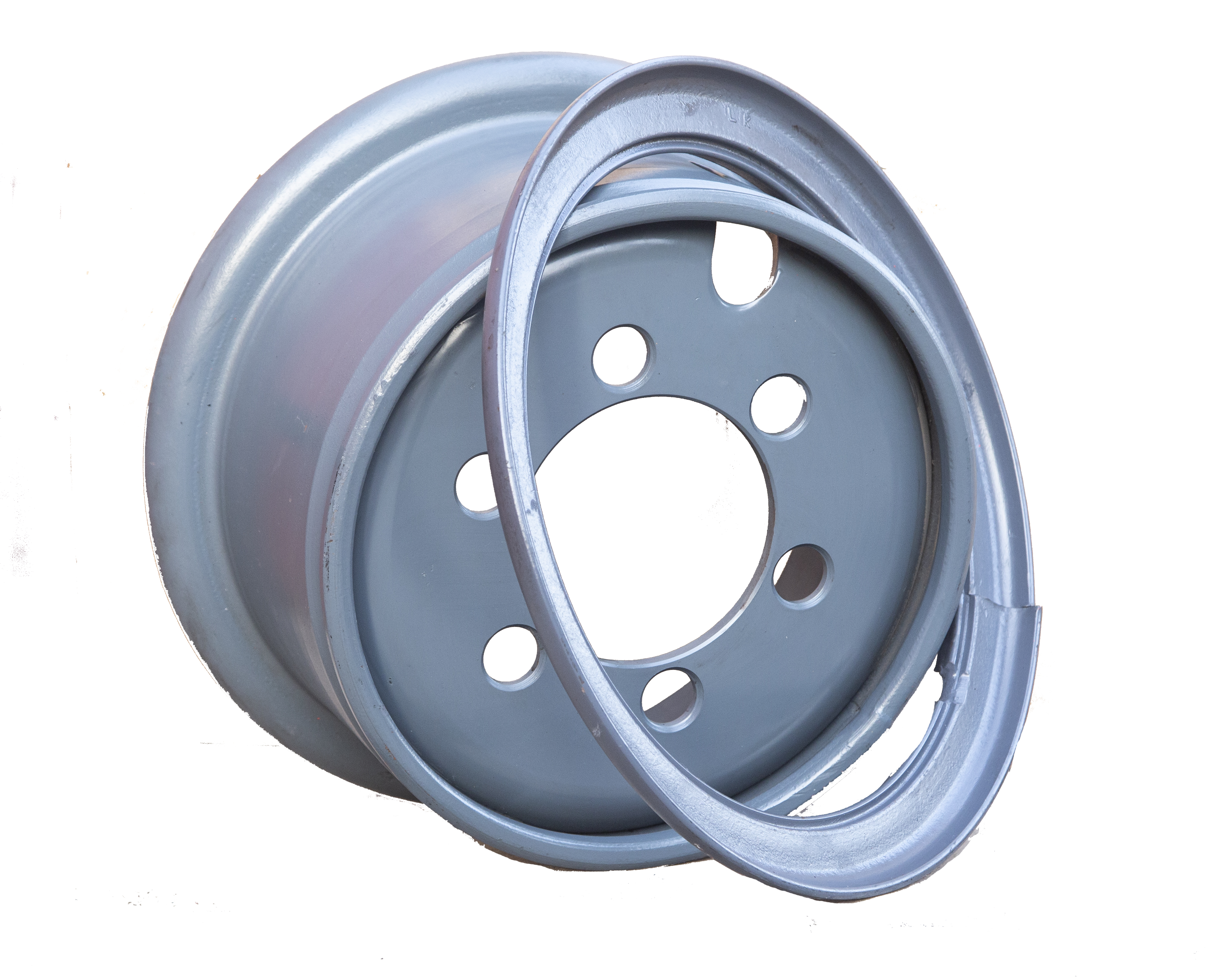
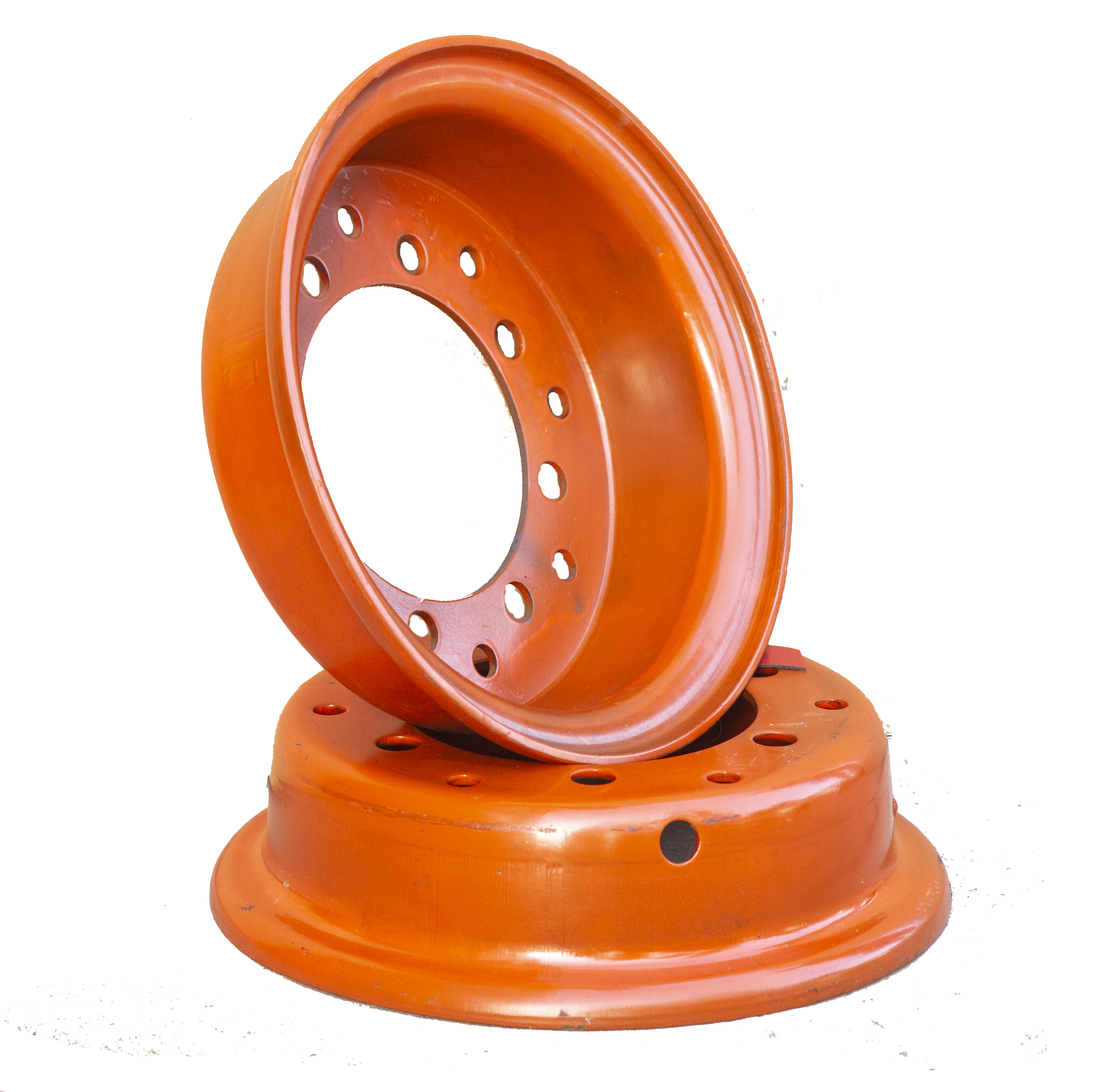
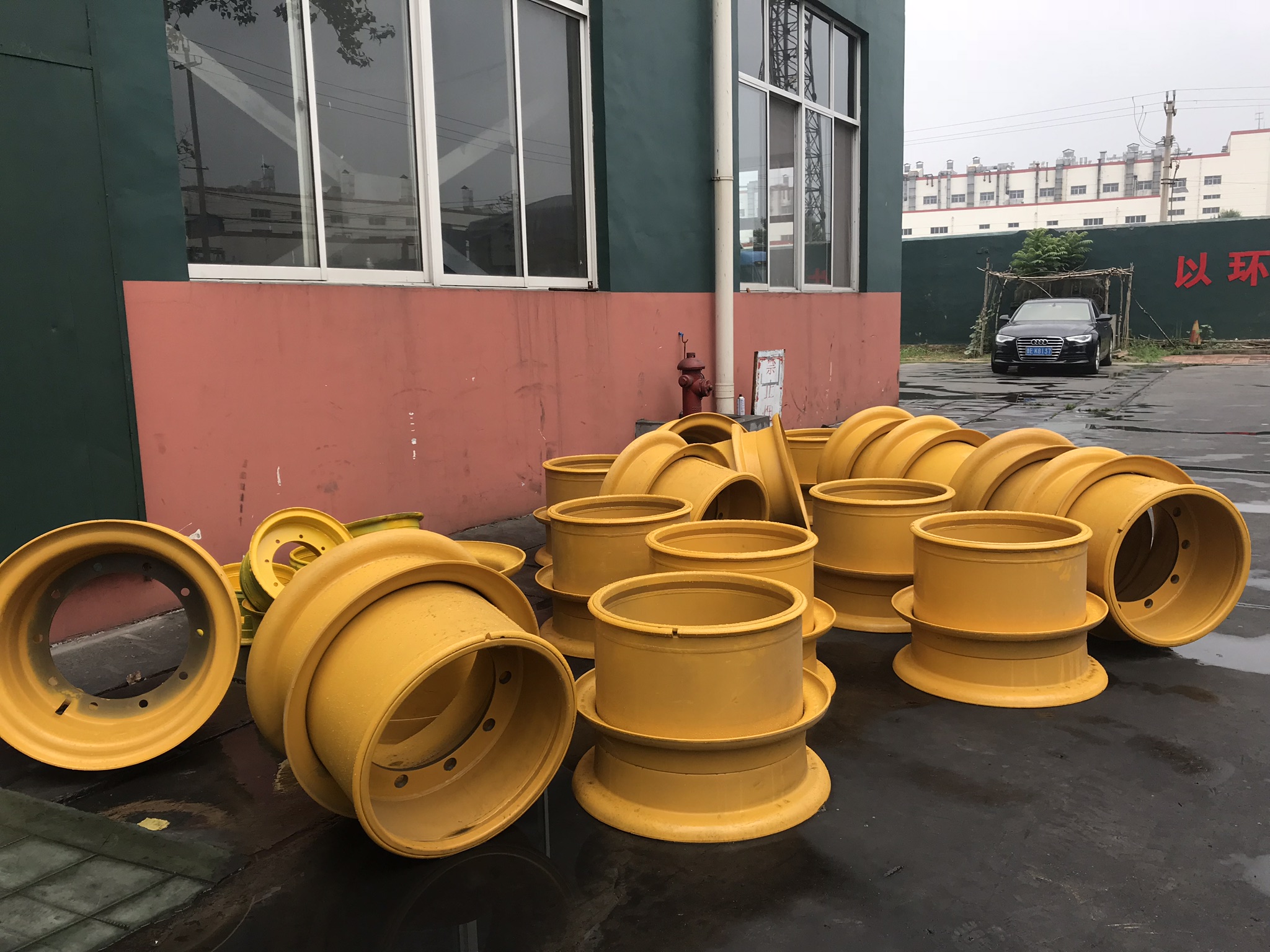
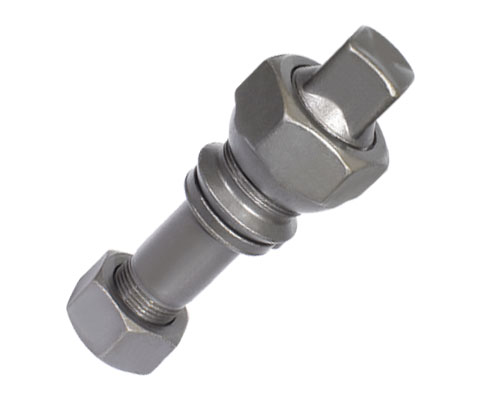
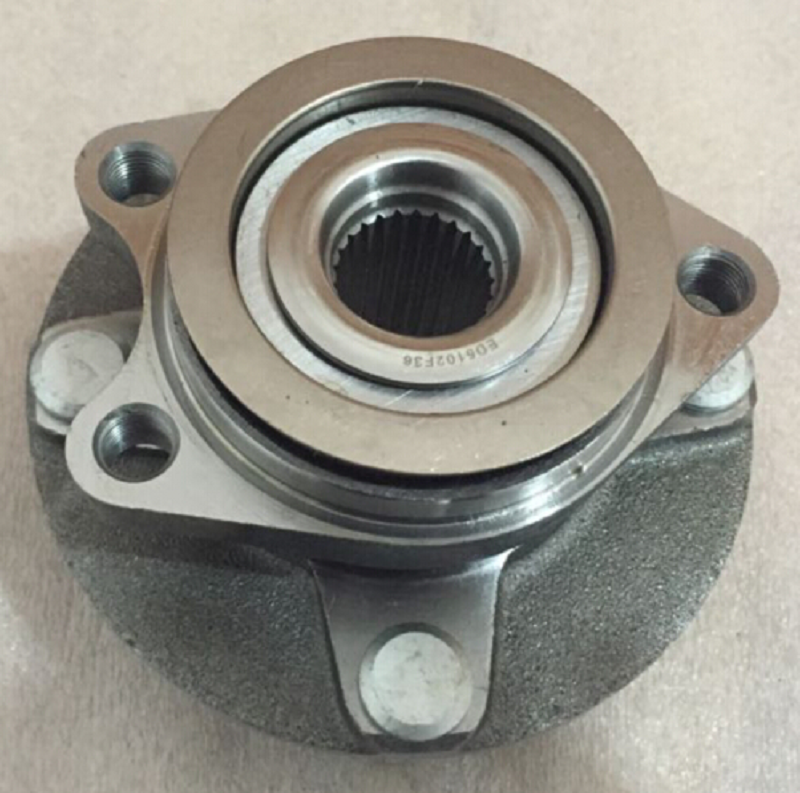
Wheel Parts
Source wholesale wheel parts directly from vetted manufacturers. Designed for importers, distributors, and automotive brands, this catalog connects volume buyers with capable suppliers for OEM and aftermarket components. Secure competitive bulk pricing and reliable quality.
Sourcing wheel parts in bulk requires precision. Whether you are procuring aftermarket replacement components or developing custom OEM parts for a new vehicle platform, the margin for error is zero. Wheel components must withstand extreme dynamic loads, thermal stress, and environmental exposure. Success depends on identifying manufacturers with rigorous metallurgical controls, precise machining capabilities, and robust quality assurance systems.
Critical Specifications for Wheel Components
When communicating requirements to a manufacturer, clarity on technical specifications is paramount. Vague requirements lead to inconsistent production runs and potential safety failures.
Material Selection and Metallurgy
The foundational quality of any wheel part is dictated by its material.
- Carbon Steel (e.g., 1045, 4140): Common for heavy-duty applications where tensile strength is critical. Specify the required heat treatment (e.g., quenching and tempering) to achieve the necessary hardness (HRC).
- Aluminum Alloys (e.g., 6061-T6, A356): Preferred for lightweight applications. 6061 is typically forged or billet-machined, offering high strength-to-weight ratios. A356 is common for cast components.
- Titanium (e.g., Ti-6Al-4V): Used in high-performance or racing applications where weight reduction and extreme strength are required.
Need help verifying a factory's metallurgical capabilities? Our sourcing experts can connect you with manufacturers proven to meet strict material standards.
Talk to our teamManufacturing Processes
The chosen manufacturing method significantly impacts the final part's structural integrity, cost, and lead time.
| Process | Typical Application | Pros | Cons |
|---|---|---|---|
| Casting (Gravity/Low Pressure) | High-volume OEM and aftermarket parts | Cost-effective at scale, complex geometries possible | Lower structural density, potential for porosity |
| Forging | High-performance, heavy-duty applications | Superior grain structure, highest strength | Higher tooling costs, longer lead times |
| CNC Machining (Billet) | Custom, low-volume, or highly precise components | Exceptional precision, no tooling required | High material waste, slower production rate |
If you are developing custom components, leveraging OEM/ODM Services ensures the factory has the engineering support to translate your CAD files into production-ready reality.
Quality Control and Failure Points
Wheel parts are safety-critical. A failure can result in catastrophic consequences. Implementing a rigorous Quality Control & Inspection protocol is non-negotiable.
Critical Inspection Points for Wheel Parts
- Dimensional accuracy: Verify critical tolerances (e.g., bolt hole pitch circle diameter, center bore diameter) using CMM.
- Material verification: Request material test reports (MTRs) and conduct independent spectrometer analysis to confirm alloy composition.
- Non-Destructive Testing (NDT): Ensure parts undergo X-ray or ultrasonic testing to detect internal voids, porosity, or micro-cracks, especially in cast components.
- Surface finish: Inspect for proper coating thickness (anodizing, powder coating, or plating) to ensure corrosion resistance (salt spray testing).
- Runout testing: Verify radial and lateral runout are within specified tolerances to prevent vibration.
Do not rely solely on the factory's internal QC reports. Third-party verification is essential to catch defects before they leave the facility.
MOQs, Lead Times, and Pricing Dynamics
Understanding the production realities of wheel parts helps in planning your supply chain and negotiating effectively.
Cost Drivers
- Raw Material Index: The cost of aluminum and steel fluctuates globally. Lock in pricing based on current index rates, but expect adjustments for long-term contracts.
- Tooling and Molds: Forging dies and casting molds are significant upfront investments. Negotiate tooling amortization if your volumes are high enough.
- Finishing Requirements: Advanced coatings (e.g., hard anodizing, specialized powder coats) add to the unit cost and production time.
Navigating tooling costs and MOQs can be complex. Let our team negotiate favorable terms and coordinate your production schedule.
Get a free consultationBefore committing to a large order or investing in expensive tooling, conducting thorough Factory Audits is crucial to verify the supplier's financial stability, production capacity, and quality management systems (e.g., ISO/TS 16949 certification).
Sourcing wheel parts demands a rigorous approach to material science, manufacturing processes, and quality assurance. By clearly defining your specifications and implementing strict oversight, you can build a reliable and profitable supply chain.
Get Sourcing Help for Wheel Parts
Tell us your requirements and our experts will connect you with verified manufacturers.