Wheel Hubs
Source high-quality wheel hubs from vetted manufacturers and suppliers across Asia. Built for automotive parts importers, wholesale distributors, and brands requiring reliable OEM and aftermarket production in bulk. Secure competitive wholesale pricing and consistent manufacturing quality for your supply chain.
Sourcing automotive wheel hubs in volume requires balancing strict metallurgical standards with cost-effective production. As critical safety components that bear the vehicle's weight and transmit drive torque, the margin for error in machining tolerances, bearing assembly, and ABS sensor integration is zero. Successfully importing these parts means navigating complex factory capabilities and ensuring rigorous quality management on the production floor.
Wheel Hub Generations and Technical Specifications
When procuring wheel hubs, specifying the correct generation and technical parameters is critical to ensuring compatibility and performance. Buyers must communicate precise requirements regarding bolt circle diameter (BCD), spline counts, and sensor integration.
| Specification | Generation 1 | Generation 2 | Generation 3 |
|---|---|---|---|
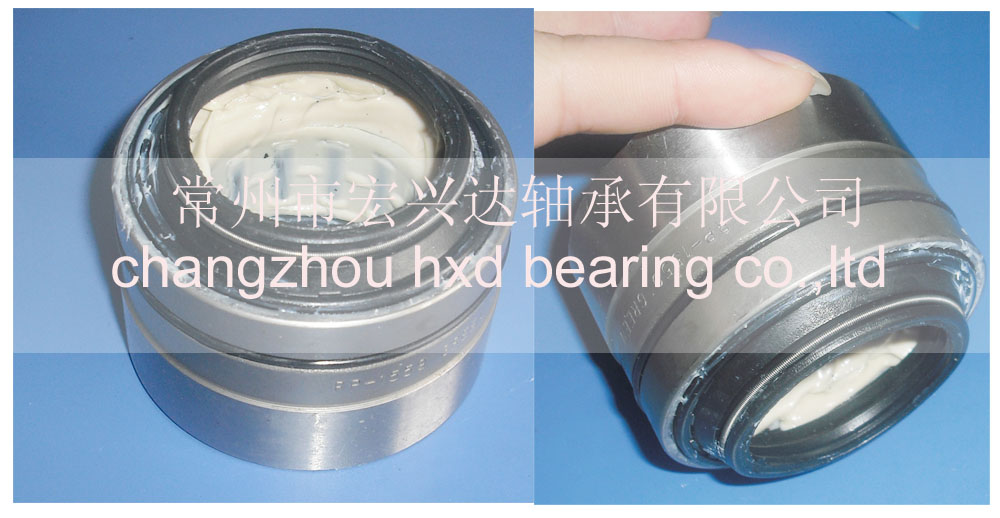
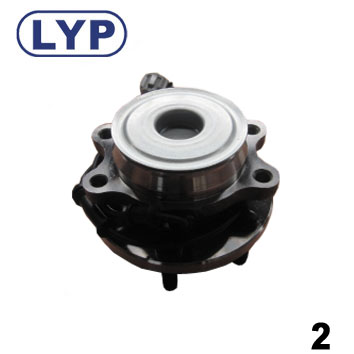
| Design Structure | Double-row angular contact bearing | Bearing with integrated mounting flange | Fully integrated hub and flange assembly |
| Assembly Requirement | Requires pressing into steering knuckle | Bolts to suspension, requires hub pressing | Pre-assembled, bolts directly to suspension |
| ABS Integration | External tone ring (usually) | Integrated sensor or magnetic encoder | Fully integrated active ABS/ESP sensors |
| Manufacturing Complexity | Low | Medium | High (Requires advanced calibration) |
For modern vehicles, Generation 3 hubs dominate the aftermarket. When sourcing these, pay special attention to the magnetic encoder rings used for ABS and ESC systems. Inferior magnetic materials or improper sealing will lead to premature sensor failure, triggering dashboard warnings and warranty claims.
Manufacturing Tolerances and Quality Control
The durability of a wheel hub relies heavily on the quality of the raw materials and the precision of the heat treatment process. Most high-quality hubs utilize GCr15 bearing steel for the rolling elements and high-carbon forged steel (such as 55# or 65Mn) for the flanges.
Induction hardening is applied to the raceways to achieve a hardness of HRC 58 to 64, ensuring wear resistance while maintaining core toughness to absorb impact loads.
Struggling with inconsistent hub quality or premature bearing wear? Let us help you qualify suppliers with proven IATF 16949 compliance.
Talk to our teamCritical Factory Verification Steps
Not all manufacturers possess the in-house capabilities required for precision automotive components. Verifying a supplier's production and testing infrastructure is essential before placing bulk orders. Conducting thorough Factory Audits ensures the facility actually performs critical steps rather than outsourcing them to unverified sub-suppliers.
Essential Factory Capabilities to Verify
- IATF 16949 certification (mandatory for automotive OEM and high-end aftermarket)
- In-house induction hardening and tempering equipment
- Precision CNC grinding machines capable of micrometer-level tolerances
- Runout testing equipment (axial and radial runout must be under 0.05mm)
- Mud slurry and salt spray testing chambers for seal and sensor validation
- Automated assembly lines to prevent contamination of bearing grease
Structuring Your Supply Chain: MOQs, Lead Times, and Pricing
The automotive aftermarket is characterized by high SKU counts and fragmented demand. Managing minimum order quantities (MOQs) across hundreds of vehicle applications is a primary sourcing challenge.
Typical MOQs for wheel hubs range from 300 to 500 pieces per SKU. However, factories are often willing to negotiate lower MOQs (e.g., 100 to 200 pieces) if you are ordering a wide variety of SKUs in a single container, or if the factory already has the specific forging molds in active production. If you are developing custom applications or requiring specific branding through OEM/ODM Services, expect higher initial MOQs and tooling costs for new forging dies.
Pricing is heavily influenced by the grade of bearing grease used (high-temperature lithium complex grease is standard), the quality of the seals, and the precision of the ABS encoder. Implementing strict Quality Control & Inspection protocols before shipment is the most effective way to ensure the hubs meet your specified material and performance grades, preventing costly returns from your downstream B2B customers.
Need to consolidate multiple wheel hub SKUs into a single shipment while managing MOQs? We can optimize your purchasing strategy.
Get a free consultationFrequently Asked Questions
Sourcing wheel hubs requires technical diligence and a deep understanding of automotive manufacturing standards. By partnering with vetted facilities and enforcing rigorous inspection protocols, you can secure reliable, high-performance components that protect your brand's reputation in the aftermarket.
Get Sourcing Help for Wheel Hubs
Tell us your requirements and our experts will connect you with verified manufacturers.