Wheel Covers
Source high-quality wheel covers in bulk directly from vetted manufacturers and suppliers. This catalog is curated for automotive importers, wholesalers, distributors, and brands seeking reliable OEM and private-label production. Secure competitive pricing, strict quality control, and scalable manufacturing for your supply chain.
Sourcing wheel covers at scale requires a careful balance between material cost, impact resistance, and secure fitment. While the manufacturing process—primarily plastic injection molding—is straightforward, a poorly executed batch with brittle plastics, weak retention systems, or subpar paint adhesion can lead to high defect rates and costly returns. For volume buyers, specifying the right polymer grade and retention mechanism upfront is critical to securing a reliable product.
Material Specifications and Polymer Selection
The foundational quality of a wheel cover is dictated by the plastic resin used during injection molding. Manufacturers typically offer three main material tiers, each affecting the product's durability, flexibility in cold weather, and aesthetic finish.
| Material | Impact Resistance | Paint Adhesion | Cost Profile |
|---|---|---|---|
| ABS (Acrylonitrile Butadiene Styrene) | High (rigid) | Excellent | Premium |
| PP (Polypropylene) | Moderate (flexible) | Fair to Good | Economical |
| Nylon / PA6 | Exceptional | Good | Highest |
ABS is the industry standard for aftermarket and OEM-replica wheel covers because it holds paint well and provides a rigid, premium feel. However, PP is often preferred in budget-friendly lines due to its flexibility, which makes it less prone to cracking upon impact, though it requires specialized primers for durable paint adhesion. If you are developing custom designs, leveraging OEM/ODM Services ensures the factory uses the correct tooling and resin flow analysis for your chosen material.
Developing a custom wheel cover line? We help brands navigate tooling, material selection, and factory negotiations to ensure production meets your exact specifications.
Talk to our teamRetention Systems and Fitment Precision
A wheel cover is only as good as its ability to stay attached to the steel wheel at highway speeds. The retention system is where many lower-tier manufacturers cut corners.
Critical Fitment Specifications
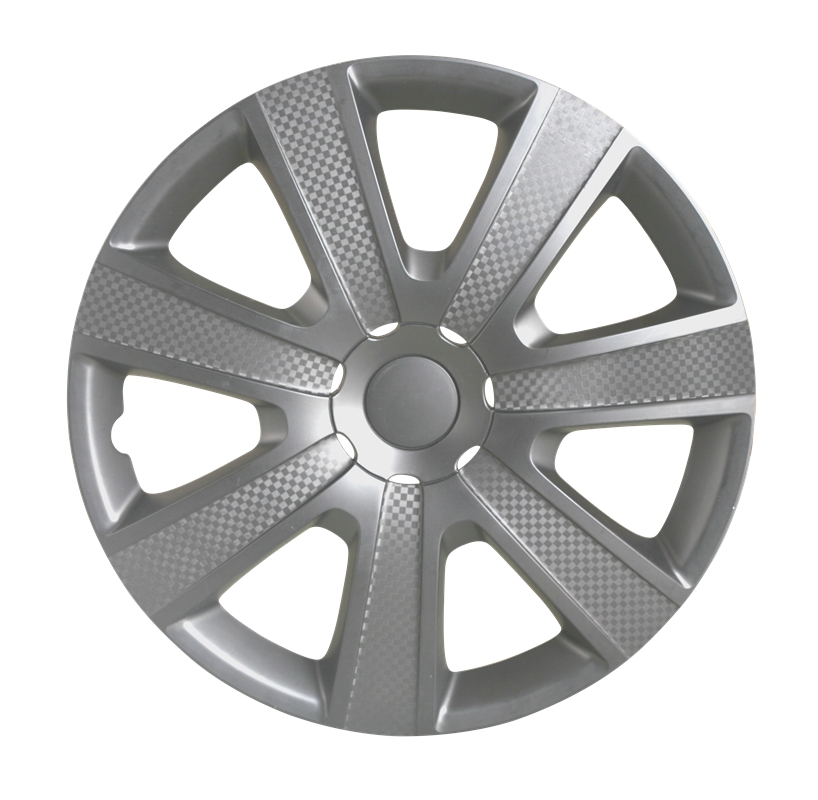
- Adjustable Wire Rings: Ensure the steel retention ring features a stepped or adjustable notch system to accommodate slight variances in steel wheel profiles.
- Ring Tension: The wire gauge must be thick enough to provide strong outward pressure without making installation impossible.
- Clip Integrity: The plastic clips that hold the wire ring must be molded seamlessly with the main body to prevent snapping during installation.
- Valve Stem Clearance: Tooling must account for standard and extended valve stems to prevent rubbing or obstruction.
Quality Control Checkpoints on the Factory Floor
Catching defects before they leave the factory saves significant capital. When managing Quality Control & Inspection, inspectors should focus on the finishing and structural integrity of the covers.
- Cross-Cut Adhesion Testing: Paint and clear coats must be tested using standard cross-hatch tape tests to ensure the finish will not flake off under high-pressure washing or road debris impact.
- Drop and Impact Testing: Especially critical for ABS covers, drop tests at various temperatures (including sub-zero simulations) verify that the plastic will not shatter during winter driving.
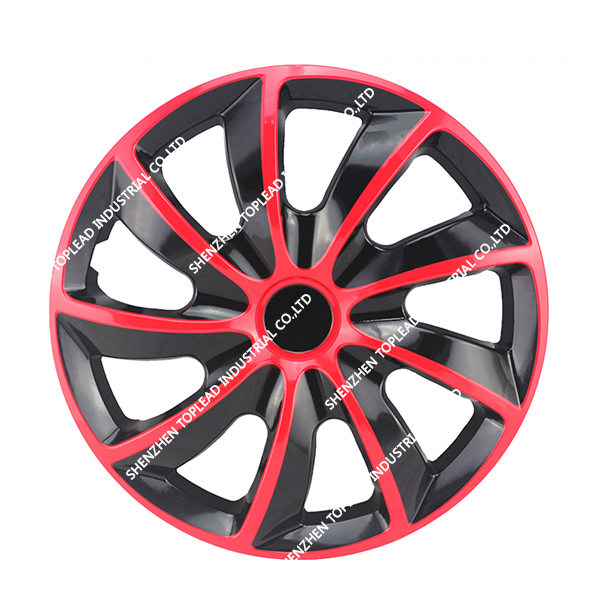
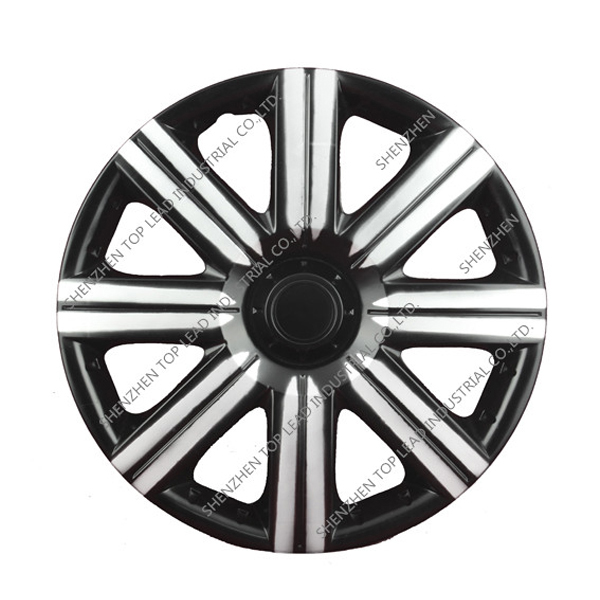
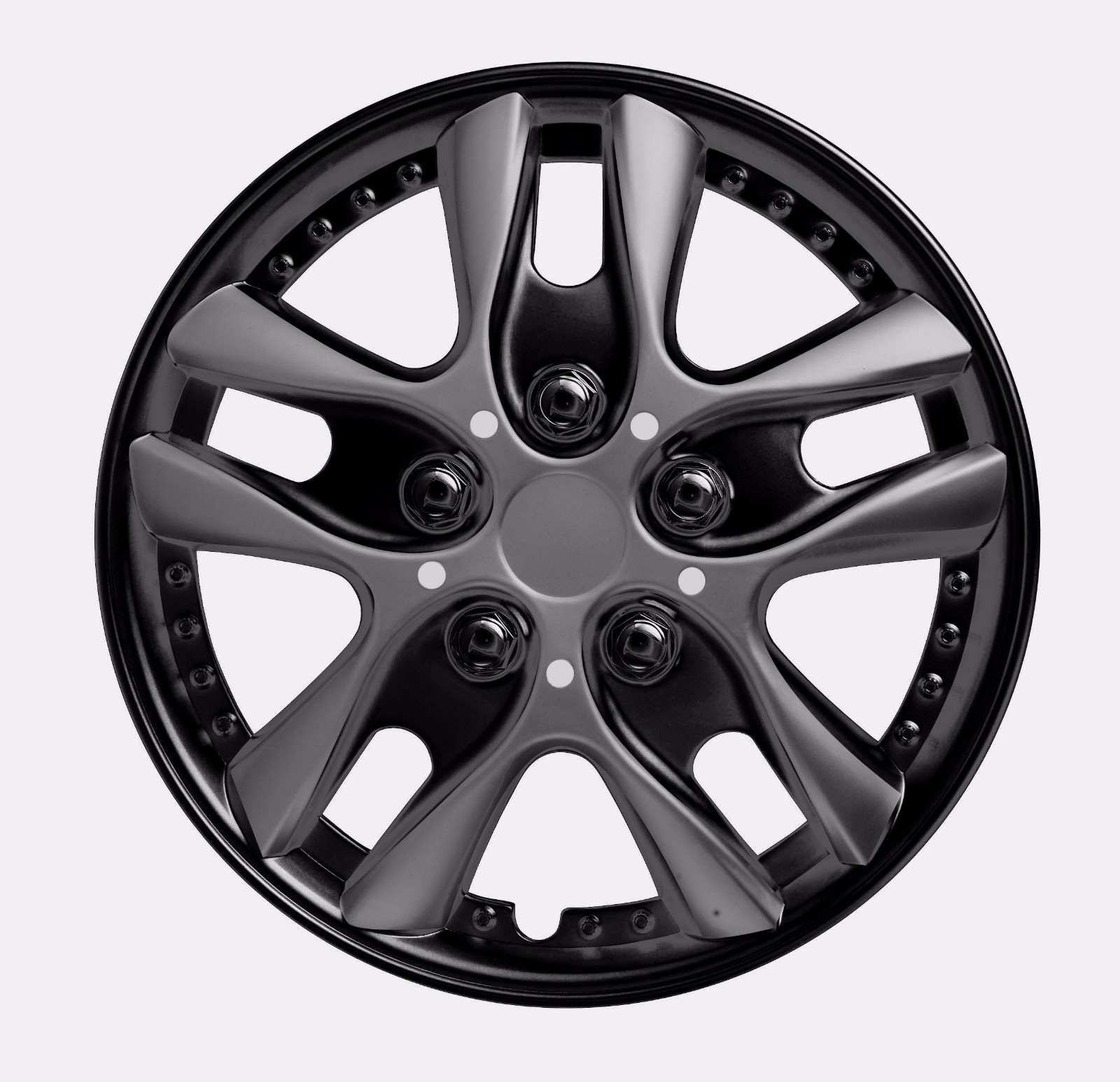
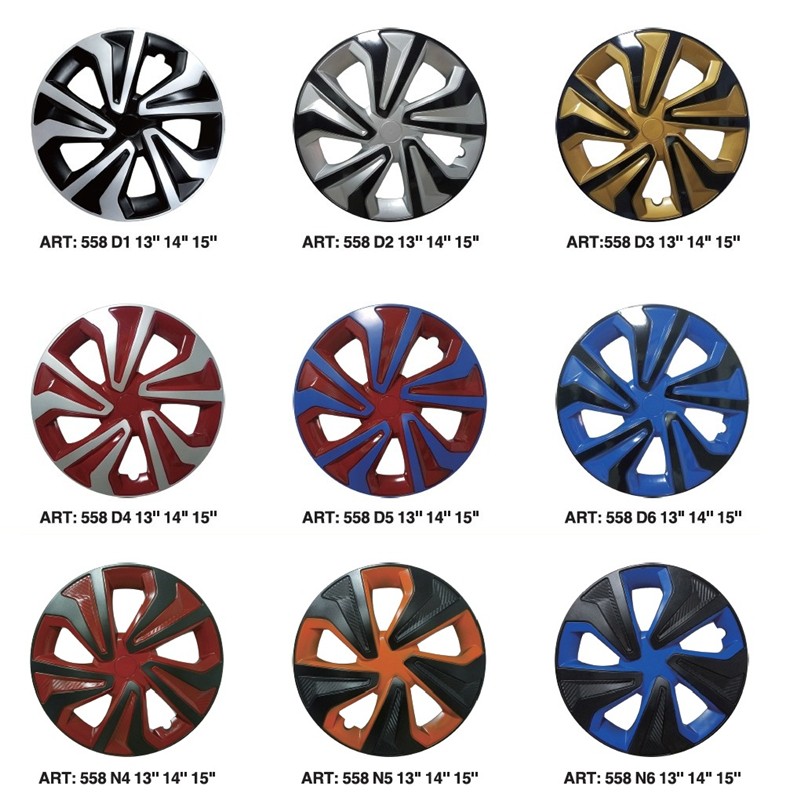
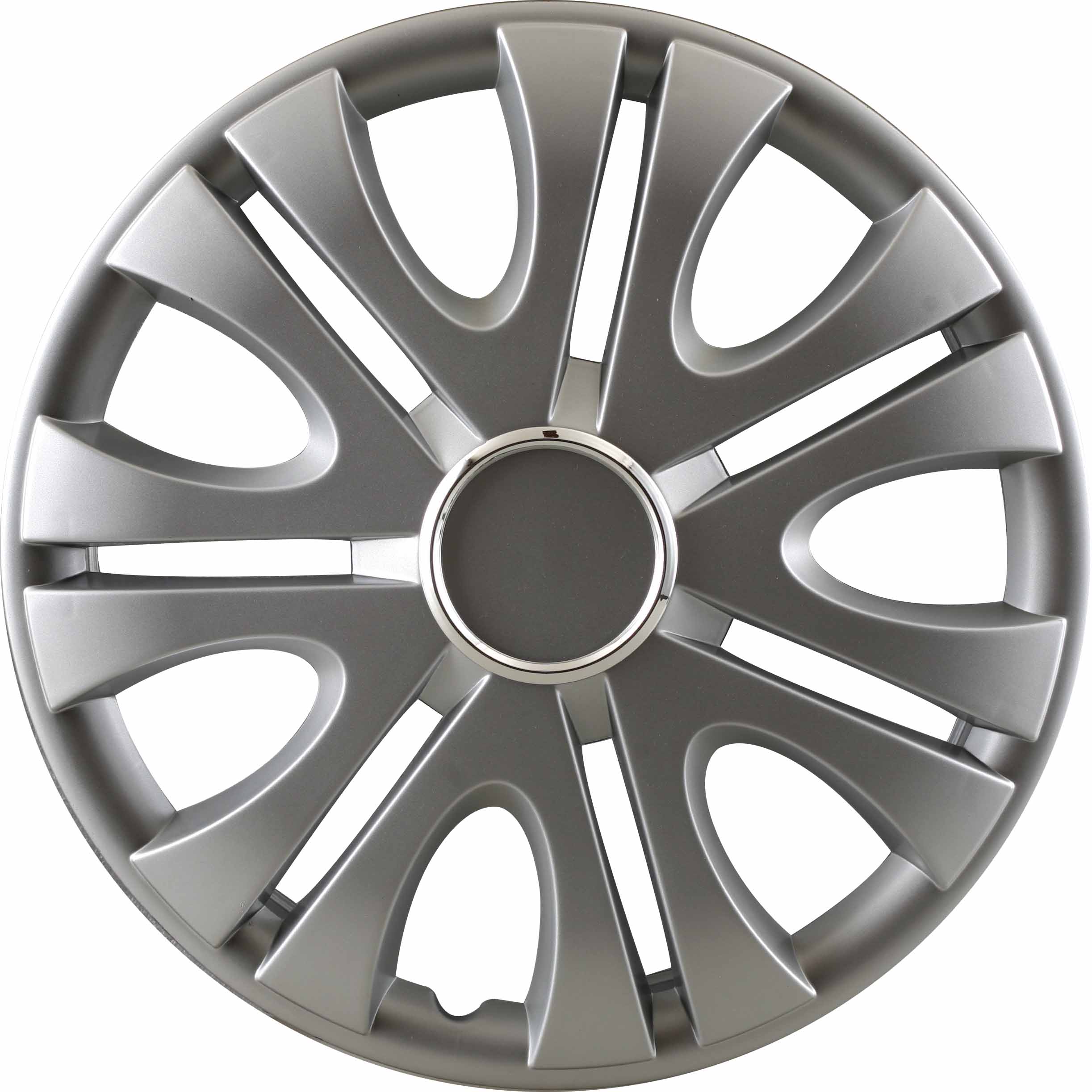
- Coating Uniformity: Silver, chrome, or matte black finishes must be inspected under proper lighting for runs, pooling, or thin spots, particularly in deep recesses of multi-spoke designs.
MOQs, Pricing, and Production Lead Times
Understanding the operational realities of wheel cover factories helps set accurate procurement schedules and budgets.
When sourcing from new suppliers, it is highly recommended to conduct thorough Factory Audits to verify their injection molding capacity, in-house painting facilities, and historical defect rates. Factories that outsource their painting often struggle with consistent finish quality and longer lead times.
Need to verify a supplier's production capacity or arrange pre-shipment inspections? We manage the entire quality assurance process on the ground.
Get a free consultationFrequently Asked Questions
Successfully sourcing wheel covers requires moving beyond superficial design choices to strictly managing polymer grades, tooling precision, and finish durability. By setting clear technical specifications and enforcing rigorous quality checks, buyers can build a highly profitable, low-return product category.
Get Sourcing Help for Wheel Covers
Tell us your requirements and our experts will connect you with verified manufacturers.