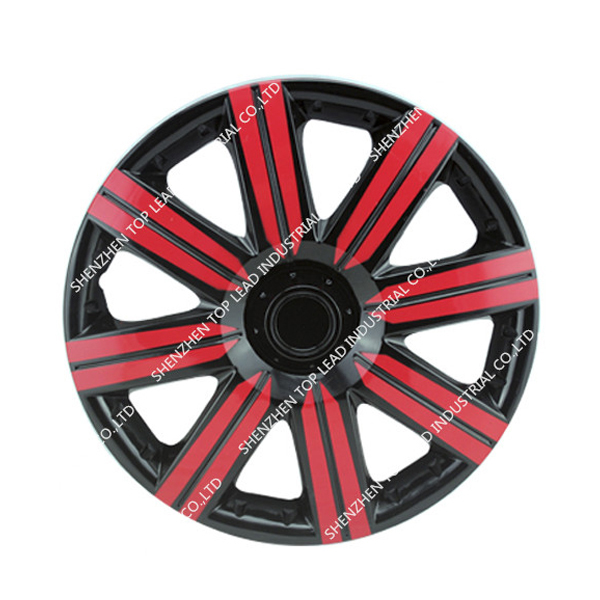
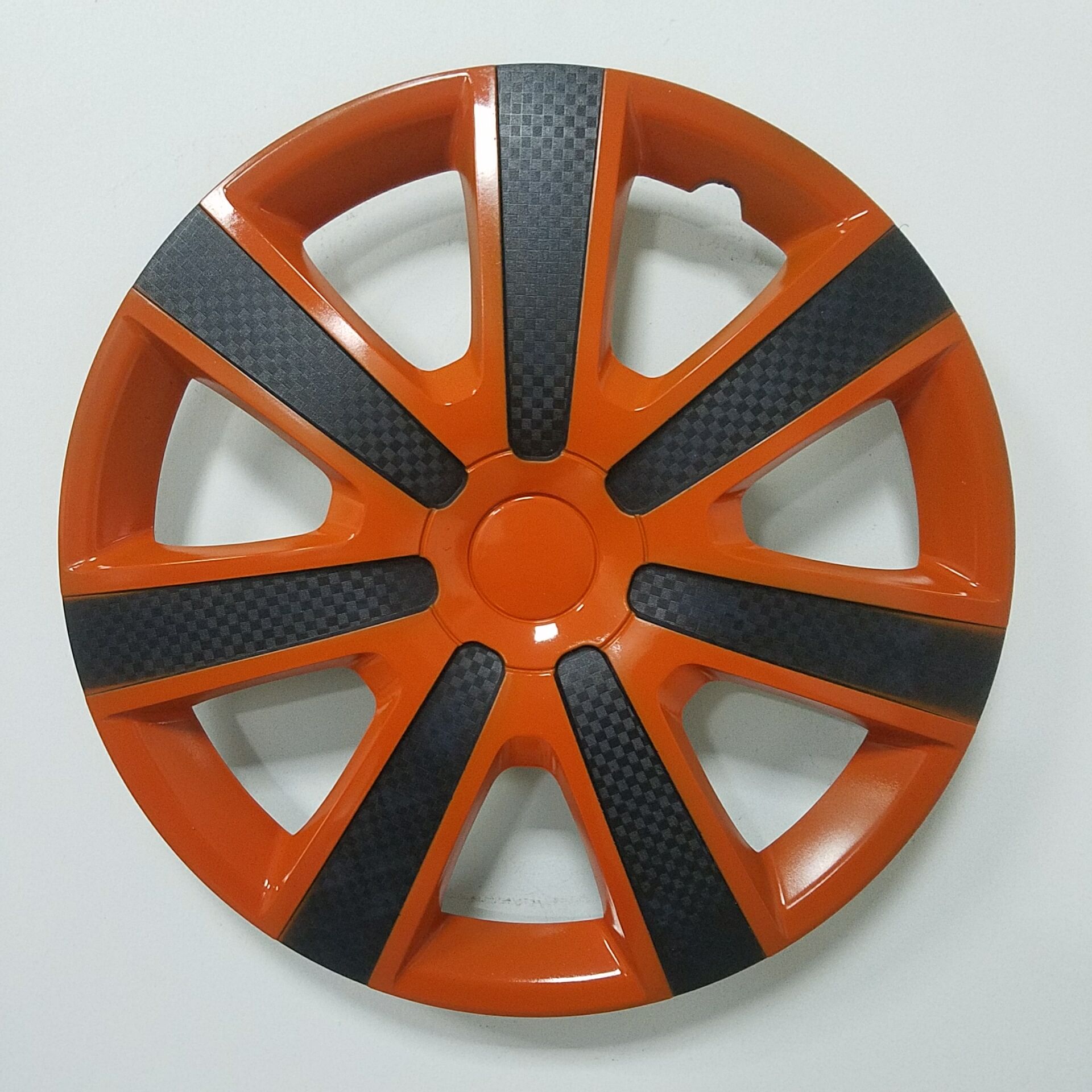
Wheel Caps
Source premium Wheel Caps from vetted Chinese manufacturers and suppliers. Designed for automotive parts importers, distributors, and brands requiring OEM or private-label production, our network delivers bulk wheel center caps and hubcaps with strict quality control, precise fitment, and durable finishes.
Bulk sourcing of wheel caps requires balancing aesthetic finish durability with mechanical retention. Whether you are replacing OEM parts or launching an aftermarket line, the core challenge lies in material selection, tooling precision, and coating adhesion. A wheel cap must endure high rotational forces, extreme temperature fluctuations, and constant exposure to road debris and corrosive chemicals without losing its finish or detaching from the wheel hub.
Material Specifications and Finishes
The foundation of a reliable wheel cap is its substrate. While standard ABS plastic is ubiquitous in the aftermarket, performance applications often demand upgraded polymer blends or lightweight metals.
| Substrate | Impact Resistance | Plating Adhesion | Typical Application |
|---|---|---|---|
| Standard ABS | Moderate | Excellent | Budget aftermarket caps |
| PC/ABS Blend | High | Very Good | Premium OEM replacements |
| Aluminum Alloy | Very High | N/A (Anodized/Machined) | High-end forged wheels |
Beyond the substrate, the finish dictates the product's lifespan. Chrome plating is highly susceptible to peeling if the copper-nickel-chrome layers are applied inconsistently or if the substrate is improperly prepped. Painted and clear-coated caps require UV-resistant formulations to prevent yellowing or fading over time.
Struggling with high defect rates on plated finishes? We can audit your supply chain and connect you with manufacturers utilizing automated, multi-stage plating lines.
Talk to our teamManufacturing Tolerances and Retention Systems
A wheel cap's primary mechanical function is to stay attached to the wheel. This relies entirely on the precision of the injection molding process and the design of the retention system.
Manufacturers typically use one of two retention methods:
- Direct Plastic Clips: Molded directly into the cap body. If the plastic is too rigid, the clips snap during installation; if too soft, the cap vibrates loose.
- Steel Wire Tension Rings: A steel ring sits inside the plastic tabs, providing consistent outward pressure. This is the standard for high-quality OEM and aftermarket caps.
When setting up production, verifying the tension strength and the dimensional accuracy of the clips (down to fractions of a millimeter) is critical. Even a slight deviation in the mold can result in a batch of caps that either will not fit the designated center bore or will rattle at highway speeds.
Quality Control and Testing Standards
Relying on a factory's internal visual inspection is rarely sufficient for exterior automotive components. Proper quality control & inspection must involve standardized physical and chemical testing to simulate real-world wear.
Critical QC Checks for Wheel Caps
- Cross-hatch adhesion testing for painted and plated finishes
- Copper Accelerated Acetic Acid Salt Spray (CASS) testing (minimum 48 hours) for corrosion resistance
- Thermal cycling tests (extreme heat to freezing) to ensure plastic clips do not become brittle
- Drop testing and impact resistance checks on the face of the cap
- Tension and compression testing on steel retention rings
Customization, MOQs, and Pricing Drivers
For brands looking to develop proprietary designs, engaging in OEM/ODM services requires an initial investment in tooling. Injection molds for plastic center caps are relatively affordable, but multi-piece caps (e.g., a separate base, logo plate, and tension ring) require multiple molds, increasing the upfront cost.
Pricing is heavily influenced by the finishing process. A basic painted ABS cap will cost significantly less than a multi-layer chrome-plated cap with a resin-domed logo.
When negotiating with suppliers, ensure that the quoted price explicitly details the coating process (e.g., number of plating layers, UV-resistant clear coat) and the packaging method. Poorly packaged wheel caps are easily scratched during transit, leading to high unsellable defect rates upon arrival. If you are managing complex procurement schedules, utilizing professional product sourcing support can help standardize these requirements across multiple vendors.
Need to develop a custom wheel cap line? Our team manages the tooling, sampling, and mass production phases to ensure your exact specifications are met.
Get a free consultationFrequently Asked Questions
Successfully sourcing wheel caps in volume requires more than just finding a low unit price; it requires validating a manufacturer's tooling capabilities and their adherence to strict finishing standards. Conducting thorough factory audits before placing tooling deposits is the most effective way to ensure your supplier has the technical infrastructure to deliver consistent quality across thousands of units.
Get Sourcing Help for Wheel Caps
Tell us your requirements and our experts will connect you with verified manufacturers.