Wheel Alignment Equipment
Source high-precision Wheel Alignment Equipment from vetted suppliers and manufacturers in China and Asia. Designed for automotive equipment importers, wholesalers, and tool distributors, our network provides reliable OEM and private-label production capabilities. Secure competitive wholesale pricing and consistent quality for your bulk orders.
Sourcing wheel alignment equipment at scale requires balancing precision optics, robust software, and rugged garage durability. The primary challenge for importers is securing reliable calibration stability and legitimately licensed vehicle databases without absorbing the heavy markups of legacy Western brands. Success in this category hinges on vetting the manufacturer's optical component supply chain and their software development capabilities.
Core Technologies and Specifications
The market is heavily dominated by 3D alignment systems, though CCD (Charge-Coupled Device) systems remain relevant for specific mobile or low-clearance applications. When specifying equipment with a manufacturer, the critical variables are the camera resolution, target plate material, and the origin of the optical sensors.
| Specification Focus | 3D Alignment Systems | CCD Alignment Systems |
|---|---|---|
| Target Technology | Passive target plates (no electronics at the wheel) | Active electronic sensor heads |
| Camera Requirements | High-resolution (typically 5MP to 8MP) | Standard industrial sensors |
| Durability | High (targets survive drops) | Moderate (fragile internal electronics) |
| Calibration Needs | Factory calibrated, rarely needs field adjustment | Requires frequent recalibration |
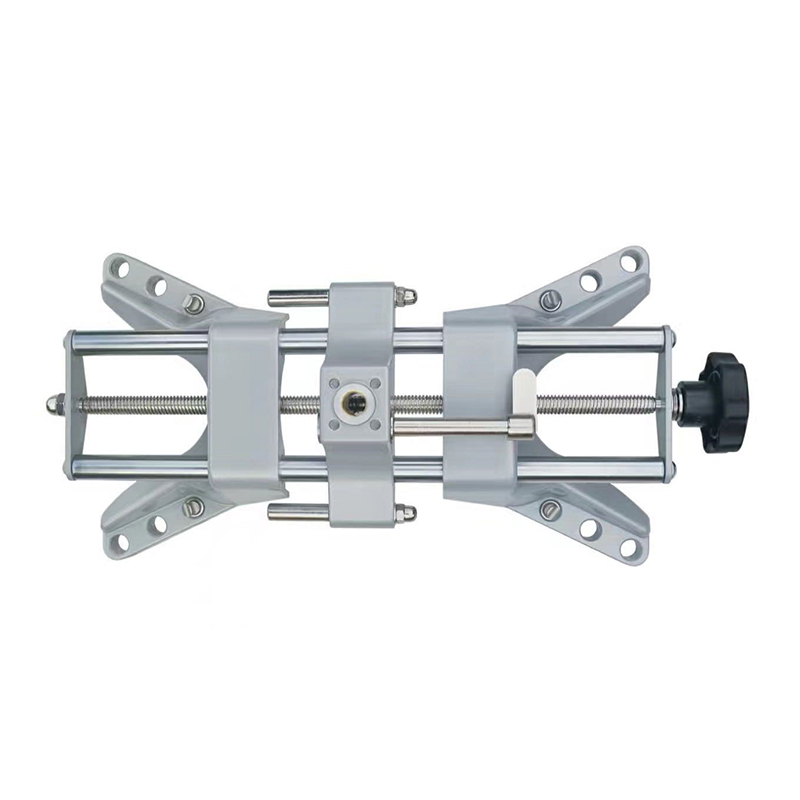
For 3D systems, specify industrial-grade cameras rather than consumer-grade sensors. The target plates should be constructed from impact-resistant materials like high-density ABS or aerospace-grade aluminum to withstand typical workshop abuse.
Struggling to verify optical sensor quality from overseas suppliers? Let us handle the technical vetting and factory negotiations.
Talk to our teamManufacturing Tolerances and Quality Control
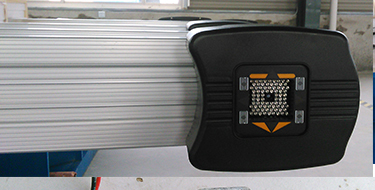
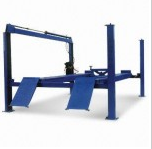
The physical structure of a 3D aligner—specifically the camera beam and the lifting column—must maintain absolute rigidity. Even microscopic flexing in the camera beam during operation will throw off the alignment readings.
When evaluating a factory, look for strict environmental controls in their optical assembly rooms and robust aging tests for electronic components.
Critical Factory-Level Quality Checks
- Optical Sensor Verification: Confirm the origin of the CMOS sensors (often imported from Japan or South Korea for premium models).
- Beam Rigidity Testing: Ensure the camera beam undergoes stress testing to prevent deflection over time.
- Software Licensing: Verify that the vehicle database (e.g., Autodata) is legitimately licensed and supports regular updates.
- Calibration Benchmarks: Check the factory's master calibration rig for ISO certification and traceability.
Implementing rigorous Quality Control & Inspection before shipment is non-negotiable. Pre-shipment inspections should include functional tests of the software interface, verification of camera focus, and structural checks of the mounting hardware.
Sourcing Realities: MOQs, Pricing, and Lead Times
Because wheel alignment machines are high-value, heavy industrial equipment, the sourcing mechanics differ significantly from smaller automotive accessories.
Pricing is heavily dictated by the camera quality and the software package. A common pitfall is negotiating a low unit price only to discover the software database is outdated, pirated, or requires expensive annual unlock fees that were not disclosed upfront.
If you are developing a proprietary brand, leveraging OEM/ODM Services allows you to customize the cabinet design, the software interface, and the target plate branding. However, this level of customization requires thorough Factory Audits to ensure the supplier has genuine in-house R&D capabilities, rather than just assembling off-the-shelf parts.
Ready to scale your automotive equipment brand? We manage the entire process from factory audits to OEM production and final delivery.
Get a free consultationFrequently Asked Questions
Securing reliable wheel alignment equipment is less about finding the cheapest manufacturer and entirely about verifying their technical competence in optics and software integration. A disciplined approach to supplier selection and strict quality oversight ensures your equipment performs accurately in the field, protecting your brand's reputation with professional workshops.
Get Sourcing Help for Wheel Alignment Equipment
Tell us your requirements and our experts will connect you with verified manufacturers.