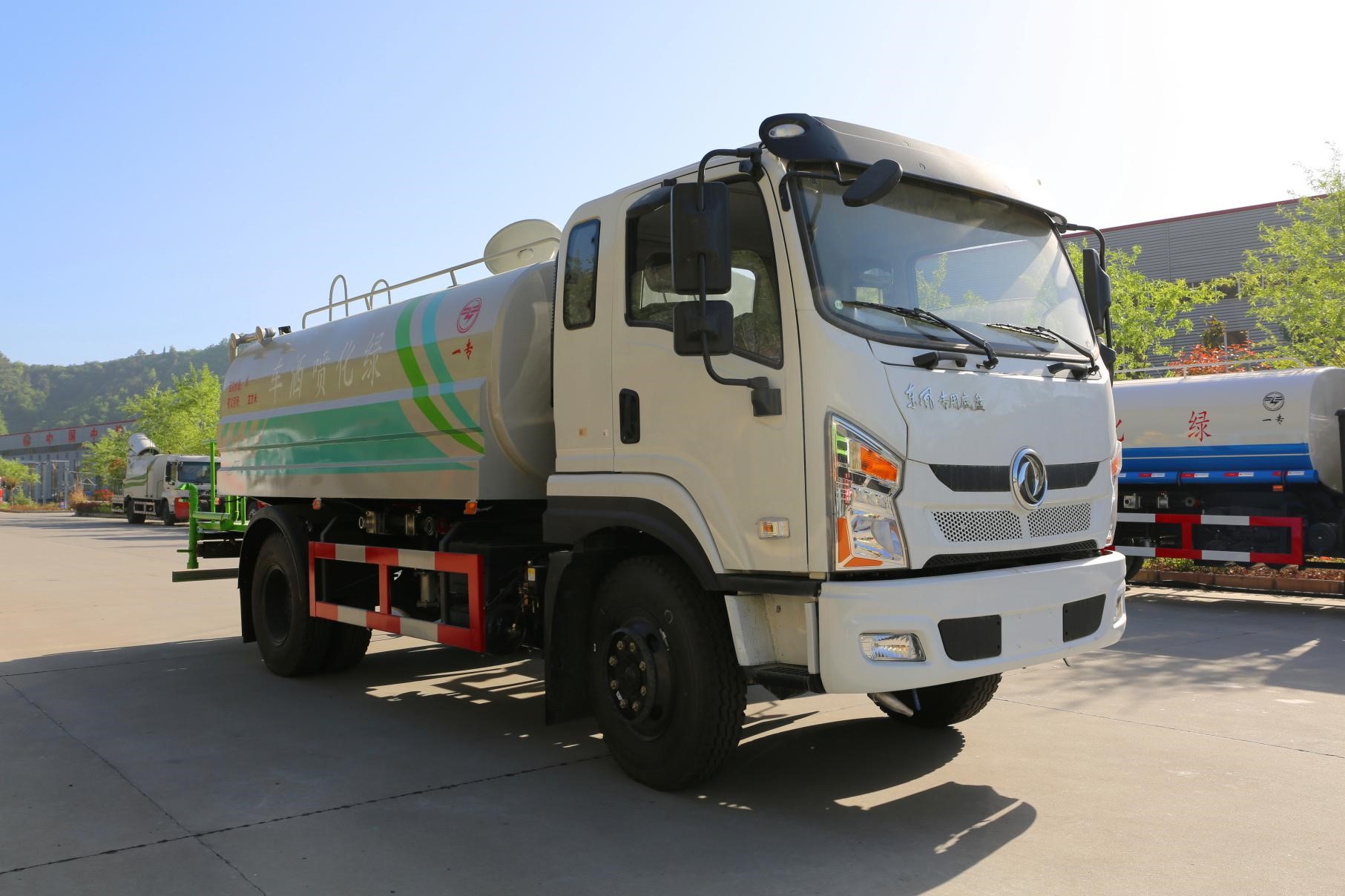
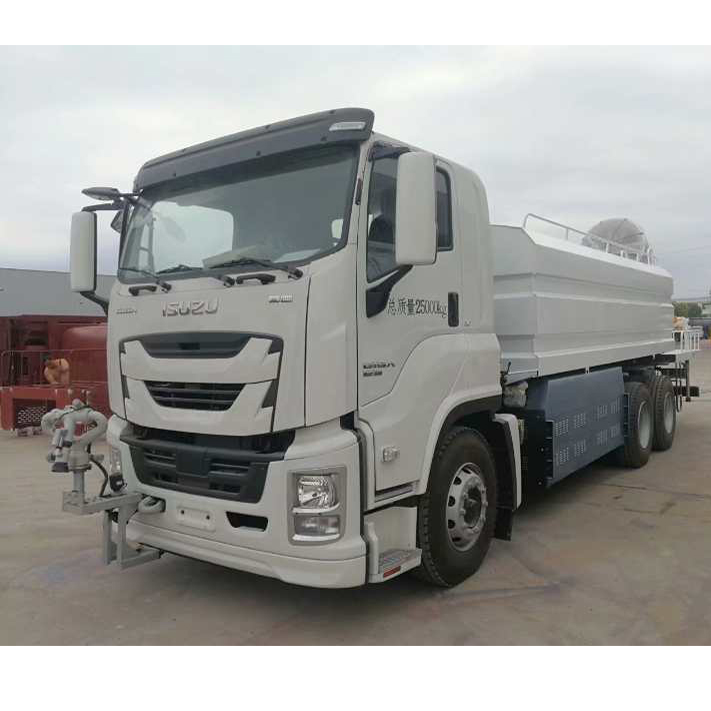
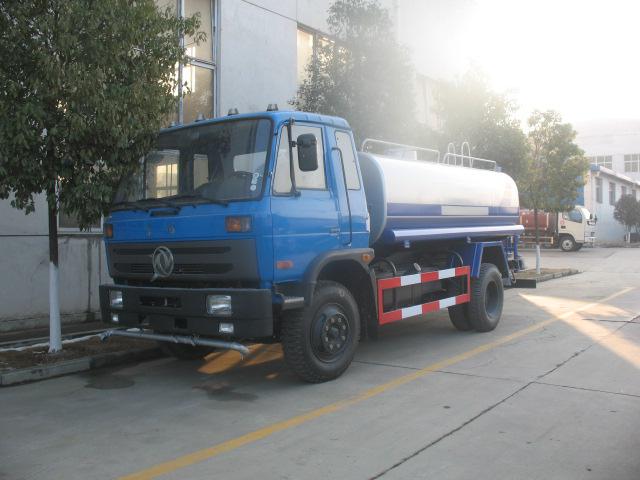
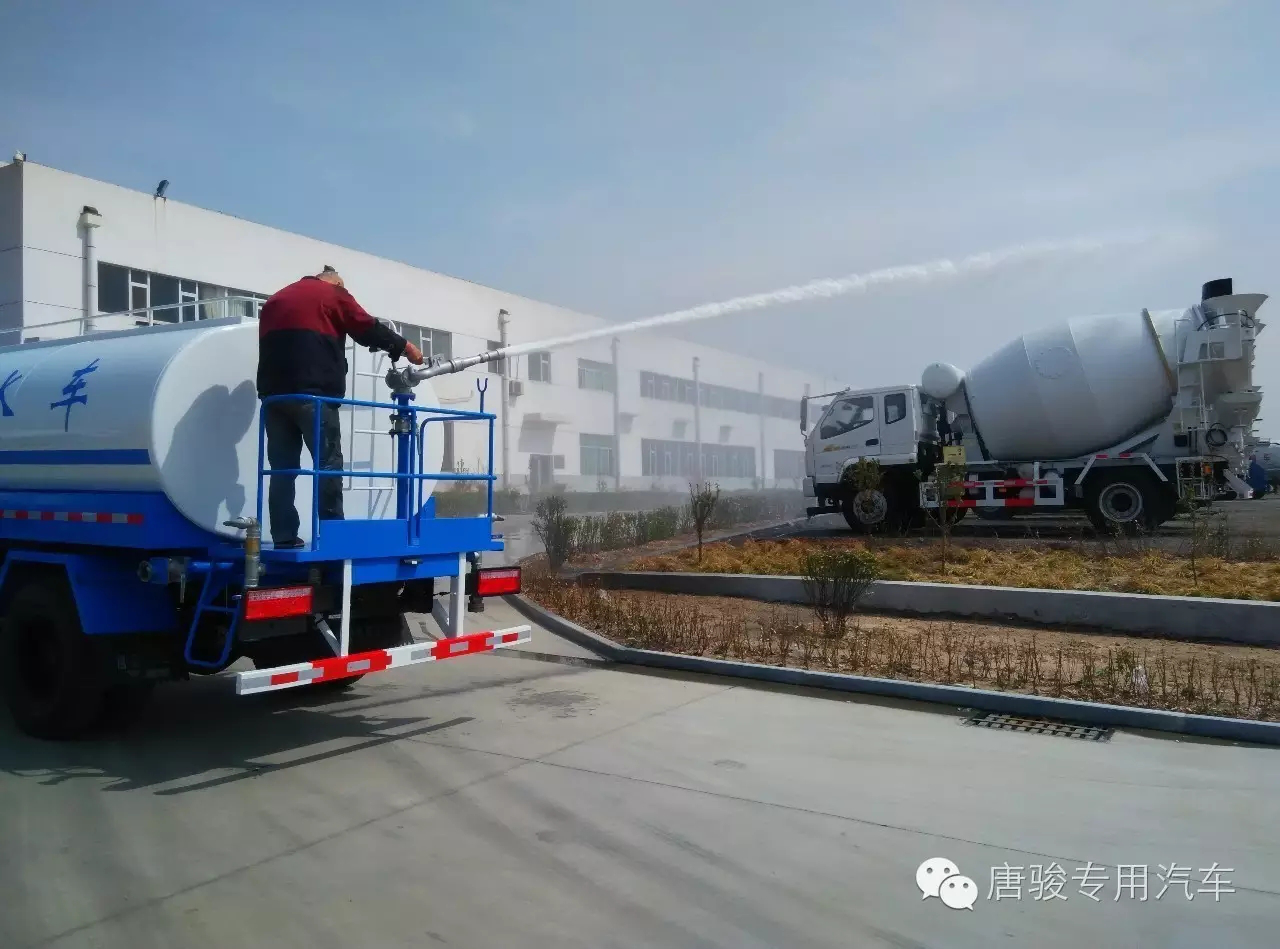
Watering Carts
Source high-quality watering carts directly from vetted suppliers and manufacturers. Designed for importers, wholesalers, distributors, and municipal procurement managers buying in bulk. Explore our network of reliable factories offering OEM and custom production for construction, agricultural, and environmental machinery.
Procuring watering carts for municipal, construction, or agricultural applications requires balancing tank durability with reliable pump and spray systems. Whether you are sourcing towable water bowsers, tractor-pulled units, or small motorized chassis-mounted carts, the primary challenge lies in verifying tank anti-corrosion treatments, pump flow rates, and chassis load capacities before volume commitments are made.
Critical Specifications & Tank Engineering
The core of any watering cart is the tank and pump assembly. Buyers must specify the exact operational requirements to ensure the factory uses the correct steel grade, thickness, and internal coatings. A cart designed for dust suppression on a construction site requires vastly different specifications than one intended for potable water transport or chemical spraying.
Tank Material Selection
The choice of tank material dictates the cart's lifespan, maintenance requirements, and suitable applications.
| Material | Durability | Corrosion Resistance | Typical Application |
|---|---|---|---|
| Carbon Steel (Q235/Q345) | High | Low (Requires epoxy lining) | Construction dust control, street washing |
| Stainless Steel (304/316) | Very High | Excellent | Potable water, food-grade transport |
| Polyethylene (PE) | Medium | Total immunity | Agricultural use, smaller towable carts |
For carbon steel tanks, the internal anti-corrosion treatment is non-negotiable. Without a high-quality epoxy resin or zinc-rich primer coating, internal rust will rapidly degrade the tank and clog the water pump and spray nozzles.
Need help verifying factory engineering capabilities and internal coating standards?
Discuss your technical requirementsManufacturing Tolerances and Quality Control
Watering cart manufacturing in China is highly concentrated in specific industrial hubs, most notably Suizhou in Hubei province, which is recognized as the capital of special-purpose vehicles. While the supply base is vast, quality variance is significant. The most common points of failure are weld porosity, inadequate chassis reinforcement, and sub-standard PTO (Power Take-Off) or independent engine pumps.
Ensuring structural integrity requires strict oversight. Implementing professional Quality Control & Inspection during the manufacturing process—specifically after welding but before painting—is critical to catching defects before they are hidden by cosmetic finishes.
Essential Inspection Points for Watering Carts
- Weld seam integrity: Ultrasonic or X-ray testing on primary tank seams to prevent stress leaks.
- Baffle plate installation: Ensure internal anti-surge baffles are securely welded to prevent dangerous fluid shifting during transit.
- Pump and valve testing: Hydrostatic testing of the plumbing system at maximum pressure to check for seal leaks.
- Coating thickness: Measure internal epoxy coating thickness using a dry film thickness gauge to ensure it meets the specified micron count.
- Chassis and axle load rating: Verify that the running gear matches the fully loaded weight of the tank, not just the empty weight.
Pricing Drivers, MOQs, and Logistics
When sourcing watering carts in bulk, pricing is highly elastic based on component selection. The primary cost drivers are the tank material, the origin of the water pump (domestic Chinese brands vs. imported Japanese or European pumps), and the complexity of the valve and spray system (e.g., automated pneumatic valves vs. manual ball valves).
- Minimum Order Quantities (MOQs): For standard towable water carts or small motorized units, factories typically require an MOQ of 2 to 5 units. For highly customized units requiring OEM/ODM Services, MOQs may increase to 10 units to justify the engineering and tooling adjustments.
- Production Lead Times: Standard configurations generally take 25 to 40 days. Custom builds, especially those requiring specialized stainless steel fabrication or imported pumps, can extend lead times to 60 days.
- Logistics and Freight: Shipping watering carts requires careful planning due to their high volume-to-weight ratio. Smaller towable carts can often be partially disassembled (e.g., removing the drawbar and wheels) to fit efficiently into standard 40HQ containers. Larger, fully assembled motorized units may require Flat Rack containers or RoRo (Roll-on/Roll-off) shipping. Coordinating this efficiently is where robust Shipping & Freight management becomes essential to control landed costs.
Ready to optimize your landed costs and streamline your procurement process?
Get a freight and sourcing quoteFrequently Asked Questions
Sourcing watering carts at scale requires moving beyond basic catalog specifications. By defining exact material grades, insisting on verified anti-surge baffling, and auditing the factory's internal coating processes, buyers can secure highly reliable equipment that performs flawlessly in demanding municipal and construction environments.
Get Sourcing Help for Watering Carts
Tell us your requirements and our experts will connect you with verified manufacturers.