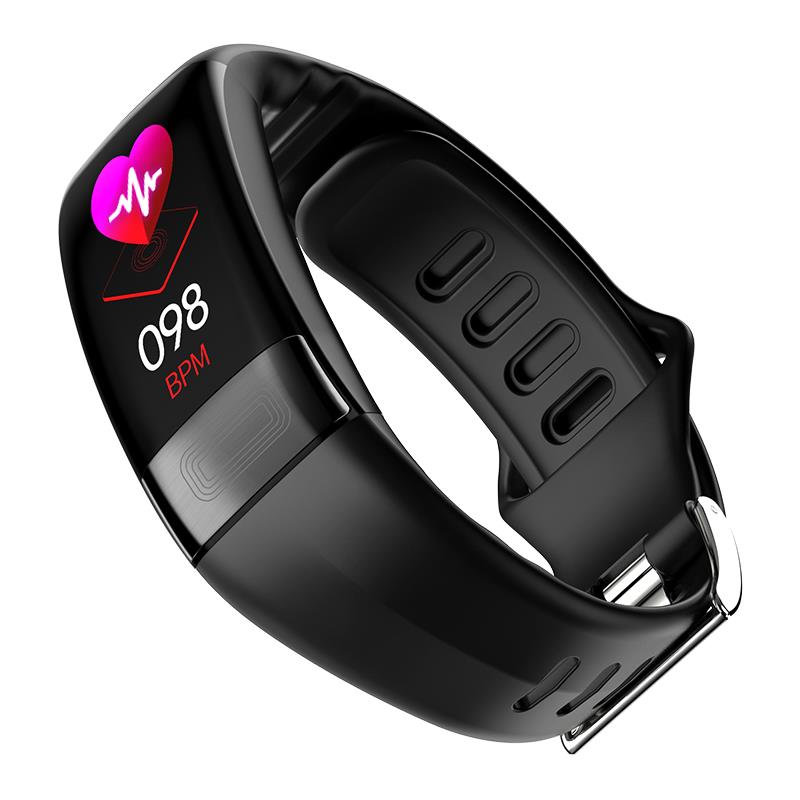
Watch
Source high-quality watches, including smartwatches and digital timepieces, directly from vetted manufacturers and suppliers. Designed for importers, wholesalers, and brands seeking reliable OEM and private-label production, our network delivers scalable manufacturing, rigorous quality control, and competitive bulk pricing.
Sourcing electronic and smart watches at scale requires navigating a highly fragmented supplier base where premium exterior finishes often mask internal component compromises. For volume buyers, success depends on specifying the right Systems on a Chip (SoCs), ensuring robust firmware integration, and verifying accurate sensor performance long before mass production begins.
Core Specifications and Component Selection
The difference between a high-return-rate liability and a category-leading product lies in the bill of materials (BOM). Watch factories generally source core components from specialized upstream providers. You must clearly define your requirements for these internal systems.
- Chipsets (SoC): The main processor dictates UI fluidity, Bluetooth stability (BLE 5.0 and above), and power efficiency. Common suppliers include Realtek, MediaTek, and Nordic Semiconductor. Lower-end generic chips often suffer from connectivity drops and high battery drain.
- Biometric Sensors: Heart rate and blood oxygen tracking rely on Photoplethysmography (PPG) sensors. In cheaper builds, factories may use single-LED sensors or even fake the data algorithmically. Specify multi-LED/photodiode arrays from reputable makers like Goodix or PixArt for functional accuracy.
- Battery and Power Management: Specify high-density lithium-polymer batteries with integrated protection circuit modules (PCM) to prevent overcharging and swelling. Capacity typically ranges from 180mAh to 400mAh, but true battery life depends heavily on SoC efficiency and display type.
| Display Technology | TFT LCD | AMOLED |
|---|---|---|
| Visual Quality | Standard contrast, visible bezels | Deep blacks, infinite contrast, seamless look |
| Power Consumption | High (backlight always on) | Low (pixels illuminate individually) |
| Cost Impact | Low to Medium | High (Premium tier) |
| Sunlight Legibility | Moderate | Excellent (higher peak nits) |
Manufacturing Tolerances and Quality Assurance
Watch assembly requires cleanroom environments to prevent dust intrusion under the display glass. More importantly, structural integrity is paramount for water resistance.
Water resistance is a common failure point. A factory claiming "IP68" must have the equipment to back it up. Proper testing involves air pressure decay machines on the assembly line to test every unit non-destructively, followed by sample batch testing in actual water immersion tanks.
Critical QC Checks for Smart Watches
- Air pressure testing for IP67/IP68 casing integrity
- Screen bonding inspection (checking for light bleed and adhesive gaps)
- Bluetooth signal strength and pairing stability testing
- Battery charge/discharge cycle testing on sample batches
- Companion app synchronization and OTA (Over-The-Air) update verification
To ensure these standards are met without constant travel, implementing professional Quality Control & Inspection protocols at the factory level is essential to catch defects before container loading.
Need to secure reliable smart watch manufacturing? Let's discuss your technical requirements and supplier vetting strategy.
Talk to our teamOEM/ODM Customization and the Software Ecosystem
Hardware is only half the product; the companion smartphone application is critical to user retention. When engaging in OEM/ODM Services, buyers have two primary software paths:
- White-Label Apps: Most factories partner with third-party app developers (e.g., Da Fit, FitCloudPro). You can typically customize the app's UI, logo, and color scheme for a modest fee. This is cost-effective and fast, but you share a backend ecosystem with other brands.
- Custom SDK/API Integration: For enterprise applications or premium brands, the factory must provide the SDK to allow your own development team to build a proprietary app. Ensure the supplier has the in-house engineering capability to support this integration.
On the hardware side, casing materials (zinc alloy, aerospace-grade aluminum, or polycarbonate) and strap materials (fluoroelastomer, silicone, Milanese mesh) are fully customizable but will significantly impact tooling costs and unit pricing.
MOQs, Lead Times, and Pricing Dynamics
Pricing in the watch category is highly elastic, driven entirely by your BOM. A basic TFT-screen fitness tracker with a generic chipset can cost under $10 per unit, while an AMOLED smartwatch with GPS, premium aluminum casing, and medical-grade sensors can easily exceed $40.
Tooling costs for custom watch cases (CNC machining or die-casting molds) typically range from $2,000 to $5,000. If you utilize existing factory molds (ODM) and only customize the software, packaging, and straps, you can bypass these tooling fees entirely.
Looking for accurate pricing based on your custom watch specifications? Connect with our sourcing experts.
Get a free consultationFrequently Asked Questions
Sourcing watches successfully requires looking past the polished exterior to validate the internal architecture, software stability, and manufacturing precision. By specifying exact components and enforcing strict assembly tolerances, you protect your brand from the high return rates that plague generic imports.
Get Sourcing Help for Watch
Tell us your requirements and our experts will connect you with verified manufacturers.