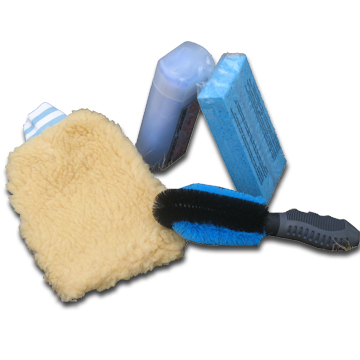
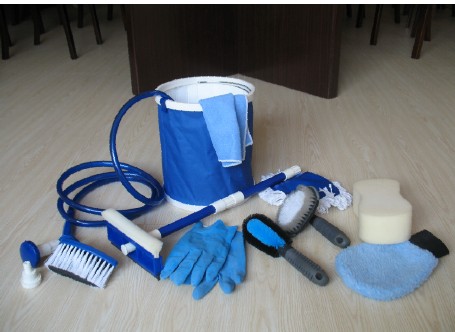
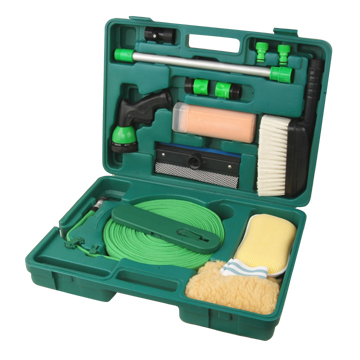
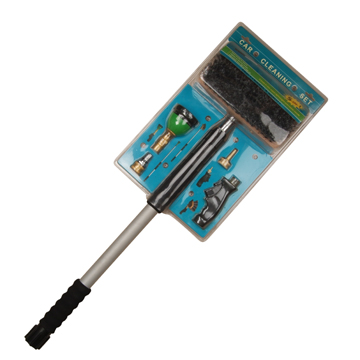
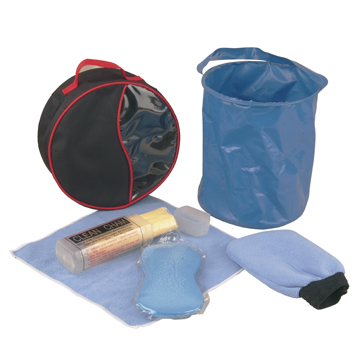
Washing Tool Kits
Source premium car Washing Tool Kits in bulk from vetted manufacturers and suppliers. Designed for automotive importers, wholesale distributors, and detailing brands requiring reliable OEM and private-label production. Secure competitive pricing and consistent quality across complex multi-component kits.
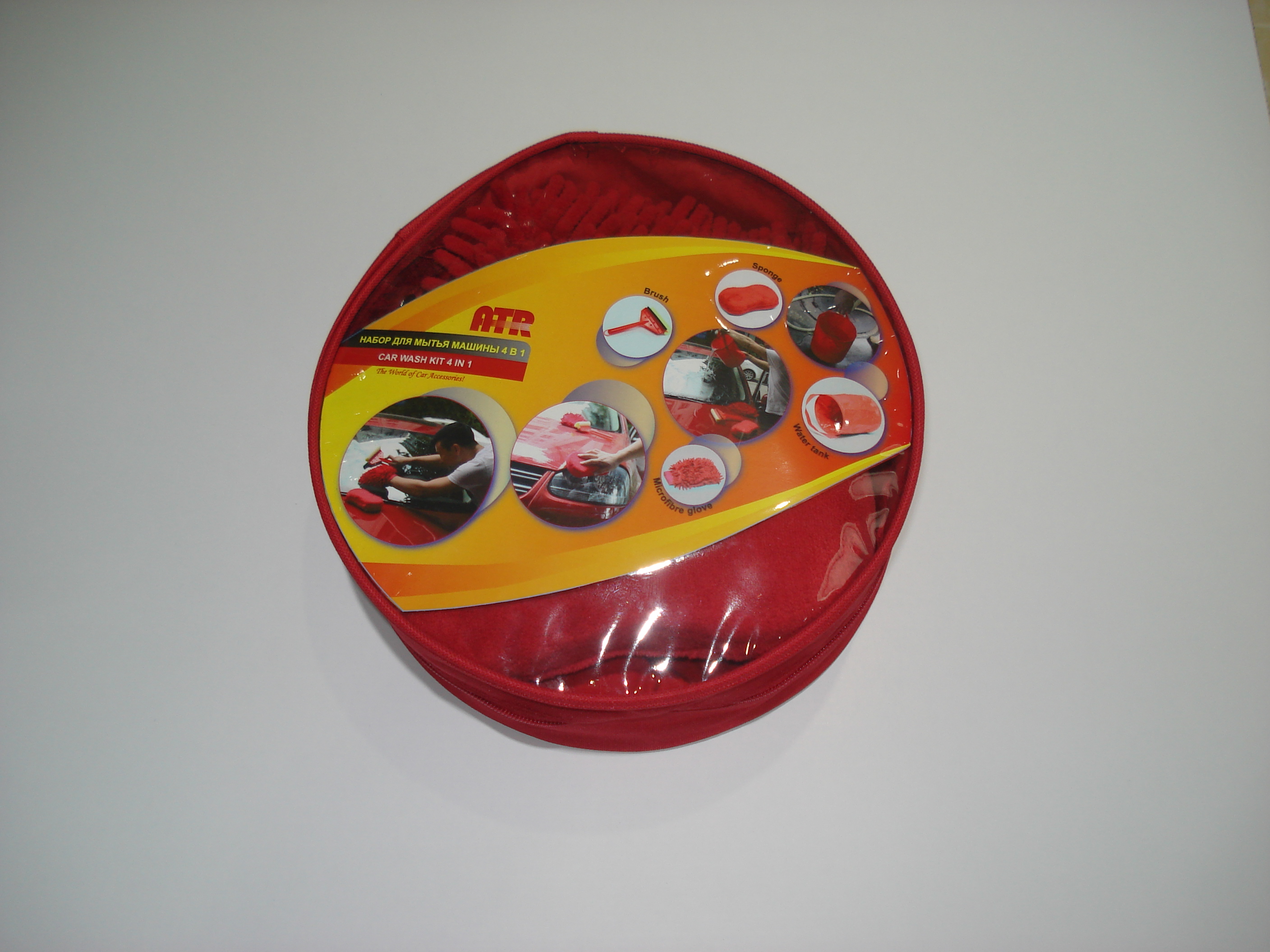
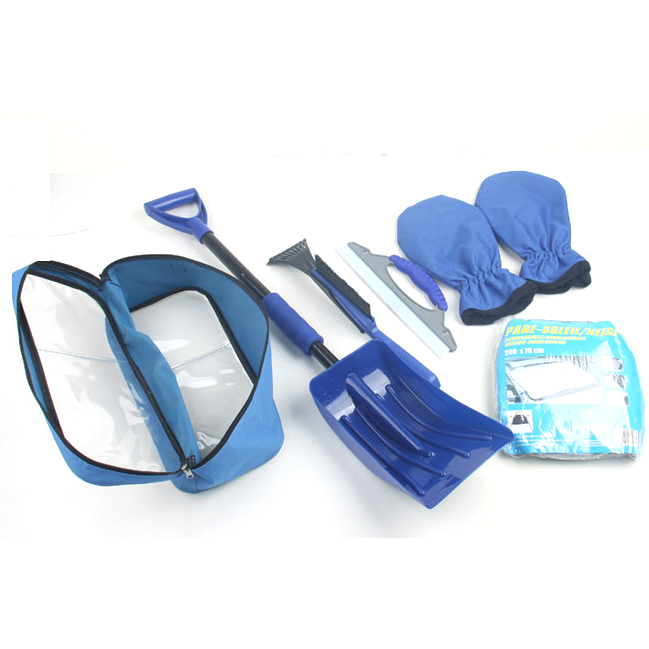
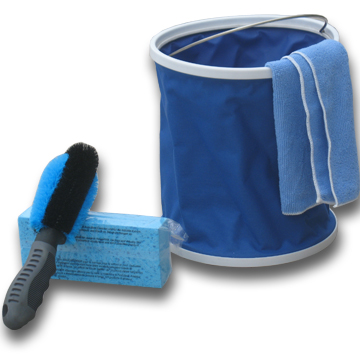
Sourcing automotive washing tool kits in volume presents a unique supply chain challenge: true consolidation. A standard comprehensive kit combines textiles (microfiber towels, wash mitts), molded plastics (buckets, grit guards, squeegees), and specialized synthetics (detailing brushes, applicators). Because manufacturers in Asia typically specialize in a single material category, building a cohesive, retail-ready kit requires coordinating multiple sub-suppliers while maintaining strict quality control and brand consistency across the entire package.
Component Specifications & Material Tolerances
The perceived value of a washing tool kit is dictated by the quality of its individual components. Buyers must define strict technical specifications for each item to prevent factories from substituting lower-grade materials to pad margins.
Microfiber Textiles (Towels and Mitts)
Microfiber quality is measured by its blend ratio (Polyester to Polyamide) and its weight in Grams per Square Meter (GSM). A higher polyamide content increases water absorption and softness, while a higher GSM indicates a thicker, plusher towel.
| Specification | Standard Grade (Economy) | Premium Grade (Detailer) |
|---|---|---|
| Blend Ratio (PE/PA) | 85/15 or 80/20 | 70/30 |
| Drying Towel Weight | 300 - 400 GSM | 600 - 1200 GSM |
| Wash Mitt Lining | Non-woven fabric | Double-stitched cotton/mesh |
| Edge Finishing | Overlock stitched | Silk-banded or Edgeless (Ultrasonic cut) |
Detailing Brushes and Plastics
For brushes, chemical resistance is critical. Wheel cleaners and heavy degreasers are highly alkaline and will melt or deform cheap synthetic bristles. Specify PET (Polyethylene Terephthalate) or natural boar's hair for exterior detailing brushes. For molded components like wash buckets and grit guards, require impact-resistant Polypropylene (PP) rather than brittle recycled ABS, which is prone to cracking during cold-weather shipping.
Struggling to standardize quality across multiple kit components? Let us manage the sub-supplier coordination for you.
Talk to our teamThe Consolidation Challenge in Kit Manufacturing
When you order a 10-piece washing kit, you are rarely buying from a single manufacturer. Usually, a trading company or a primary factory (often the textile or packaging producer) acts as the assembler, sourcing the remaining components from their local network.
If you are developing a custom-branded kit, utilizing OEM/ODM Services ensures that all sub-components meet your exact specifications before assembly. Without oversight, the primary factory may source sub-components based on lowest cost rather than your approved samples, leading to color-matching failures (e.g., your brand's blue microfiber not matching the blue plastic bucket) or inconsistent branding application.
Packaging Integrity
Bulky, multi-component kits are notoriously difficult to pack efficiently. Improperly packed kits result in crushed bristles, permanently creased foam applicators, and high volumetric shipping weights. Specify vacuum-sealing for textiles and nesting for rigid plastics to optimize freight density.
Quality Control for Multi-Component Kits
Inspecting a compiled kit requires verifying both the individual items and the final assembly. Catching defects before the kits are sealed in retail packaging is essential. Implementing rigorous Quality Control & Inspection at the assembly stage prevents costly rework.
Pre-Shipment Inspection Focus Areas
- Linting and colorfastness tests on microfiber components (AATCC standards).
- Pull-tests on detailing brush ferrules to ensure bristles do not shed.
- Drop tests on buckets and hard plastics to verify impact resistance.
- Visual inspection of logo alignment (silk screen, laser engraving, or embroidery) across disparate materials.
- BOM (Bill of Materials) verification to ensure no kit components are missing prior to sealing.
MOQs, Lead Times, and Pricing Dynamics
Pricing for washing tool kits is highly variable based on the number of components and the packaging requirements. Often, the Minimum Order Quantity (MOQ) is dictated not by the tools themselves, but by the custom packaging (such as a custom-printed EVA case or full-color retail box). Integrating Branding & Design early in your sourcing process helps align your packaging vision with realistic factory MOQs.
Ready to build a custom washing tool kit? We can help you source, consolidate, and inspect your order directly from vetted manufacturers.
Get a free consultationFrequently Asked Questions
Consolidating washing tool kits requires balancing technical material specifications with complex supply chain coordination. By treating the kit as a carefully engineered assembly rather than a simple bundle of goods, buyers can secure better pricing, eliminate shipping inefficiencies, and deliver a superior product to the market.
Get Sourcing Help for Washing Tool Kits
Tell us your requirements and our experts will connect you with verified manufacturers.