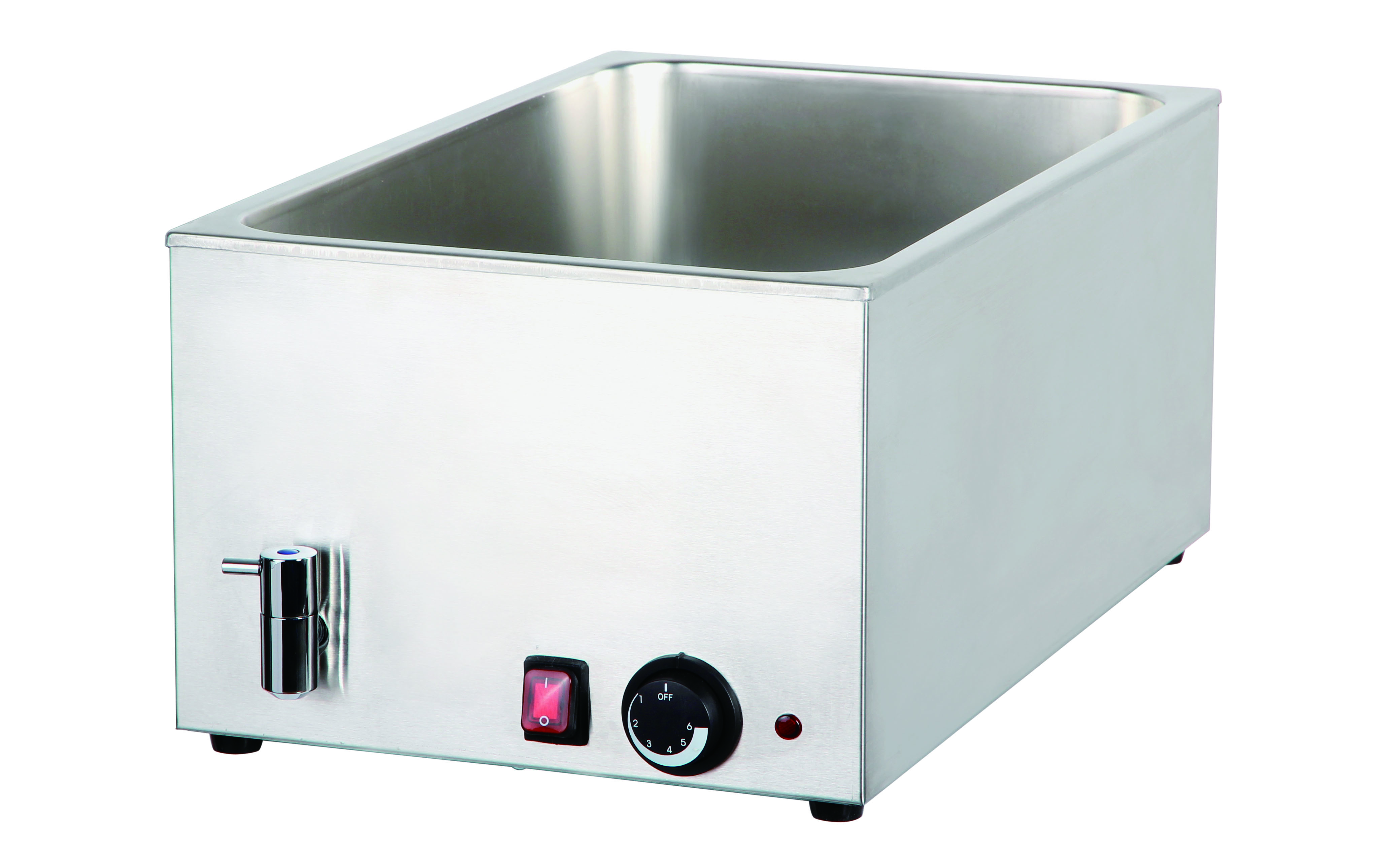
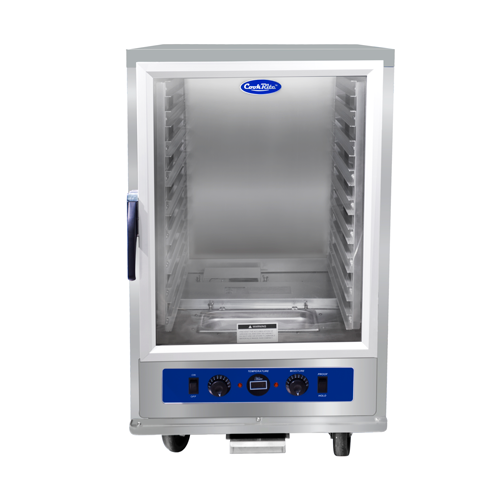
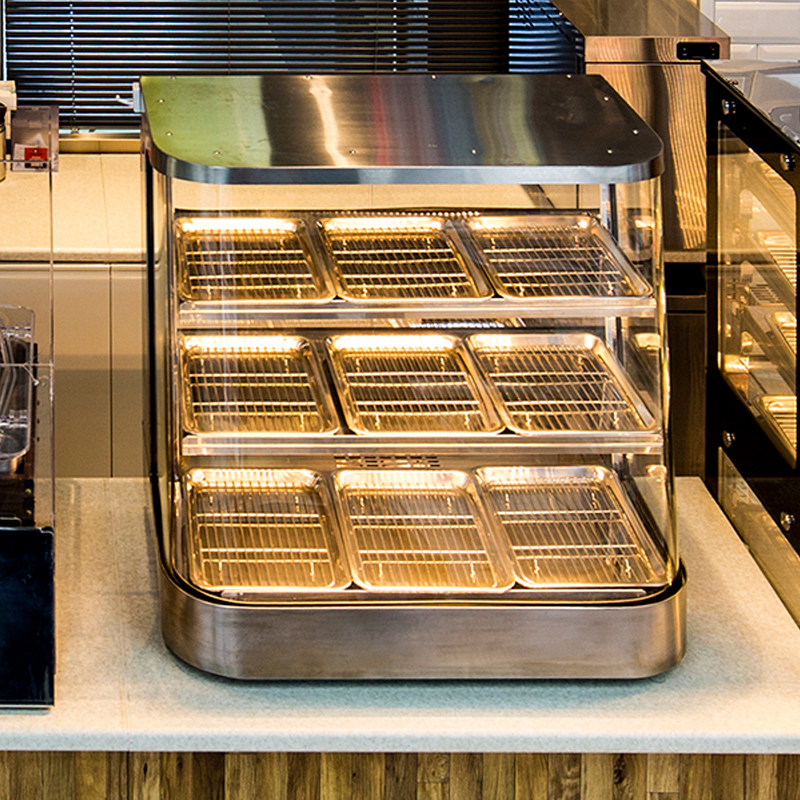
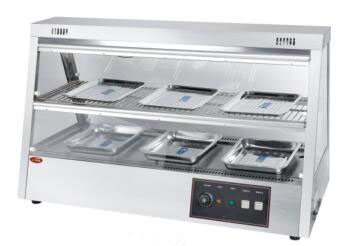
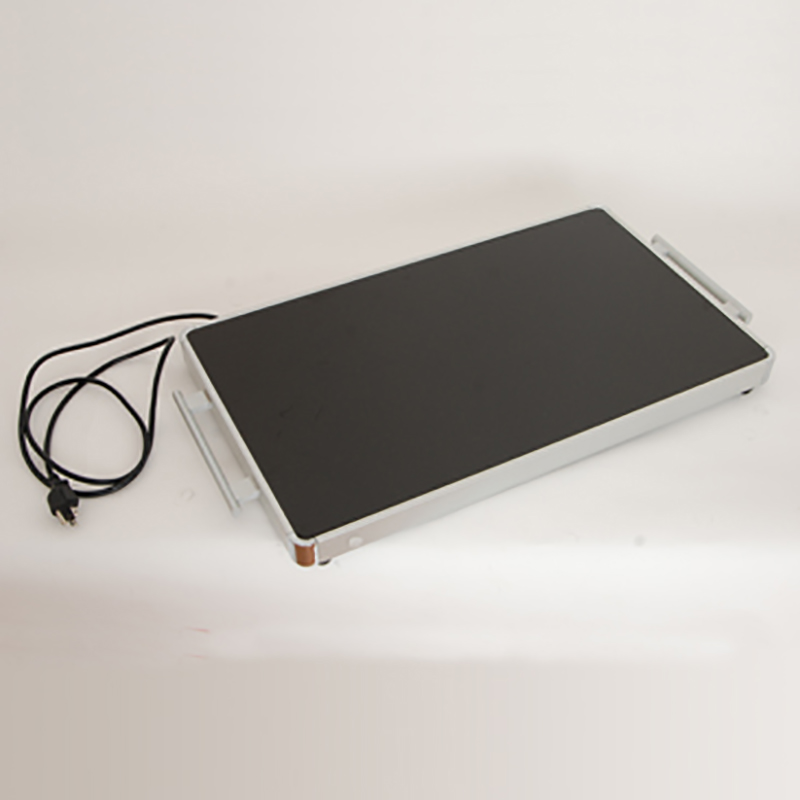
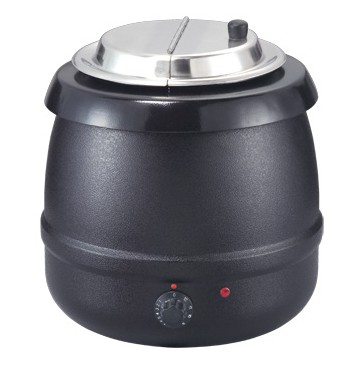
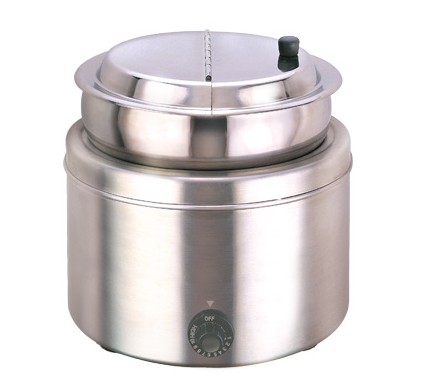
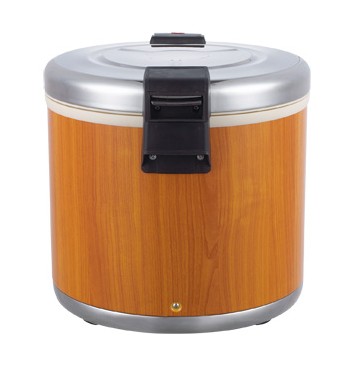
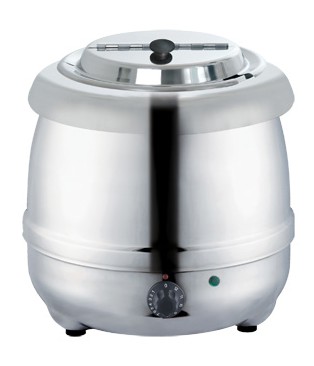
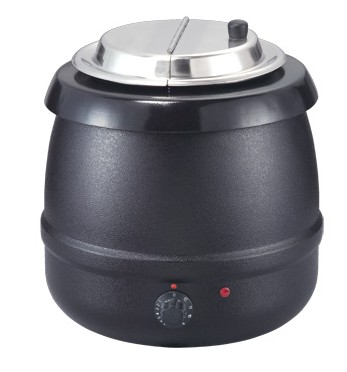
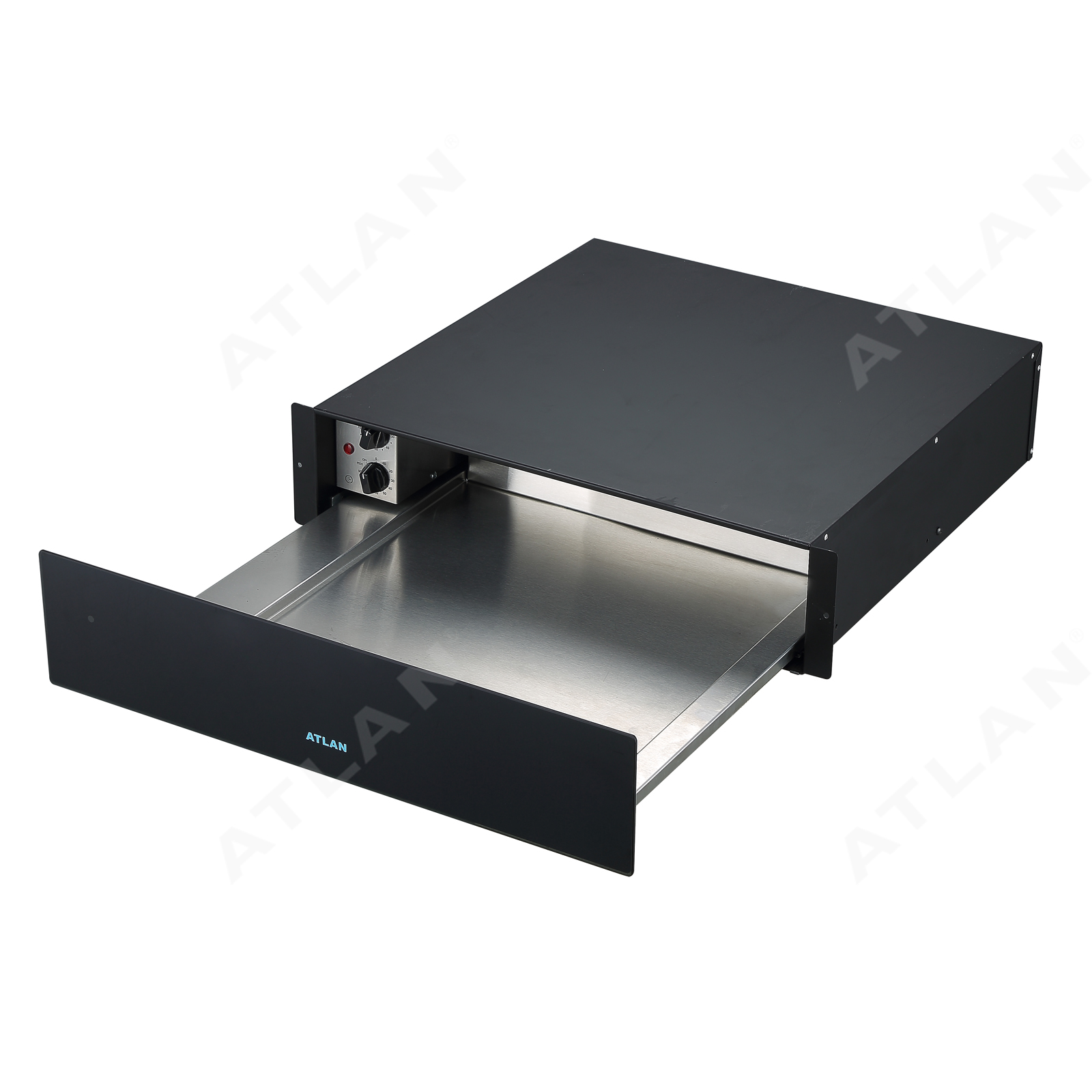
Warming & Holding Equipment
Source commercial warming and holding equipment directly from vetted manufacturers and suppliers. Designed for importers, restaurant supply distributors, and brands seeking OEM or private-label production, our bulk catalog ensures consistent temperature control, reliable build quality, and full compliance for your market.
Sourcing commercial warming and holding equipment is a high-stakes balancing act between thermal efficiency, strict food safety regulations, and unit cost. Whether you are importing full-size holding cabinets for institutional kitchens or countertop warmers for catering distributors, success depends on specifying the right materials, understanding heating element performance, and validating the factory's electrical safety standards before production begins.
Specifying Commercial Warming & Holding Equipment
The core function of this equipment is maintaining food at safe serving temperatures (typically between 60°C and 90°C) without continuing the cooking process or drying the product out. To achieve this reliably across hundreds of units, buyers must dictate specific material and component standards to the manufacturer.
Stainless Steel Grades
Manufacturers often quote baseline prices using 201 stainless steel. While acceptable for exterior panels or dry-warming applications, 201 is prone to pitting and rust in high-moisture environments. For humid holding cabinets or steam tables, specifying 304 stainless steel for the interior chamber is non-negotiable.
| Material Grade | Corrosion Resistance | Best Application | Cost Impact |
|---|---|---|---|
| 304 Stainless Steel | High (resists salt/acid) | Humid holding cabinets, steam tables | Premium (adds 20-30%) |
| 201 Stainless Steel | Low to Moderate | Dry warming showcases, exterior panels | Standard (Baseline) |
| 430 Stainless Steel | Moderate | Decorative exteriors, low-moisture zones | Mid-range |
Insulation and Heating Elements
A common defect in lower-tier holding cabinets is uneven heat distribution caused by poor insulation. High-density polyurethane foam injection is critical; any voids in the foam will create cold spots, leading to food safety violations and excessive energy consumption. Furthermore, you must specify the type of heating element. Tubular heating elements are durable and standard for heavy-duty use, while PTC (Positive Temperature Coefficient) ceramics offer rapid, self-regulating heat for smaller countertop displays.
Manufacturing Quality and Compliance
Warming equipment is heavily regulated. Depending on your target market, units will need electrical safety certifications (CE, UL, ETL) and food sanitation approvals (such as NSF in North America). Never assume a factory holds these certifications by default. Validating these credentials and arranging proper compliance testing is a critical step in the sourcing process.
Relying solely on a final inspection is risky for electrical equipment. Implementing rigorous quality control during assembly ensures that critical, hidden components are installed correctly.
Critical Factory Inspection Points
- Insulation void checks: Ensure foam injection is uniform to prevent cabinet cold spots.
- Thermostat calibration: Verify that the actual chamber temperature matches the external dial or digital readout.
- Dielectric strength (Hi-Pot) testing: Mandatory electrical safety check for high-wattage commercial kitchen equipment.
- Weld finishing: Seams must be ground smooth and polished to meet commercial food safety standards.
Need reliable manufacturers for commercial kitchen equipment? We vet suppliers, verify certifications, and manage quality control on the factory floor.
Talk to our teamSourcing Hubs & Supplier Capabilities
China's commercial kitchen equipment manufacturing is highly regionalized. Guangdong province (particularly Shunde and Guangzhou) is the primary hub for electrical commercial appliances, offering advanced control boards and refined finishes suitable for front-of-house displays. Conversely, Shandong province (specifically Boxing County) is the epicenter for heavy stainless steel fabrication, often providing more cost-effective solutions for back-of-house holding cabinets and heavy-duty steam tables.
Because capabilities vary wildly between a specialized commercial appliance manufacturer and a general stainless steel fabricator, conducting thorough factory audits is essential to confirm they have the correct testing equipment and assembly lines for your specific product type.
MOQs, Lead Times, and Pricing Dynamics
Pricing in this category is driven by the sheer volume of stainless steel used, the complexity of the digital controllers, and the cost of certified electrical components.
When negotiating MOQs, consider container utilization. Large holding cabinets ship fully assembled and take up significant cubic volume. Working with your supplier to optimize the mix of large and small units in a single container can drastically reduce your landed cost per unit.
Optimize your container loads and negotiate better MOQs with our end-to-end sourcing and supply chain services.
Get a free consultationFrequently Asked Questions
Sourcing commercial warming and holding equipment requires a strict focus on material integrity and electrical safety. By specifying exact component grades and holding factories accountable to international compliance standards, you can build a resilient, profitable product line.
Get Sourcing Help for Warming & Holding Equipment
Tell us your requirements and our experts will connect you with verified manufacturers.