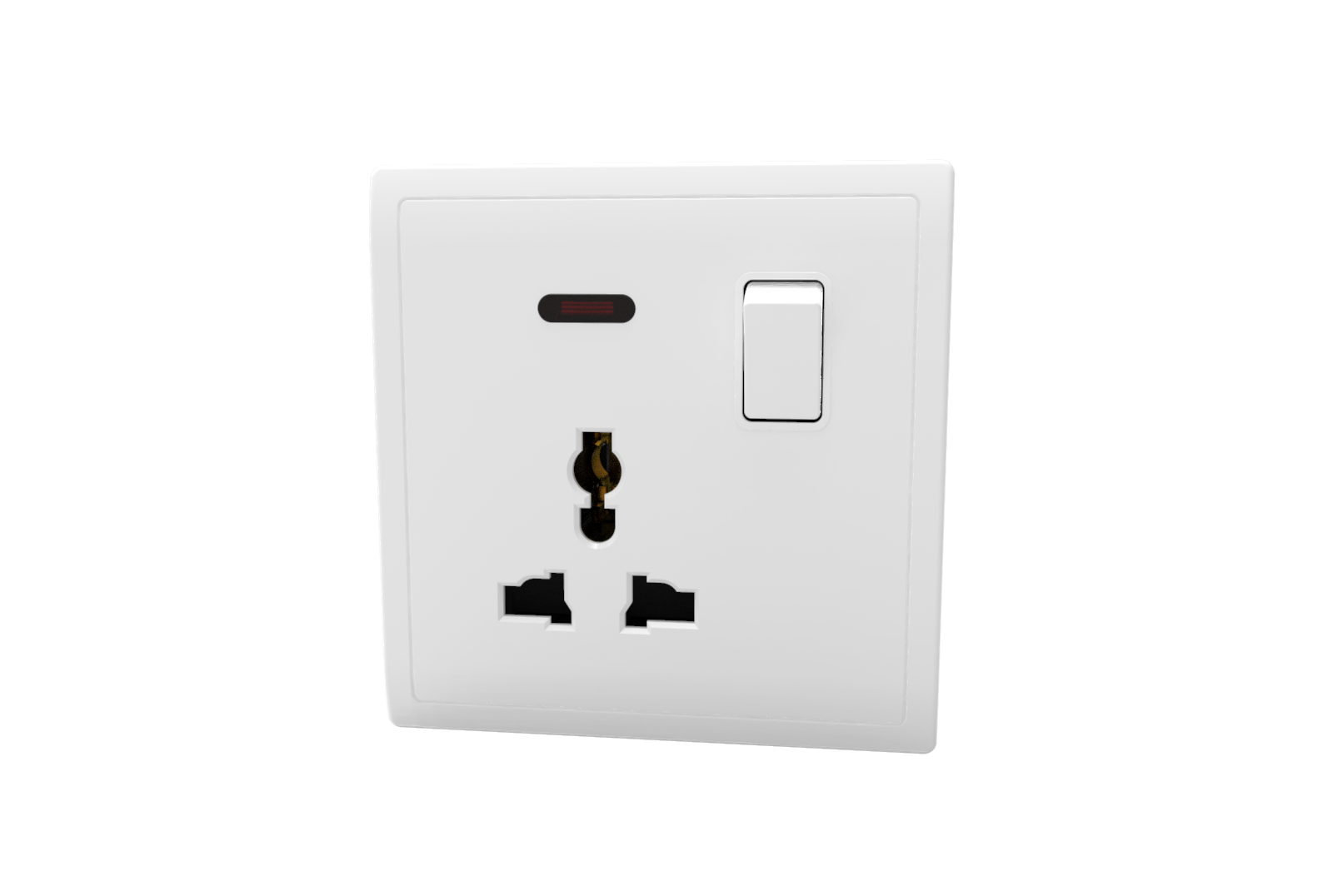
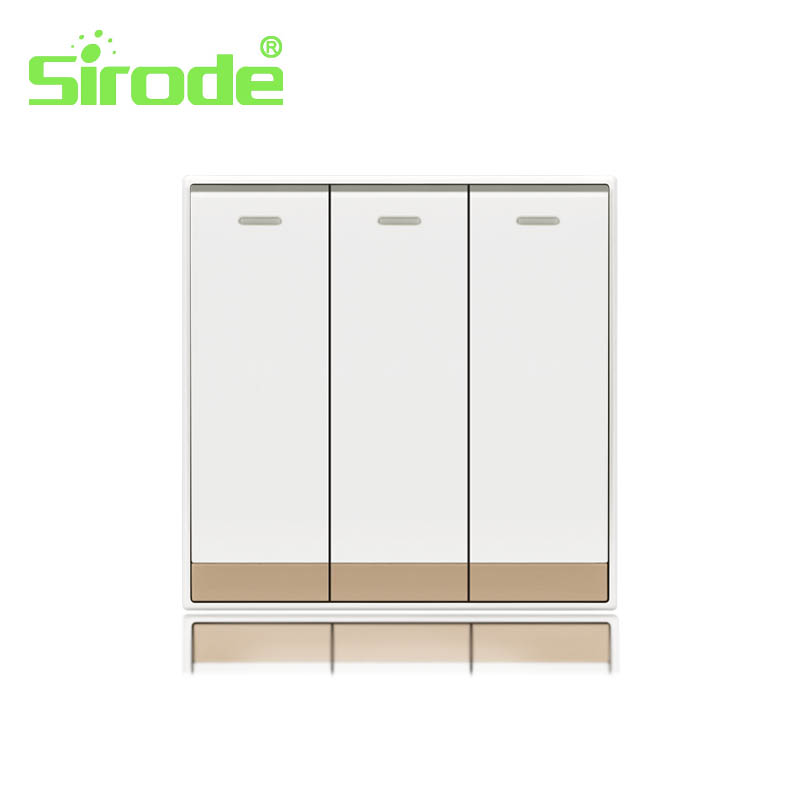
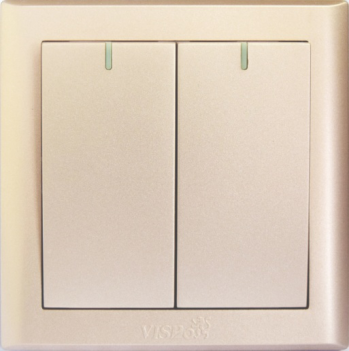
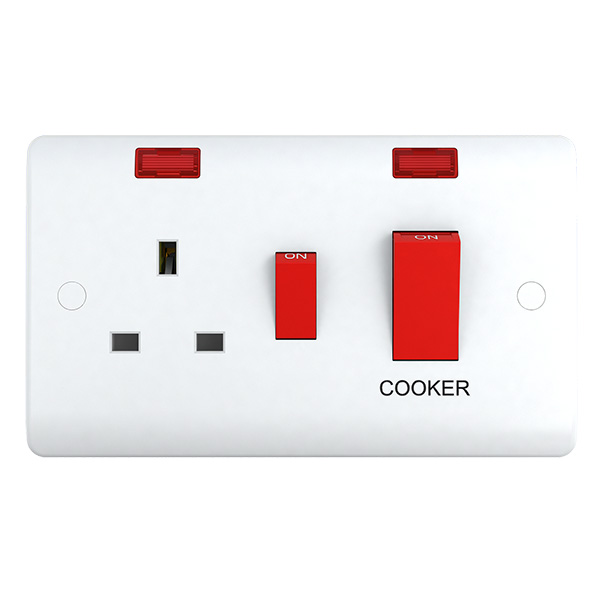
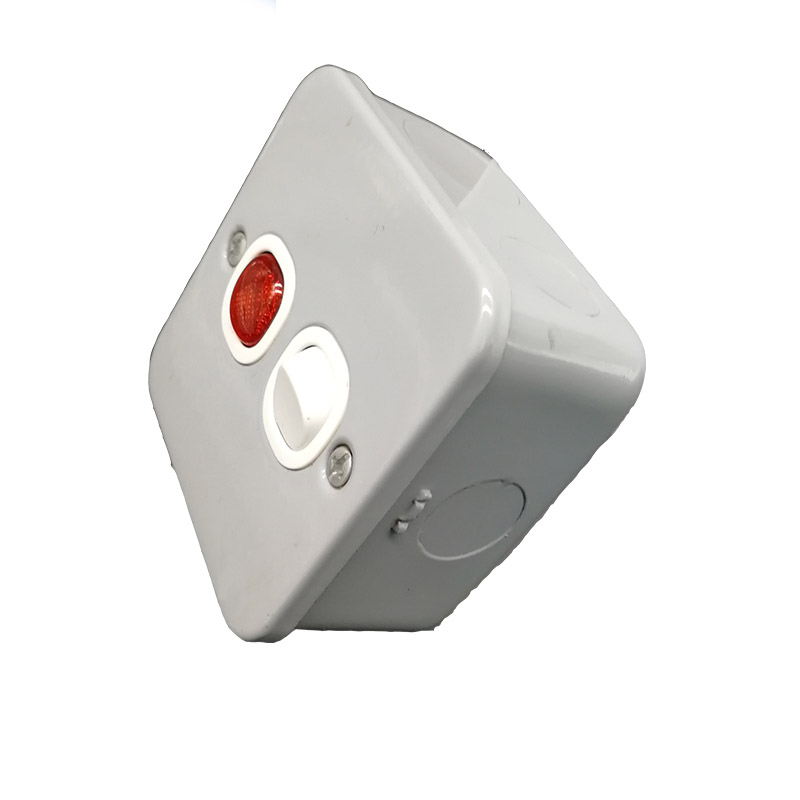
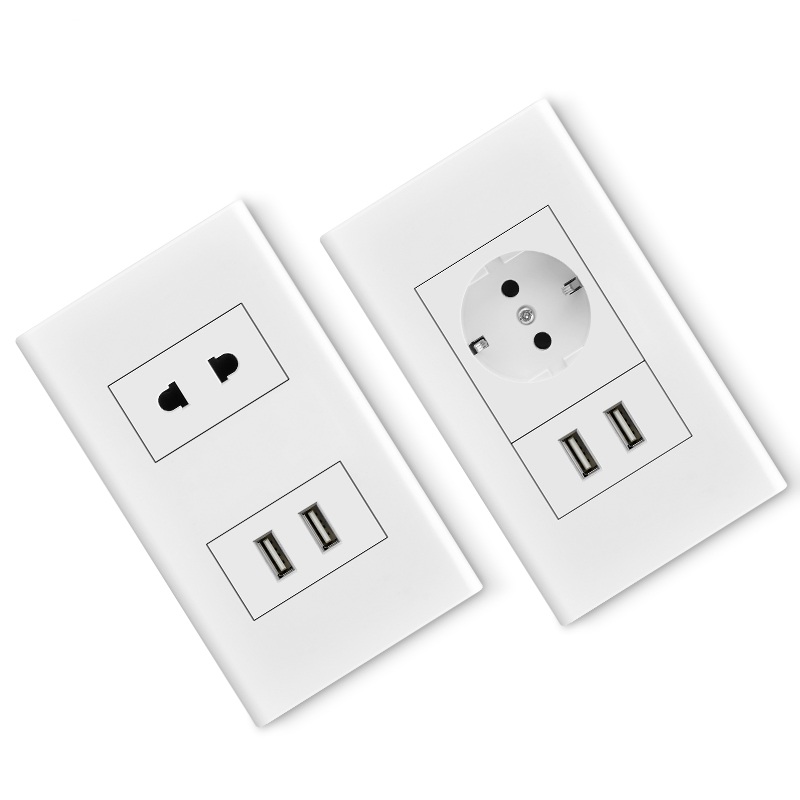
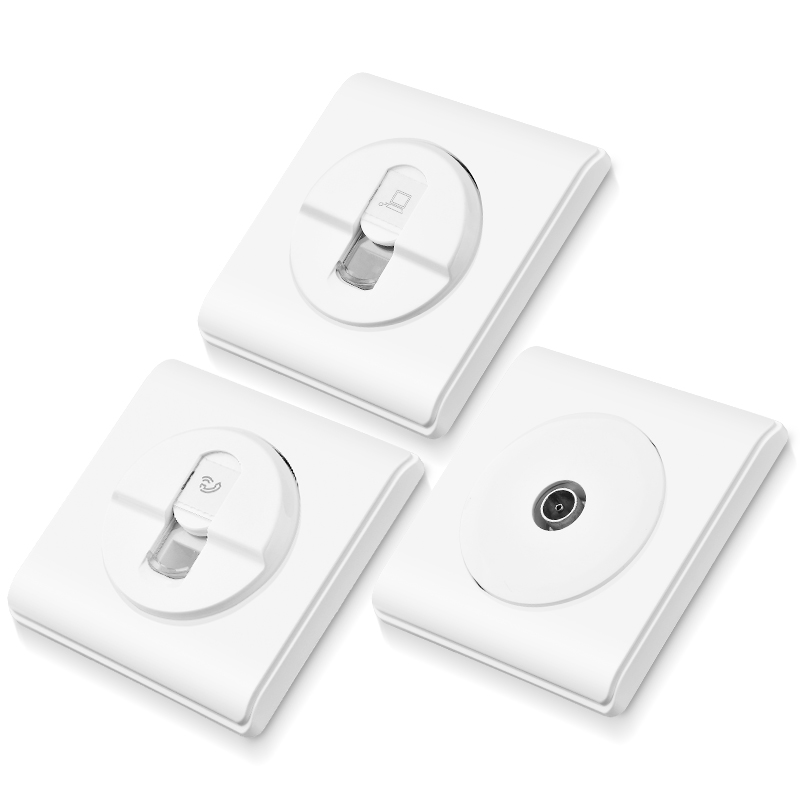
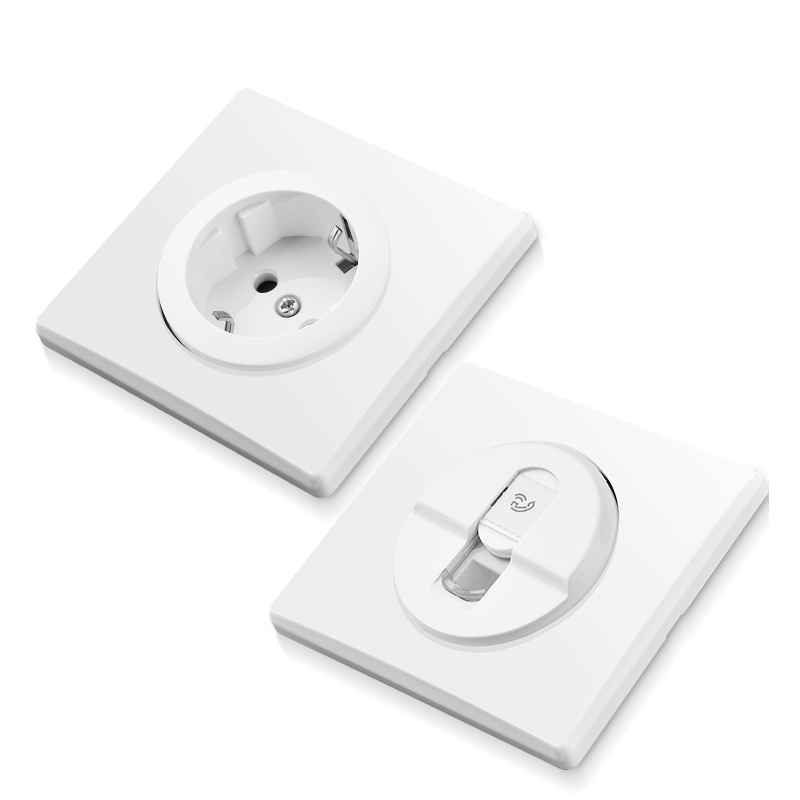
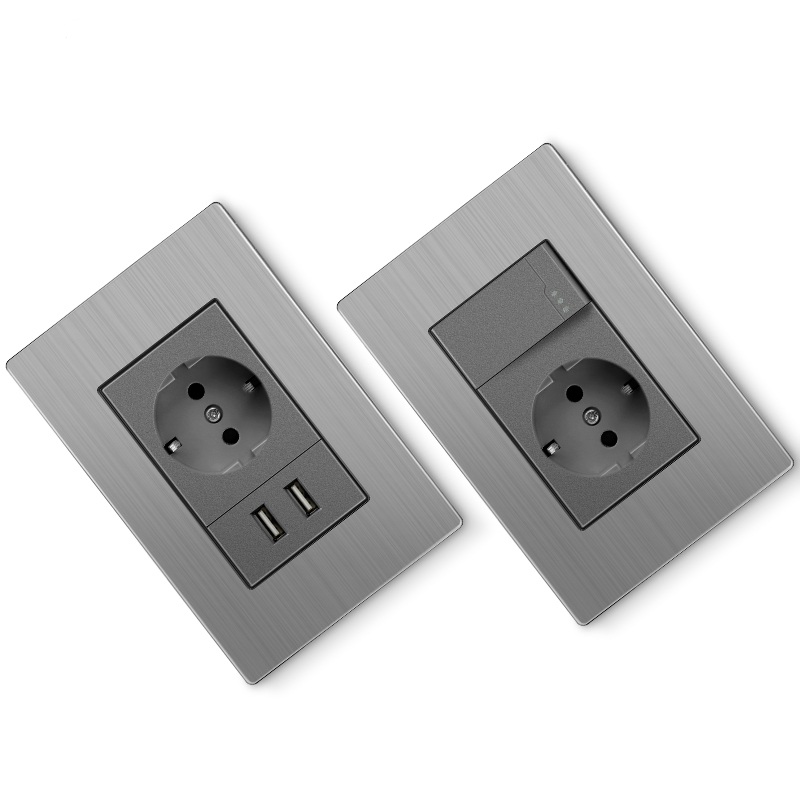
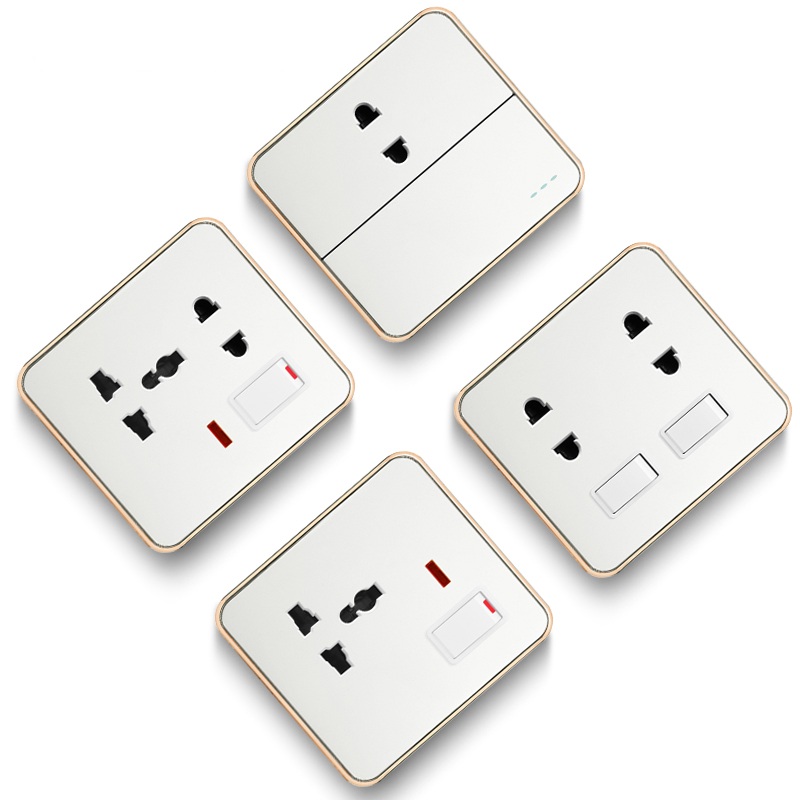
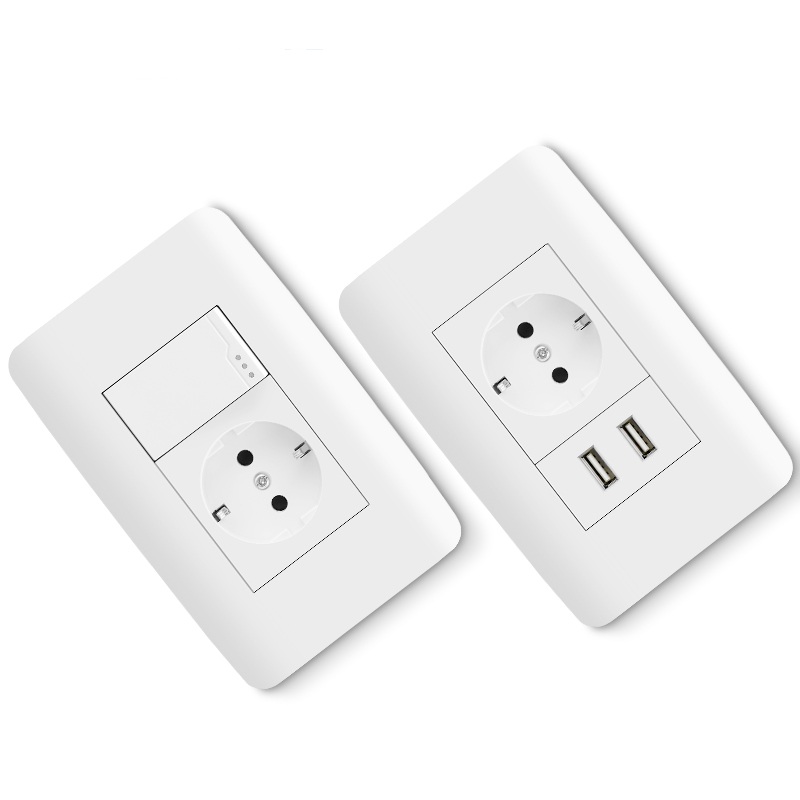
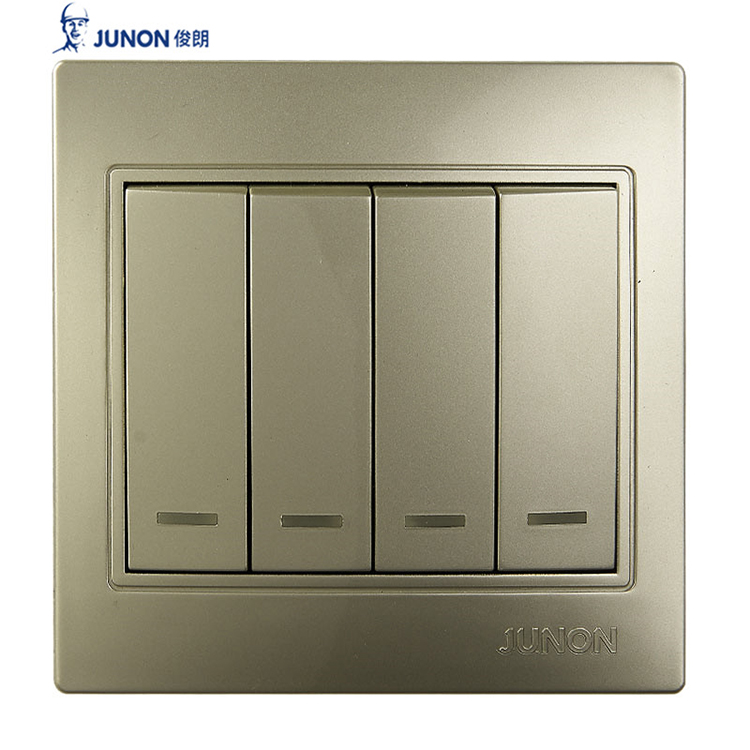
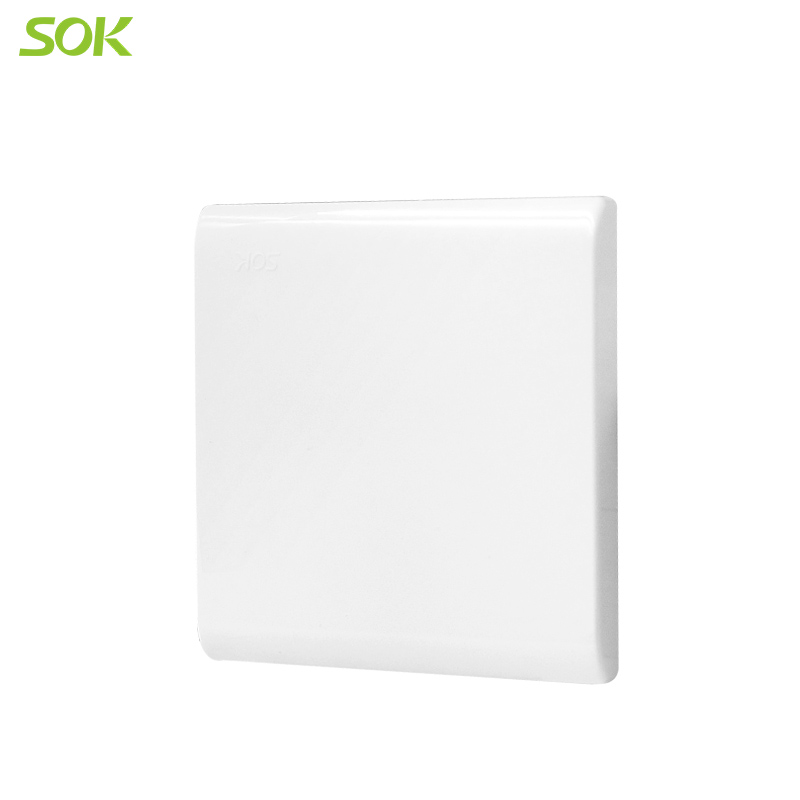
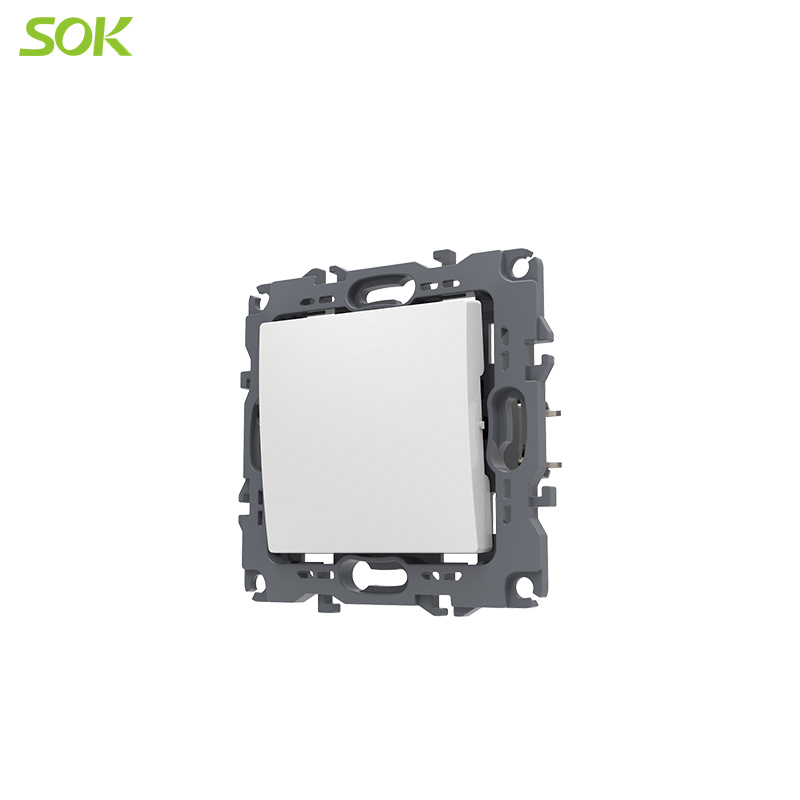
Wall Switches
Source high-quality wall switches from vetted manufacturers and wholesale suppliers across Asia. This catalog is designed for electrical importers, wholesale distributors, and brands requiring reliable bulk purchasing or custom OEM production. Partner with verified factories to secure scalable, compliant electrical solutions for your target market.
Sourcing wall switches at volume requires a careful balance between aesthetic design trends—such as frameless glass panels or matte metallic finishes—and uncompromising electrical safety standards. The primary challenge in this category is not finding a supplier, but identifying a manufacturer whose internal mechanisms match the quality of their external casings, and who can consistently meet the strict regulatory requirements of your destination market.
Critical Specifications and Materials
When negotiating with a factory, the external appearance is only a small part of the specification sheet. The longevity, safety, and tactile feel of a wall switch are determined by the internal components and the raw materials used. Relying on default factory specifications often leads to inconsistent quality across production runs.
Key Specifications to Define with Your Supplier
- Faceplate Material: Specify flame-retardant Polycarbonate (PC) rather than cheaper ABS, which yellows over time and poses a higher fire risk.
- Contact Points: Demand silver alloy contacts rather than pure copper or brass. Specify the exact thickness of the silver layer to ensure longevity under load.
- Terminal Design: Opt for saddle terminals or pillar terminals with thick brass screws to prevent wire stripping during installation.
- Mechanism Spring: Specify fatigue-resistant stainless steel springs to maintain a crisp switching action over tens of thousands of cycles.
- Current Rating: Clearly define the required amperage (e.g., 10A, 15A, or 20A) and ensure the internal copper thickness corresponds to the rating.
Need help verifying component quality and negotiating technical specifications with switch manufacturers?
Talk to our teamQuality Control and Compliance Standards
Electrical switches carry significant liability. A single batch failure can result in product recalls or severe safety hazards. Manufacturers often display a wide array of certification logos, but it is entirely up to the buyer to verify that these certificates are valid, up-to-date, and applicable to the specific product model you are purchasing.
Before committing to a bulk order, verifying the supplier's production environment through comprehensive Factory Audits is essential. You must assess their injection molding capabilities, automated assembly lines, and internal testing laboratories.
Certification Verification
Never accept a CE, UL, or SAA certificate at face value. Always request the full test report and verify the certificate number with the issuing laboratory. If you are modifying the design or materials, you will likely need to engage in independent Compliance & Testing to ensure the new configuration remains compliant.
During production, ensure your inspection protocols cover high-voltage resistance testing, temperature rise testing, and mechanical endurance testing. Catching a weak spring or a misaligned contact point requires rigorous in-line inspection before the units are sealed and packaged.
Pricing Drivers, MOQs, and Lead Times
The cost of a wall switch is heavily influenced by the weight of the brass and copper used internally, the quality of the plastic polymers, and the complexity of the design. Standard white PC switches are highly commoditized, whereas custom-colored, glass, or smart-enabled switches command higher margins but require larger upfront investments.
| Feature | Standard Configuration | Premium / Custom OEM |
|---|---|---|
| Faceplate | Standard white PC or ABS | Tempered glass, brushed aluminum, or custom matte PC |
| Internal Conductors | Thin brass, standard copper | Thick phosphor bronze, optimized for high current |
| Tooling & Molds | Existing public factory molds | Custom private molds owned by the buyer |
Typical minimum order quantities (MOQs) depend heavily on the level of customization. Purchasing off-the-shelf designs with custom packaging generally requires lower commitments than developing a completely new faceplate mold.
Looking for transparent pricing, accurate lead times, and reliable quality control for your next volume order?
Get a free consultationFrequently Asked Questions
Successfully sourcing wall switches at scale means looking past the external finish to rigorously control the unseen components. By defining precise material specifications, enforcing strict compliance validation, and maintaining active oversight on the factory floor, you can build a reliable supply chain that protects your brand and your end-users.
Get Sourcing Help for Wall Switches
Tell us your requirements and our experts will connect you with verified manufacturers.