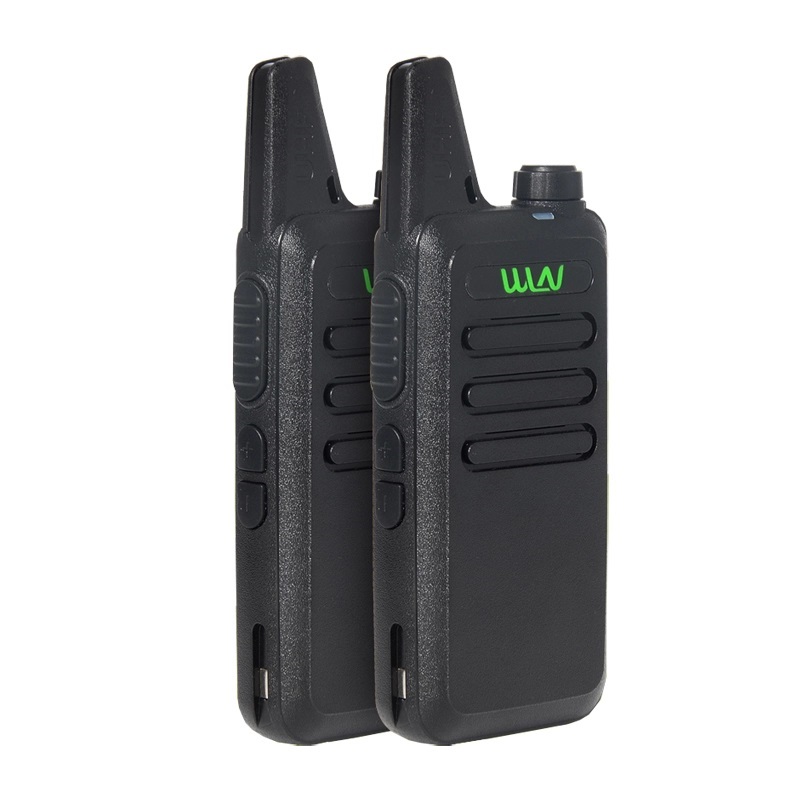
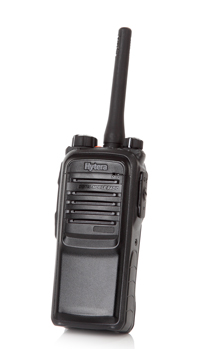
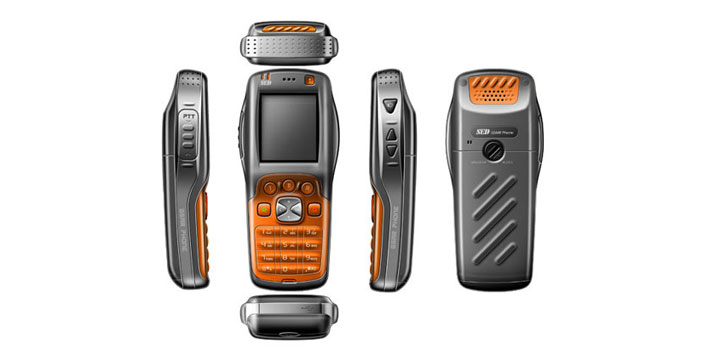
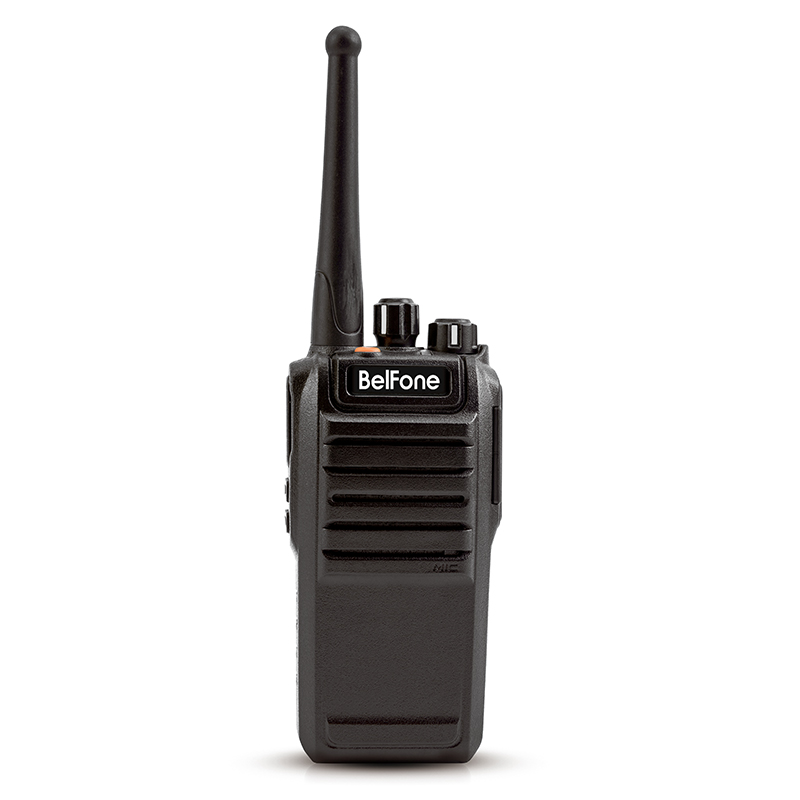
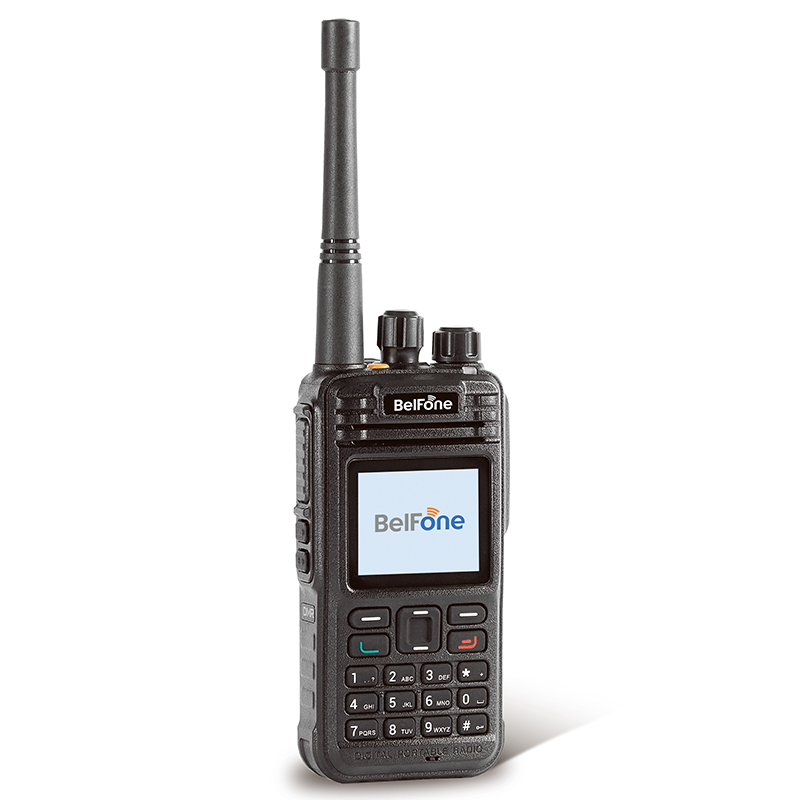
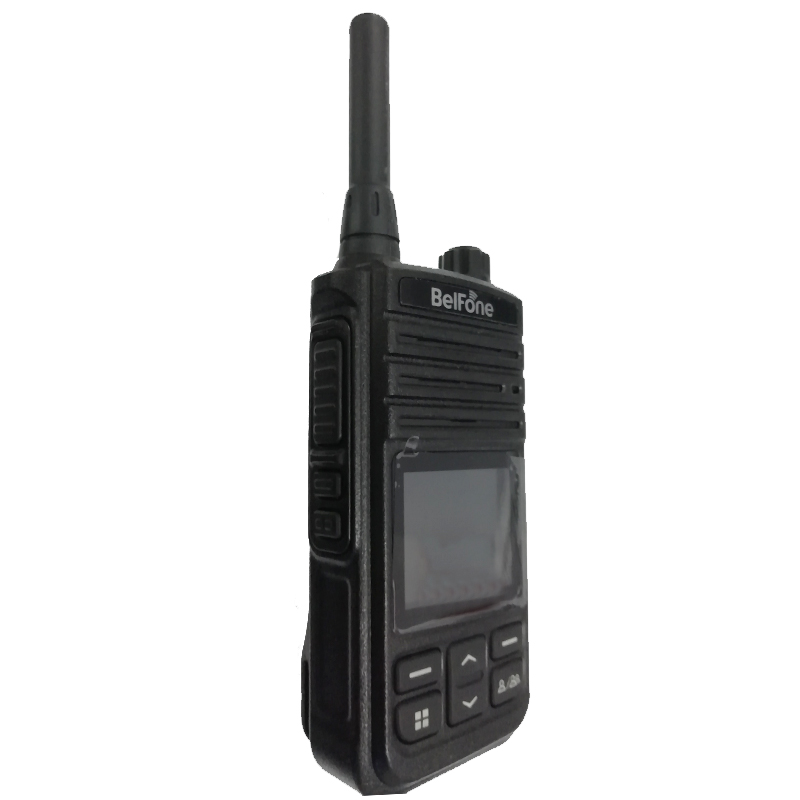
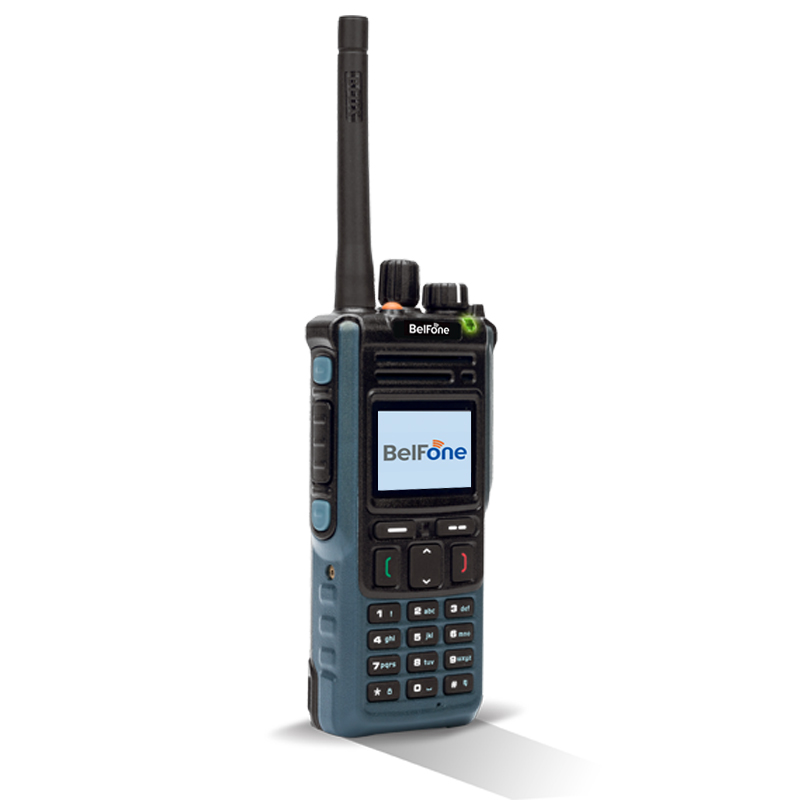
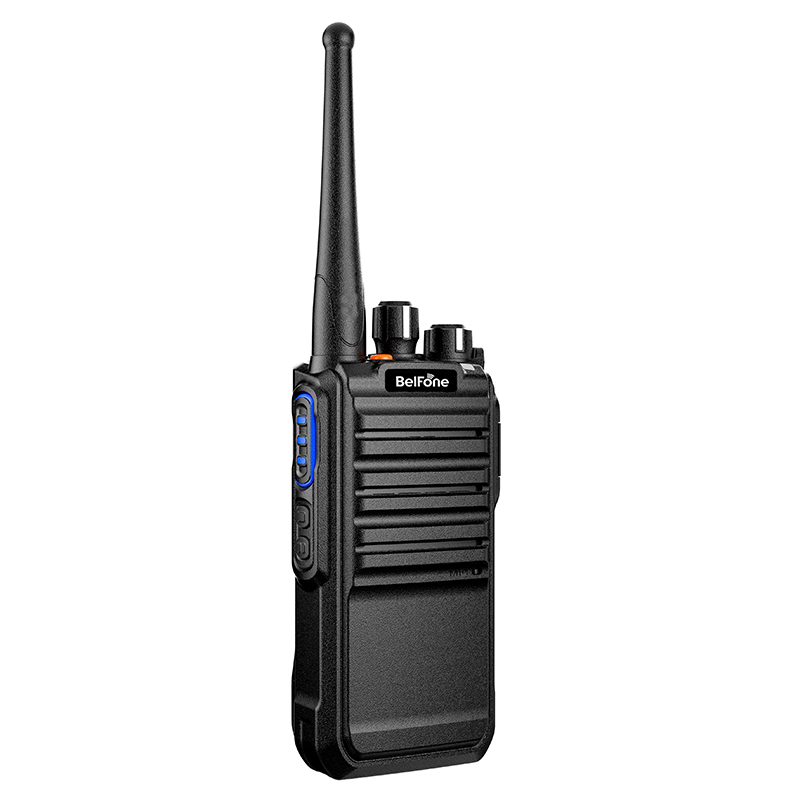
Walkie Talkies
Source high-performance walkie talkies directly from vetted manufacturers and wholesale suppliers. Built for importers, electronics distributors, and brands seeking reliable OEM and private-label production, our network delivers rugged, compliant two-way radios for commercial and recreational markets.
Sourcing walkie talkies at scale requires navigating a complex intersection of RF (radio frequency) engineering, battery safety, and strict telecommunications regulations. Whether you are procuring license-free consumer radios or ruggedized digital models for commercial use, success depends on identifying manufacturers capable of consistent PCBA production, precise antenna tuning, and rigorous compliance testing.
Core Specifications for Bulk Procurement
When specifying two-way radios with a factory, the bill of materials (BOM) and core architecture dictate both the unit cost and the target market.
- Frequency Bands: UHF (Ultra High Frequency, 400-470 MHz) is standard for indoor or mixed environments due to its ability to penetrate obstacles. VHF (Very High Frequency, 136-174 MHz) is preferred for long-range, line-of-sight outdoor use.
- Transmission Power: Output power directly impacts range and regulatory classification. Consumer FRS (US) or PMR446 (EU) radios are legally capped at 0.5 Watts to 2 Watts. Commercial or GMRS radios typically output between 4 Watts and 8 Watts.
- Battery Chemistry and Capacity: Modern units rely on high-capacity Li-ion packs (1500mAh to 3000mAh+). Avoid legacy NiMH unless specifically targeting ultra-low-cost promotional markets.
- Ingress Protection (IP Rating): For commercial applications, IP67 (dustproof and submersible) is a standard requirement. Achieving this requires precise sonic welding, specialized gaskets, and factory-level pressure testing.
| Technology | Audio Clarity | Spectrum Efficiency | Typical Application |
|---|---|---|---|
| Analog | Degrades near range edge | Standard (12.5 kHz) | Consumer, legacy commercial |
| Digital (DMR) | Clear until signal drops | High (Two slots per 12.5 kHz) | Security, construction, enterprise |
Ensure your two-way radios meet all regulatory and performance standards before mass production begins.
Get a free consultationManufacturing Tolerances and Quality Control
The performance of a walkie talkie is won or lost on the factory floor, specifically during the PCBA layout and final assembly stages. Poor RF isolation on the circuit board leads to signal interference and reduced range, regardless of the stated transmission power.
To prevent high defect rates, professional buyers must implement strict Quality Control & Inspection protocols. Relying solely on the factory's internal QC is a common pitfall for new importers.
Critical Factory Inspection Points
- Antenna SWR (Standing Wave Ratio) testing to ensure maximum power transfer.
- Tx/Rx frequency deviation checks using spectrum analyzers.
- Battery drain testing in both standby and active transmission modes.
- Acoustic testing for speaker distortion at maximum volume.
- IP rating verification via vacuum/pressure chambers for waterproof models.
Regulatory Compliance and Testing
Walkie talkies are heavily regulated transmitting devices. Importing non-compliant units can result in customs seizures or severe fines.
In the United States, radios must comply with FCC Part 15 (unintentional radiators) and Part 95 (personal radio services). In the European Union, the Radio Equipment Directive (RED) and CE marking are mandatory. Partnering with a sourcing team that manages Compliance & Testing ensures your products pass all necessary lab certifications before leaving Asia.
OEM/ODM Customization Options
For brands looking to differentiate, off-the-shelf "white label" radios often fall short. Engaging in OEM/ODM Services allows you to modify the product at the tooling and firmware levels.
Common customizations include:
- Custom Tooling: Designing proprietary housings for better ergonomics or specific ruggedization needs (e.g., oversized PTT buttons for gloved hands).
- Firmware Modifications: Customizing the user interface, voice prompts, or integrating proprietary encryption for digital models.
- Accessory Ecosystems: Developing branded multi-unit charging docks, specialized headsets, or remote speaker microphones.
Typical Pricing, MOQs, and Lead Times
Direct factory pricing is heavily influenced by the IC (integrated circuit) components, battery capacity, and IP rating.
For completely custom ODM projects requiring new injection molds, expect MOQs to start at 5,000 units and lead times to extend by 30 to 45 days for tooling and prototyping.
Streamline your procurement with direct factory pricing, rigorous quality oversight, and end-to-end logistics.
Talk to our teamFrequently Asked Questions
Successfully sourcing walkie talkies requires looking past the outer casing to validate the internal RF engineering and regulatory compliance. By establishing strict technical specifications and maintaining rigorous oversight during assembly, you can secure reliable, high-margin communication devices for your distribution channels.
Get Sourcing Help for Walkie Talkies
Tell us your requirements and our experts will connect you with verified manufacturers.