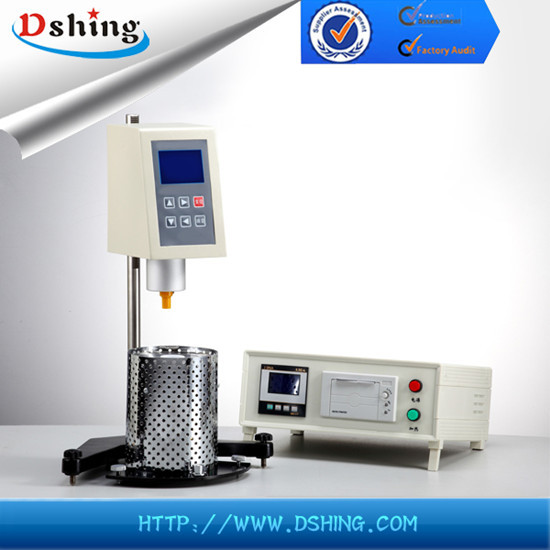
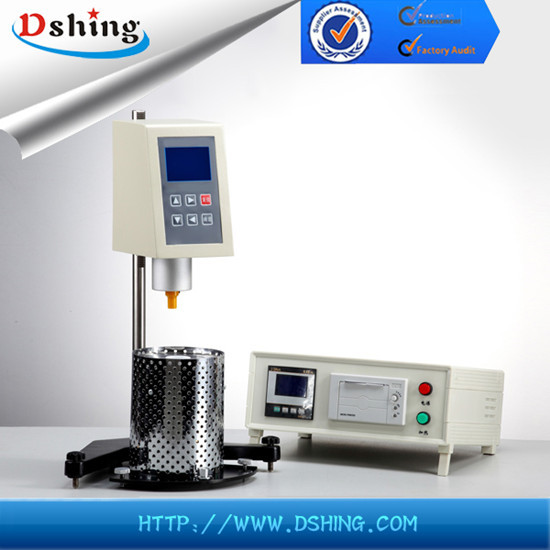
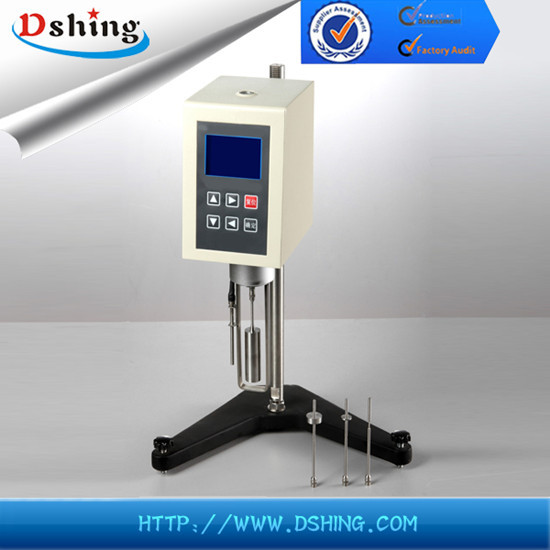
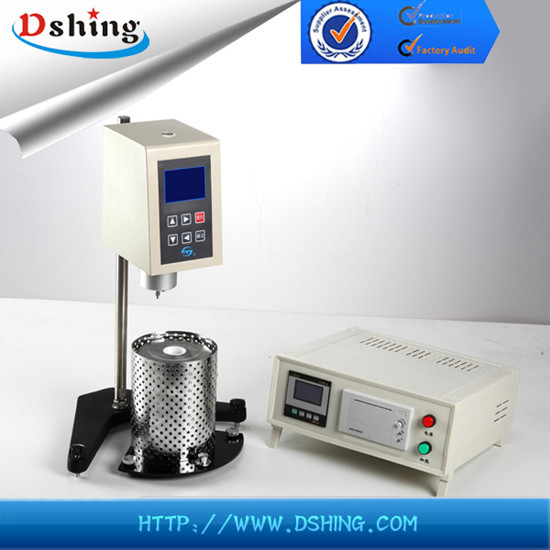
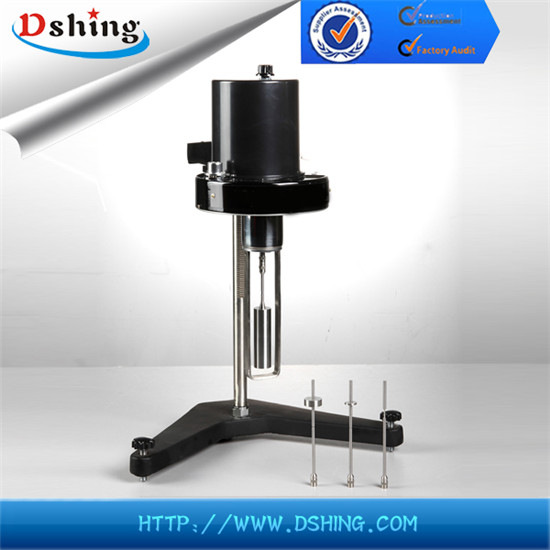
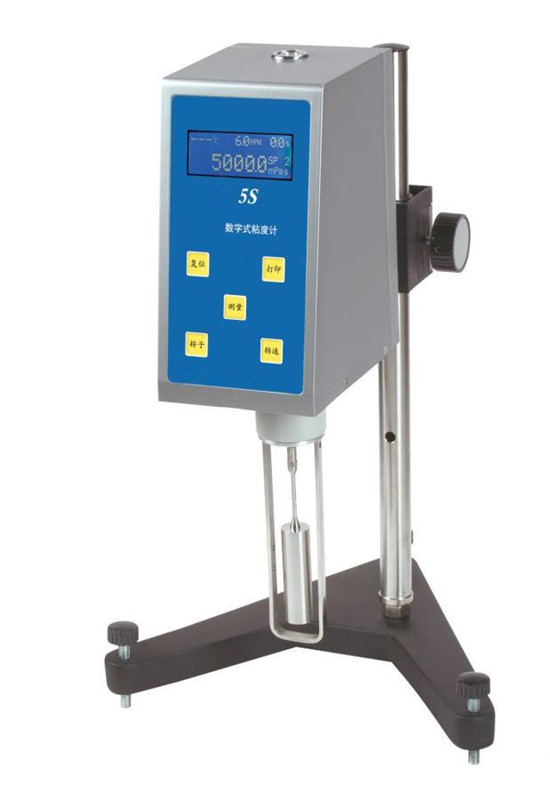
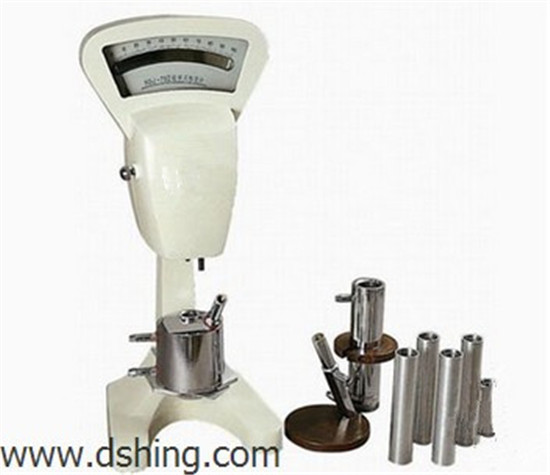
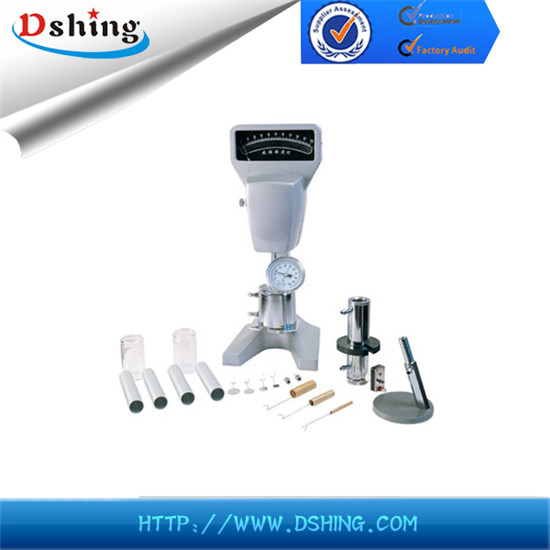
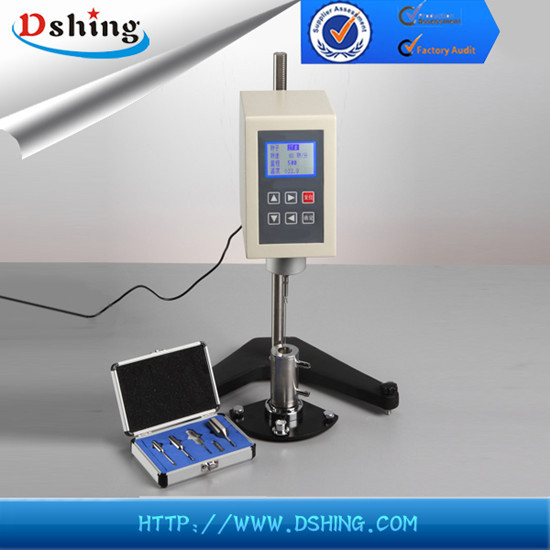
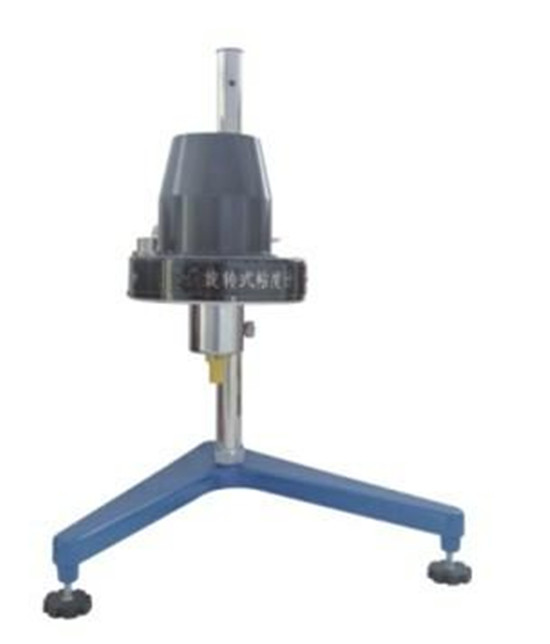
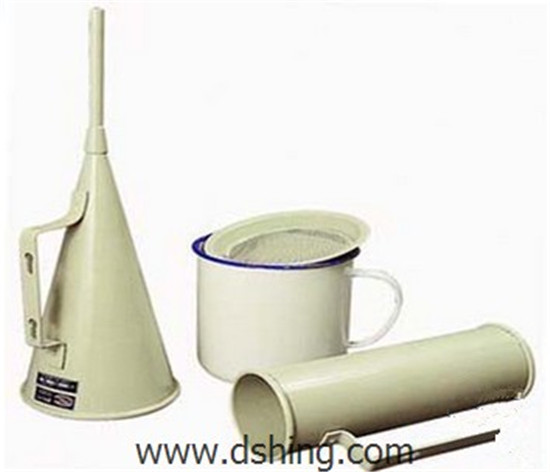
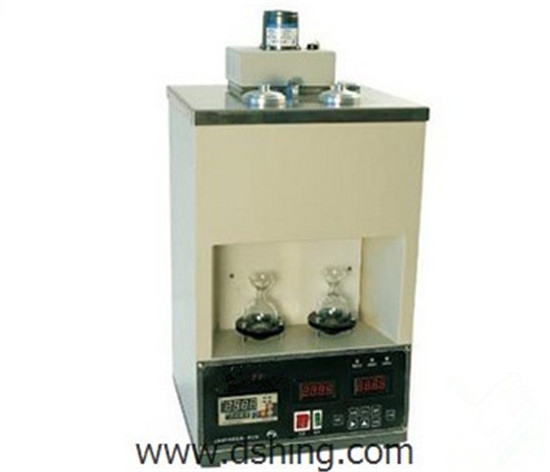
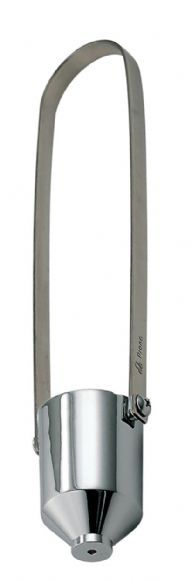
Viscometers
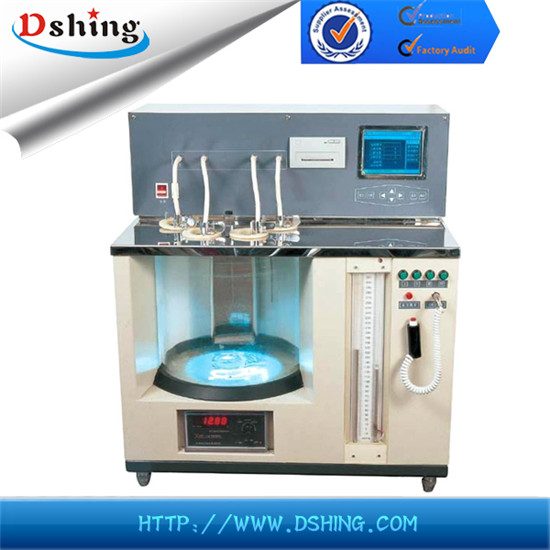
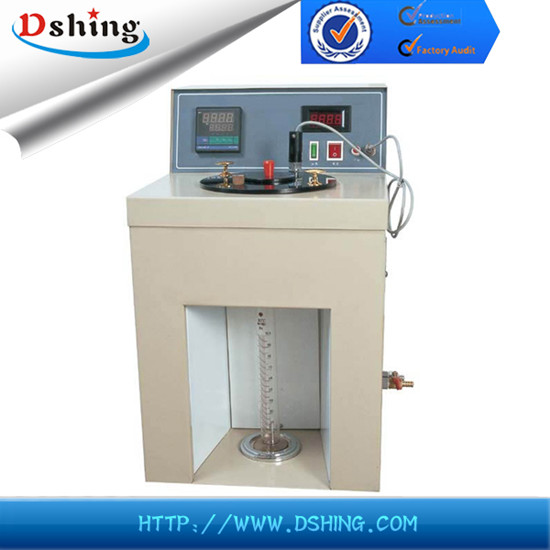
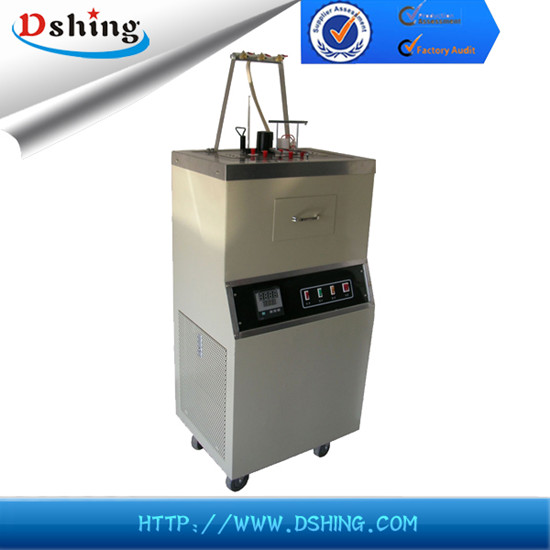
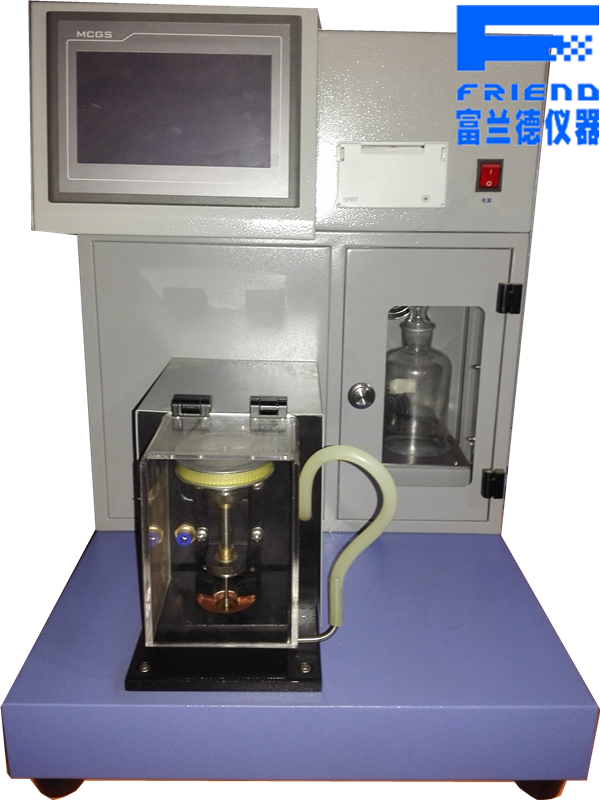
Source high-precision viscometers from vetted manufacturers and wholesale suppliers. Built for importers, distributors, and brands seeking reliable OEM and private-label production, our network delivers industrial and laboratory analytical instruments tailored to your volume requirements.
Procuring analytical instruments at scale requires a rigorous approach to supplier selection. Viscometers are highly sensitive devices where minor deviations in motor stability or spindle machining can render the instrument useless for laboratory or industrial quality control. When sourcing these instruments directly from manufacturers, balancing measurement accuracy, durability, and unit cost is the primary challenge.
## Specifying Viscometers for Volume Orders
Whether you are distributing standard benchtop models or developing custom analytical equipment through [OEM/ODM Services](/sourcing-manufacturing/oem-odm-services), defining the exact technical specifications upfront prevents costly misunderstandings with the factory.
Key parameters to specify include: * **Measurement Range:** Defined in mPa·s or cP (centipoise). Ensure the factory's stated range aligns with the provided rotor set (e.g., standard L0-L4 or R1-R7 spindles). * **Rotational Speed (RPM):** Specify the required speed steps. Advanced models offer continuous stepless speed adjustment, which requires more sophisticated internal controllers. * **Accuracy and Repeatability:** Standard acceptable accuracy for rotational viscometers is ±1.0 percent of full scale, with a repeatability of ±0.5 percent or better. * **Temperature Control:** Specify if the unit requires a built-in RTD temperature probe. Fluid viscosity is highly temperature-dependent, making integrated temperature monitoring a standard requirement for premium models.
<InlineCTA buttonText="Discuss your specifications">Need help matching your technical requirements to capable manufacturers?</InlineCTA>
## Manufacturing Tolerances and Component Quality
The reliability of a viscometer is heavily dependent on the quality of its internal components and the precision of its machining. When evaluating a potential manufacturing partner, look closely at their component sourcing and assembly environment.
### Motor and Drive Systems The motor is the heart of a rotational viscometer. Lower-tier factories often use standard synchronous motors, which are susceptible to voltage fluctuations and frequency changes, leading to inconsistent rotational speeds. High-end manufacturers utilize micro-stepping motors (stepper motors) driven by advanced microprocessors to ensure absolute speed stability regardless of power supply variations.
<ComparisonTable headers={["Motor Type", "Speed Stability", "Lifespan", "Typical Application"]} rows={[ { label: "Synchronous Motor", values: ["Moderate", "Standard", "Entry-level lab testing"] }, { label: "Micro-stepping Motor", values: ["Excellent", "Extended", "High-precision / R&D"] }, { label: "Servo Motor", values: ["Absolute", "Maximum", "Continuous industrial monitoring"] } ]} />
### Spindle Machining Spindles (rotors) must be machined to exact geometric tolerances. Most standard spindles are milled from 304 or 316L stainless steel to resist corrosion. If a factory's CNC machining capabilities are subpar, microscopic imbalances in the spindle will cause wobble at higher RPMs, destroying measurement accuracy. Verifying a factory's machining equipment is a critical part of comprehensive [Factory Audits](/sourcing-manufacturing/factory-audits).
## Quality Control and Compliance Standards
Analytical instruments must meet strict international standards to be viable in global markets. Factory-level calibration is the most critical step before packaging.
<Checklist title="Essential QC Checks for Viscometers"> items={[ "Verify calibration using standard Newtonian silicone fluids at multiple viscosity points.", "Inspect spindle concentricity using a dial indicator to ensure runout is under 0.05mm.", "Test RTD probe accuracy against a calibrated reference thermometer.", "Confirm CE marking compliance for electromagnetic compatibility (EMC) and low voltage directives.", "Ensure packaging includes high-density custom foam to protect the jewel-bearing suspension during transit." ]} />
To guarantee that every unit in your shipment meets these standards, implementing independent [Quality Control & Inspection](/logistics-operations/quality-control) prior to container loading is highly recommended. Furthermore, if your target market requires specific documentation, you may need to coordinate [Compliance & Testing](/value-added-services/compliance-testing) with certified third-party laboratories.
## Buying Mechanics: Pricing, MOQs, and Lead Times
Sourcing viscometers directly from Asian manufacturers offers significant margin advantages, but requires an understanding of standard B2B purchasing dynamics for analytical instruments.
<StatGrid columns={3} stats={[ { value: "10-50 Units", label: "Typical MOQ", description: "For standard white-label benchtop models." }, { value: "100+ Units", label: "OEM MOQ", description: "Required for custom firmware, displays, or housing." }, { value: "25-45 Days", label: "Lead Time", description: "Standard production time after sample approval." } ]} />
Pricing is driven primarily by the motor type, the complexity of the display interface (e.g., basic LCD vs. full-color touchscreen with data graphing), and the inclusion of accessories like low-viscosity adapters or heated sample chambers.
<InlineCTA buttonText="Get a sourcing assessment">Ready to streamline your instrument supply chain and secure better pricing?</InlineCTA>
## Frequently Asked Questions
<FAQ items={[ { title: "Can factories customize the viscometer's software interface?", content: "Yes. For orders meeting the OEM MOQ, capable manufacturers can customize the display language, integrate your brand logo into the startup screen, and adjust the data-logging output formats (e.g., specific CSV structures or direct printer integrations)." }, { title: "How do manufacturers handle calibration for bulk orders?", content: "Reputable factories calibrate every single unit on the assembly line using standard silicone oils. They should provide an individual calibration certificate with each instrument detailing the test conditions and results." }, { title: "What is the typical warranty period offered by Chinese manufacturers?", content: "The industry standard is a 12-month warranty covering non-consumable parts and internal electronics. For volume buyers, factories often provide a small percentage of spare parts (like extra jewel bearings or standard spindles) with the main shipment to handle local after-sales support." } ]} />
Successfully sourcing viscometers requires moving beyond cosmetic evaluations to scrutinize motor stability, machining tolerances, and calibration protocols. Partnering with suppliers who treat precision as a prerequisite rather than an upgrade is the key to building a profitable, reliable instrument catalog.
Get Sourcing Help for Viscometers
Tell us your requirements and our experts will connect you with verified manufacturers.