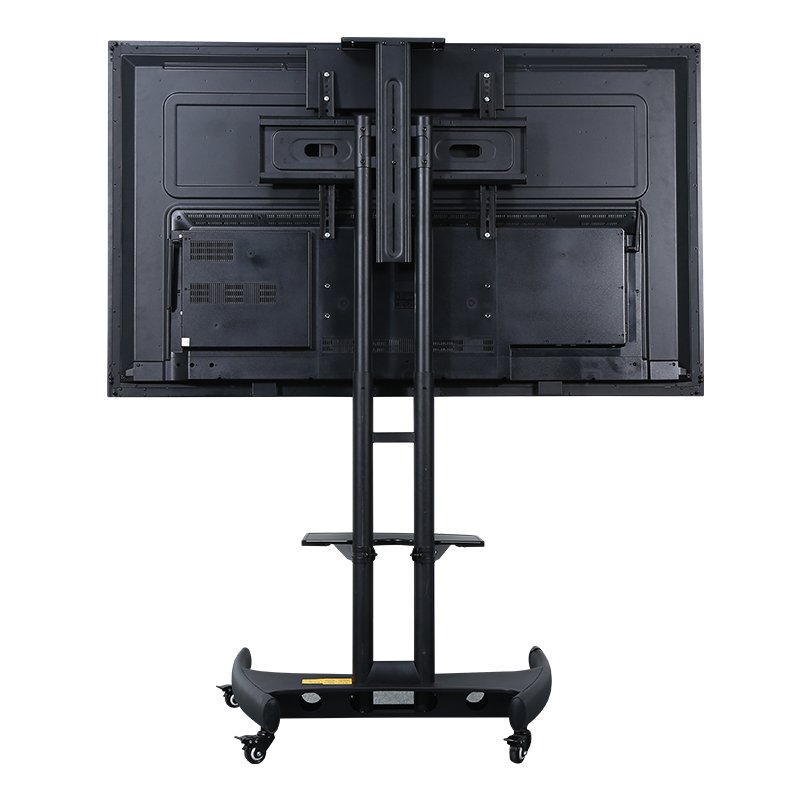
Video Conference Meeting Equipment
Source professional-grade Video Conference Meeting Equipment from vetted suppliers and manufacturers in China and across Asia. Designed for importers, wholesalers, distributors, and brands seeking reliable OEM and private-label production, our network delivers bulk hardware built for modern business automation.
Sourcing video conference meeting equipment at scale requires balancing complex optical hardware with sophisticated digital signal processing (DSP). The primary sourcing challenge lies in finding manufacturing partners capable of delivering consistent audio-visual synchronization, reliable firmware, and seamless platform compatibility without severe cost overruns. A successful procurement strategy hinges on evaluating a factory's R&D capabilities, their supply chain for critical chipsets, and their testing infrastructure.
Critical Specifications for AV Hardware
When negotiating with manufacturers, the bill of materials (BOM) dictates both performance and unit cost. Buyers must specify the exact image sensors (often Sony or Panasonic for premium tiers), the DSP driving the audio arrays, and the mechanical reliability of any moving parts.
| Environment | Optics (FOV & PTZ) | Audio Pickup Range |
|---|---|---|
| Huddle Rooms | 120-degree ultra-wide, ePTZ | Up to 3 meters, 2-4 mic array |
| Medium Boardrooms | 90-degree, standard PTZ | Up to 5 meters, 4-6 mic array |
| Large Conference Spaces | 70 to 90-degree, optical PTZ | Up to 8 meters, 6+ beamforming mics |
The choice between electronic Pan-Tilt-Zoom (ePTZ) and mechanical optical PTZ drastically alters the manufacturing complexity. Mechanical PTZ units require precision stepper motors and rigorous lifecycle testing to prevent gear wear and motor burnout. When developing proprietary designs, utilizing professional OEM/ODM Services ensures your custom housing molds and firmware align perfectly with the chosen DSP and image sensors.
Struggling to find a supplier with genuine R&D capabilities for your custom AV hardware?
Talk to our teamManufacturing Challenges and Quality Control
The factory floor is where high-end specifications either materialize into premium products or degrade into defective units. Assembly of video conferencing equipment requires cleanroom environments for lens mounting to prevent dust ingress on the CMOS sensor. Furthermore, audio tuning cannot be simulated on a standard assembly line; it requires anechoic chambers to properly calibrate acoustic echo cancellation (AEC) and background noise suppression algorithms.
Implementing rigorous Quality Control & Inspection protocols is non-negotiable. Inspectors must verify performance under variable network conditions and lighting environments.
Key In-Line and Pre-Shipment Inspection Points
- CMOS sensor alignment and lens focus calibration across the entire zoom range.
- Stepper motor lifecycle testing for PTZ cameras (checking for jitter or grinding).
- Acoustic tests in anechoic chambers to verify beamforming and AEC performance.
- Thermal management validation under continuous operation (preventing DSP throttling).
- Firmware stability checks and USB-C / SIP handshake verification.
To ensure your supplier actually possesses these testing facilities, conducting thorough Factory Audits before placing a deposit is highly recommended. It separates true manufacturers from mere assemblers.
Sourcing Mechanics: MOQs, Pricing, and Lead Times
The electronics supply chain is heavily dependent on component availability. DSPs, image sensors, and specialized interface controllers often dictate both the lead time and the minimum order quantity (MOQ). Standard white-label products require lower commitments, while custom PCB designs or unique industrial designs demand significant upfront investment in tooling and higher MOQs to offset R&D costs.
Furthermore, navigating international regulations is critical. Devices must pass stringent electromagnetic interference (EMI) standards. Engaging experts in Compliance & Testing ensures your shipments are not delayed at customs due to missing FCC, CE, or RoHS documentation.
Need help negotiating better terms or auditing a prospective AV equipment factory?
Get a free consultationFrequently Asked Questions
Successfully importing video conference meeting equipment requires looking past the spec sheet to evaluate the manufacturer's engineering depth and component supply chain. By prioritizing rigorous quality control and verifying the factory's testing infrastructure, buyers can secure reliable, enterprise-grade hardware that performs consistently in the field.
Get Sourcing Help for Video Conference Meeting Equipment
Tell us your requirements and our experts will connect you with verified manufacturers.