Video Cards
Source bulk Video Cards from vetted suppliers and manufacturers across Asia. Designed for importers, distributors, system integrators, and brands seeking OEM/private-label production, our network provides access to reliable manufacturing partners for high-performance graphics hardware and commercial display adapters.
Sourcing video cards at scale requires navigating a highly consolidated and volatile supply chain. Because the core silicon (the GPU die) is controlled by a few major foundries and designers, bulk buyers and OEM brands are primarily evaluating Add-In Board (AIB) manufacturers based on their PCB engineering, power delivery components, thermal solutions, and access to genuine IC allocation.
Whether you are a system integrator sourcing unbranded cards for pre-built machines, or a regional brand developing a custom gaming line, success depends on rigorous factory vetting and strict component-level quality control.
PCB Design and Component Selection
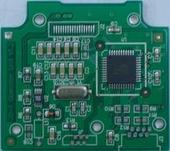
The performance and longevity of a video card depend heavily on the board design surrounding the main GPU die. When working with OEM/ODM Services for custom graphics cards, you must specify the exact tier of supporting components.
- VRM (Voltage Regulator Module) Phases: The power delivery system dictates stability under load. Specifying high-quality MOSFETs and adequate phase counts (e.g., 10+2 phases for high-end cards) prevents thermal throttling and component failure.
- VRAM Allocation: While the GPU dictates the memory type (GDDR6, GDDR6X), the specific memory modules (Samsung, SK Hynix, Micron) can vary by batch. Consistent VRAM sourcing ensures predictable memory overclocking and thermal performance.
- PCB Layers and Material: High-performance cards require 10-to-14 layer PCBs with high glass transition temperature (Tg) materials to handle the thermal stress and signal integrity demands of PCIe Gen 4.0 and 5.0 interfaces.
| Cooling Solution | Typical Application | Manufacturing Complexity | Cost Profile |
|---|---|---|---|
| Blower Fan | Workstations, Server Racks | Low (Standardized shroud) | Economical |
| Dual/Triple Axial | Gaming, High-End Desktop | Medium (Custom fin stacks) | Moderate to High |
| AIO Liquid Cooled | Enthusiast Gaming | High (Pump integration, leak testing) | Premium |
Manufacturing Risks and Quality Control
The graphics card manufacturing process is heavily reliant on automated Surface Mount Technology (SMT) lines. However, the most significant sourcing risks occur before assembly even begins: component authenticity.
The secondary market is flooded with remarked or recycled GPU dies pulled from former mining operations or discarded boards. These dies are often re-balled and sold as new. Conducting thorough Factory Audits is critical to verify that your supplier has legitimate, direct purchasing channels with authorized distributors for major chipmakers.
Struggling to verify the authenticity of your supplier's component supply chain? We can audit their facilities and sourcing channels.
Talk to our teamEssential Pre-Shipment Testing
Once assembled, cards must undergo rigorous validation. A reliable factory will have a dedicated burn-in room. Your Quality Control & Inspection protocol should mandate:
Video Card Inspection Protocol
- Die Authenticity: Software verification (GPU-Z validation) to ensure the BIOS matches the physical silicon.
- Stress Testing: 12 to 24-hour burn-in testing at 100 percent utilization (e.g., FurMark) to check for thermal throttling.
- Acoustic Testing: Decibel measurement in an anechoic chamber to identify fan bearing defects or severe coil whine.
- Thermal Imaging: FLIR scanning of the backplate and VRM areas to ensure thermal pads are correctly applied and dissipating heat.
- Interface Validation: Verifying all DisplayPort and HDMI outputs function simultaneously without artifacting.
Typical MOQs, Pricing, and Lead Times
Video card pricing is highly volatile, driven by global silicon allocation, memory pricing, and currency fluctuations. Quotes are typically only valid for a few days to a week.
If you are purchasing standard, white-label designs (reference boards with generic coolers), MOQs can be relatively low. However, if you require a custom injection-molded shroud, ARGB integration, or custom backplates, the tooling costs will necessitate much higher minimums.
Because these products are high-value and sensitive to static and moisture, proper Compliance & Testing (CE, FCC, RoHS) and specialized packaging are mandatory before international freight.
Need to lock in pricing and secure allocation for your next bulk order? Let our sourcing experts negotiate on your behalf.
Get a free consultationFrequently Asked Questions
Successfully sourcing video cards requires treating the process as a complex electronics integration project rather than a simple commodity purchase. By focusing on board-level component quality and rigorous validation of the IC supply chain, you can secure reliable hardware that performs flawlessly under demanding workloads.
Get Sourcing Help for Video Cards
Tell us your requirements and our experts will connect you with verified manufacturers.