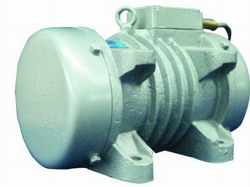
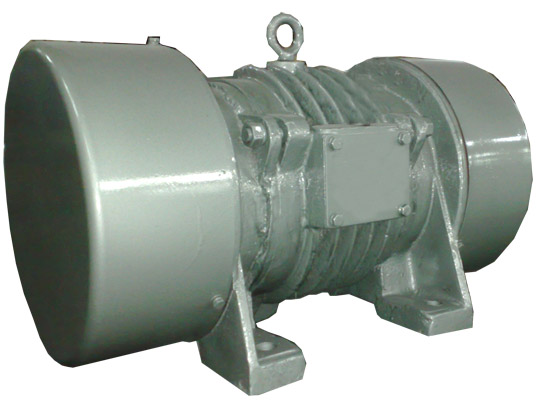
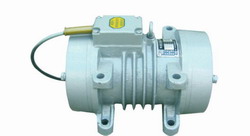
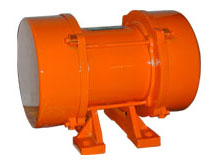
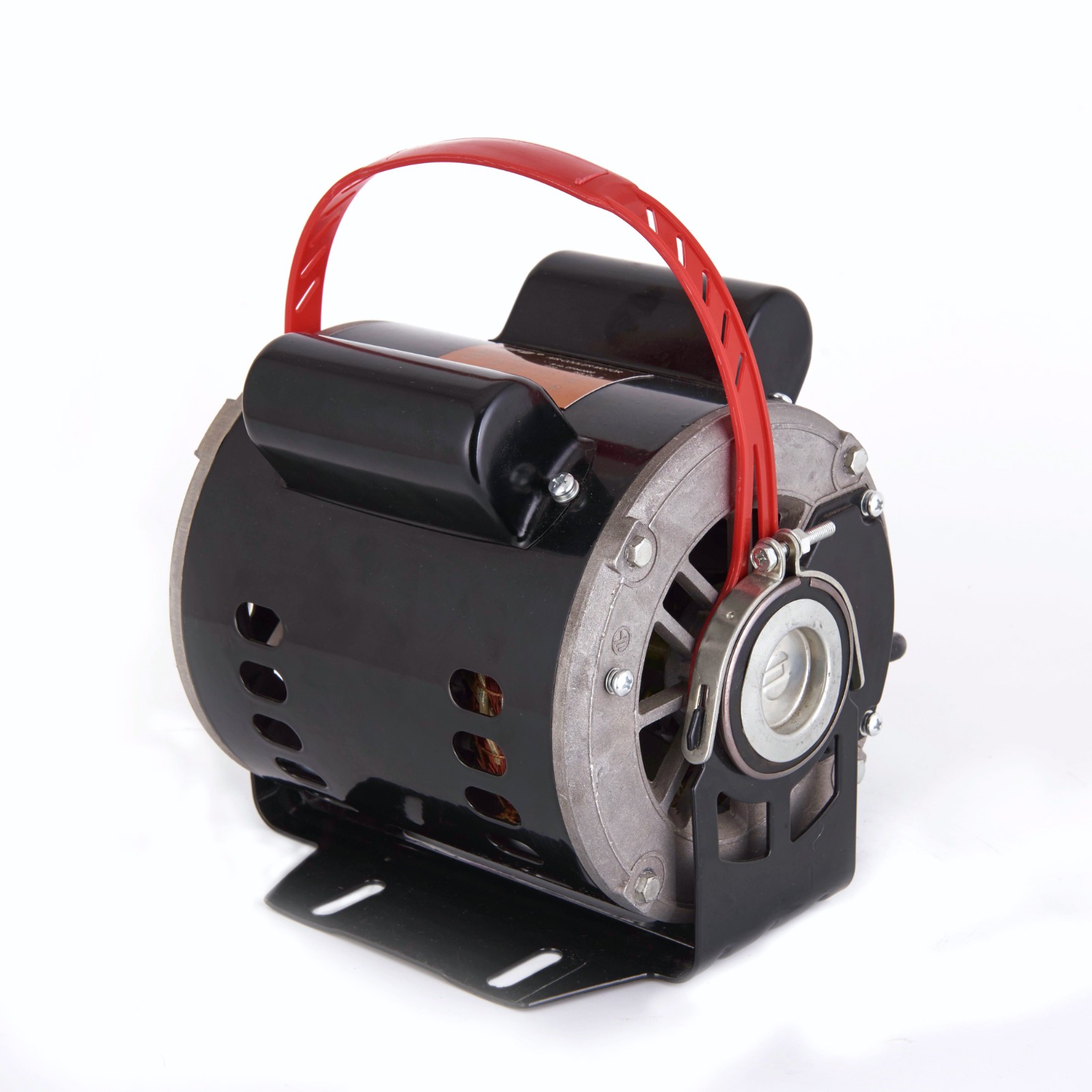
Vibration Motors
Source high-quality vibration motors in bulk directly from vetted manufacturers. Designed for importers, industrial distributors, and brands requiring reliable OEM production, our network provides competitive pricing, strict quality control, and verifiable compliance for all your power transmission sourcing needs.
Sourcing vibration motors at scale requires navigating a manufacturing landscape where external appearances often mask internal compromises. Because these motors are engineered to intentionally stress their own components to generate force, any weakness in bearing selection, winding insulation, or housing integrity will lead to rapid failure in the field. For volume buyers, securing a reliable supply chain means looking past the spec sheet and understanding exactly how the factory controls its assembly environment and component sourcing.
Critical Specifications for Volume Orders
When negotiating with manufacturers, vague specifications lead to inconsistent production runs. Factories will default to the most cost-effective components unless you dictate otherwise. Ensure your technical requirements explicitly define the following parameters:
Essential Vibration Motor Specifications
- Centrifugal Force: Specify the required force in kN, ensuring it aligns with the mass of the equipment it will drive.
- Duty Cycle: Clearly state if the motor requires an S1 continuous duty rating or if it will operate intermittently.
- Insulation Class: Mandate Class F or Class H insulation to withstand the internal heat generated during prolonged vibration.
- Ingress Protection (IP): Specify IP65 or IP66 minimum for industrial environments to prevent dust and moisture from compromising the windings.
- Bearing Specifications: Dictate the use of heavy-duty, vibration-rated bearings (e.g., C3 clearance) from recognized brands rather than generic alternatives.
Manufacturing Vulnerabilities and Quality Control
The lifespan of a vibration motor is almost entirely dictated by its bearings and its thermal management. In competitive sourcing environments, manufacturers may attempt to reduce costs by substituting 100 percent copper windings with Copper-Clad Aluminum (CCA). While CCA reduces weight and cost, it significantly increases electrical resistance and heat generation, drastically shortening the motor's operational life.
Winding Material: Pure Copper vs. CCA
Advantages
- Pure Copper: Superior thermal conductivity and lower resistance.
- Pure Copper: Handles continuous S1 duty cycles without overheating.
- Pure Copper: Longer operational lifespan and better efficiency.
Disadvantages
- CCA (Copper-Clad Aluminum): Higher risk of thermal failure under load.
- CCA: Brittle material, more susceptible to breaking under high vibration.
- CCA: Often used by lower-tier factories to artificially lower unit prices.
To prevent material substitution and ensure assembly standards are met, rigorous Quality Control & Inspection is non-negotiable. Pre-shipment inspections should include dielectric strength (hipot) testing, thermal rise evaluation under load, and acoustic checks to detect early bearing defects.
Prevent component substitution and secure reliable vibration motor production with our expert sourcing and inspection services.
Talk to our teamSupplier Vetting and Compliance
Not all motor factories are equipped to produce heavy-duty vibration motors. Standard electric motor manufacturers often lack the specialized balancing equipment and heavy-duty casting capabilities required for vibration applications.
Before committing to a high-volume order or initiating OEM/ODM Services for custom mounting footprints, comprehensive Factory Audits are essential. You must verify that the supplier has in-house CNC machining for precise bearing housings, vacuum pressure impregnation (VPI) equipment for winding insulation, and automated testing rigs. Furthermore, ensure the factory can provide valid documentation for CE, RoHS, or UL certifications, or utilize Compliance & Testing services to verify regulatory adherence for your target market.
Typical Pricing, MOQs, and Lead Times
Costs and minimums fluctuate based on the motor's size, centrifugal force rating, and phase type (single vs. three-phase). Customizations, such as specific voltage requirements or specialized terminal boxes, will impact both tooling costs and production timelines.
Need accurate pricing and factory capabilities for your specific motor requirements? Let our sourcing experts evaluate your project.
Get a free consultationFrequently Asked Questions
Securing a reliable supply of vibration motors requires strict oversight of the factory's material choices and quality management systems. By defining exact component standards and verifying production through independent inspection, volume buyers can eliminate premature failures and protect their brand's reputation in demanding industrial markets.
Get Sourcing Help for Vibration Motors
Tell us your requirements and our experts will connect you with verified manufacturers.