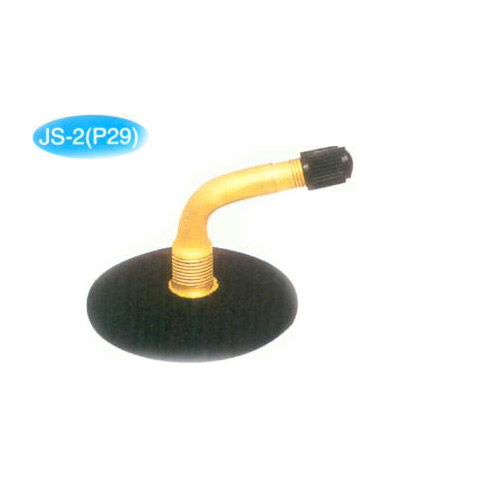
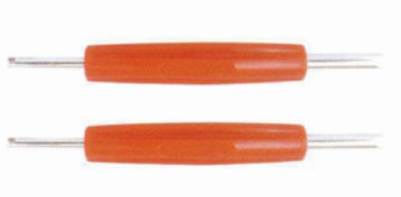
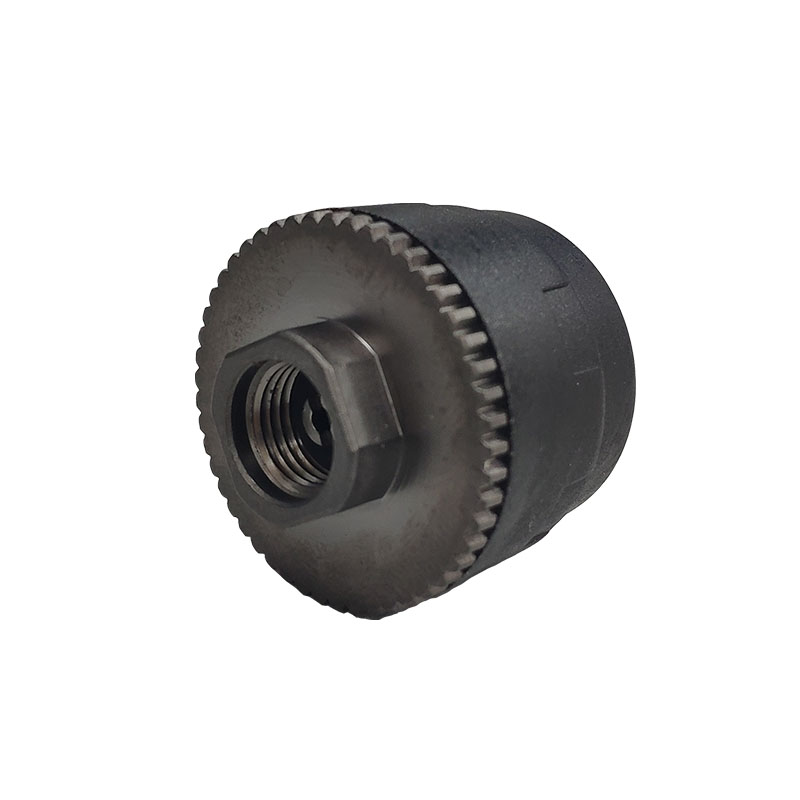
Valve Stems, Caps & Adapters
Source premium valve stems, caps, and adapters directly from vetted manufacturers. Designed for auto parts importers, wholesalers, and brands seeking bulk OEM production, our network delivers precision-engineered wheel accessories built to exact automotive standards, ensuring reliable performance across high-volume supply chains.
Sourcing valve stems, caps, and adapters in bulk requires strict attention to material chemistry and machining tolerances. While these components represent a fraction of the cost of a wheel assembly, a failed valve stem or seized cap compromises the entire tire. For importers and distributors buying at scale, success depends on identifying manufacturers who maintain strict quality control over rubber formulations, thread precision, and metal plating processes.
Material Specifications and Chemistry
The foundational challenge in sourcing valve stems is verifying the raw materials. Visual inspections cannot distinguish between high-grade compounds and cheap fillers, making rigorous supplier qualification essential.
Rubber Compounds: EPDM vs. Natural Rubber
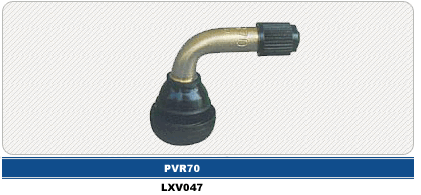
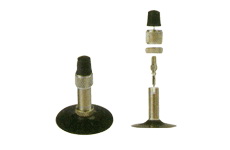
For standard snap-in valve stems (such as the TR412, TR413, and TR414 series), the rubber compound dictates the lifespan of the part.
- EPDM (Ethylene Propylene Diene Monomer): This is the industry standard for high-quality valve stems. EPDM offers superior resistance to ozone, UV radiation, and extreme temperature fluctuations.
- Natural Rubber Blends: Cheaper suppliers often dilute EPDM with natural rubber to cut costs. These blends are highly susceptible to ozone cracking and will degrade rapidly when exposed to environmental stress, leading to catastrophic pressure loss.
Ozone Testing is Non-Negotiable
Always require suppliers to provide ASTM D1149 (or equivalent) ozone chamber test reports. Stems should withstand 72 hours in a 50 pphm ozone environment at 40°C without microscopic cracking.
Metal Cores and Adapters
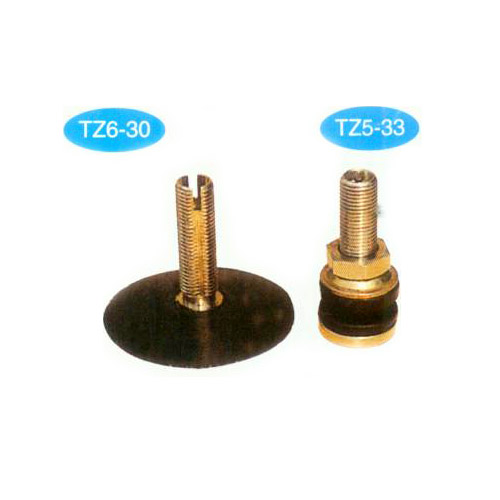
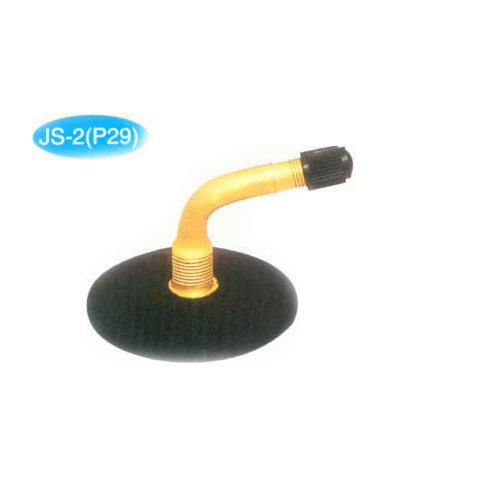
High-pressure clamp-in stems, TPMS (Tire Pressure Monitoring System) stems, and dually truck adapters rely on brass or aluminum construction.
| Material | Application | Sourcing Considerations |
|---|---|---|
| Brass | Standard cores, heavy-duty adapters | Excellent corrosion resistance; heavier weight. Ensure lead content complies with regional market regulations. |
| Aluminum | TPMS stems, performance caps | Lightweight; susceptible to galvanic corrosion if not properly anodized. Requires strict thread tolerances. |
| Steel | Heavy commercial extensions | Must feature high-grade zinc or nickel plating to prevent rust in harsh environments. |
Need to verify a factory's material certifications or audit their rubber mixing processes? Merhein can manage supplier vetting on your behalf.
Talk to our teamManufacturing Tolerances and Quality Control
Valve stems and adapters are precision fluid-control devices. If a factory's tooling is worn, thread stripping and core leaks become inevitable. When evaluating a manufacturer, their internal quality control infrastructure is just as important as their pricing.
Look for manufacturers holding IATF 16949 certification, which is the baseline quality management standard for the automotive supply chain.
Critical Factory Floor Checks
When conducting factory audits, focus on these specific production stages:
Valve Hardware QC Audit Points
- 100% Leak Testing: The factory must have automated pneumatic testing lines to check every finished valve for leaks before packaging.
- Thread Gauging: Operators should regularly use go/no-go gauges on valve cores and cap threads to ensure standard VG8 (or equivalent) thread compatibility.
- Rubber Adhesion Testing: For snap-in stems, the bond between the brass core and the rubber body must withstand standardized pull-force tests.
- Plating Thickness: For chrome or nickel-plated adapters, salt spray testing (minimum 72 hours) should be standard practice.
OEM Customization and Retail Packaging
For brands supplying retail auto parts chains or specialty aftermarket catalogs, customized caps and packaging are key differentiators.
Through dedicated OEM/ODM services, you can source custom-anodized aluminum caps, laser-etched logos, and specialized indicating caps (which show color changes based on tire pressure).
However, customizing metal caps introduces the risk of galvanic corrosion. If a raw aluminum cap is threaded onto a brass valve stem in a wet, salty environment, the two metals will fuse, forcing the end-user to cut the valve stem off. To prevent this, ensure your manufacturer either utilizes high-grade anodization or inserts threaded plastic liners inside the metal caps.
Typical MOQs, Pricing, and Lead Times
Because valve hardware is produced via high-speed injection molding and automated CNC machining, volume is critical to securing competitive pricing.
Pricing is heavily indexed to the global commodity costs of brass and EPDM. Be wary of quotes that fall significantly below the market average; this almost always indicates the use of recycled rubber or underweight brass cores.
Managing multiple SKUs across different hardware suppliers? Let us streamline your procurement and consolidate your shipments.
Get a free consultationFrequently Asked Questions
Sourcing valve stems and accessories in volume is an exercise in risk mitigation. A batch of degraded rubber or poorly threaded cores can result in massive product liability and damaged brand reputation. By focusing strictly on EPDM verification, automated leak testing, and IATF-certified facilities, you can secure highly competitive pricing without sacrificing the safety of the end-user.
Get Sourcing Help for Valve Stems, Caps & Adapters
Tell us your requirements and our experts will connect you with verified manufacturers.