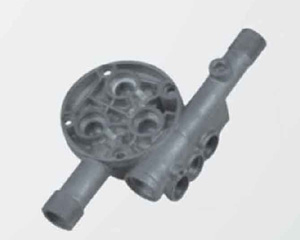
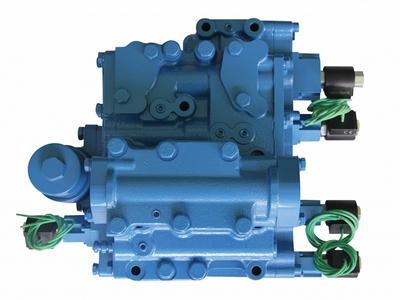
Valve Bodies
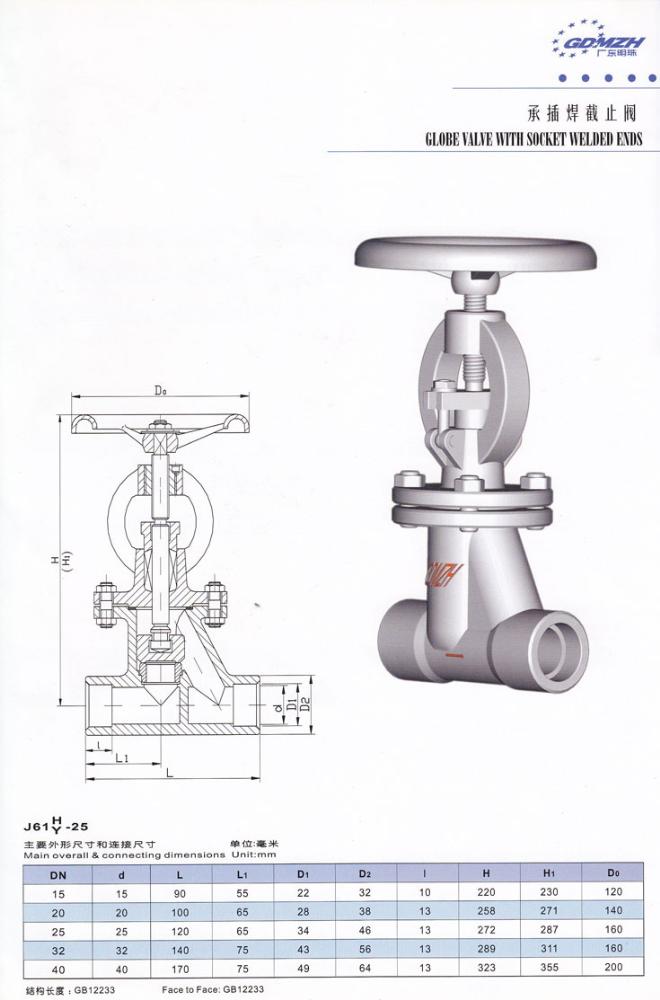
Source premium valve bodies from vetted suppliers and manufacturers across Asia. Designed for industrial importers, wholesale distributors, and OEM brands requiring custom or private-label production. Secure competitive bulk pricing on precision-cast and forged components built for demanding fluid control applications.
The valve body acts as the primary pressure boundary and structural foundation for any fluid control system. Whether you are procuring components for municipal waterworks, HVAC systems, or high-pressure petrochemical applications, sourcing valve bodies at scale requires strict attention to metallurgical integrity, foundry capabilities, and machining precision. A flawed body compromises the entire valve assembly, making supplier selection and verification the most critical steps in your procurement cycle.
Manufacturing Methods and Material Selection
Valve bodies are typically produced via casting or forging, depending on the required pressure rating, material, and production volume.
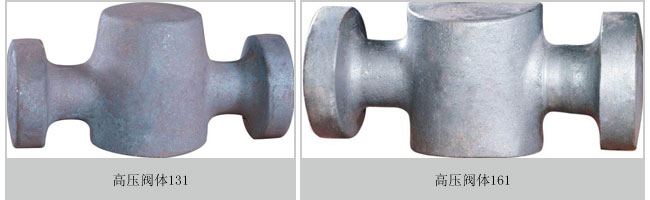
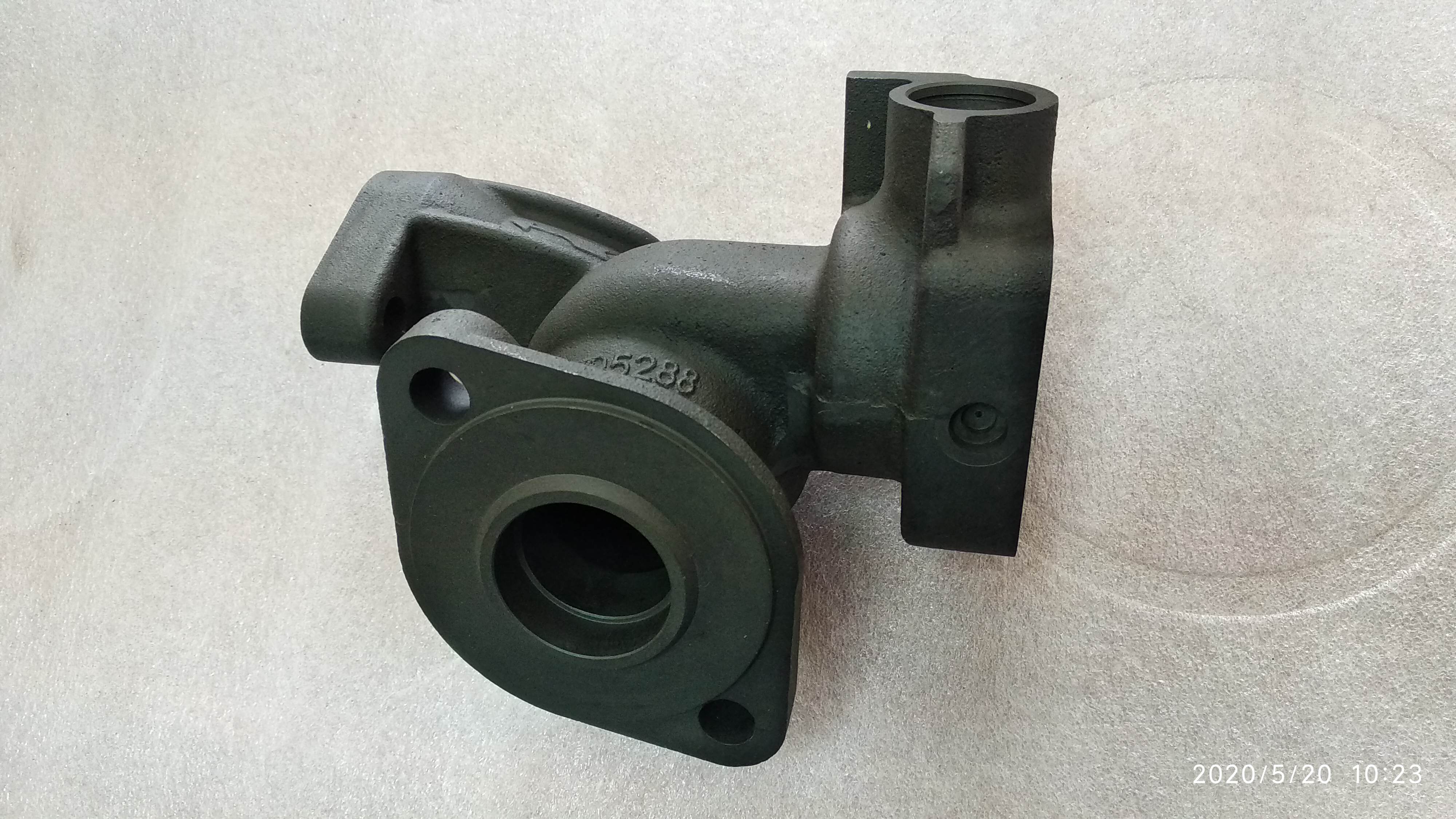
Forged bodies offer superior mechanical strength and are standard for high-pressure, small-diameter applications (such as instrumentation valves). Cast bodies are the industry standard for larger diameters and complex internal geometries, utilizing sand casting, investment casting, or die casting based on the material and required finish.
| Manufacturing Method | Typical Materials | Application Profile |
|---|---|---|
| Sand Casting | Cast Iron, Ductile Iron, WCB Carbon Steel | Large gate, globe, and check valves; low to medium pressure. |
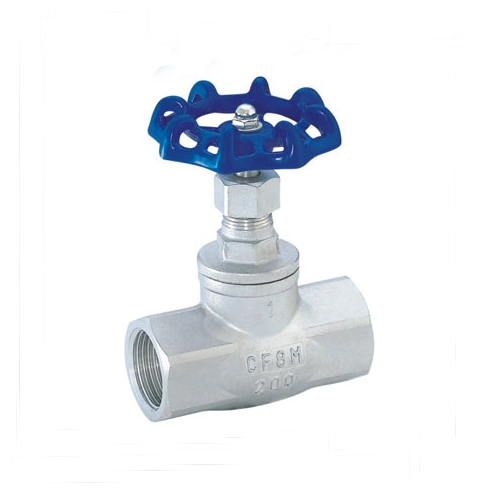
| Investment Casting | Stainless Steel (CF8, CF8M), Special Alloys | High-precision industrial valves requiring excellent surface finish. |
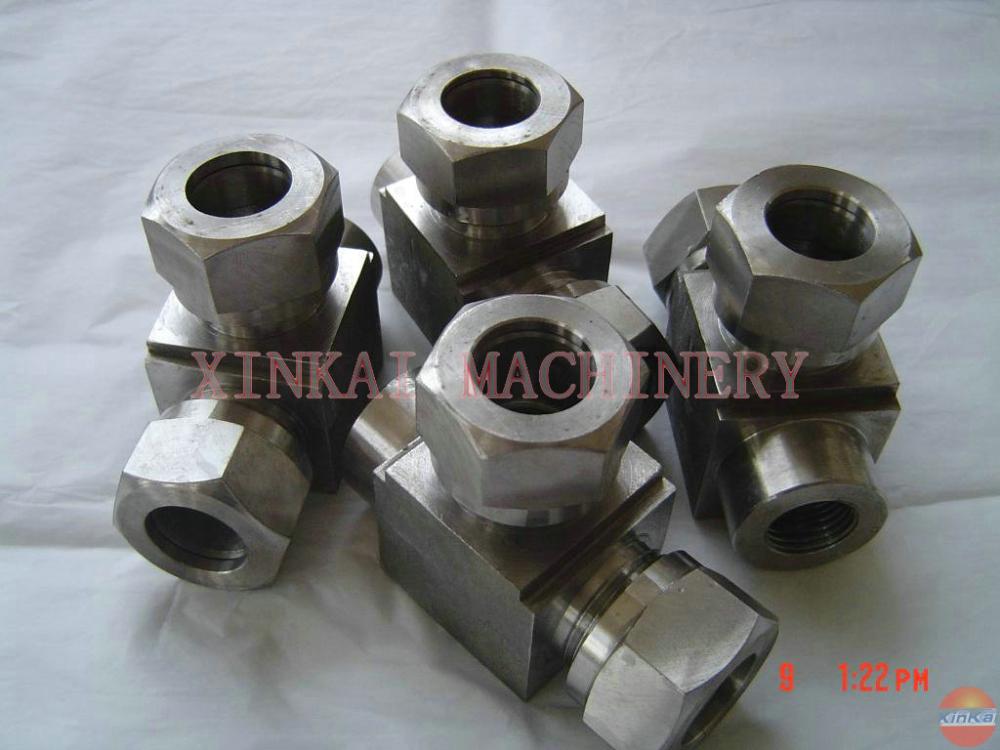
| Forging | Brass (CW617N), Forged Steel (A105) | High-pressure, small-diameter valves; ball valves. |
When specifying materials to overseas factories, always use international standards (ASTM, DIN, or JIS) and require material test reports (MTRs) for every batch. A common sourcing pitfall is accepting a local equivalent material that fails to meet the exact chemical composition or mechanical properties required by your target market.
Need to identify foundries with the right certifications and capabilities for your specific material requirements?
Get a free consultationCritical Quality Control Checkpoints
The primary risk when importing cast valve bodies is subsurface porosity—microscopic voids in the metal that can lead to pressure leaks once the body is fully machined or put into service. Catching these defects early is critical, which is why rigorous quality control at the foundry level is non-negotiable.
Essential Factory-Level Inspections for Valve Bodies
- Chemical Composition Analysis: Using optical emission spectrometers before pouring.
- Non-Destructive Testing (NDT): Radiographic (X-ray) or ultrasonic testing to detect internal porosity and shrinkage.
- Dimensional Inspection: Verifying wall thickness and flange dimensions against CAD tolerances.
- Hydrostatic Shell Testing: Pressure testing the raw or semi-machined body to ensure pressure boundary integrity.
Never assume a supplier will perform NDT or strict hydrostatic testing by default. These requirements must be explicitly written into your purchase order and verified through third-party or in-line inspections.
Sourcing Mechanics: MOQs, Tooling, and Lead Times
Sourcing valve bodies directly from manufacturers involves navigating tooling investments and minimum order quantities (MOQs). If you are utilizing OEM/ODM manufacturing for a proprietary valve design, you will need to pay for the mold or forging die upfront.
Tooling costs vary wildly based on the process: sand casting patterns are relatively inexpensive, while precision investment casting molds or forging dies require a larger initial capital outlay.
Because you are relying heavily on the supplier's metallurgical expertise, conducting comprehensive factory audits is highly recommended. You must verify that the facility has adequate raw material storage, organized pattern maintenance, and calibrated testing equipment on-site.
Looking to optimize your landed costs and secure reliable production capacity for your valve components?
Talk to our teamFrequently Asked Questions
Procuring valve bodies in bulk is an exercise in risk management. The unit price on a proforma invoice means little if a high defect rate causes downstream assembly failures or product recalls. Success requires partnering with foundries that treat metallurgy and precision machining as exact sciences, backed by continuous verification at every stage of production.
Get Sourcing Help for Valve Bodies
Tell us your requirements and our experts will connect you with verified manufacturers.