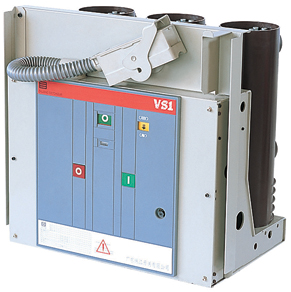
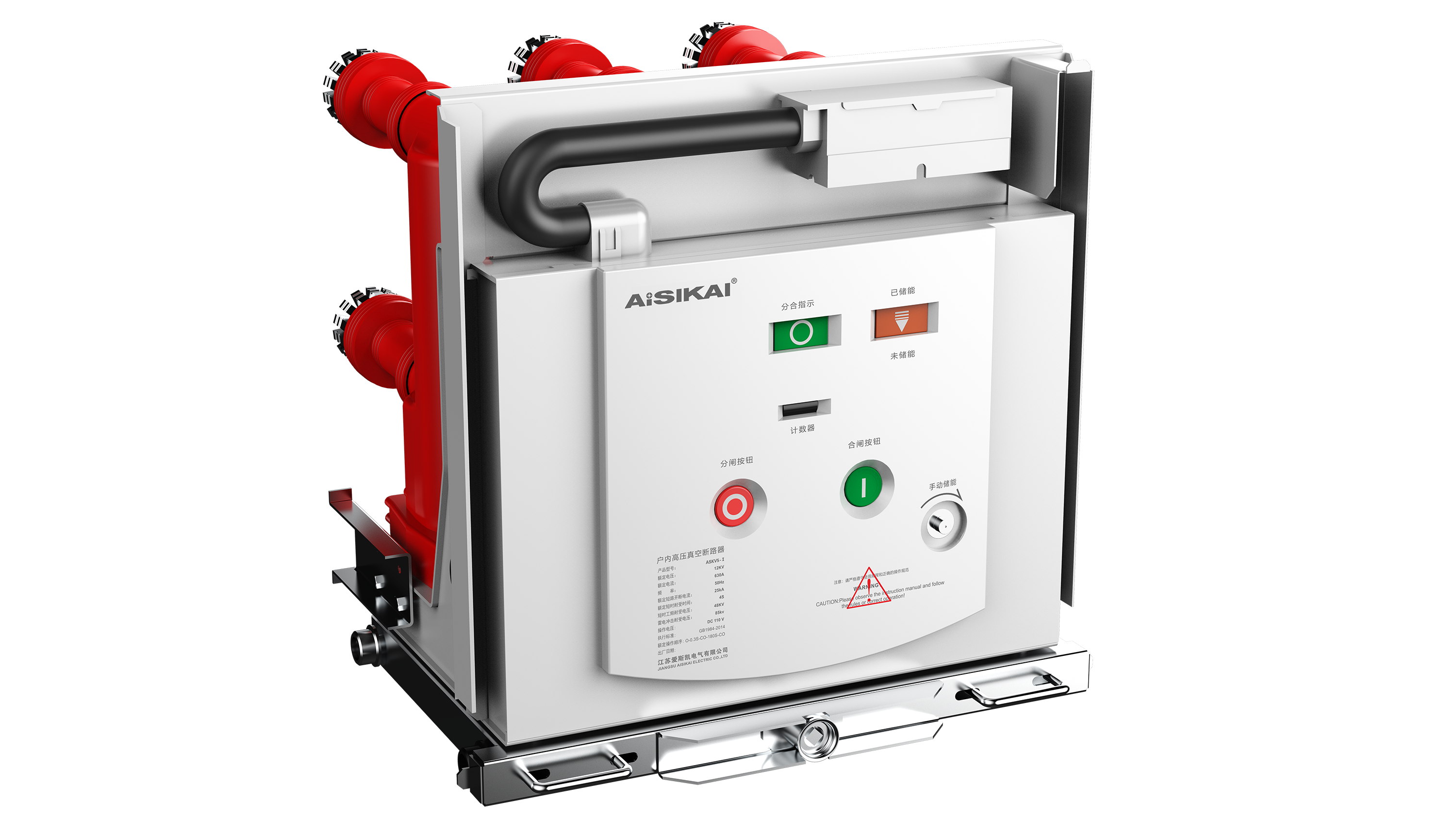
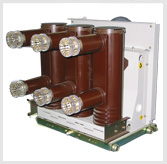
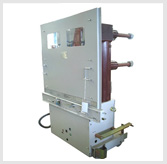
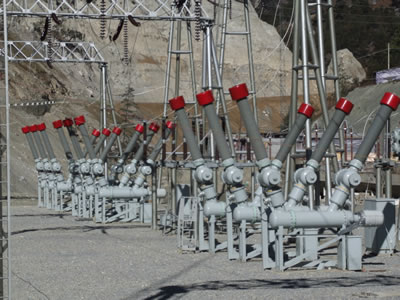
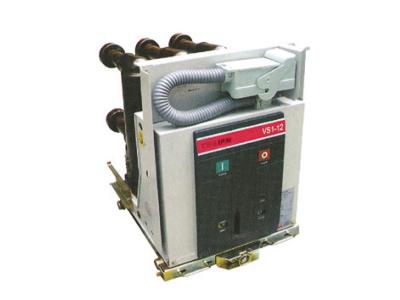
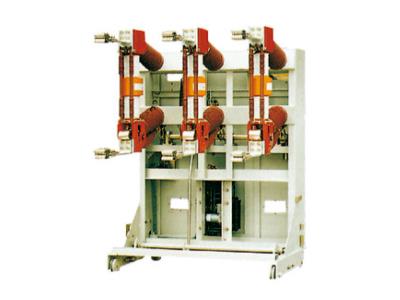
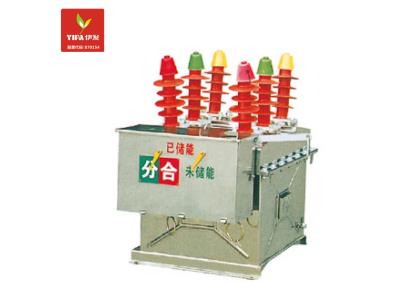
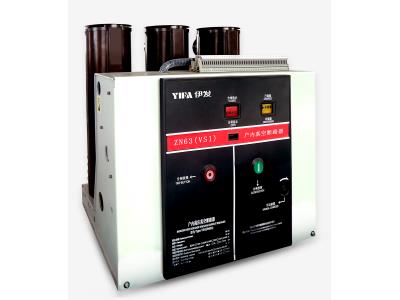
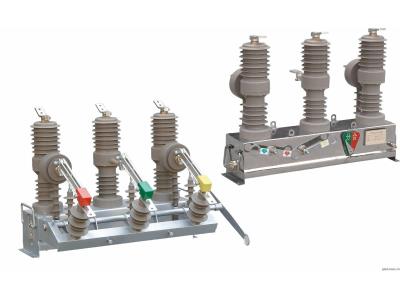
Vacuum Circuit Breakers
Source commercial-grade Vacuum Circuit Breakers from vetted manufacturers and suppliers. Designed for importers, distributors, and engineering brands seeking reliable medium-voltage protection at scale. Whether purchasing standard wholesale inventory or requiring custom OEM production, secure competitive bulk pricing and verified quality.
Sourcing medium-voltage vacuum circuit breakers (VCBs) requires strict attention to component integrity and international compliance. Because these units are critical for arc quenching and grid protection, supplier selection cannot be based on price alone. You need manufacturing partners capable of consistent vacuum interrupter production, rigorous mechanical testing, and reliable assembly.
Key Specifications for Bulk Procurement
When negotiating with manufacturers, vague specifications lead to inconsistent performance. VCBs are highly engineered products, and factories will often default to lower-tier internal components if exact parameters are not defined in your purchase order.
Contact Materials and Interrupter Design
The core of any VCB is the vacuum interrupter (VI). The contact material inside the VI determines the breaker's chopping current, arc erosion resistance, and overall lifespan. Specifying the right alloy is critical based on your end-market application.
| Contact Material | Conductivity | Arc Resistance | Typical Application |
|---|---|---|---|
| Copper-Chromium (CuCr) | High | Standard | General 12kV-36kV distribution networks |
| Tungsten-Copper (W-Cu) | Moderate | Excellent | Heavy-duty or high-frequency switching |
Manufacturing Controls and Quality Assurance
The manufacturing environment directly impacts the reliability of the vacuum interrupter. The brazing and assembly of the VI must occur in strict cleanroom conditions to prevent contamination, which can compromise the vacuum envelope and lead to catastrophic failure during a short-circuit event.
Before committing to a supplier, verifying their facility is essential. Relying on on-site factory audits ensures the manufacturer actually possesses the necessary vacuum brazing furnaces and cleanroom facilities, rather than just assembling pre-purchased, lower-grade interrupters.
Critical Factory-Level Tests
A reliable manufacturer should perform 100% routine testing on all units before packaging. Ensure your quality checklist includes:
Essential VCB Routine Tests
- Vacuum Degree Testing (using the magnetron discharge method)
- Mechanical Characteristic Testing (opening/closing speed, bounce time, overtravel)
- Power Frequency Withstand Voltage Test (dielectric strength)
- Main Circuit Resistance Measurement
Need to verify a supplier's cleanroom and testing capabilities before placing a volume order?
Talk to our teamFurthermore, if you are importing into highly regulated markets, the VCBs must comply with standards like IEC 62271-100. Coordinating proper compliance and testing through accredited third-party laboratories is often required to secure type-test certificates for your specific OEM configurations.
Pricing Drivers, MOQs, and Lead Times
VCBs are high-value, capital-intensive products. As a result, Minimum Order Quantities (MOQs) are generally low, typically ranging from 10 to 50 units depending on the level of customization.
Cost Drivers:
- Operating Mechanism: Spring-charged mechanisms are standard and cost-effective. Permanent magnetic actuators offer higher reliability and fewer moving parts but command a premium.
- Component Origin: Interrupters sourced from top-tier international brands (often requested for premium OEM lines) will significantly increase the unit cost compared to domestic Chinese interrupters.
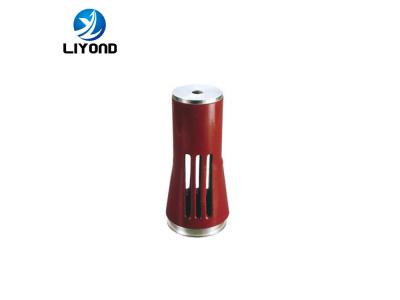
- Insulation Type: Solid insulated or embedded pole designs cost more than standard air-insulated cylinders but offer better protection in harsh environments.
Lead Times: Standard wholesale orders usually require 30 to 45 days for production. Custom OEM configurations, including specific control wirings or custom housing, can extend lead times to 60 days or more.
Because VCBs are heavy and contain fragile vacuum envelopes, proper packaging and handling are critical. Implementing strict quality control and inspection prior to container loading ensures that units are secured correctly, preventing micro-fractures in the interrupter ceramics during transit.
Planning a volume order and need help managing technical specs, factory negotiations, and quality control?
Get a free consultationFrequently Asked Questions
Executing a successful VCB sourcing strategy means moving beyond basic price negotiations and focusing heavily on component traceability and factory-level quality systems. By defining rigorous technical standards upfront and enforcing them on the factory floor, you protect your supply chain from costly field failures.
Get Sourcing Help for Vacuum Circuit Breakers
Tell us your requirements and our experts will connect you with verified manufacturers.