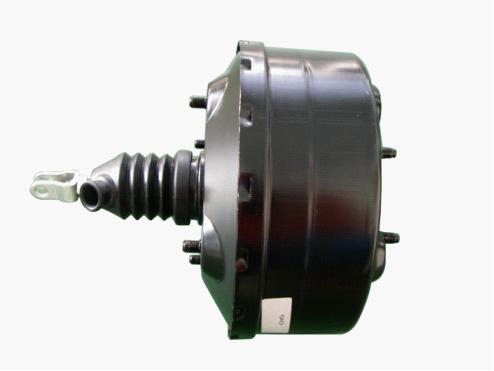
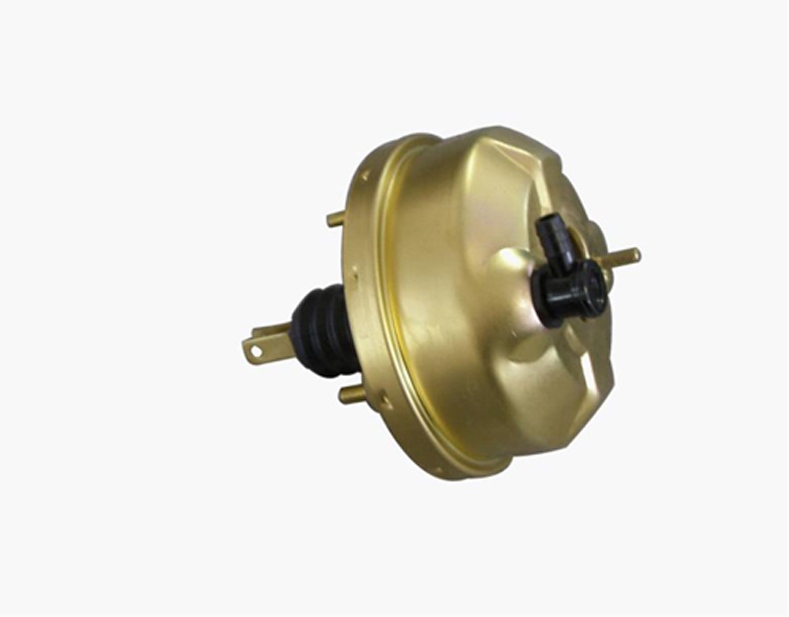
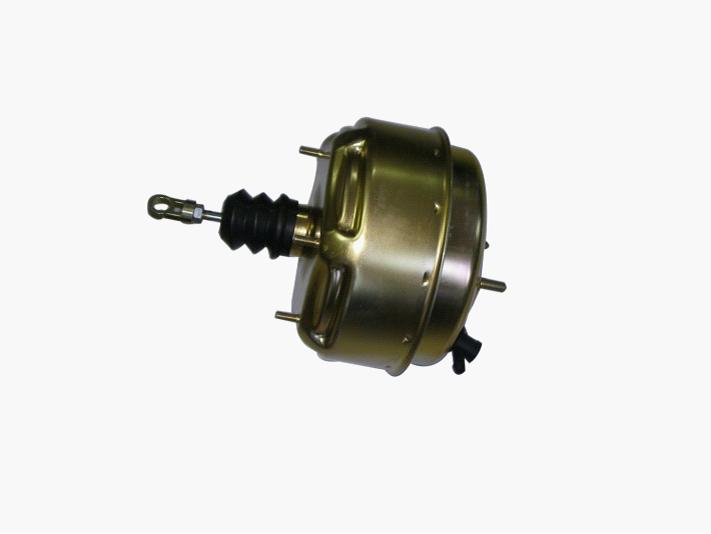
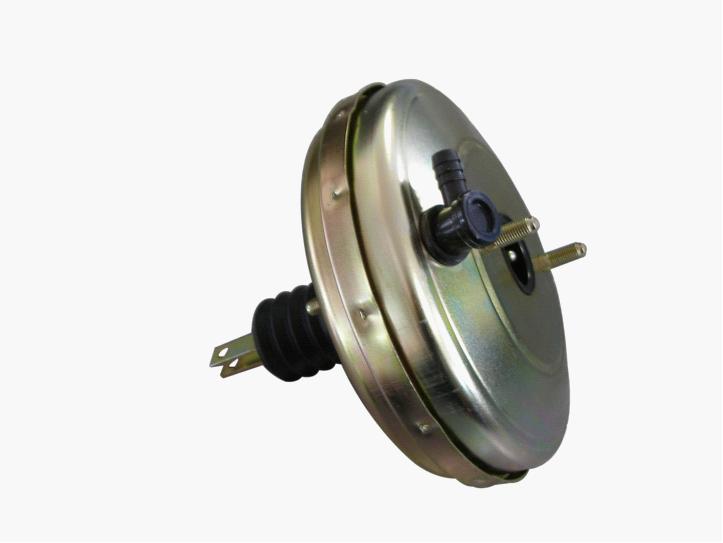
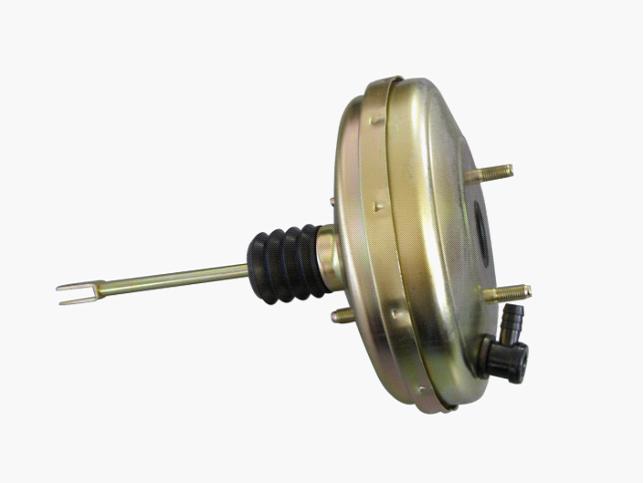
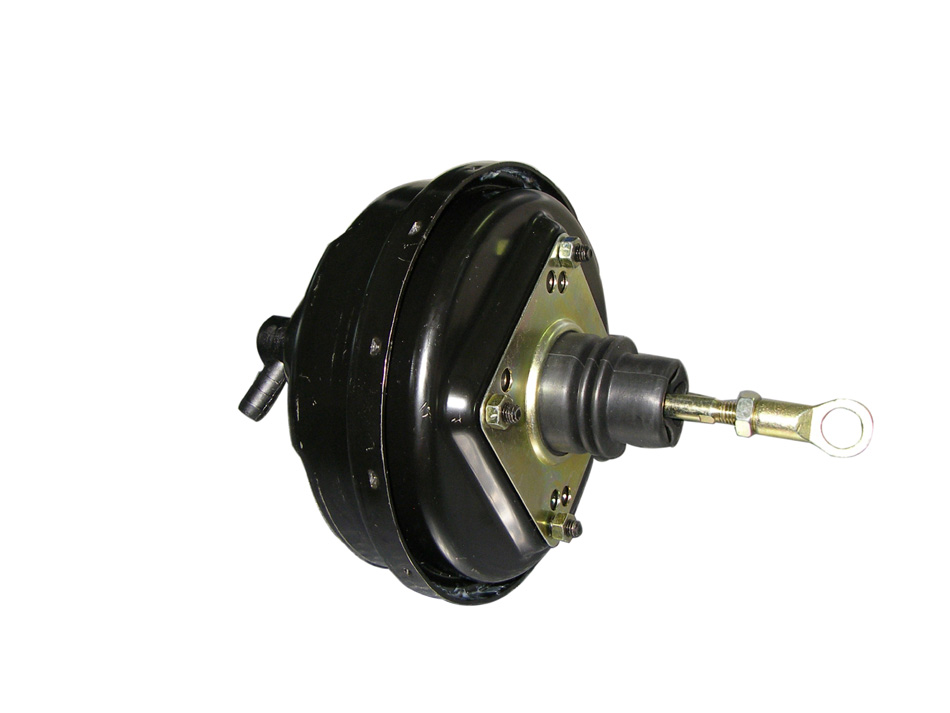
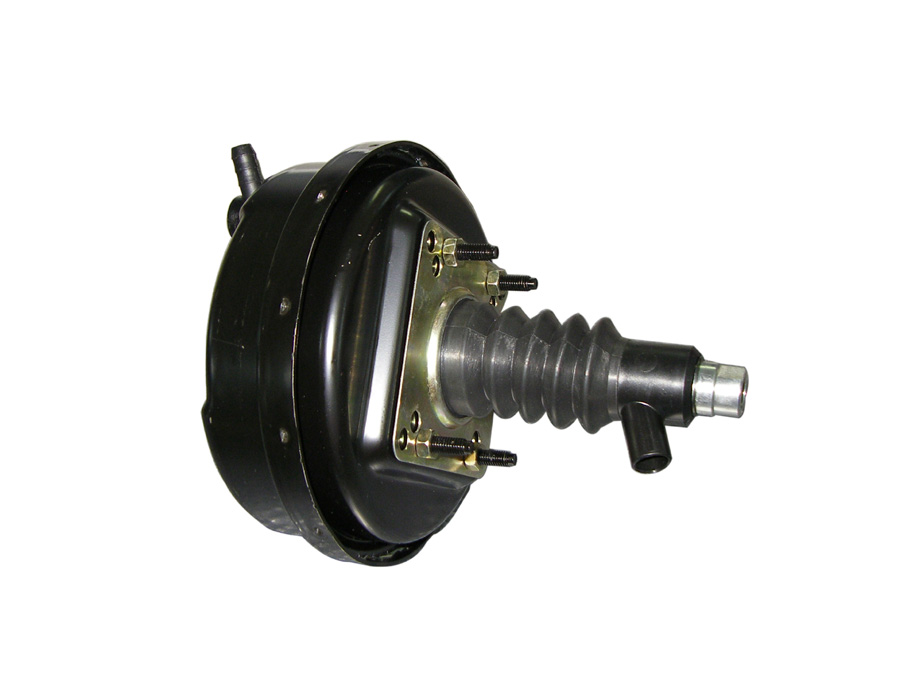
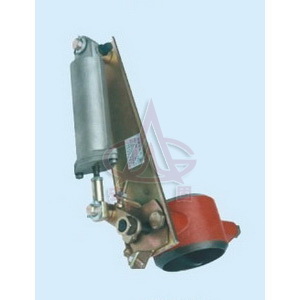
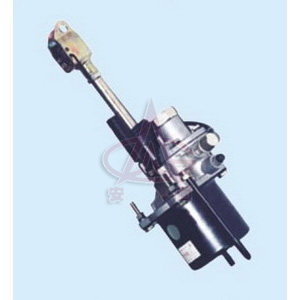
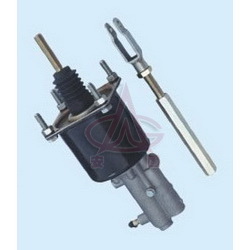
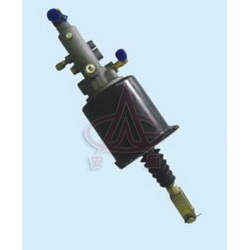
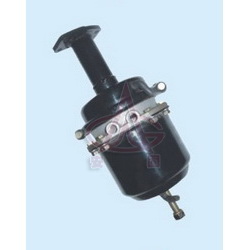
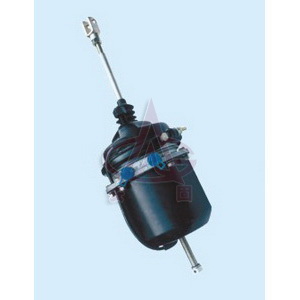
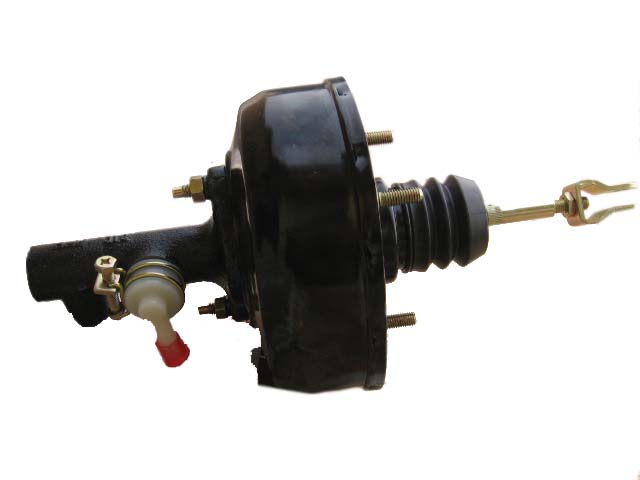
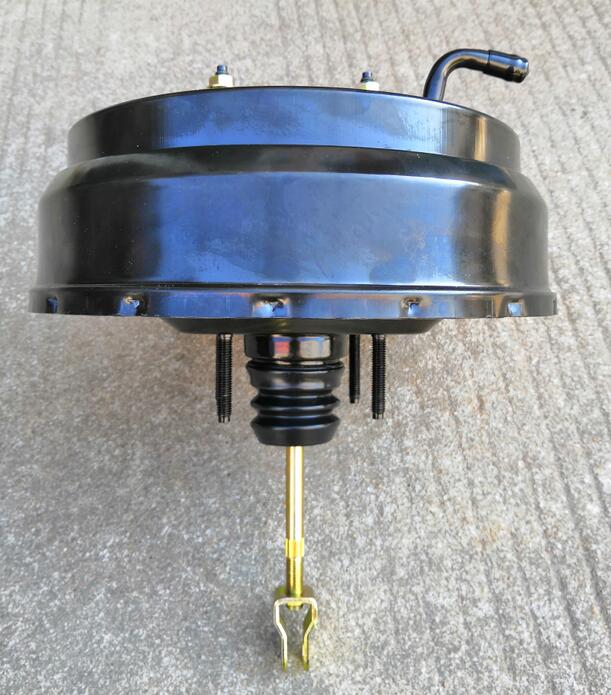
Vacuum Brake Booster Assemblies
Source reliable Vacuum Brake Booster Assemblies from vetted suppliers and manufacturers across Asia. Designed for automotive parts importers, wholesale distributors, and aftermarket brands, our network supports bulk procurement and custom OEM production. Partner with us for competitive pricing and strict quality assurance.
Sourcing vacuum brake booster assemblies requires balancing strict safety tolerances with cost-effective manufacturing. Because a failed booster directly compromises a vehicle's braking system, your supply chain must be anchored by factories with proven stamping, sealing, and testing capabilities. Procuring these units in bulk means navigating complex OEM specifications, verifying material longevity, and ensuring zero-defect production runs.
Key Technical Specifications for Bulk Buyers
When negotiating with manufacturers, vague specifications lead to inconsistent performance and high return rates. You must clearly define the internal and external parameters of the booster assembly to ensure it matches the target vehicle's master cylinder and pedal ratio.
Critical Specifications to Define
- Diaphragm Material: Specify high-grade EPDM or Nitrile rubber depending on operating temperature requirements and fluid exposure risks.
- Housing Material and Thickness: Typically deep-drawn steel (1.2mm to 1.5mm). Ensure corrosion-resistant surface treatments (e.g., electrophoresis or zinc plating) are specified.
- Boost Ratio: Must be precisely matched to the braking system design to provide correct pedal feel and stopping force.
- Pushrod Dimensions: Exact length, thread pitch, and clevis alignment are mandatory for seamless installation.
- Vacuum Check Valve: Specify the flow rate and cracking pressure to ensure reliable vacuum retention.
Depending on the vehicle application, you will typically source either single or tandem diaphragm designs. Make sure your supplier has the specific tooling required for your target market.
| Design Type | Typical Application | Space Requirement | Boost Force Output |
|---|---|---|---|
| Single Diaphragm | Compact & Light Passenger Vehicles | Standard diameter, shallow depth | Standard |
| Tandem Diaphragm | SUVs, Light Trucks & Commercial | Smaller diameter, extended depth | High (Multiplied) |
Managing complex automotive specifications across overseas factories is challenging. Let us help you align your technical requirements with capable manufacturers.
Talk to our teamManufacturing Tolerances and Quality Control
The reliability of a vacuum brake booster is won or lost during the crimping and sealing process. Even a microscopic leak in the housing or a slight misalignment of the return spring will result in a "hard pedal" for the end user.
Working with suppliers who hold active IATF 16949 certifications is non-negotiable for safety-critical automotive parts. However, paper certifications are not enough; conducting thorough factory audits ensures the supplier actually enforces these standards on the floor.
Precision Stamping
The front and rear shells are deep-drawn from steel. Tooling wear must be monitored closely to prevent thinning or micro-cracking in the metal.
Internal Assembly
The diaphragm, return spring, and control valve are assembled in a clean environment to prevent dust or debris from compromising the internal seals.
Crimping and Sealing
The two housing shells are locked together. The crimping pressure must be perfectly uniform to ensure an airtight seal without cutting the diaphragm edge.
End-of-Line Testing
100 percent of units must undergo vacuum leak testing and functional stroke testing before packaging.
To catch assembly errors before containers are loaded, implementing stringent third-party quality control and inspection protocols is highly recommended.
Pricing, MOQs, and Lead Times
Cost drivers for brake boosters include the current price of raw steel, the quality of the internal rubber components, and whether you are buying off-the-shelf aftermarket replacements or developing custom units. If you are a brand requiring specific performance characteristics or custom branding, utilizing professional OEM/ODM services will streamline the tooling and sampling phases.
Need to consolidate multiple SKUs or negotiate better MOQs with top-tier automotive suppliers? We can manage your sourcing strategy.
Get a free consultationFrequently Asked Questions
Sourcing safety-critical components like vacuum brake booster assemblies leaves no room for error in supplier selection or quality assurance. By partnering with experienced sourcing professionals, you can secure reliable production, maintain strict defect control, and protect your brand's reputation in the automotive aftermarket.
Get Sourcing Help for Vacuum Brake Booster Assemblies
Tell us your requirements and our experts will connect you with verified manufacturers.