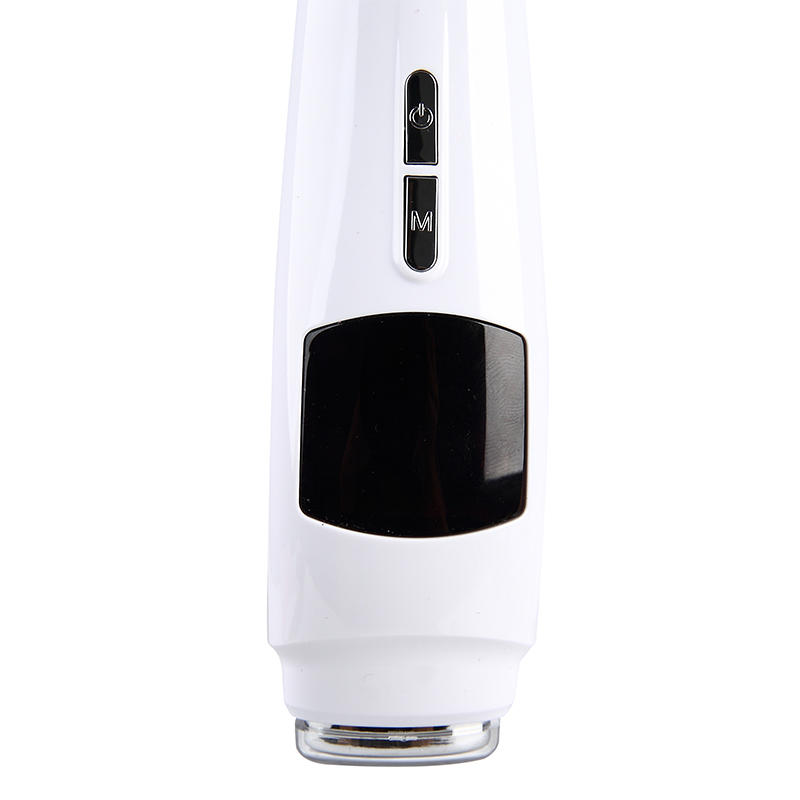
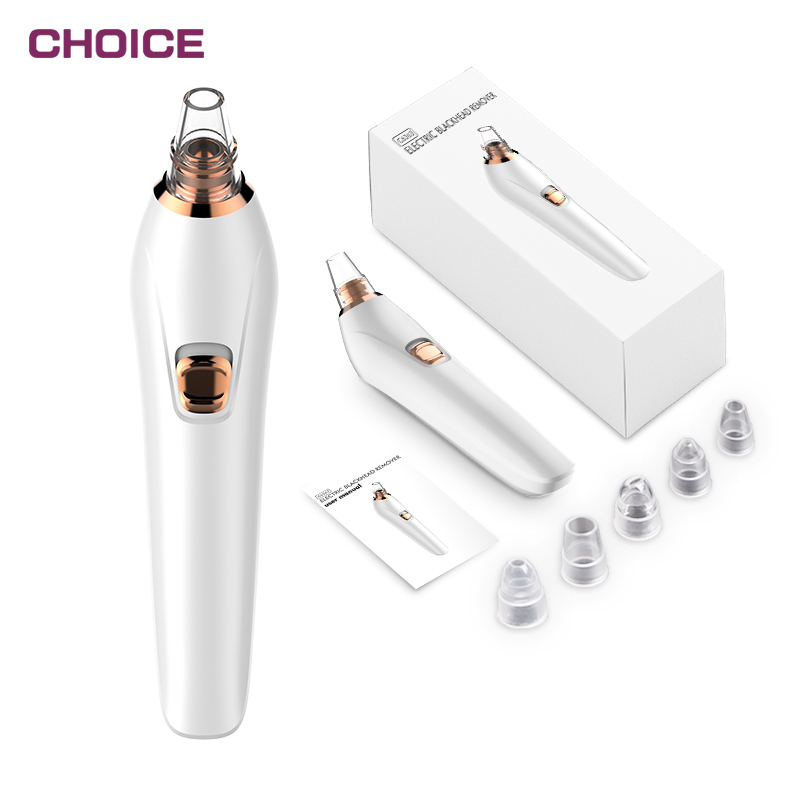
Vacuum Blackhead Removers
Source bulk vacuum blackhead removers directly from vetted manufacturers and wholesale suppliers. Designed for importers, distributors, and beauty brands seeking reliable OEM/ODM production, this catalog connects you with factories capable of high-volume manufacturing, custom tooling, and strict quality compliance.
Sourcing vacuum blackhead removers at scale requires balancing effective extraction power with strict skin safety parameters. While the market is saturated with low-cost units, professional buyers know that reliable performance hinges on the quality of the internal air pump, battery stability, and the precision of the suction probes. A device that loses suction after a month or causes skin bruising due to poor pressure regulation will quickly damage a brand's reputation.
Core Specifications and Component Quality
When evaluating manufacturers, the internal architecture of the device dictates its retail viability. The core mechanism relies on a miniature air pump, which must deliver consistent negative pressure without overheating or draining the battery prematurely.
| Component | Standard Market Unit | Premium / Brand Grade |
|---|---|---|
| Air Pump | Basic rotary pump (inconsistent pressure) | Precision diaphragm pump (stable suction) |
| Suction Power | Up to 55 kPa | 60 to 65 kPa (multi-level adjustable) |
| Battery Capacity | 400mAh (unbranded, high degradation) | 800mAh+ (UL/CB certified lithium-ion) |
| Probe Material | Standard ABS plastic | Medical-grade PC or silicone-edged |
Beyond the basic hardware, many modern units incorporate additional technologies such as hot compress modules to open pores prior to extraction, or integrated macro-cameras with WiFi modules for visual feedback via a smartphone app. These features significantly increase the complexity of the PCBA (Printed Circuit Board Assembly) and require factories with higher technical capabilities.
Navigating supplier capabilities for beauty electronics can be complex. Let us help you verify factory credentials and secure reliable manufacturing partners.
Talk to our teamManufacturing Tolerances and Quality Control
The primary failure points in vacuum blackhead removers occur during assembly, specifically regarding the airtight seal of the pump housing and the alignment of the replaceable probes. If the internal silicone tubing is pinched or the housing is improperly sealed, suction drops dramatically.
Implementing rigorous Quality Control & Inspection protocols is essential. Factory testing should not rely solely on manual "feel" tests; legitimate manufacturers use digital manometers to verify that every unit meets the specified kilopascal (kPa) rating across all power settings.
Critical Pre-Shipment Inspection Points
- Suction consistency testing using digital pressure gauges across all speed levels.
- Battery charge/discharge cycle testing to identify parasitic drain or faulty cells.
- Probe fitment verification to ensure airtight seals without excessive removal force.
- Housing drop tests to verify the integrity of the internal pump mounts.
- Visual inspection of PCBA soldering, especially on units with heating elements or cameras.
If you are developing a custom product, utilizing professional OEM/ODM Services ensures that your specific tooling requirements—such as custom probe shapes or proprietary housing designs—are engineered for mass production without compromising the internal airtight seal.
Pricing Drivers, MOQs, and Lead Times
Unit costs for vacuum blackhead removers vary widely based on internal components, battery certification, and secondary features. A basic unit with a standard pump and low-capacity battery can be sourced very cheaply, while visual (camera-equipped) or hot-compress models command higher premiums.
When negotiating with factories, be aware that lowering the price often means the supplier will substitute the diaphragm pump for a cheaper alternative or use uncertified batteries. Always specify your component requirements clearly in the purchase order.
Need help negotiating MOQs or managing custom tooling? Our sourcing experts can streamline your purchasing process and protect your margins.
Get a free consultationCompliance and Certification
Importing beauty electronics requires strict adherence to regional regulations. Devices must generally comply with CE (EMC and LVD directives) for Europe, and FCC regulations for the United States. Furthermore, because these devices come into direct contact with the skin, the plastics used for the probes should be RoHS compliant and ideally verified for biocompatibility. Leveraging professional Compliance & Testing services ensures your shipment won't be held up at customs due to missing or invalid documentation.
Success in sourcing vacuum blackhead removers comes down to component transparency. By specifying exact pump types, battery capacities, and strict kPa tolerances upfront, you protect your brand from the inconsistencies that plague the lower end of the market. Working with an experienced sourcing partner ensures these specifications are met on the factory floor, shipment after shipment.
Get Sourcing Help for Vacuum Blackhead Removers
Tell us your requirements and our experts will connect you with verified manufacturers.