Utility Knives
Source high-quality utility knives from vetted suppliers and manufacturers across Asia. Designed for importers, wholesalers, and office supply brands, our network supports bulk wholesale orders and custom OEM/ODM production. Secure reliable manufacturing, competitive pricing, and strict quality control for your cutting supplies.
Sourcing utility knives at scale requires balancing aggressive unit costs with mechanical reliability and user safety. For volume buyers, a failing locking mechanism or a brittle blade can quickly turn a profitable SKU into a liability. Success in this category depends heavily on selecting the right factory, specifying the correct metallurgy, and enforcing strict tolerances on the assembly line.
Core Specifications and Material Selection
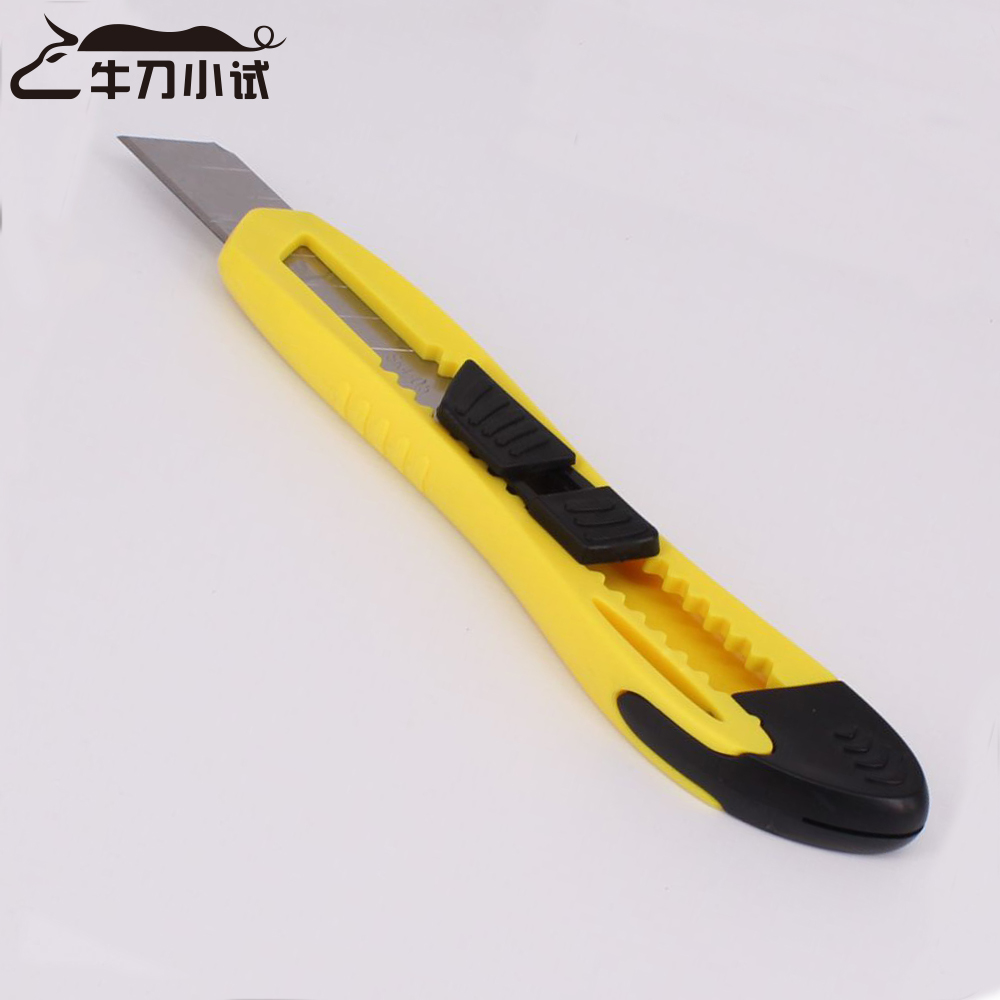
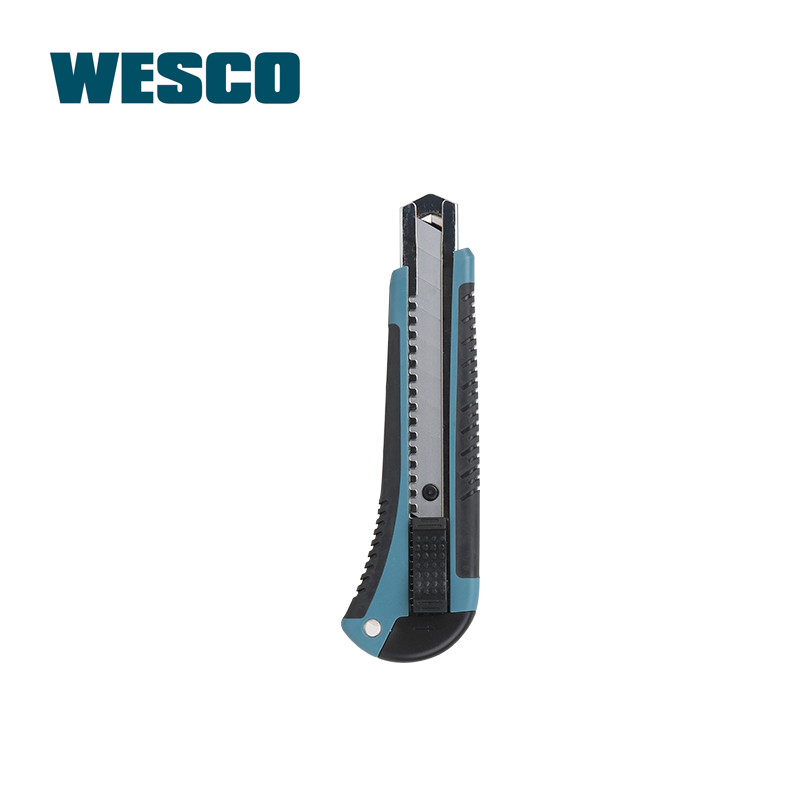
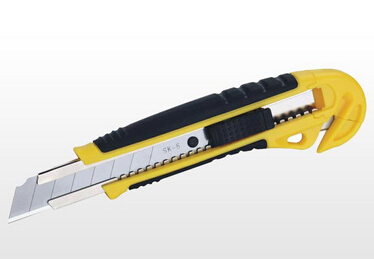
The performance of a utility knife is dictated by the interaction between the blade, the housing, and the locking mechanism. When negotiating with manufacturers, vague specifications lead to material substitution. You must define the exact grades and dimensions required for your market segment.
| Component | Standard Office Specification | Heavy-Duty Specification |
|---|---|---|
| Blade Material | Standard Carbon Steel | SK5 Tool Steel |
| Blade Thickness | 0.3mm to 0.4mm | 0.5mm to 0.6mm |
| Housing Material | Injection-molded ABS | Die-cast Zinc Alloy |
| Grip/Overmold | None (Textured ABS) | TPR (Thermoplastic Rubber) |
| Locking Mechanism | Plastic Auto-lock | Metal Screw-lock or Heavy-duty Auto-lock |
Blade Metallurgy and Hardness
The industry standard for premium utility blades is SK5 high-carbon steel, known for its ability to hold an edge and snap cleanly at the score lines. Hardness should typically measure between 59 and 63 HRC. If the heat treatment process is poorly controlled, the steel becomes too brittle, causing the blade to shatter rather than snap cleanly, creating a severe safety hazard.
Housing and Track Tolerances
The internal metal track (usually stainless steel or cold-rolled steel) must align perfectly with the plastic or zinc housing. If the injection molding process leaves flash (excess plastic) inside the housing, the blade will jam. Conversely, if the track is too loose, the blade will wobble during use, reducing cutting precision and increasing the risk of snapping under lateral pressure.
Need help verifying a manufacturer's tooling and injection molding capabilities? We can evaluate supplier facilities before you commit to production.
Talk to our teamManufacturing Risks and Quality Control
Quality is won or lost on the factory floor during assembly and heat treatment. Relying solely on a supplier's internal QC often results in high defect rates upon arrival. Implementing rigorous Quality Control & Inspection protocols is essential to catch mechanical and cosmetic flaws before shipment.
Critical Pre-Shipment Inspection Points
- Auto-lock load resistance: Ensure the lock holds under standard cutting pressure (typically tested up to 15-20kg of force).
- Blade extension and retraction: The slider must move smoothly without grinding or requiring excessive force.
- Snap-off performance: Blades must break cleanly at the score line using the provided end-cap tool.
- Drop testing: Housings (especially ABS) must survive standard drop tests without cracking or separating.
- Cosmetic finish: Check for TPR overmold peeling, injection molding flash, and consistent Pantone color matching.
If you are developing a custom design or making modifications to the housing ergonomics, conducting thorough Factory Audits ensures your chosen supplier has the necessary R&D and tooling capacity to execute your designs accurately.
Pricing, MOQs, and Production Lead Times
The utility knife market is highly commoditized, meaning pricing is heavily dependent on raw material costs, order volume, and the level of customization.
When utilizing OEM/ODM Services for private labeling, expect to invest in custom tooling if you are altering the physical shape of the housing. For simple branding, pad printing or laser engraving on the metal track are cost-effective methods that do not require high MOQs.
Looking to consolidate your office cutting supplies? Let our sourcing experts negotiate pricing, manage MOQs, and oversee your entire production run.
Get a free consultationFrequently Asked Questions
Sourcing utility knives successfully means looking past the surface aesthetics and focusing on the internal mechanics and metallurgy. By defining exact material specifications and enforcing rigorous mechanical testing, volume buyers can secure high-performance cutting tools that protect their brand's reputation and bottom line.
Get Sourcing Help for Utility Knives
Tell us your requirements and our experts will connect you with verified manufacturers.