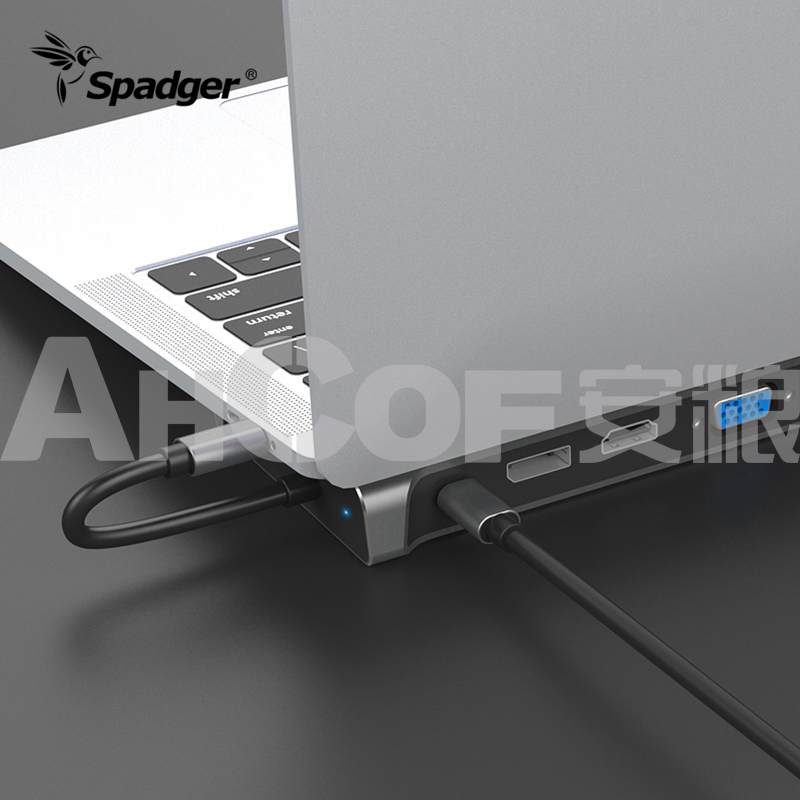
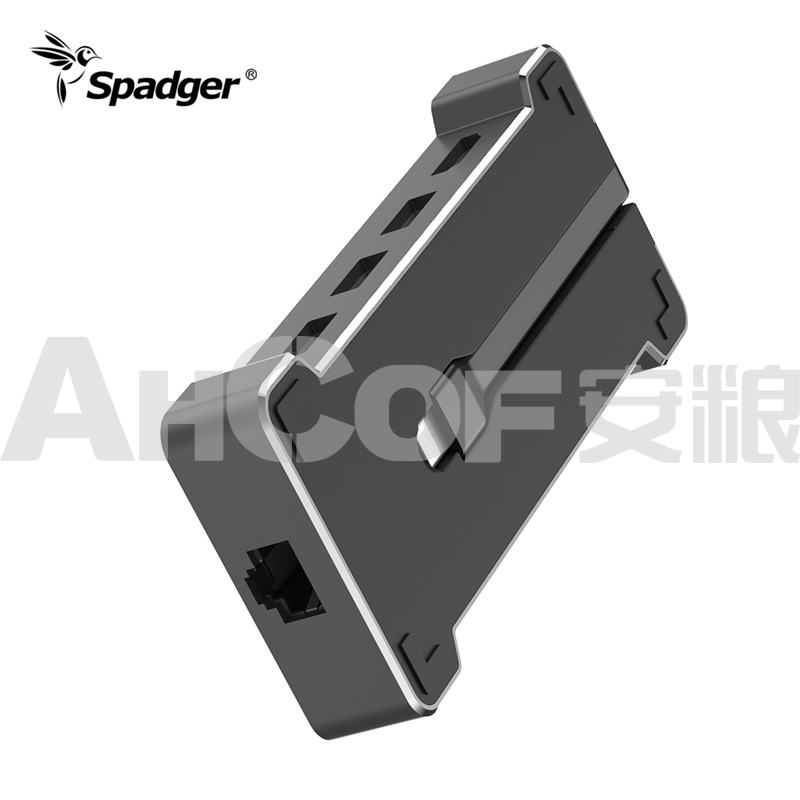
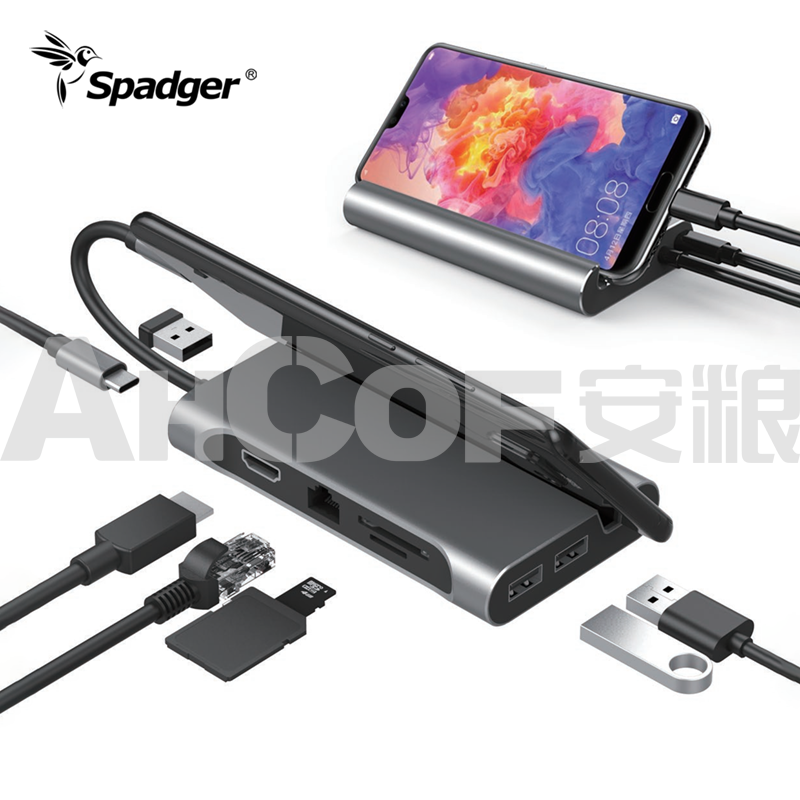
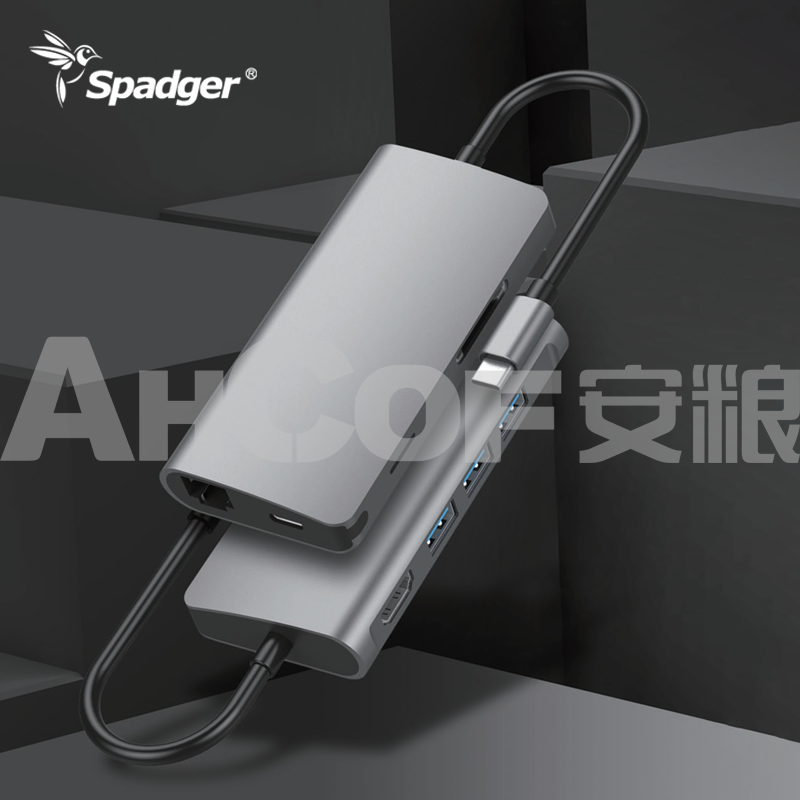
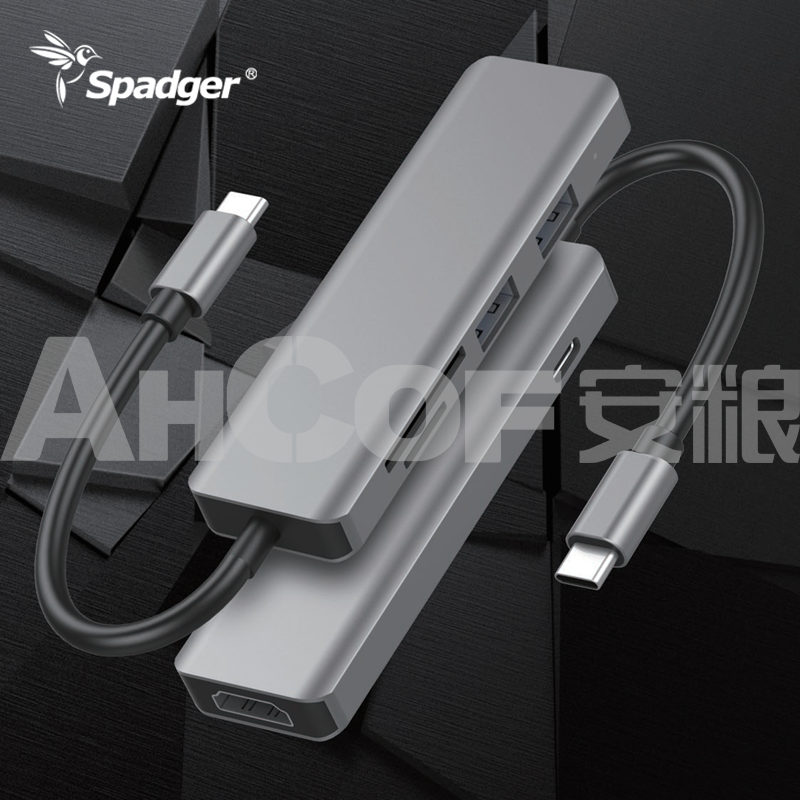
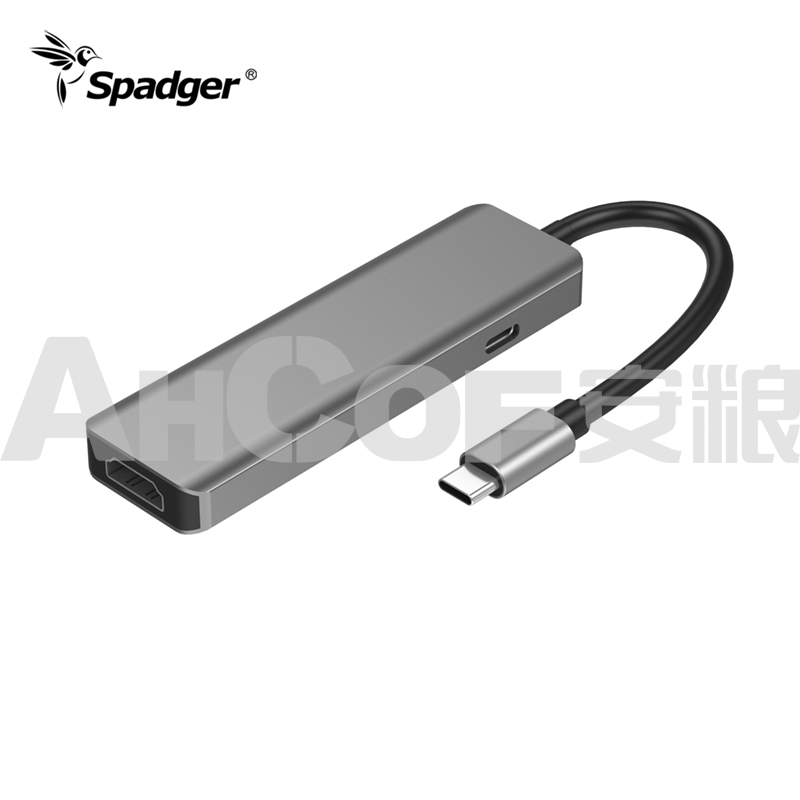
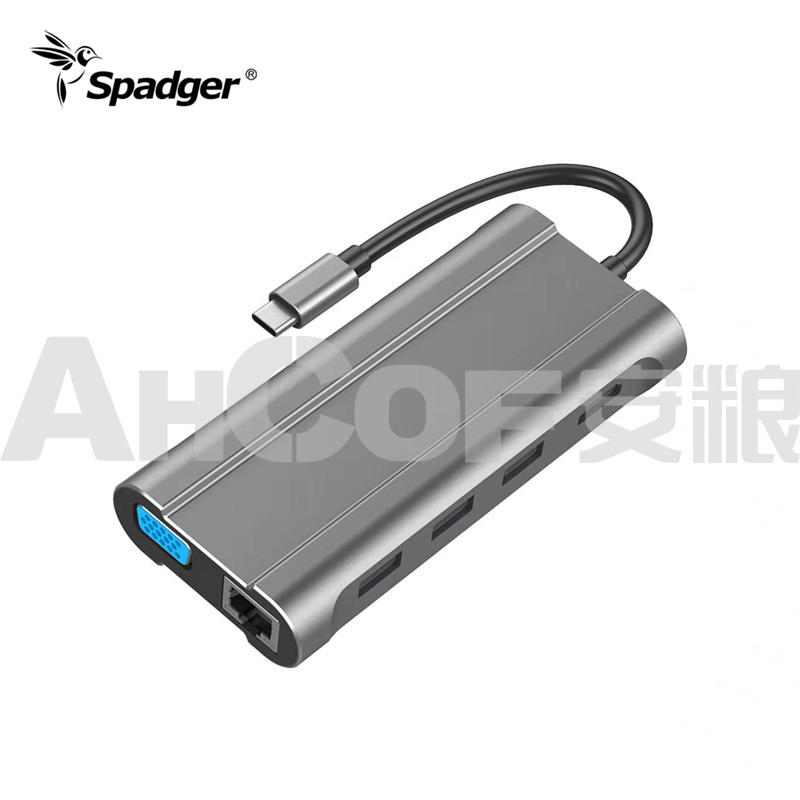
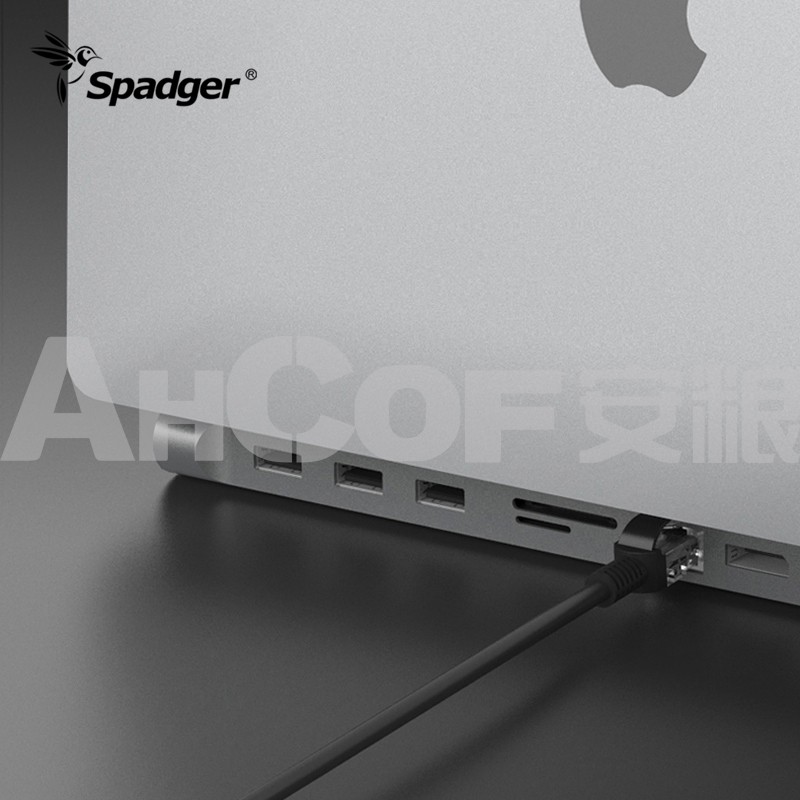
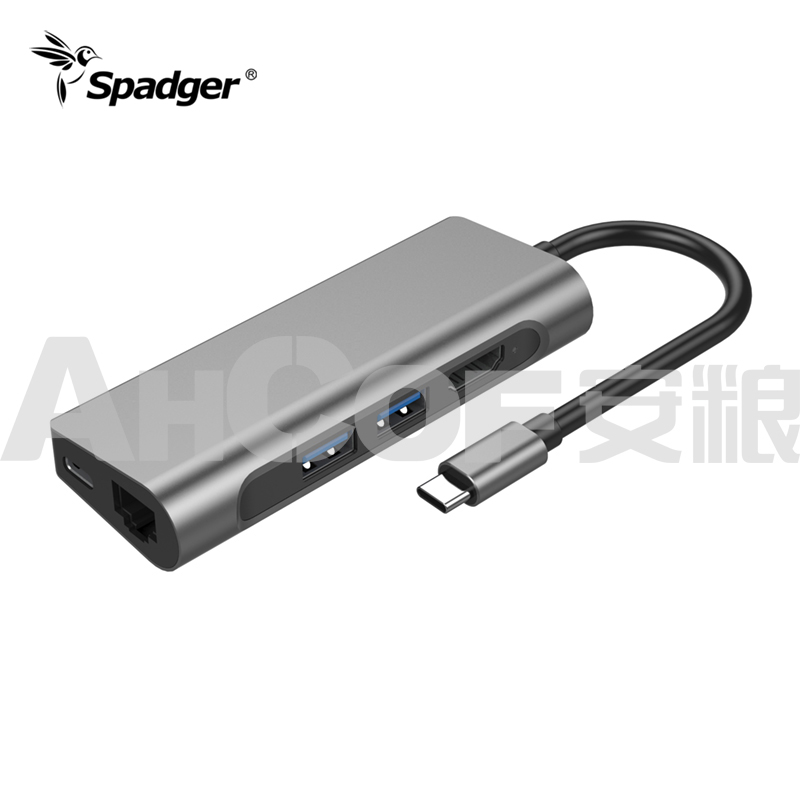
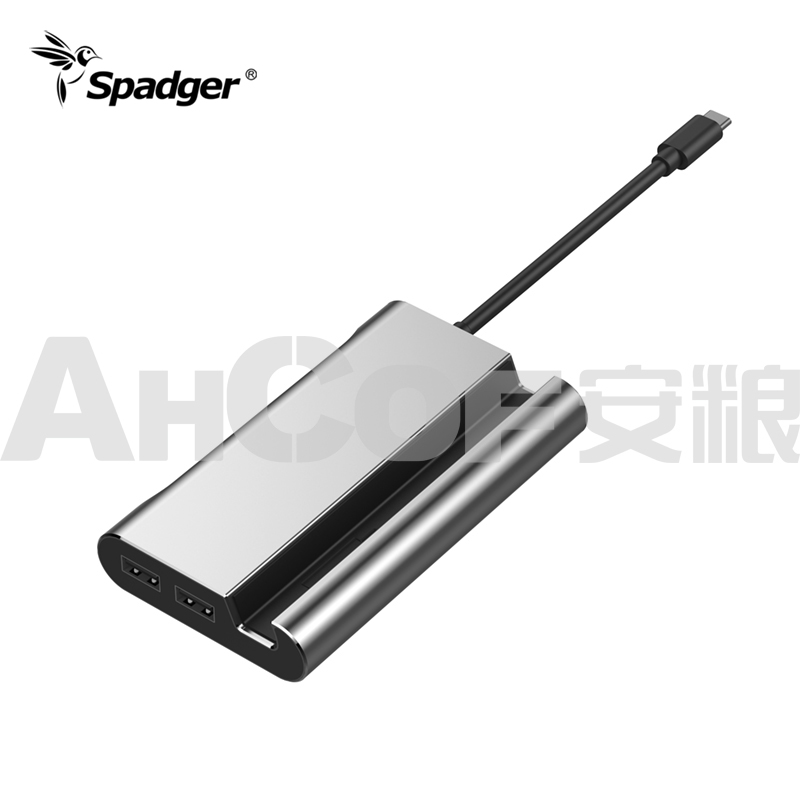
USB Hubs
Source bulk and wholesale USB Hubs directly from vetted manufacturers and suppliers. Designed for importers, electronics distributors, and brands seeking reliable OEM and private-label production, this selection covers high-performance connectivity solutions ready for global markets.
Sourcing USB hubs in volume requires navigating a highly fragmented manufacturing landscape where premium surface aesthetics often mask subpar internal architectures. For B2B buyers, the primary challenge is ensuring stable data transmission, reliable power delivery, and adequate thermal management across multiple active ports without chipset failure or bandwidth throttling.
Core Specifications and Component Selection
The reliability of a USB hub is dictated almost entirely by its Printed Circuit Board Assembly (PCBA) and the specific controller ICs utilized. When specifying production runs, buyers must dictate the exact chipsets (such as those from Realtek, VIA, or Genesys Logic) rather than relying on generic "USB 3.0" or "Type-C" designations.
| Specification | Standard Office Hubs | Premium/Docking Hubs |
|---|---|---|
| Uplink Interface | USB-A or basic USB-C (5Gbps) | USB-C 3.2 Gen 2 (10Gbps) or USB4 (40Gbps) |
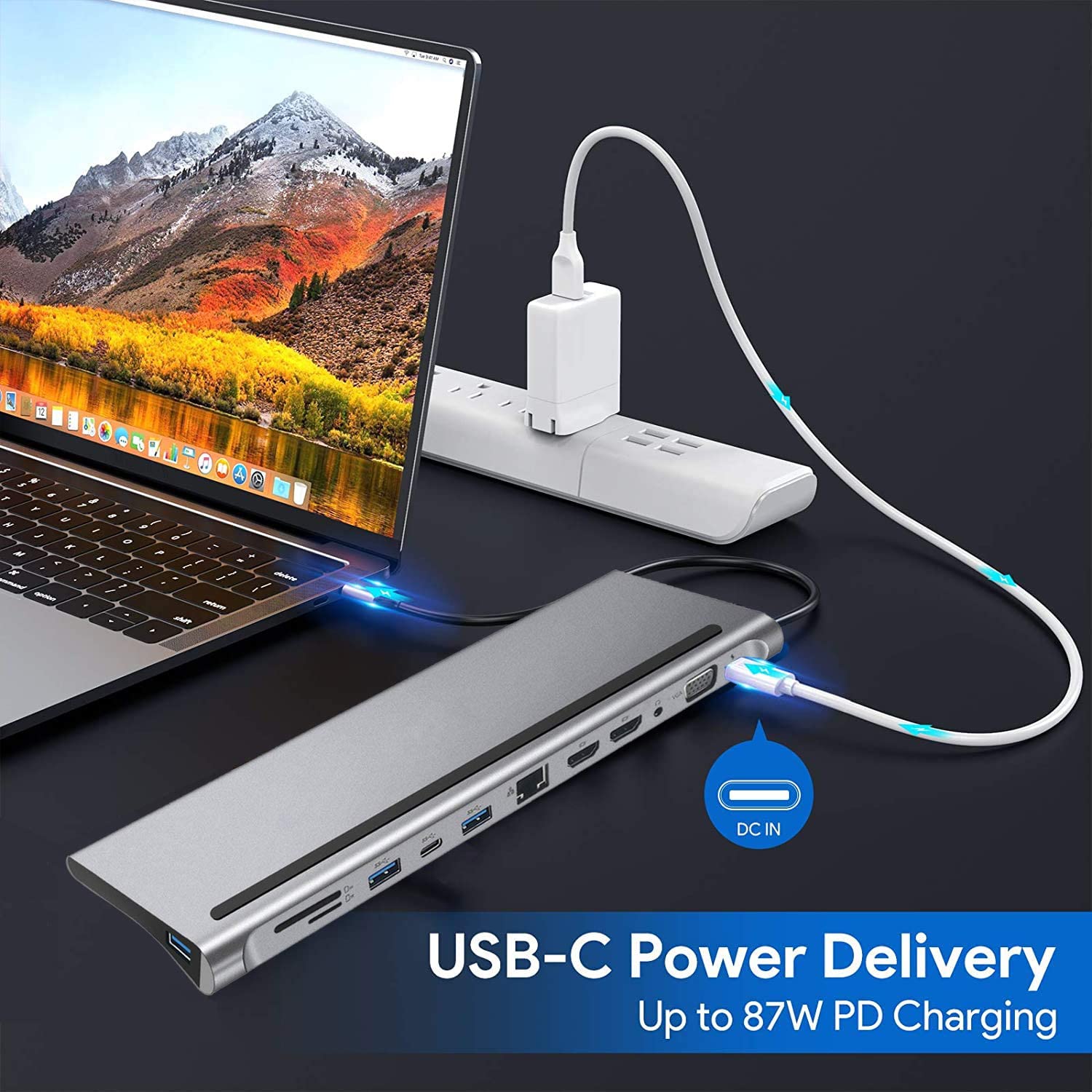
| Power Delivery (PD) | Bus-powered (No PD) | Self-powered or PD Passthrough up to 100W+ |
| Video Output | None or Single HDMI (4K@30Hz) | Dual/Triple Display (4K@60Hz, MST support) |
| Enclosure Material | ABS / Polycarbonate | CNC Aluminum Alloy with internal thermal pads |
When engaging in OEM/ODM Services to develop custom peripherals, ensure your bill of materials (BOM) specifies the exact power negotiation protocols. A hub claiming "100W PD" must feature a dedicated PD controller chip to safely negotiate voltage and current between the power adapter, the hub, and the host device.
Developing a custom high-performance USB hub? We can help you source the right components and vetted assembly partners.
Talk to our teamThermal Management and EMI Shielding
Two of the most common failure points in multi-port USB-C hubs are thermal throttling and Electromagnetic Interference (EMI).
- Thermal Dissipation: Hubs handling 100W power passthrough and dual 4K video outputs generate significant heat. If the internal temperatures exceed 70 degrees Celsius, the controller ICs will throttle bandwidth or drop connections entirely. Aluminum enclosures are standard for high-end models, but they must be coupled with internal thermal conductive silicone pads bridging the PCBA to the metal shell.
- EMI / RFI Interference: USB 3.0 data transmission operates at frequencies that can create broadband noise in the 2.4GHz spectrum. Poorly shielded hubs will cause severe interference with wireless mice, keyboards, and nearby Wi-Fi signals. Shielding tape or metal cans over the internal connectors are mandatory for quality builds.
Critical Factory Inspection Checks
- Verify EMI shielding implementation (copper foil or metal shielding cans on USB 3.0 ports).
- Test PD passthrough under maximum load to monitor thermal limits and voltage stability.
- Perform multi-port concurrent stress tests (simultaneous read/write on all ports).
- Check port insertion/extraction lifecycle durability (minimum 5,000 to 10,000 cycles).
Implementing rigorous Quality Control & Inspection prior to shipment is the only way to catch these invisible internal defects before they reach your warehouse.
Pricing Drivers, MOQs, and Lead Times
The pricing of a USB hub is highly elastic, driven primarily by the controller ICs, the number of active ports, and the enclosure material.
When sourcing, be aware that global semiconductor shortages can heavily impact lead times for specific high-end controllers (like DisplayLink chips or Thunderbolt 4 controllers). Conducting thorough Factory Audits helps verify that a supplier has genuine direct relationships with IC distributors and isn't relying on volatile spot markets, which can jeopardize your production schedule.
Need to negotiate better bulk pricing or verify a factory's component supply chain? Let our sourcing experts handle it.
Get a free consultationFrequently Asked Questions
Successful USB hub procurement requires looking past the outer shell and scrutinizing the internal architecture. By dictating exact chipset requirements, demanding rigorous EMI shielding, and enforcing strict thermal testing, buyers can secure reliable peripherals that meet the demands of modern data and power environments.
Get Sourcing Help for USB Hubs
Tell us your requirements and our experts will connect you with verified manufacturers.