USB Battery Charger
Source wholesale USB battery chargers directly from vetted manufacturers and suppliers. Designed for electronics importers, distributors, and brands seeking reliable OEM and private-label production. Secure competitive bulk pricing on compliant, high-performance charging solutions for your global market demands.
Sourcing USB battery chargers requires navigating a crowded manufacturing landscape where external appearance often masks internal compromises. For volume buyers, the priority is securing reliable, compliant hardware that integrates modern power delivery protocols without risking thermal failure or battery degradation. Success in this category depends on specifying the right internal components and maintaining strict oversight over assembly.
Core Specifications and Component Selection
The performance of a USB battery charger is dictated by its Printed Circuit Board (PCB) design and the quality of its Integrated Circuits (ICs). When engaging with suppliers, specifying the exact charging protocols and channel architecture is critical.
| Architecture | Standard Multi-Channel | Smart Independent Channel |
|---|---|---|
| Circuit Design | Shared charging current across slots | Dedicated MCU controller per slot |
| Battery Detection | Basic voltage cutoff | Automatic Li-ion/NiMH detection |
| Display Output | Simple LED indicators | LCD with voltage and capacity readout |
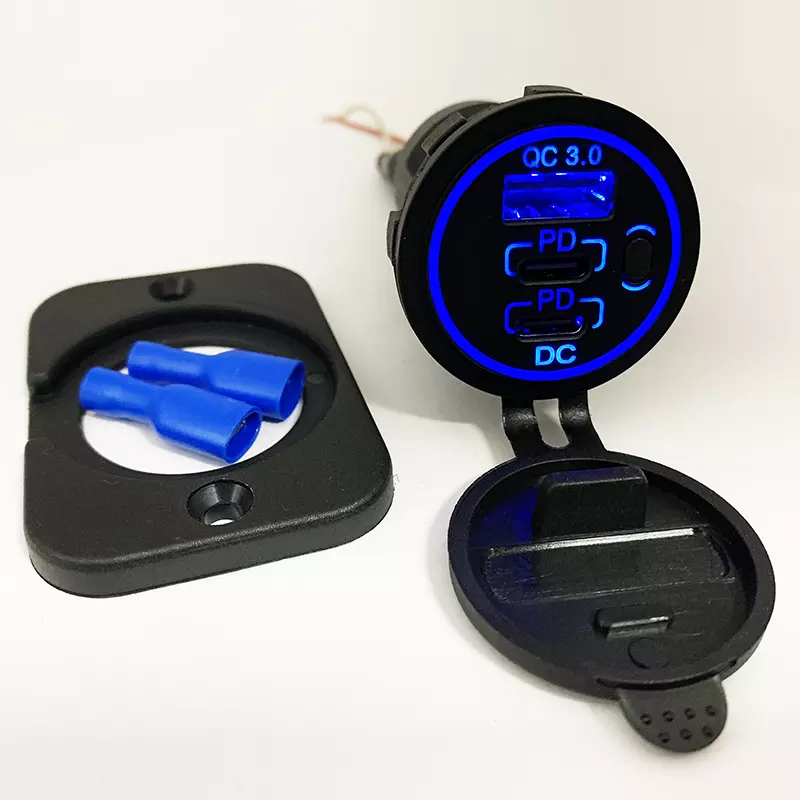
For modern applications, Type-C inputs supporting 5V/2A or 9V/2A (Quick Charge/Power Delivery) are becoming the baseline. Insisting on independent charging channels ensures that batteries of different capacities or chemistries can be charged simultaneously without triggering premature cutoff or overcharging.
Struggling to find a manufacturer that meets your technical specifications? Let us match you with a vetted supplier.
Talk to our teamManufacturing Quality and Common Pitfalls
The gap between a prototype and mass production often reveals itself in the Surface Mount Technology (SMT) process and mechanical assembly. Poor thermal management on the PCB or weak spring contacts in the battery sled will lead to high defect rates and customer returns.
Before committing to a production run, verifying the manufacturer's capabilities through thorough Factory Audits is highly recommended. You need to ensure they have automated SMT lines and rigorous testing protocols, rather than relying on manual soldering for critical components.
Factory-Floor Quality Checklist
When implementing Quality Control & Inspection, instruct your inspectors to verify these specific failure points:
- Spring tension and contact plating: Ensure sliding contacts maintain tension and use anti-corrosive plating to prevent resistance buildup.
- Thermal dissipation: Verify that power MOSFETs have adequate spacing or heat sinking to prevent housing deformation during full-load charging.
- Over-voltage and short-circuit testing: Conduct active tests to ensure the IC cuts power instantly upon detecting a reverse-polarity insertion.
- PCB soldering quality: Inspect for cold solder joints, especially around the USB port anchors which endure high mechanical stress.
Compliance Verification
Customs authorities strictly enforce electrical safety standards. Ensure your supplier can provide valid, verifiable test reports for CE (EMC/LVD), FCC, and RoHS. Partnering with experts for Compliance & Testing before shipment prevents costly delays at the border.
Pricing, MOQ, and Production Realities
Unit costs for USB battery chargers are driven primarily by the complexity of the IC, the type of display (LED vs. LCD), and the quality of the housing plastics (e.g., fire-retardant PC/ABS blends).
If you are pursuing OEM/ODM Services to develop a custom housing or proprietary charging interface, expect MOQs to start at 5,000 units to absorb the cost of new injection molds. Custom tooling typically adds 20 to 30 days to the initial lead time.
Need realistic pricing and lead times for your custom charger project? Speak with our sourcing engineers today.
Get a free consultationBuyer FAQ
Sourcing USB battery chargers at scale is an exercise in risk management. By clearly defining your internal component requirements and maintaining strict oversight over the assembly and testing processes, you can secure reliable products that protect your brand's reputation. Working with experienced partners on the ground ensures your specifications translate accurately to the factory floor.
Get Sourcing Help for USB Battery Charger
Tell us your requirements and our experts will connect you with verified manufacturers.