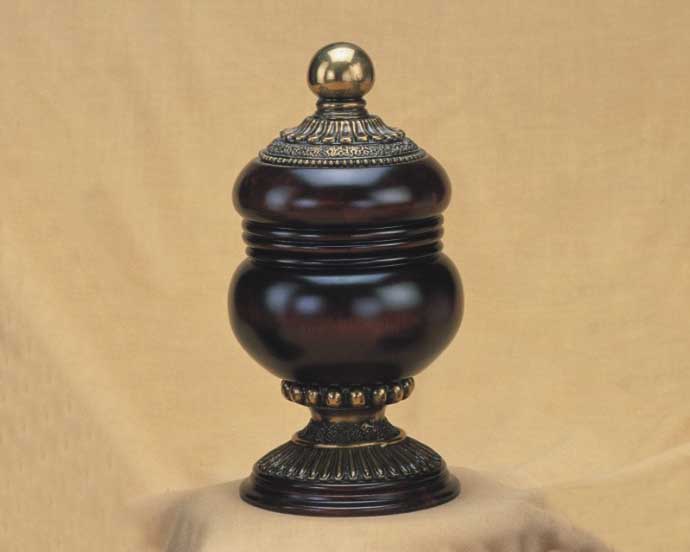
Urns & Jars
Source high-quality decorative urns and jars from vetted manufacturers and wholesale suppliers across Asia. Designed for importers, home decor distributors, and brands seeking reliable OEM and private-label production, our network delivers consistent quality, precise finishes, and scalable volume for your bulk purchasing needs.
Sourcing decorative urns and jars at volume requires navigating a complex intersection of material science, aesthetic finishing, and fragile-goods logistics. Whether you are importing oversized floor urns or intricate tabletop jars, the primary challenge lies in achieving consistent dimensions, flawless surface finishes, and zero-breakage transit. Successful procurement demands a rigorous approach to factory selection, mold tooling, and pre-shipment quality validation.
Material Selection and Manufacturing Processes
The base material dictates not only the aesthetic and weight of the vessel but also the manufacturing process, tooling costs, and minimum order quantities.
Ceramics and Porcelain
The majority of decorative jars are produced via slip casting or jiggering. Slip casting allows for complex, asymmetrical shapes by pouring liquid clay into plaster molds. The critical variable here is the firing process. Kiln temperature fluctuations can cause uneven shrinkage, resulting in warped silhouettes or lids that no longer sit flush with the jar's opening. If you are developing custom shapes, working with a partner who understands OEM/ODM Services is vital to ensure the initial CAD designs account for a 10 to 15 percent shrinkage rate during firing.
Metals and Alloys
Brass, aluminum, and iron urns are typically manufactured through metal spinning (for symmetrical, cylindrical shapes) or sand casting (for heavy, textured, or highly detailed pieces). Metal spinning offers lower tooling costs and faster production times, making it ideal for contemporary, smooth-walled designs.
| Material | Primary Forming Process | Tooling Investment | Primary Defect Risks |
|---|---|---|---|
| Ceramic / Porcelain | Slip casting, Jiggering | Low to Medium | Warpage, glaze pinholing, lid mismatch |
| Spun Metal (Aluminum/Brass) | Metal spinning | Low | Wall thinning, polishing scratches |
| Cast Metal (Iron/Brass) | Sand casting, Die casting | Medium to High | Porosity, surface pitting |
| Resin / Composite | Injection, Pouring | Medium | Seam lines, uneven paint adhesion |
Struggling with inconsistent finishes or high breakage rates? Let us audit your supply chain and connect you with export-ready manufacturers.
Talk to our teamQuality Control for Hollowware
Defects in urns and jars often stem from poor process control rather than bad raw materials. Because these are hollow, volumetric items, structural integrity and surface finishing must be inspected meticulously before packing. Implementing strict Quality Control & Inspection protocols at the factory level is non-negotiable.
Critical Inspection Points for Urns & Jars
- Lid Tolerance: Ensure the lid sits flush without rocking, accounting for material shrinkage.
- Wall Thickness Consistency: Check for thin spots, particularly at the base and neck, which compromise structural integrity.
- Glaze & Finish Uniformity: Inspect under high-lumen lighting for pinholes, crazing, running glaze, or uneven powder coating.
- Base Flatness: The vessel must sit perfectly flat on a glass surface without wobbling.
- Water Tightness: If marketed as a functional vase or urn, conduct a 24-hour water retention test to check for micro-cracks.
Packaging and Transit Survivability
The highest risk to your margin is transit breakage. Standard export packaging is rarely sufficient for fragile hollowware. Specify 5-ply corrugated master cartons with custom-molded EPE (Expanded Polyethylene) foam inserts. Avoid standard EPS (Styrofoam) for high-end items, as it crumbles easily and degrades the unboxing experience. Drop testing (ISTA 1A standard) must be a mandatory part of your pre-shipment inspection.
Buying Mechanics: MOQs, Lead Times, and Pricing
Navigating negotiations with manufacturers requires understanding their cost drivers. For ceramics, the primary bottleneck is kiln space; factories need to fill a kiln to make a firing profitable. This drives up MOQs for specific glazes or shapes.
Pricing is heavily influenced by the finish rather than just the raw material. A basic reactive glaze will cost significantly less than hand-painted detailing, electroplating, or multi-step distressing processes. Tooling costs for new molds are generally accessible (often under a few hundred dollars for slip-cast ceramics), but the factory will usually require a commitment to a higher initial volume to offset the development time. Partnering with an expert in Product Sourcing can help you identify factories in the right regional hubs—such as Chaozhou for commercial ceramics or Guangdong for metalworks—that align with your target price and quality tier.
Need to consolidate orders from multiple regional factories? We handle negotiation, QC, and freight forwarding.
Get a free consultationFrequently Asked Questions
Sourcing decorative urns and jars at scale is a balancing act between aesthetic ambition and manufacturing reality. By understanding the constraints of material shrinkage, enforcing strict packaging standards, and selecting factories equipped for your specific finishing requirements, you can build a resilient, high-margin product line.
Get Sourcing Help for Urns & Jars
Tell us your requirements and our experts will connect you with verified manufacturers.