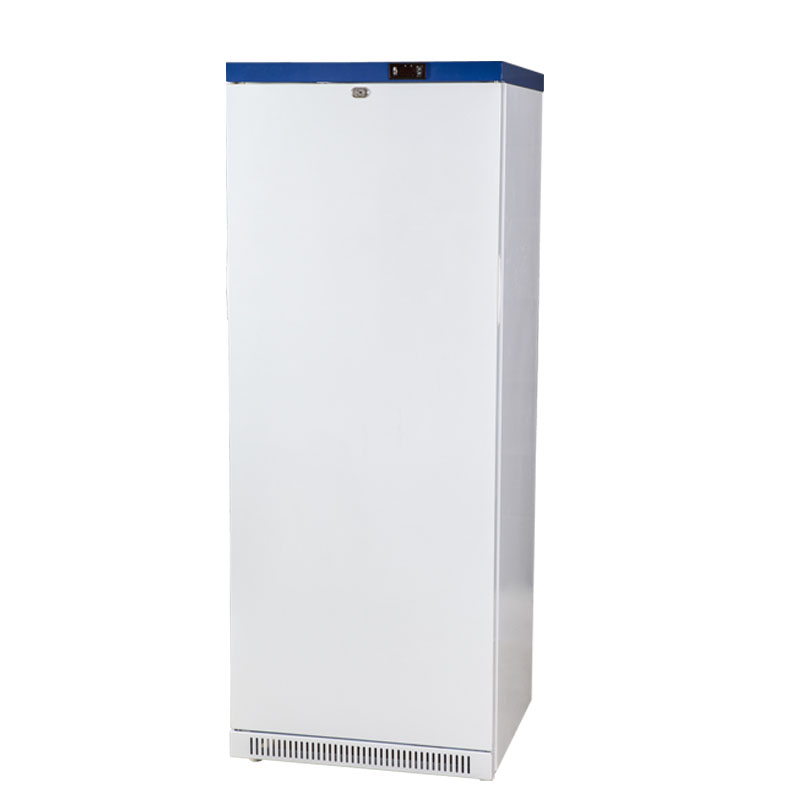
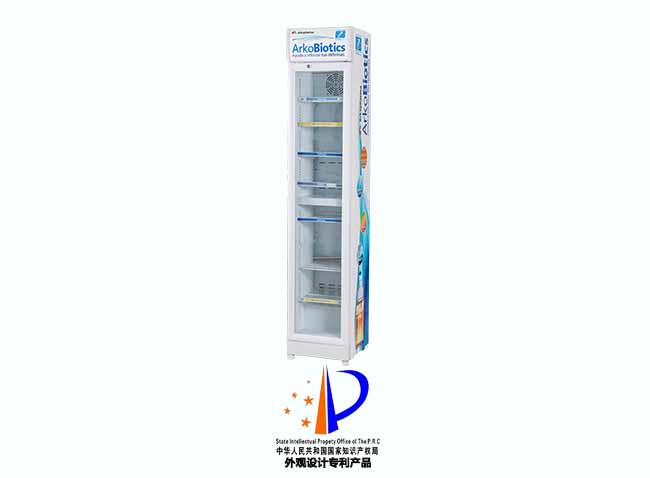
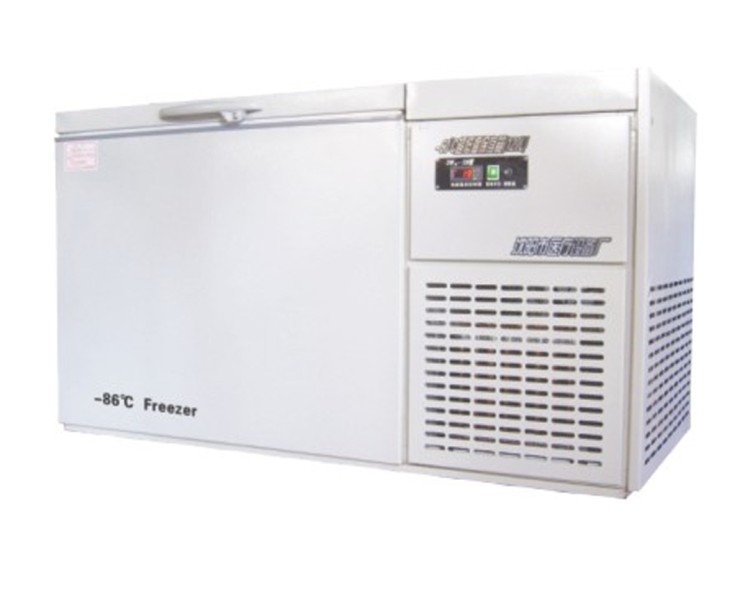
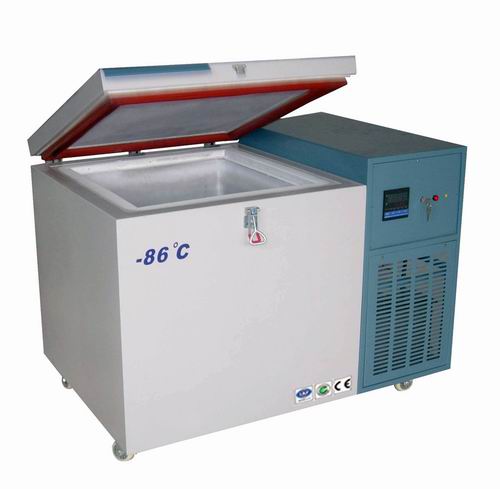
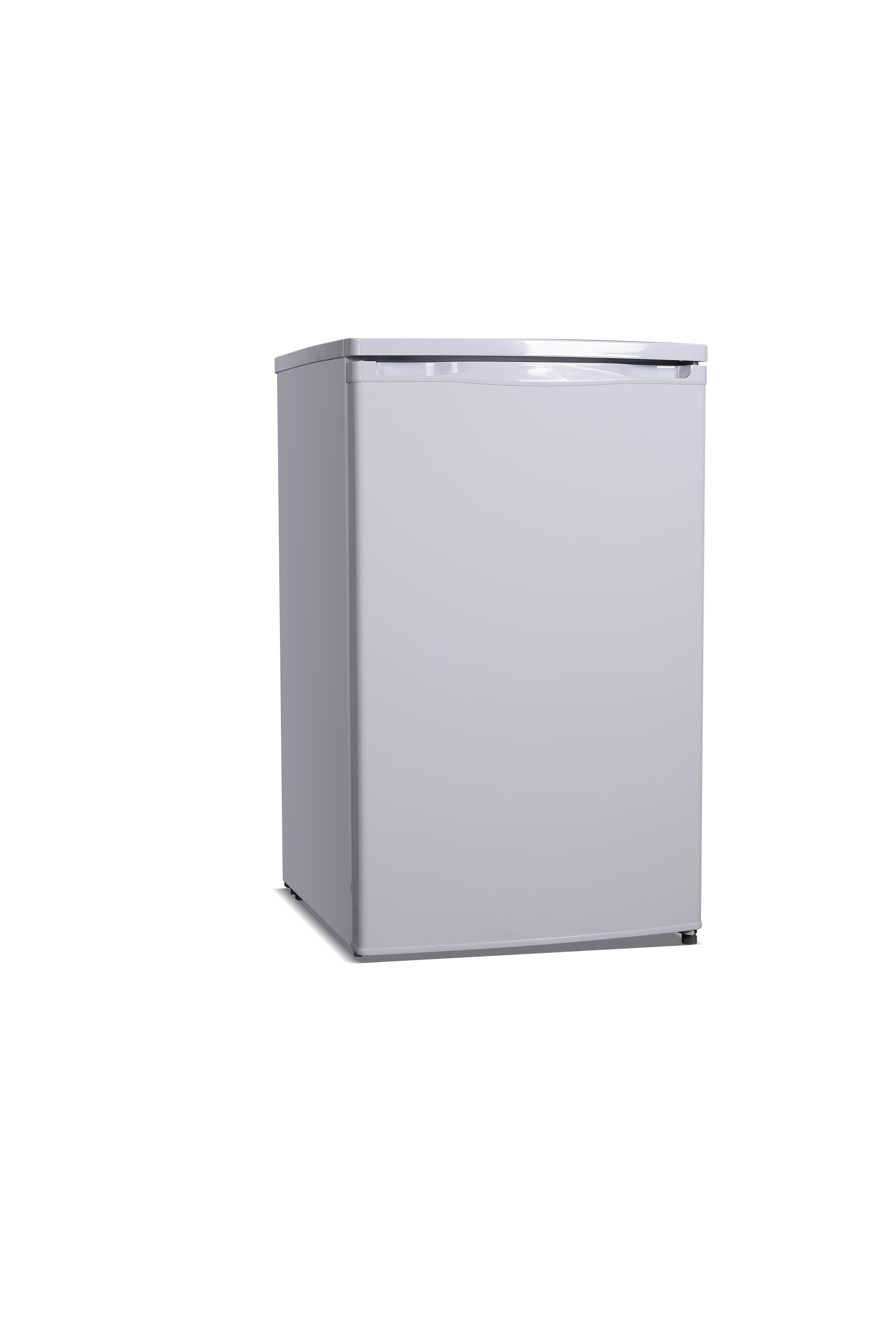
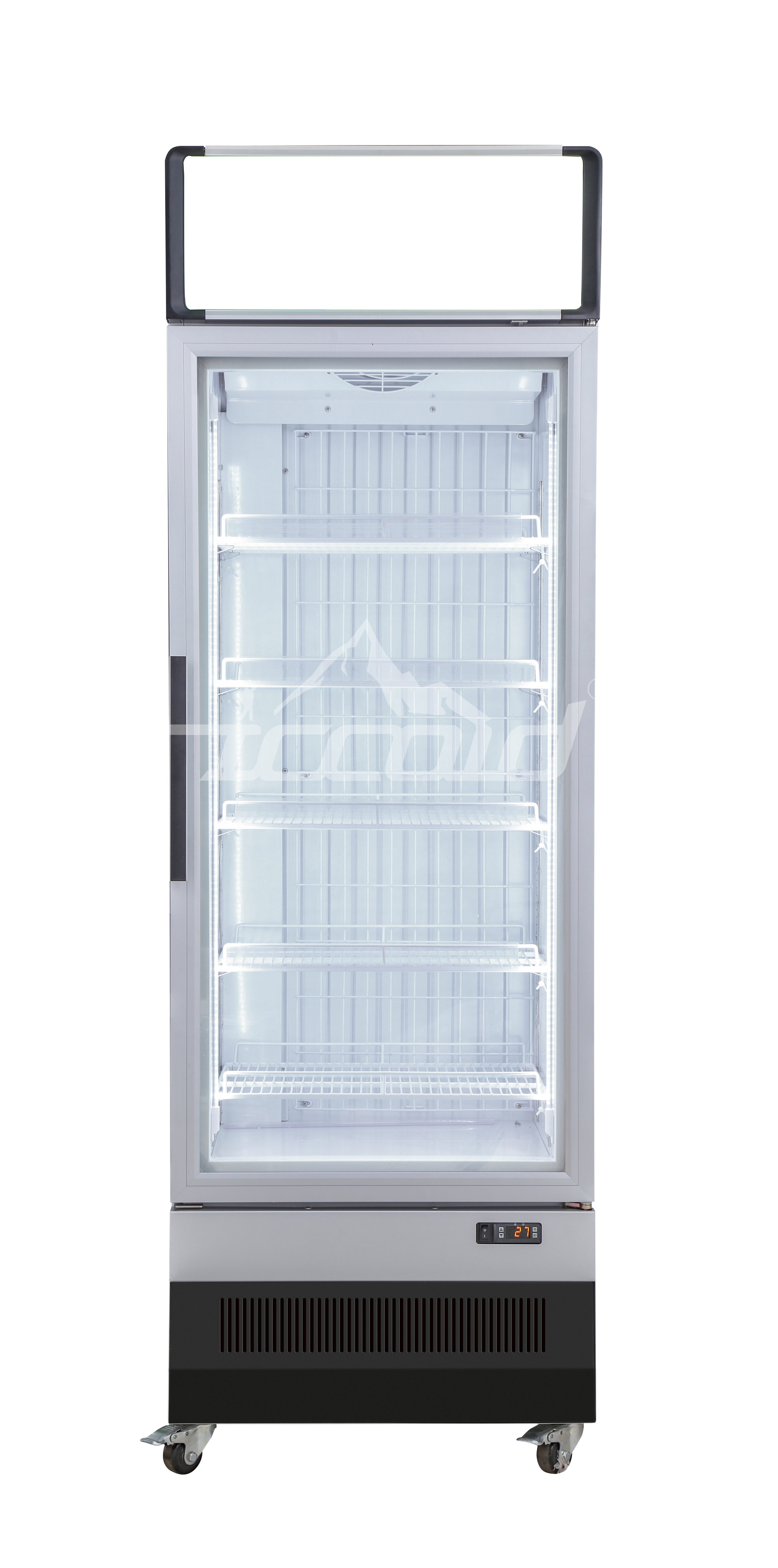
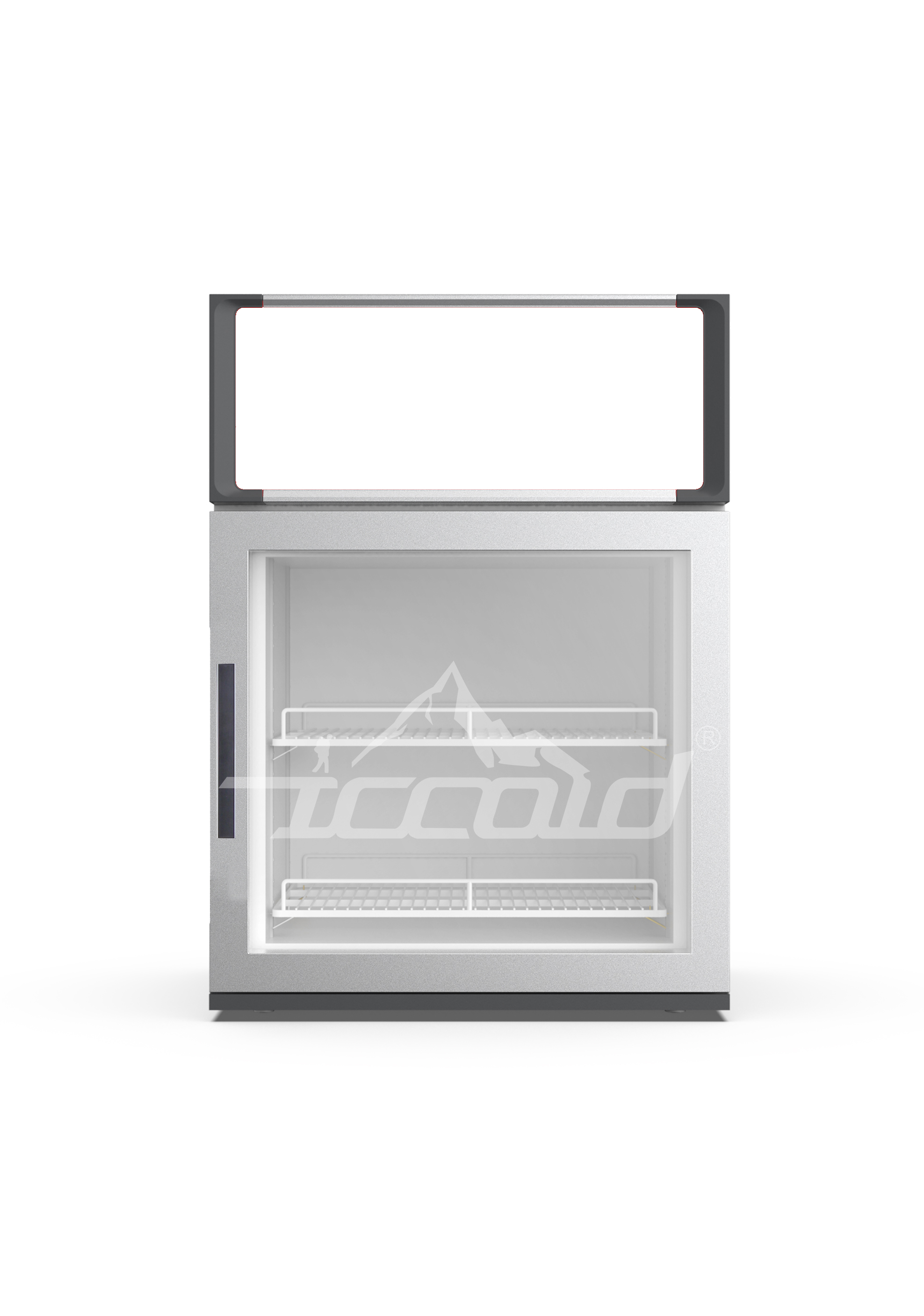
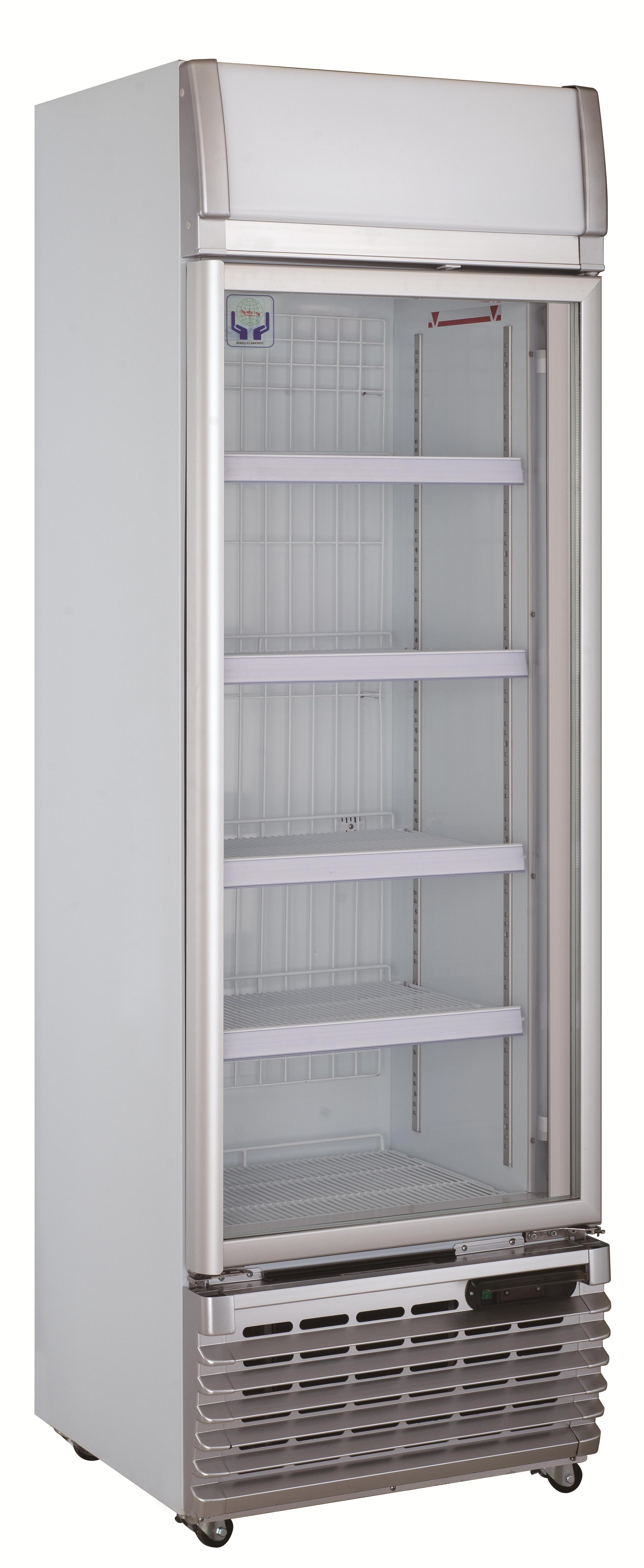
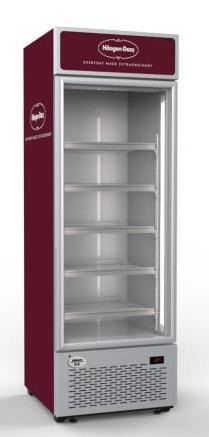
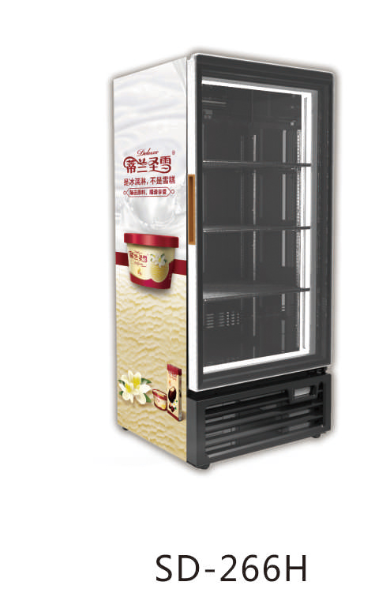
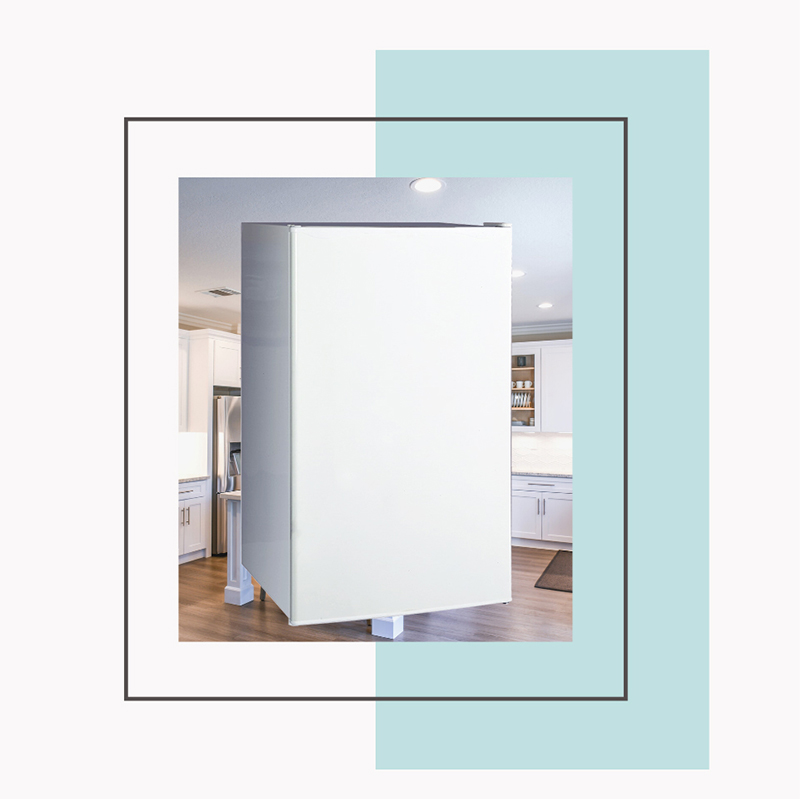
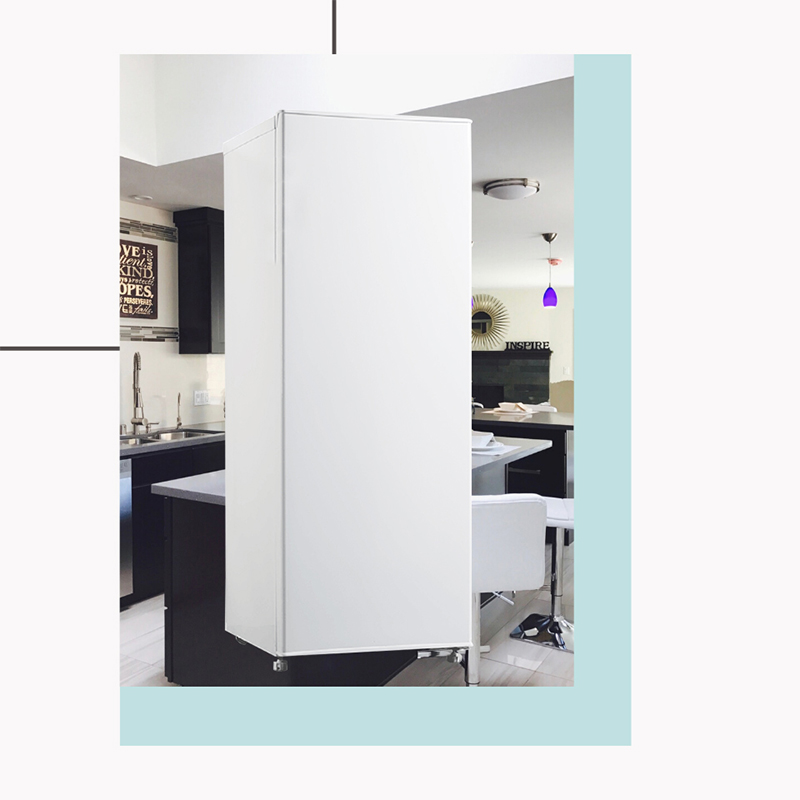
Upright Freezers
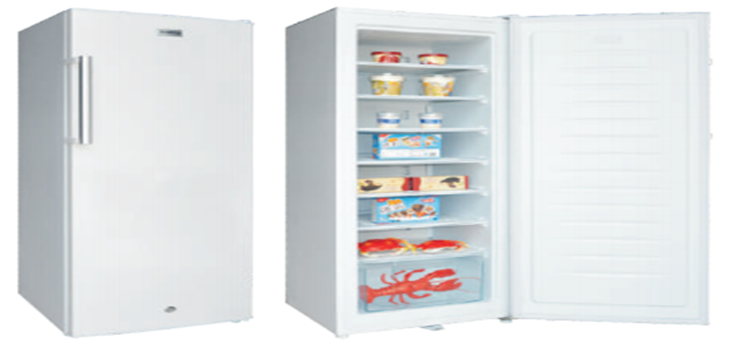
Source commercial and residential upright freezers from vetted suppliers and manufacturers. Designed for importers, wholesalers, distributors, and appliance brands seeking reliable OEM/ODM production, our verified factory network delivers bulk orders with strict quality control and global compliance.
Upright freezers are a staple in both residential and commercial appliance portfolios, offering footprint efficiency that chest freezers simply cannot match. However, sourcing these units in bulk requires navigating a complex matrix of compressor reliability, energy efficiency regulations, and volatile raw material costs. Whether you are expanding a consumer white-goods line or outfitting commercial kitchens, securing a manufacturing partner with rigorous assembly and testing standards dictates your market viability.
Core Specifications and Cooling Technology
When specifying upright freezers for your target market, the cooling system architecture is the most consequential decision. The choice between direct cooling and frost-free systems dramatically impacts unit cost, energy consumption, and user experience.
| Specification | Direct Cooling (Manual Defrost) | Frost-Free (No Frost) |
|---|---|---|
| Cooling Mechanism | Refrigerant flows through exposed shelf tubes | Hidden fin evaporator with forced air circulation |
| Cost & Complexity | Lower production cost, simpler circuitry | Higher cost, requires defrost heaters & timers |
| Energy Efficiency | Generally higher, but drops as frost builds up | Consistent efficiency, but fan draws continuous power |
| Best Application | Budget residential, deep-freeze storage | Premium residential, frequent access commercial |
Beyond the cooling type, specify the compressor technology. Standard fixed-frequency compressors are cost-effective but consume more energy upon startup. Inverter compressors adjust their speed dynamically, significantly lowering acoustic noise and energy consumption, which is often required to meet stringent modern energy ratings. Refrigerant selection is also non-negotiable: R600a (Isobutane) is standard for residential units globally due to its low Global Warming Potential (GWP), while R290 (Propane) is heavily favored in commercial applications for its superior thermodynamic performance.
Manufacturing Vulnerabilities and Quality Control
The physical construction of an upright freezer involves critical processes where subpar manufacturing can ruin a production run. The most sensitive phase is the cabinet foaming process. Factories use cyclopentane to inject polyurethane foam between the inner liner and outer shell. If the injection pressure is uneven, or the curing temperature is incorrect, voids form in the insulation. These "cold bridges" lead to exterior cabinet sweating and cause the unit to fail energy efficiency tests.
Need help verifying a factory's technical capabilities and foaming equipment before committing to a bulk order?
Talk to our teamAnother frequent failure point is the refrigeration circuit welding. Micro-leaks at the joints between the copper or aluminum tubing will cause the freezer to slowly lose refrigerant, leading to total failure weeks after the end-user plugs it in.
Critical Factory QC Checkpoints
- Halogen leak detection on all compressor and evaporator welding joints
- Electrical safety testing (Hipot, ground bond, and leakage current)
- Temperature pull-down tests in climate-controlled chambers (testing ambient vs. internal delta)
- Foam density and cabinet rigidity checks to ensure uniform insulation
- Door seal (gasket) suction testing to prevent ambient air ingress
To mitigate these risks, implementing strict quality control protocols, including in-line inspections and pre-shipment testing, is essential to catch defects before containers are loaded.
Compliance and Market Regulations
Appliance compliance is heavily regulated and varies drastically by region. You cannot import upright freezers without the correct documentation.
If you are importing into North America, electrical safety requires UL or ETL certification, while energy consumption must meet DOE standards (and ideally Energy Star for market competitiveness). For the European market, CE and CB certifications are mandatory, alongside strict adherence to the ErP (Energy-related Products) directive and RoHS for hazardous substances. Australia requires MEPS (Minimum Energy Performance Standards). Relying on a manufacturer's outdated certificates is a common pitfall; always verify current test reports through proper compliance testing channels.
Pricing, MOQs, and Lead Times
Because upright freezers are high-volume, low-density goods, they are highly sensitive to freight costs. Factories therefore calculate Minimum Order Quantities (MOQs) based on shipping containers rather than arbitrary unit counts.
Pricing is heavily influenced by the cost of raw materials—specifically steel for the cabinet, copper/aluminum for the coils, and the cost of the compressor. When negotiating, ensure your supplier locks in raw material prices at the time of the deposit.
Looking to optimize your landed costs and secure reliable production for your appliance brand?
Get a free consultationFrequently Asked Questions
Sourcing upright freezers at scale requires more than just finding a low unit price; it requires a deep understanding of thermal engineering, regulatory compliance, and raw material economics. By partnering with vetted manufacturers who maintain strict internal quality systems, you protect your brand's reputation and your bottom line.
Get Sourcing Help for Upright Freezers
Tell us your requirements and our experts will connect you with verified manufacturers.