Underground Lights
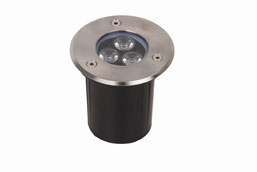
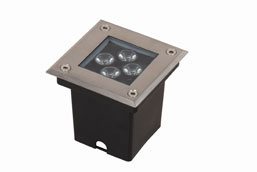
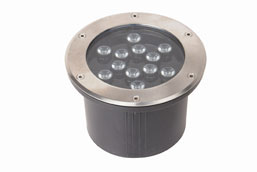
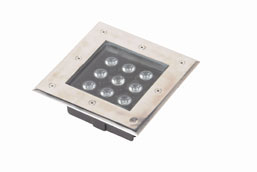
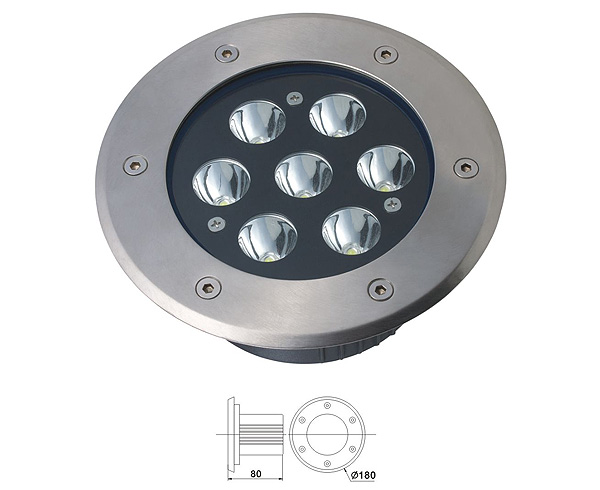
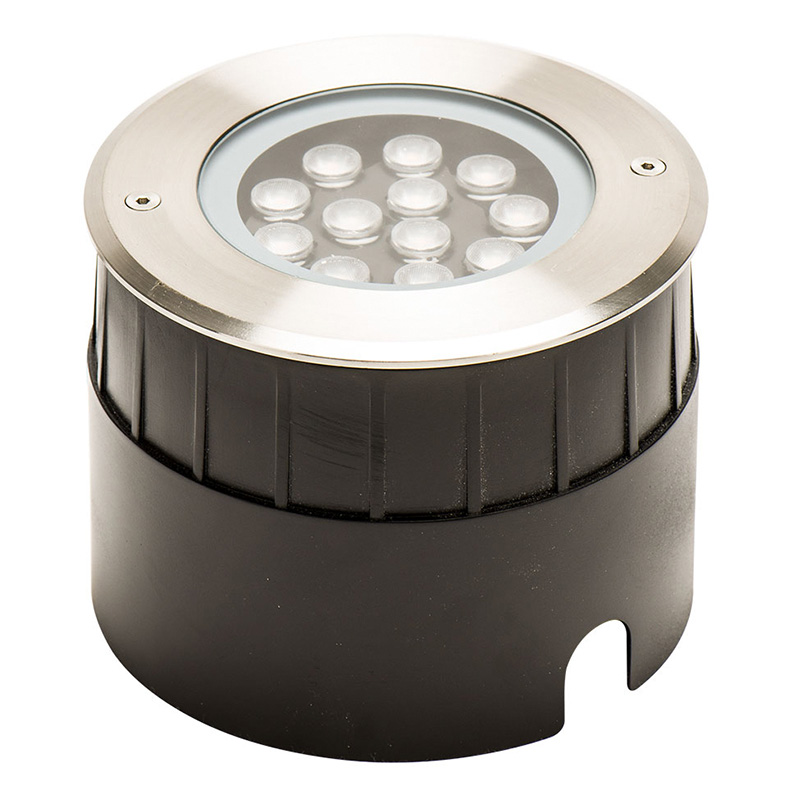
Source commercial-grade underground lights from vetted manufacturers and suppliers in China and across Asia. Designed for importers, electrical wholesalers, and outdoor lighting brands seeking bulk purchasing or custom OEM production, our network delivers reliable, high-performance in-ground luminaires built to exact specifications.
Sourcing underground lights (also known as in-ground or well lights) at scale requires navigating a high-risk product category. Because these fixtures operate in the harshest possible environments—subjected to standing water, soil acidity, pedestrian or vehicular traffic, and thermal shock—the margin for manufacturing error is effectively zero. A failure in the sealing process or thermal design results in rapid diode degradation or complete fixture failure.
For bulk buyers, identifying a factory with rigorous ingress protection protocols and precision machining is critical to avoiding costly project failures and warranty claims.
Critical Specifications & Material Selection
The longevity of an underground light is dictated by its housing materials and structural engineering. When negotiating specifications with a factory, you must clearly define the exact grades of metal and glass used, rather than relying on generic descriptions.
| Component | Standard Commercial Spec | Premium / Project Spec |
|---|---|---|
| Faceplate / Bezel | 304 Stainless Steel | 316L Marine-Grade Stainless Steel |
| Housing Body | Die-cast Aluminum (Standard Coating) | Die-cast Aluminum (Chromate + AkzoNobel Powder) or Full 316L |
| Lens | 8mm Tempered Glass | 12mm-15mm Step Tempered Glass (IK10) |
| Sealing | Single Silicone Gasket | Double Silicone Gaskets + Full Epoxy Potting |
Thermal Management in Confined Spaces
Unlike standard floodlights, underground lights have limited airflow for heat dissipation. Factories must engineer the internal heat sink to transfer thermal load directly to the outer housing. When sourcing high-wattage fixtures (over 20W), verify the thermal conductivity of the potting compound used. Poor thermal management will accelerate lumen depreciation and shift the color temperature (CCT) of the LED chips.
Need to source project-specific lighting? We help buyers identify factories with verified engineering capabilities for complex outdoor lighting requirements.
Talk to our teamManufacturing Processes & Quality Control
The primary failure mode for underground lights is water ingress leading to electrical shorts or condensation on the inner lens. Reputable manufacturers employ multi-stage sealing processes.
Critical Factory QC Checks for Underground Lights
- Humidity-controlled assembly: Final sealing must occur in a dehumidified cleanroom to trap dry air, preventing future condensation.
- Pressure equalization: High-end models should incorporate breathable waterproof valves (e.g., PTFE vents) to manage pressure changes from thermal cycling.
- Submersion testing: 100% of units should undergo pressurized water tank testing, not just a random sampling.
- Aging tests: Minimum 24-48 hour burn-in testing to identify premature LED or driver failures before potting.
To ensure these standards are met on the factory floor, implementing independent Quality Control & Inspection during the assembly and pre-shipment phases is highly recommended. You cannot verify internal potting or cleanroom assembly once the goods arrive at your warehouse.
Compliance and Market Certifications
Outdoor lighting is heavily regulated. Depending on your target market, the electrical drivers and complete fixtures must meet specific safety standards. Importers must verify that the factory holds valid, verifiable test reports for the exact components used.
- North America: UL 1598 (Luminaires) or ETL equivalent is standard. Drivers must often be Class 2.
- Europe: CE (LVD and EMC directives) and RoHS compliance are mandatory.
- Performance Ratings: IP67 is the absolute minimum for outdoor ground installation, though IP68 is strongly preferred for areas prone to pooling water. Impact resistance should be rated IK08 for pedestrian areas and IK10 for drive-over applications.
If you are developing a custom fixture, utilizing professional Compliance & Testing services ensures your product clears customs and meets local building codes without delay.
Buying Mechanics: MOQs, Pricing, and Lead Times
The supply chain for outdoor architectural lighting in hubs like Zhongshan and Ningbo is highly mature, but pricing and minimum order quantities vary significantly based on the level of customization.
When engaging in OEM/ODM Services, expect higher initial costs for tooling if you require a proprietary housing design or a specific beam angle and reflector geometry. Always negotiate the bill of materials (BOM) down to the brand of the LED chip (e.g., Cree, Osram, Bridgelux) and the driver (e.g., Mean Well, Inventronics) to prevent unauthorized substitutions during production.
Managing complex BOMs and factory negotiations takes time. Let us handle the sourcing, vetting, and quality control so you can focus on sales.
Get a free consultationFrequently Asked Questions
Sourcing underground lights is ultimately an exercise in risk management. The upfront savings of choosing a cheaper, poorly sealed fixture are rapidly erased by the labor costs of excavating and replacing failed units in the field. By setting rigid material specifications and enforcing strict quality control protocols at the factory level, importers can secure commercial-grade products that perform reliably for years.
Get Sourcing Help for Underground Lights
Tell us your requirements and our experts will connect you with verified manufacturers.