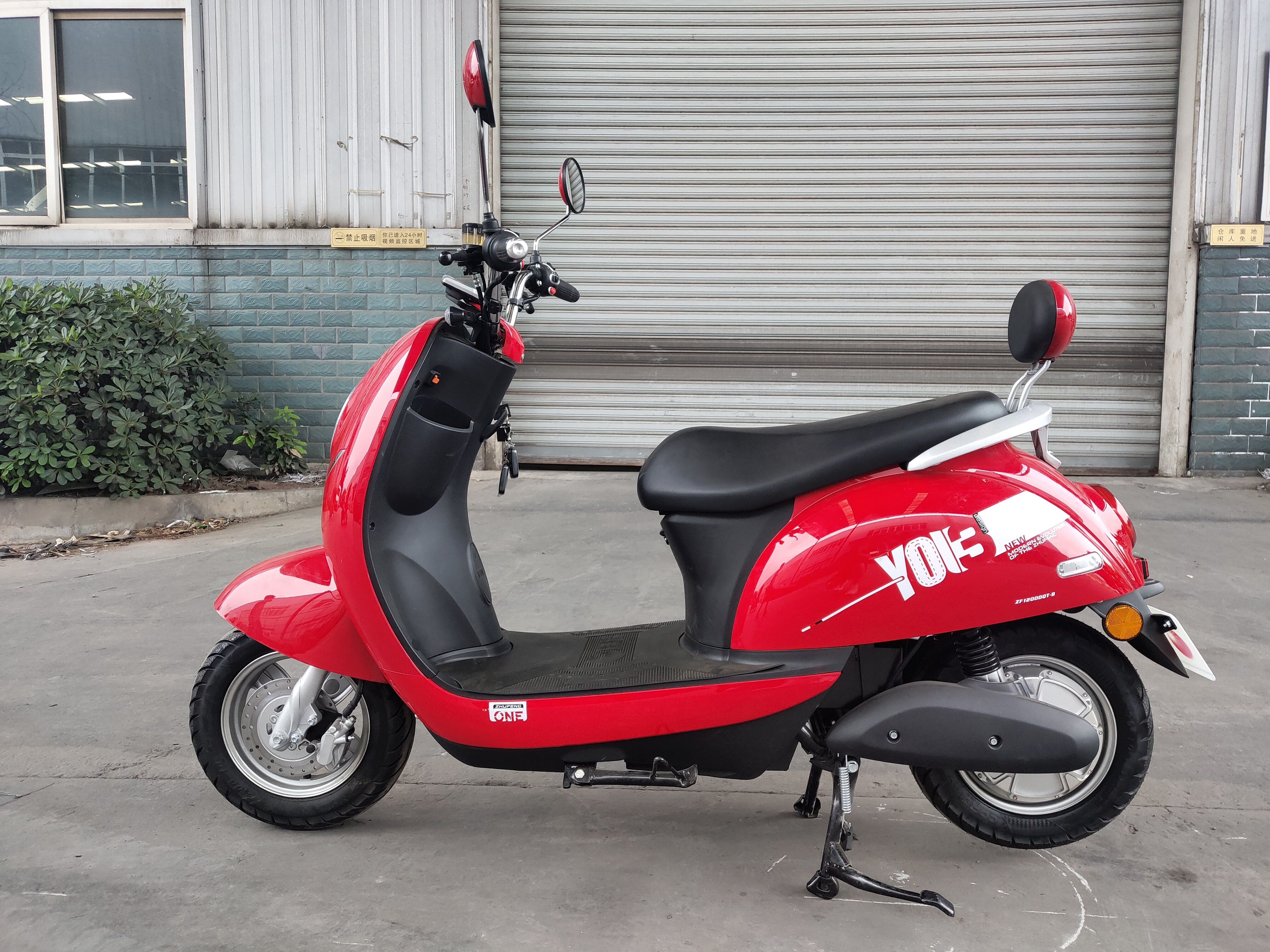
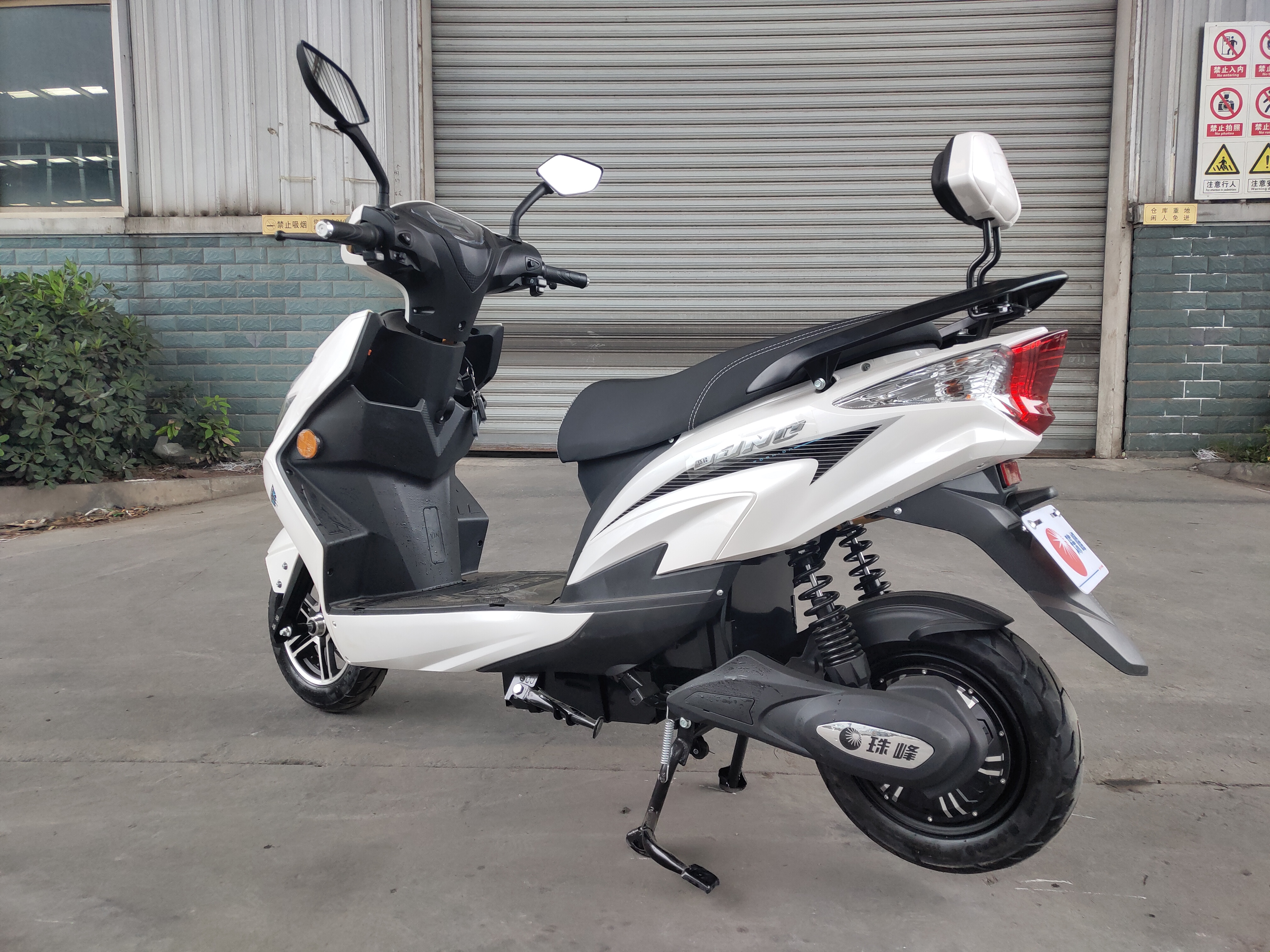
Two-wheeled Electric Motorcycles
Source bulk Two-wheeled Electric Motorcycles from vetted suppliers and manufacturers across Asia. Designed for importers, wholesalers, and brands seeking reliable OEM and private-label production, our network delivers high-performance electric mobility solutions engineered for global compliance and demanding market standards.
Sourcing two-wheeled electric motorcycles at scale requires navigating a complex matrix of battery safety standards, motor efficiency requirements, and strict regional homologation rules. Success depends on identifying manufacturers capable of consistent quality control rather than just assembling off-the-shelf components. For B2B buyers, the challenge is separating genuine manufacturers with in-house R&D and testing facilities from trading companies that merely rebrand generic, non-compliant models.
Core Technical Specifications to Define
When negotiating with suppliers, vague specifications lead to inconsistent production. You must define the exact components and performance metrics for your target market.
Motor Architecture and Power
The motor is the defining characteristic of the motorcycle's performance and cost. Power outputs typically range from 1.5kW (equivalent to a 50cc moped) up to 10kW and beyond for performance models.
| Architecture | Hub Motor | Mid-Drive Motor |
|---|---|---|
| Power Delivery | Direct to wheel, lower peak torque | Uses gearing/belt, high torque |
| Maintenance | Low (fewer moving parts) | Moderate (chain/belt wear) |
| Cost/Suitability | Lower cost, urban commuting | Premium cost, performance riding |
Battery Chemistry and Capacity
Most modern two-wheeled EVs utilize Lithium-ion packs, but the specific chemistry matters. NMC (Nickel Manganese Cobalt) offers higher energy density (lighter weight for the same range), while LFP (Lithium Iron Phosphate) provides a longer lifecycle and superior thermal stability at a slight weight penalty. Always specify the exact voltage (e.g., 60V, 72V) and Amp-hour (Ah) rating, and demand transparency on the cell brand (e.g., CATL, LG, or generic tier-2 cells).
Navigating complex EV specifications and supplier vetting? We ensure your technical requirements are met on the factory floor.
Talk to our teamManufacturing Quality & Factory Vetting
The electric motorcycle supply chain is highly fragmented. A single model may contain components from over 40 different sub-suppliers. The primary manufacturer's true value lies in their assembly precision, integration engineering, and quality management systems.
Before committing to a production run, rigorous Factory Audits are essential to verify that the supplier has the necessary testing equipment, such as chassis dynamometers, battery aging rooms, and water-ingress testing chambers.
Critical Factory-Level QC Checkpoints
- Battery Management System (BMS) balancing and thermal cut-off validation
- Frame weld integrity and anti-rust electrophoretic (ED) coating application
- Controller and wiring harness water resistance (minimum IP67 rating)
- Brake system performance and CBS/ABS calibration (mandatory for certain speeds/markets)
Implementing strict Quality Control & Inspection protocols before shipment is non-negotiable, particularly for high-voltage systems where a single loose connector can cause catastrophic failure.
Compliance and Homologation
Electric motorcycles are heavily regulated motor vehicles. Importing non-compliant units will result in customs seizures or an inability to legally register the vehicles in your target market.
Battery Shipping Regulations
All lithium-ion batteries must pass UN38.3 testing to be legally transported by sea or air. Ensure the supplier can provide valid, up-to-date UN38.3 test reports and MSDS documents matching the exact battery pack in your order.
- Europe: Requires EEC/COC homologation (typically L1e for low speed, L3e for high speed).
- United States: Requires DOT/NHTSA compliance, including specific FMVSS standards for lighting, braking, and tires.
- Global: ISO 9001 for manufacturing processes and CE for electronic components.
If you are developing a custom model, factoring in the time and cost for Compliance & Testing is critical. Homologation for a new market can take 3 to 6 months.
Production Economics: MOQs, Lead Times, and Pricing
Pricing is highly elastic based on battery capacity, motor type, and homologation status.
If you are utilizing OEM/ODM Services to build a proprietary brand, expect higher initial NRE (Non-Recurring Engineering) costs for custom plastics, bespoke software tuning for the controller, and unique branding elements.
Planning a custom electric motorcycle line? Let us manage the supplier negotiations, prototyping, and compliance testing.
Get a free consultationFrequently Asked Questions
Sourcing two-wheeled electric motorcycles is less about finding the lowest unit price and more about securing a reliable manufacturing partner capable of consistent quality and strict regulatory compliance. A strategic approach to supplier vetting and component specification ensures a lower total landed cost and protects your brand's reputation in the market.
Get Sourcing Help for Two-wheeled Electric Motorcycles
Tell us your requirements and our experts will connect you with verified manufacturers.