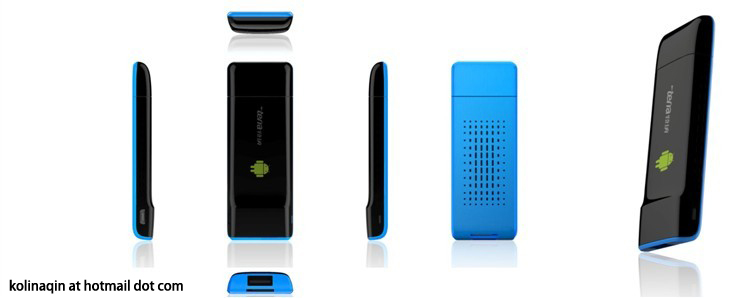
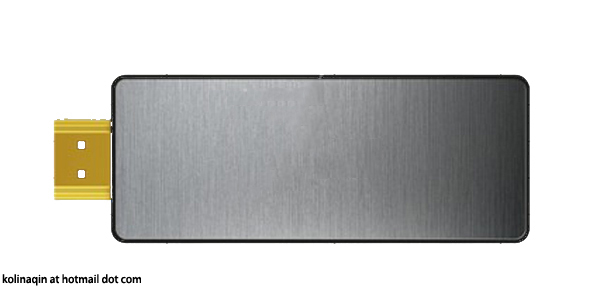
TV Sticks
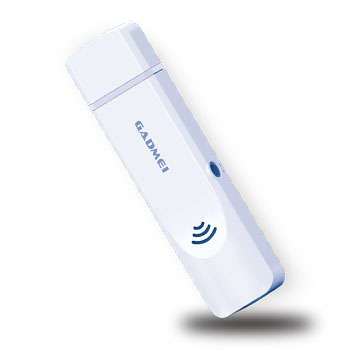
Source high-performance TV sticks from vetted manufacturers and wholesale suppliers across Asia. Built for electronics importers, distributors, and brands seeking reliable OEM and private-label production, our network delivers bulk quantities tailored to your exact hardware specifications, DRM needs, and market compliance requirements.
Sourcing TV sticks at volume requires a careful balance of processing power, thermal management, and strict software licensing. Because these devices pack complete streaming architectures into highly constrained form factors, minor compromises in PCBA design or component selection can lead to severe thermal throttling, dropped Wi-Fi connections, and high return rates.
Core Hardware Specifications: The SoC and Memory Matrix
The foundation of any TV stick is its System on Chip (SoC). The choice of processor dictates not only resolution support (1080p vs. 4K) but also codec compatibility (such as AV1 or HEVC/H.265) and overall interface fluidity. Most bulk manufacturing in Shenzhen and Dongguan revolves around chipsets from Amlogic, Rockchip, and Allwinner.
When specifying your build, memory architecture is just as critical as the processor. Opting for low-grade eMMC storage or older DDR3 RAM to cut costs will directly impact boot times and app loading speeds.
| Specification | Entry-Level (1080p) | Standard 4K | Premium 4K / Operator Tier |
|---|---|---|---|
| Typical SoC | Allwinner H313 / Amlogic S805X | Amlogic S905Y2 / Rockchip RK3318 | Amlogic S905Y4 (AV1 Support) |
| RAM | 1GB DDR3 | 2GB DDR4 | 2GB - 4GB DDR4 |
| Storage (eMMC) | 8GB | 16GB | 32GB+ |
| Wi-Fi Module | 2.4GHz Single Band | Dual Band 802.11ac (Wi-Fi 5) | Dual Band 802.11ax (Wi-Fi 6) |
Navigating component shortages or volatile memory pricing? Let Merhein help you secure reliable hardware allocations for your next production run.
Talk to our teamThermal Management and PCBA Design
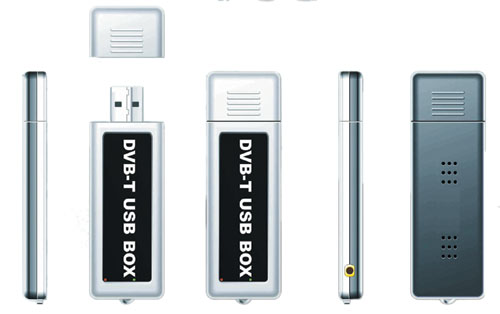
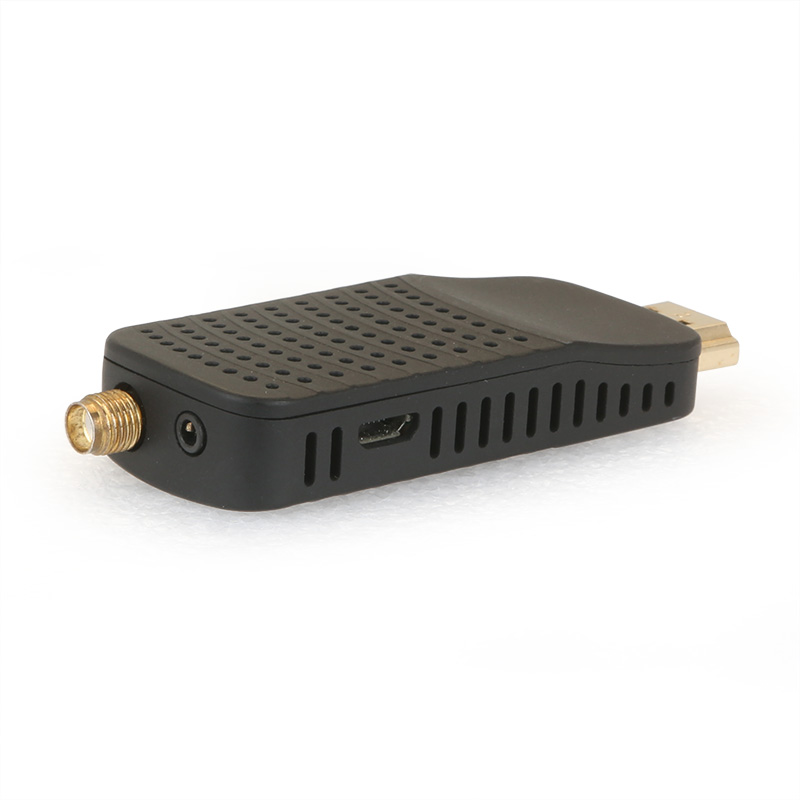
The defining engineering challenge of a TV stick is heat dissipation. Unlike set-top boxes, sticks lack the internal volume for large heatsinks and rely entirely on passive cooling within a tight plastic housing. If the device runs too hot, the SoC will throttle, causing video stuttering and eventual hardware failure.
When evaluating a factory's technical capability, review their PCBA layouts and thermal solutions. High-quality manufacturers use multi-layer PCBs (typically 4 to 6 layers for better heat distribution) and apply high-conductivity thermal pads that bridge the processor directly to a metal shielding can or a heat-dissipating metal plate inside the plastic shell.
Critical Factory QC Checks for TV Sticks
- Thermal stress testing (running 4K video for 48+ hours in elevated ambient temperatures)
- Wi-Fi antenna placement and signal attenuation testing (ensuring the HDMI port does not cause interference)
- Drop testing and housing durability (especially around the male HDMI connector)
- Firmware stability and OTA (Over-The-Air) update server connectivity
Thorough quality control and inspection protocols must be implemented on the factory floor to catch thermal assembly errors, such as misaligned thermal pads, before units are sealed.
DRM, Licensing, and Compliance
Hardware is only half the equation. For a TV stick to successfully stream premium content from platforms like Netflix, Prime Video, or Disney+, it must meet stringent Digital Rights Management (DRM) and licensing standards.
- Widevine L1 vs. L3: Widevine L3 only allows standard definition streaming. To stream HD or 4K, the device must be certified for Widevine L1.
- Netflix Certification: Widevine L1 alone does not guarantee Netflix HD/4K. The factory or brand must possess a specific Netflix ESN (Electronic Serial Number) agreement, which is highly restricted.
- Google Certification: If you are sourcing an Android TV OS device (rather than AOSP), the factory must be a certified Google partner to pass GMS (Google Mobile Services) and Play Protect certification.
- Hardware Licensing: HDMI is a patented technology. Ensure the manufacturer pays HDMI royalties, or your goods risk seizure at customs.
Navigating these certifications is complex. Working with experts who understand compliance and testing ensures your devices meet both software DRM requirements and hardware regulations like FCC, CE, and RoHS.
Customization and Firmware Development
Most B2B buyers require more than off-the-shelf hardware. Whether you are a hospitality provider needing a locked-down interface or a consumer brand wanting a fully customized launcher, firmware engineering is a major differentiator among suppliers.
Engaging a factory for OEM/ODM services allows you to customize the boot logo, pre-install specific APKs, design a proprietary UI, and establish secure OTA update pathways. Ensure the supplier has an in-house software engineering team, as many lower-tier assemblers outsource firmware development, leading to poor post-sale support and delayed bug fixes.
Pricing, MOQs, and Lead Times
Pricing for TV sticks is heavily influenced by the spot market for flash memory (RAM and eMMC) and the specific SoC selected.
Memory Market Volatility
Because RAM and eMMC make up a significant portion of the BOM (Bill of Materials) cost, quotes from manufacturers are typically only valid for 7 to 14 days.
Ready to finalize your hardware specifications and get accurate landed costs? We manage the negotiations, quality control, and logistics.
Get a free consultationFrequently Asked Questions
Sourcing TV sticks requires strict attention to thermal engineering, memory quality, and DRM compliance. Partnering with an experienced sourcing team ensures you bypass unreliable assemblers, secure the right certifications, and deliver a seamless streaming experience to your customers.
Get Sourcing Help for TV Sticks
Tell us your requirements and our experts will connect you with verified manufacturers.