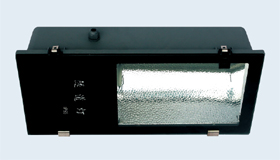
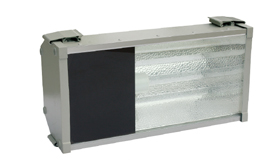
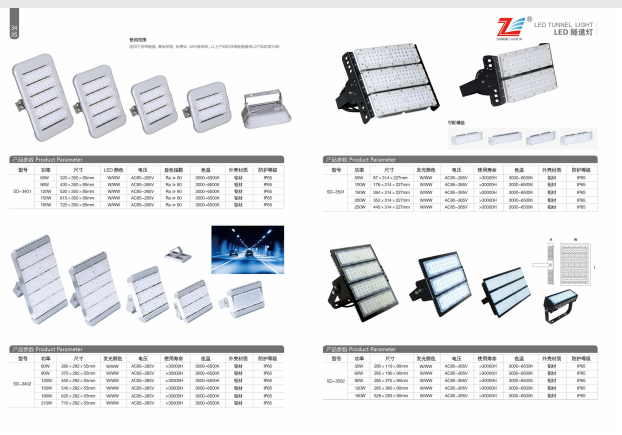
Tunnel Lights
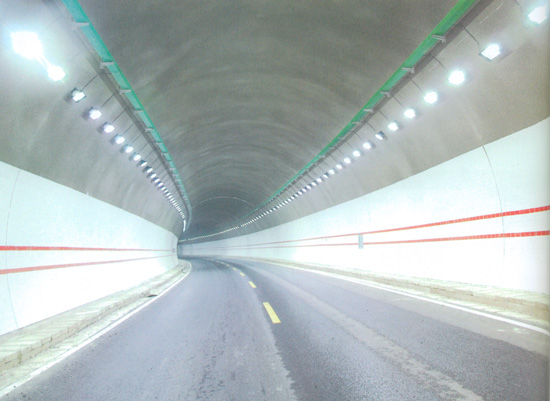
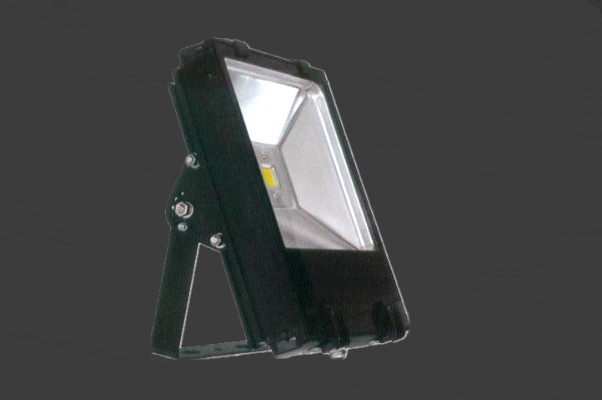
Source commercial-grade tunnel lights directly from vetted manufacturers and suppliers. Designed for importers, wholesale distributors, and infrastructure procurement managers, our bulk and OEM tunnel lighting solutions deliver high-efficacy, vibration-resistant illumination for demanding public works.
Tunnel lighting demands zero-failure reliability. Operating 24/7 in environments saturated with exhaust particulates, moisture, and constant structural vibration from heavy traffic, these fixtures must be engineered for extreme endurance. Sourcing tunnel lights in bulk requires looking past basic lumen output and scrutinizing the thermal management, driver architecture, and housing integrity at the factory level.
Critical Specifications for Infrastructure Lighting
When evaluating a manufacturer's technical capabilities, standard commercial lighting metrics are insufficient. Tunnel environments require specific performance thresholds to ensure safety and minimize maintenance disruptions.
Key Component Vetting
The lifespan of a tunnel light is dictated by its weakest component. When negotiating with suppliers, you must specify the exact bill of materials (BOM).
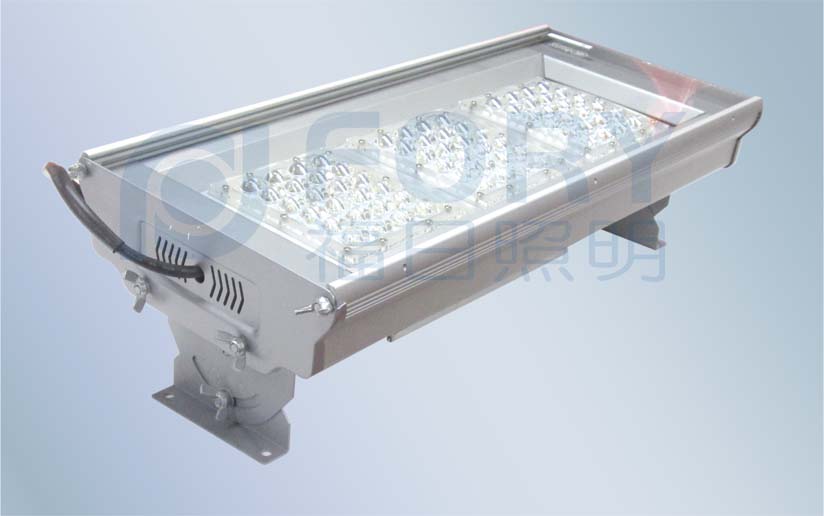
- LED Engines: Look for LM-80 certified chips (such as Lumileds, Cree, or Nichia) mounted on high-conductivity aluminum PCBs. The efficacy should reliably exceed 130 lumens per watt.
- Power Drivers: The driver is the most common point of failure. Specify isolated, programmable drivers from reputable brands like Inventronics or Mean Well. If a factory proposes a domestic alternative, ensure it carries a 5-to-7-year warranty and matches the required MTBF (Mean Time Between Failures).
- Thermal Management: The housing must be heavy-duty die-cast aluminum with optimized cooling fins. Insufficient heat sinking leads to rapid lumen depreciation.
Ensure your tunnel lighting meets strict infrastructure standards. Let us vet your suppliers and verify component authenticity.
Talk to our teamManufacturing Quality Control & Compliance
The difference between a tier-one supplier and a mid-market assembler lies in their testing infrastructure. A reliable factory will not rely solely on end-of-line checks; they integrate rigorous testing throughout production.
Factory-Level QC Verification Points
- Thermal shock and high-temperature aging tests (typically 48 to 72 hours).
- Salt spray testing to verify anti-corrosion powder coating integrity.
- Vibration testing (simulating constant heavy-vehicle traffic).
- Integrating sphere and goniophotometer testing for optical distribution verification.
- High-pot testing for electrical safety and insulation.
Because public infrastructure projects require strict regulatory adherence, verifying a factory's certifications (CE, ENEC, UL, or CB scheme) is non-negotiable. Utilizing professional compliance and testing services ensures the units you import meet local market regulations. Furthermore, implementing independent quality control and inspection before shipment catches assembly errors—such as poorly applied thermal paste or compromised seals—before they leave the facility.
Customization and Smart Controls
Modern tunnel lighting systems require dynamic control to adjust illumination based on external daylight levels (threshold zone vs. interior zone). If you are providing comprehensive solutions, utilizing OEM/ODM services allows you to customize the fixture's intelligence.
Factories should be able to integrate DALI, 0-10V, or PLC (Power Line Communication) modules directly into the housing. Additionally, optical customization is crucial; factories must offer various polycarbonate or tempered glass lenses to achieve the precise asymmetric or symmetric beam angles required by the project's photometric study.
Pricing, MOQs, and Lead Times
Procurement costs for tunnel lights correlate directly with the quality of the internal components and the weight of the aluminum housing.
| Specification Tier | Typical Price Impact | Standard Warranty | Target Application |
|---|---|---|---|
| Standard Commercial | Baseline | 3 - 5 Years | Short tunnels, underpasses |
| Infrastructure Grade | +30% to 50% | 5 - 7 Years | Highway tunnels, rail transit |
| Smart/Connected | +60% to 80% | 7+ Years | Automated highway systems |
- Minimum Order Quantities (MOQs): Expect standard MOQs to range from 50 to 200 units, depending on the level of customization. Custom extrusions or specific smart-node integrations may push MOQs higher.
- Lead Times: Standard production runs typically require 25 to 40 days. However, allocating specific tier-one drivers can extend lead times if the factory does not hold them in inventory.
Navigate fluctuating component costs and secure favorable bulk pricing with our on-the-ground negotiation team.
Get a free consultationSuccess in sourcing tunnel lights comes down to supply chain transparency. A fixture might look robust on a spec sheet, but if the factory substitutes a lower-grade thermal compound or a lighter aluminum alloy during mass production, the thermal decay will drastically shorten the product's lifespan. Partnering with experienced sourcing professionals ensures the BOM you approve is exactly what rolls off the assembly line.
Get Sourcing Help for Tunnel Lights
Tell us your requirements and our experts will connect you with verified manufacturers.