Tuning Exhaust Systems
Source high-performance tuning exhaust systems from vetted manufacturers and suppliers in China and Asia. Designed for automotive importers, distributors, and brands seeking reliable OEM and private-label production, our bulk wholesale catalogs deliver precision-engineered components for the global aftermarket.
Sourcing aftermarket tuning exhaust systems at scale requires balancing material integrity, acoustic engineering, and precise fitment. A millimeter of variance in a flange or poor penetration on a TIG weld can lead to exhaust leaks, resonance issues, and costly returns. For volume buyers, securing a factory capable of consistent mandrel bending, precise fixture alignment, and high-grade material sourcing is the primary manufacturing challenge.
Material Specifications and Acoustic Engineering
The foundation of any performance exhaust lies in the raw material. Most Asian manufacturers specialize in austenitic stainless steel or titanium, but the specific grade and wall thickness dictate both the longevity and the acoustic profile of the final product.
| Material Grade | Primary Application | Optimal Wall Thickness | Relative Cost Factor |
|---|---|---|---|
| 304 Stainless Steel | Mainstream aftermarket, cat-backs | 1.2mm to 1.5mm | Baseline (1x) |
| 316 Stainless Steel | Marine environments, high-corrosion areas | 1.2mm to 1.5mm | 1.3x to 1.5x |
| Grade 1 Commercial Titanium | Premium performance, weight reduction | 1.0mm to 1.2mm | 2.5x to 3.5x |
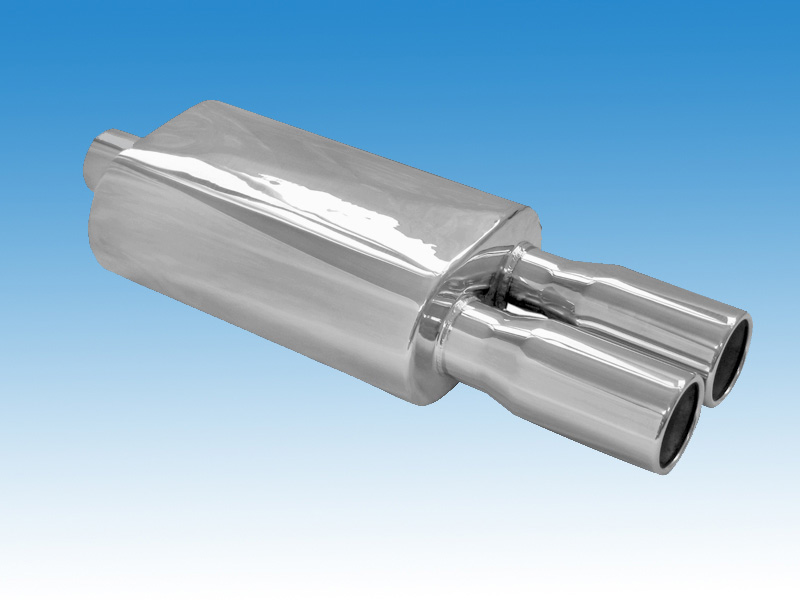
When specifying materials, buyers must also define the internal acoustic packing for mufflers and resonators. Standard fiberglass packing degrades quickly under high exhaust gas temperatures (EGTs). For forced-induction or high-revving applications, specify continuous roving fiberglass or ceramic wool, which withstands temperatures exceeding 1000 degrees Celsius without blowing out.
Manufacturing Precision and Quality Control
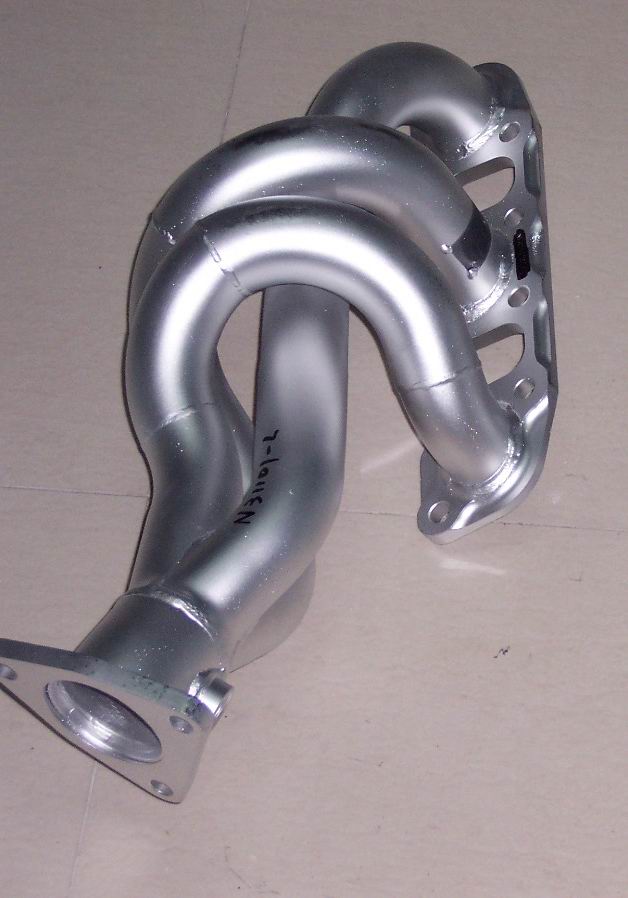
The visual and functional quality of a tuning exhaust is won or lost on the factory floor during the bending and welding phases. Crush bending is unacceptable in the performance market; ensure your supplier utilizes CNC mandrel bending machines to maintain pipe diameter through tight radii.
Welding is equally critical. Premium systems require back-purged TIG (Tungsten Inert Gas) welding. Without back-purging (filling the inside of the pipe with argon gas during welding), the interior weld bead will oxidize and create "sugaring," which disrupts exhaust flow and creates a failure point for corrosion.
Critical Factory-Level Quality Checks
- Flange Flatness: Verify CNC-machined flanges are checked for warpage post-welding (tolerance under 0.5mm).
- Mandrel Bend Integrity: Inspect the outer radius of bends for thinning and the inner radius for wrinkling.
- Weld Penetration: Check for consistent bead width and full penetration without internal sugaring.
- Fixture Alignment: Ensure the factory uses dedicated, heavy-duty welding jigs to guarantee vehicle fitment without forced tension.
Implementing rigorous quality control protocols before the goods are packed is the only way to prevent fitment issues from reaching your distribution network.
Struggling with inconsistent weld quality or fitment issues from your current supplier? Let us audit your production and implement strict pre-shipment inspections.
Talk to our teamOEM/ODM Sourcing and Compliance
For brands developing proprietary exhaust designs, partnering with a factory that offers robust OEM/ODM services is essential. A capable manufacturer should be able to take 3D CAD data or a physical sample and reverse-engineer the tooling.
Tooling costs for custom exhaust systems are generally localized to the welding fixtures and specific stamping molds for muffler casings. If your target market requires emissions or noise certifications (such as CE, TUV, or specific state-level sound limits), you must establish these parameters before prototyping. Validating these requirements often requires third-party compliance and testing to ensure the system meets regulatory decibel limits under load.
Typical MOQs, Pricing Drivers, and Lead Times
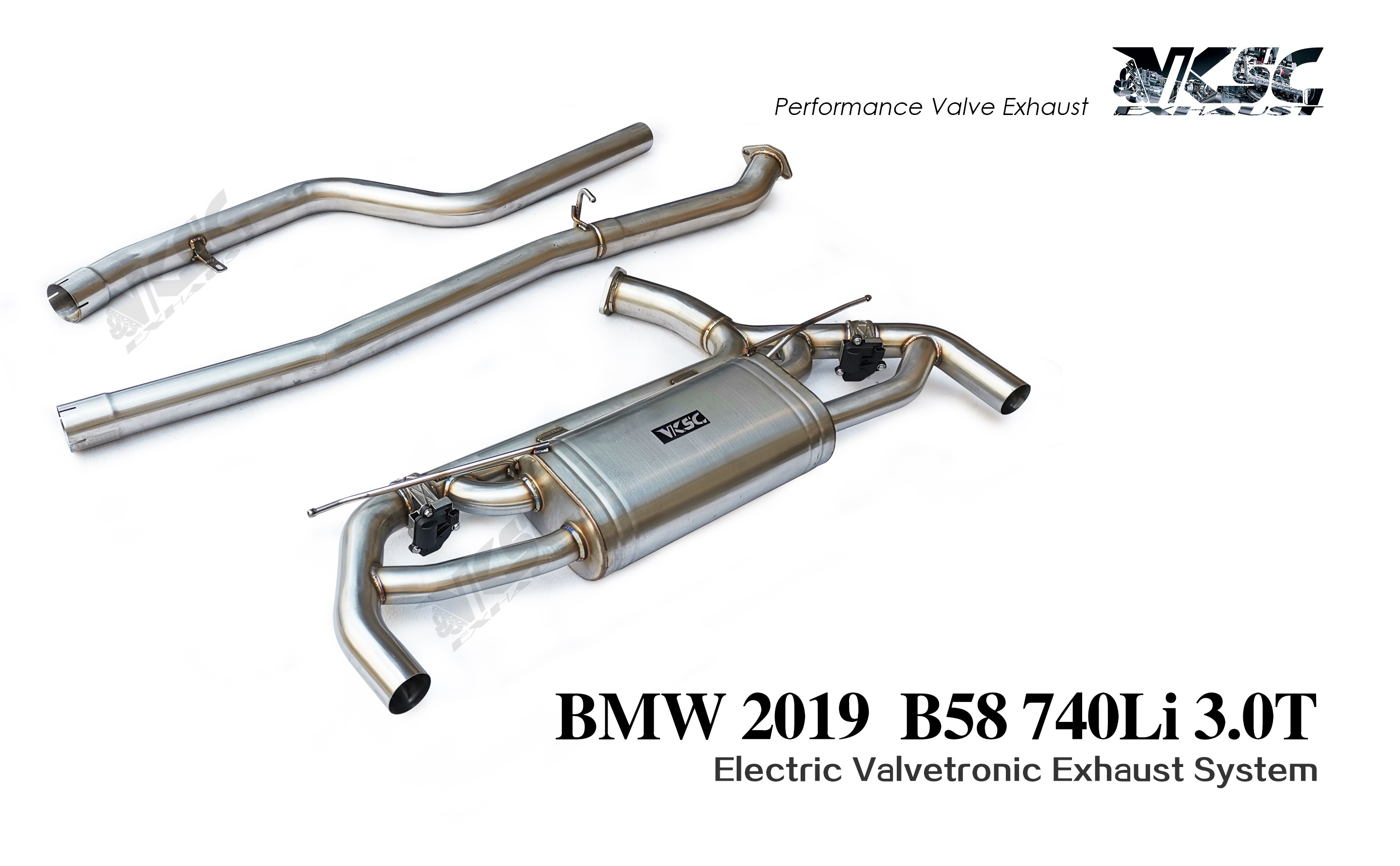
Pricing in the exhaust manufacturing sector is highly sensitive to raw material indices (particularly nickel and titanium) and the complexity of the system (e.g., valvetronic setups vs. static cat-backs).
Factories with in-house tube mills and stamping facilities generally offer better pricing and faster lead times than assembly-only workshops. Conducting thorough factory audits is crucial to verify whether a supplier actually controls their primary fabrication processes or subcontracts the bending and stamping.
Ready to scale your exhaust brand? We handle supplier vetting, tooling negotiation, and end-to-end production management.
Get a free consultationFrequently Asked Questions
Successfully importing tuning exhaust systems in bulk is an exercise in managing technical details. The most profitable aftermarket brands do not simply hunt for the lowest unit price; they secure manufacturing partners who understand thermal dynamics, precise metallurgy, and the absolute necessity of first-time fitment. Focus on standardizing your quality control procedures at the factory level to build a reliable, high-margin product line.
Get Sourcing Help for Tuning Exhaust Systems
Tell us your requirements and our experts will connect you with verified manufacturers.