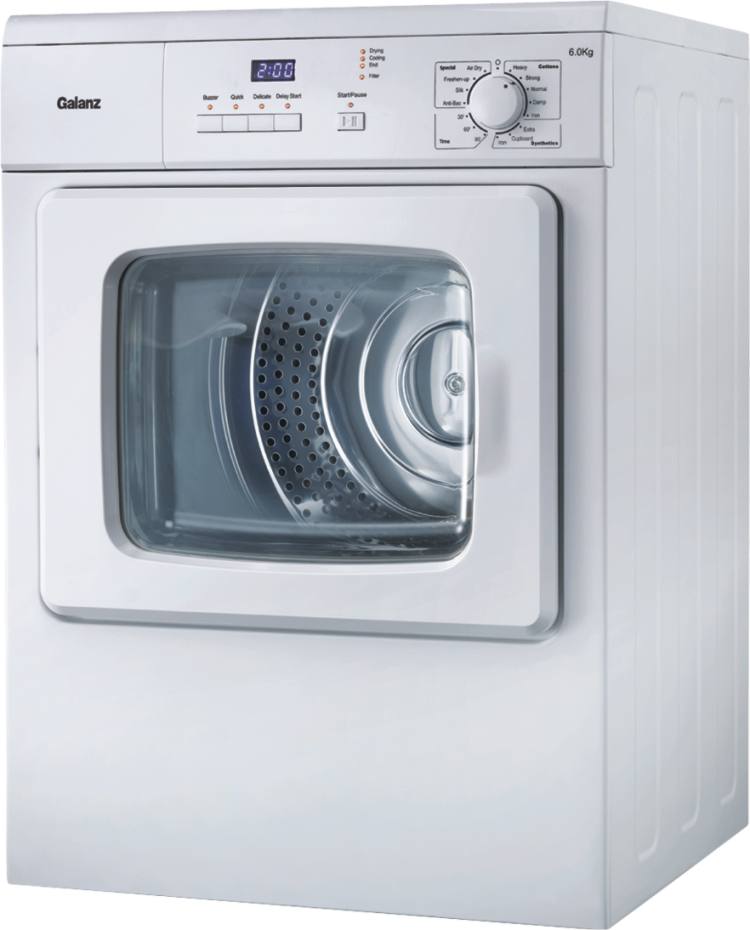
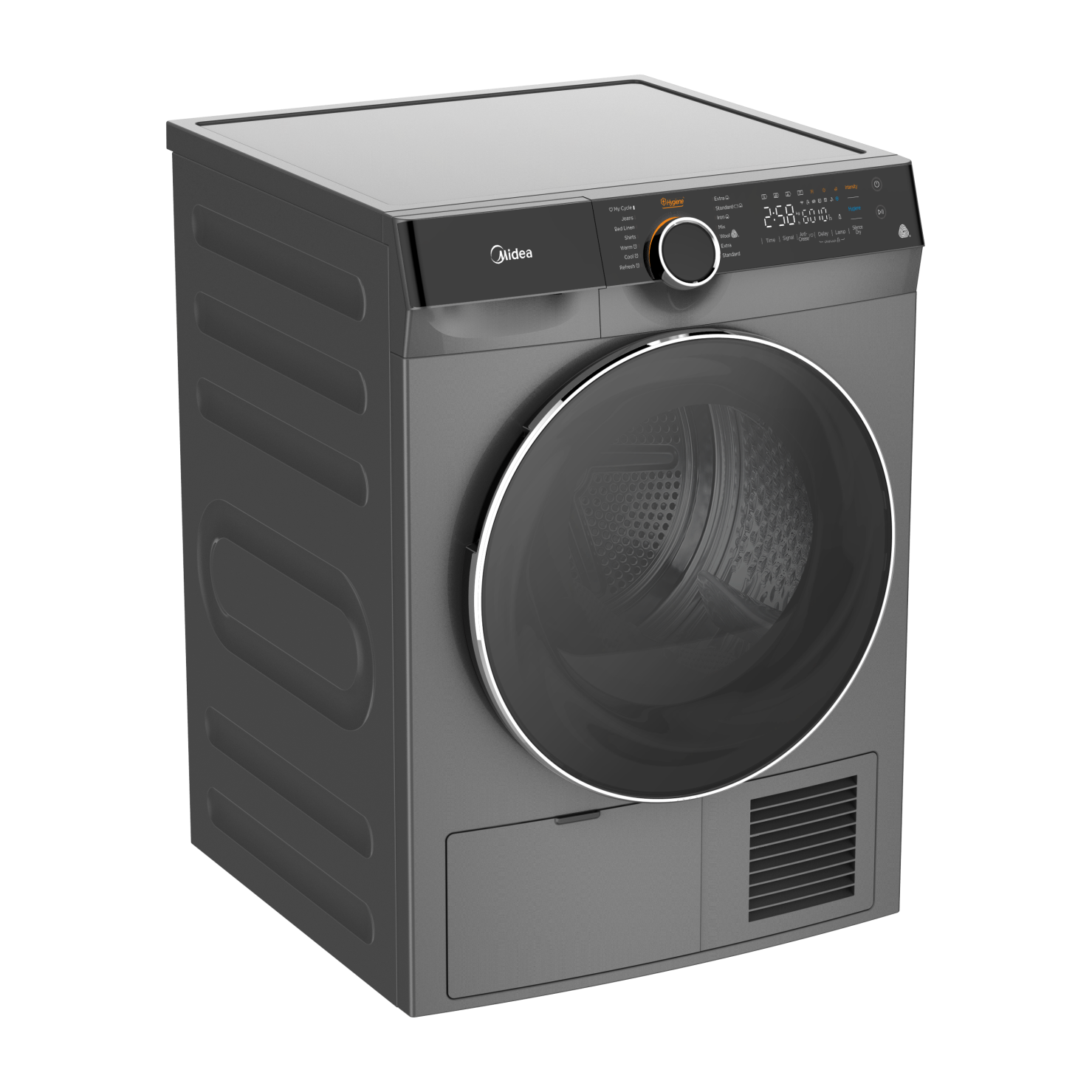
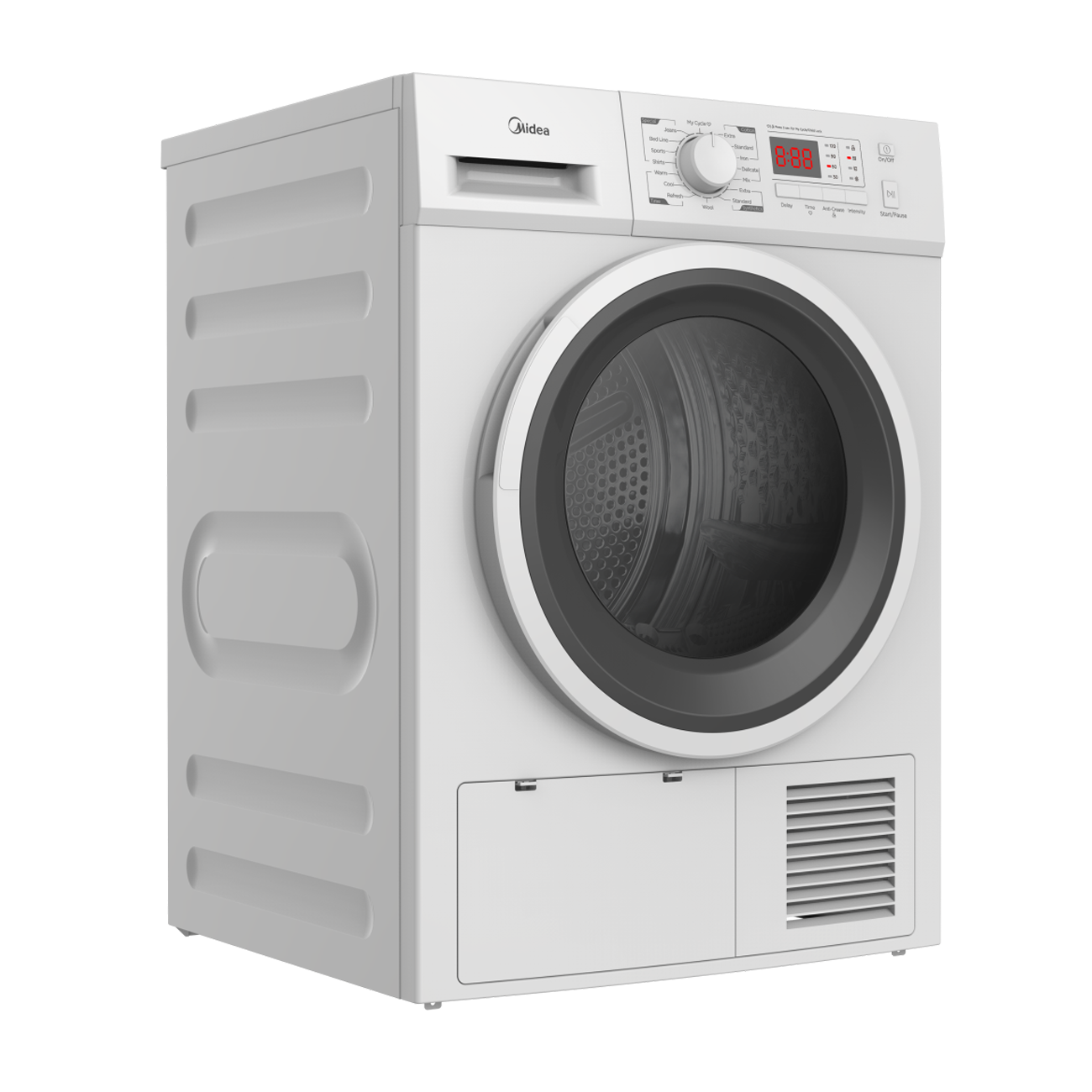
Tumble Dryers
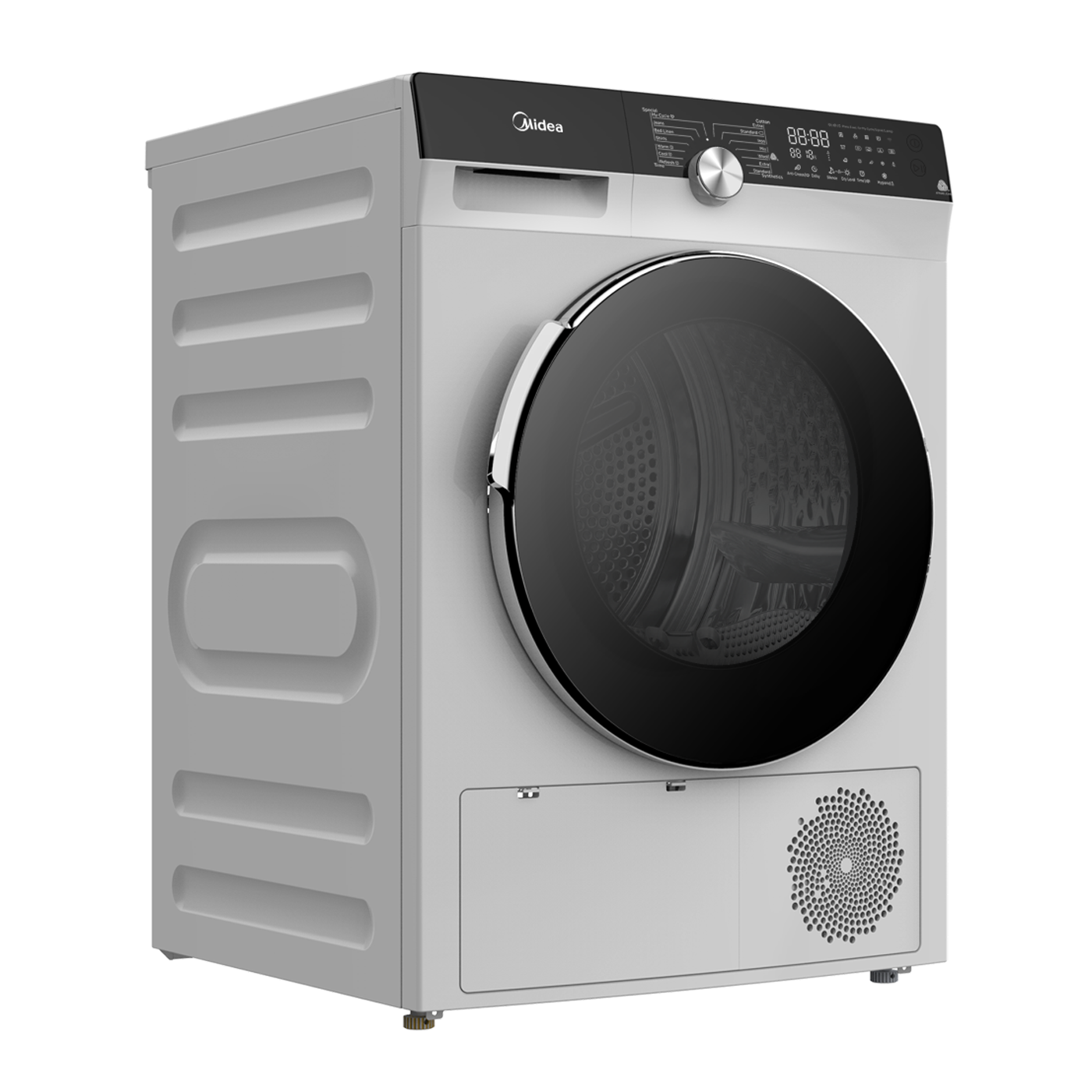
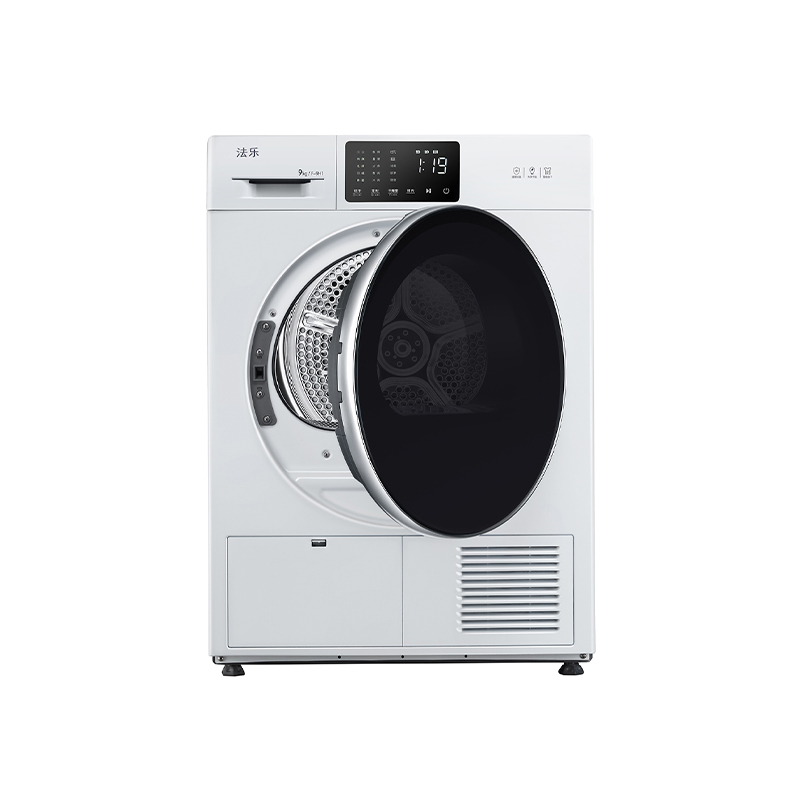
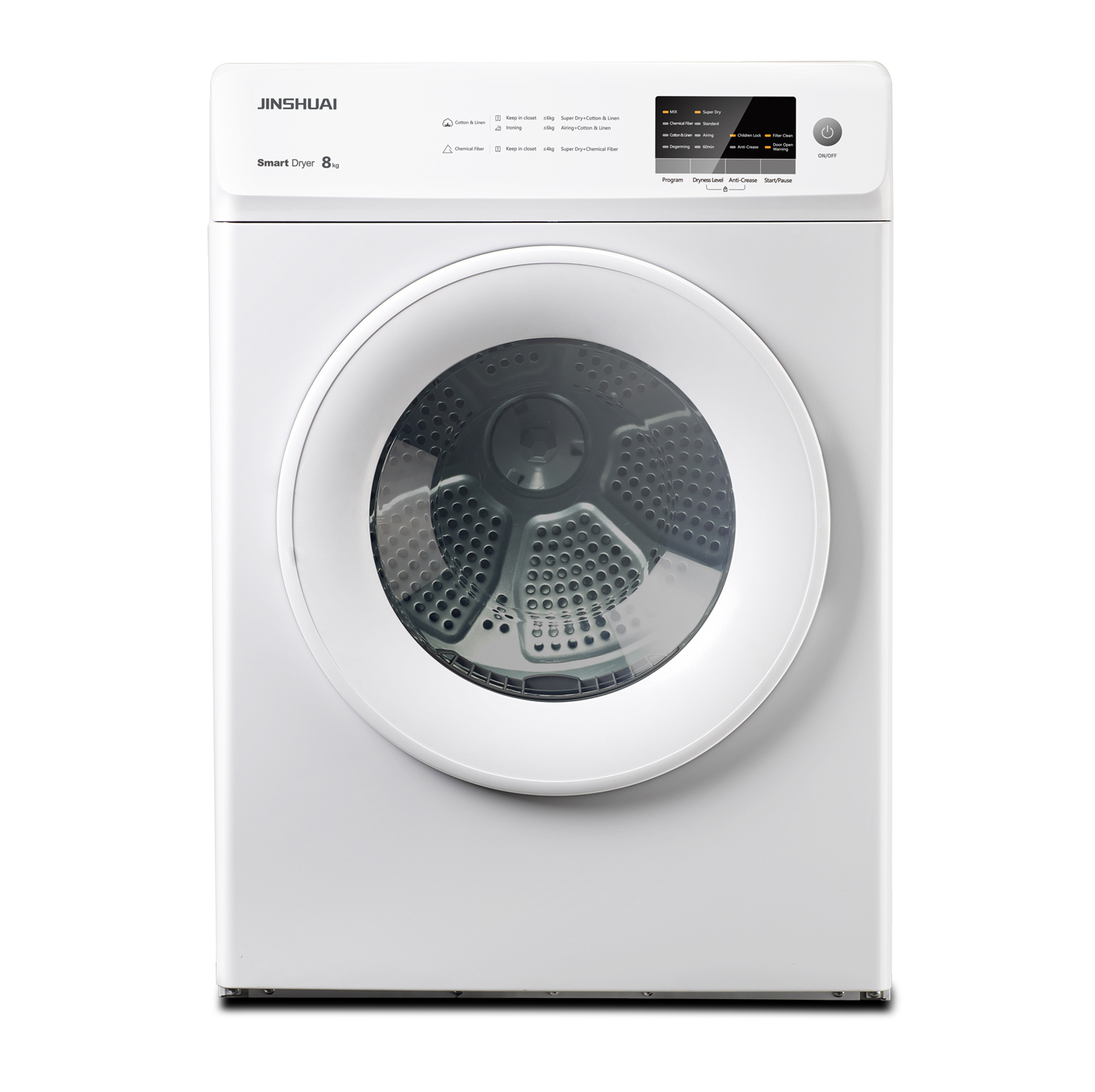
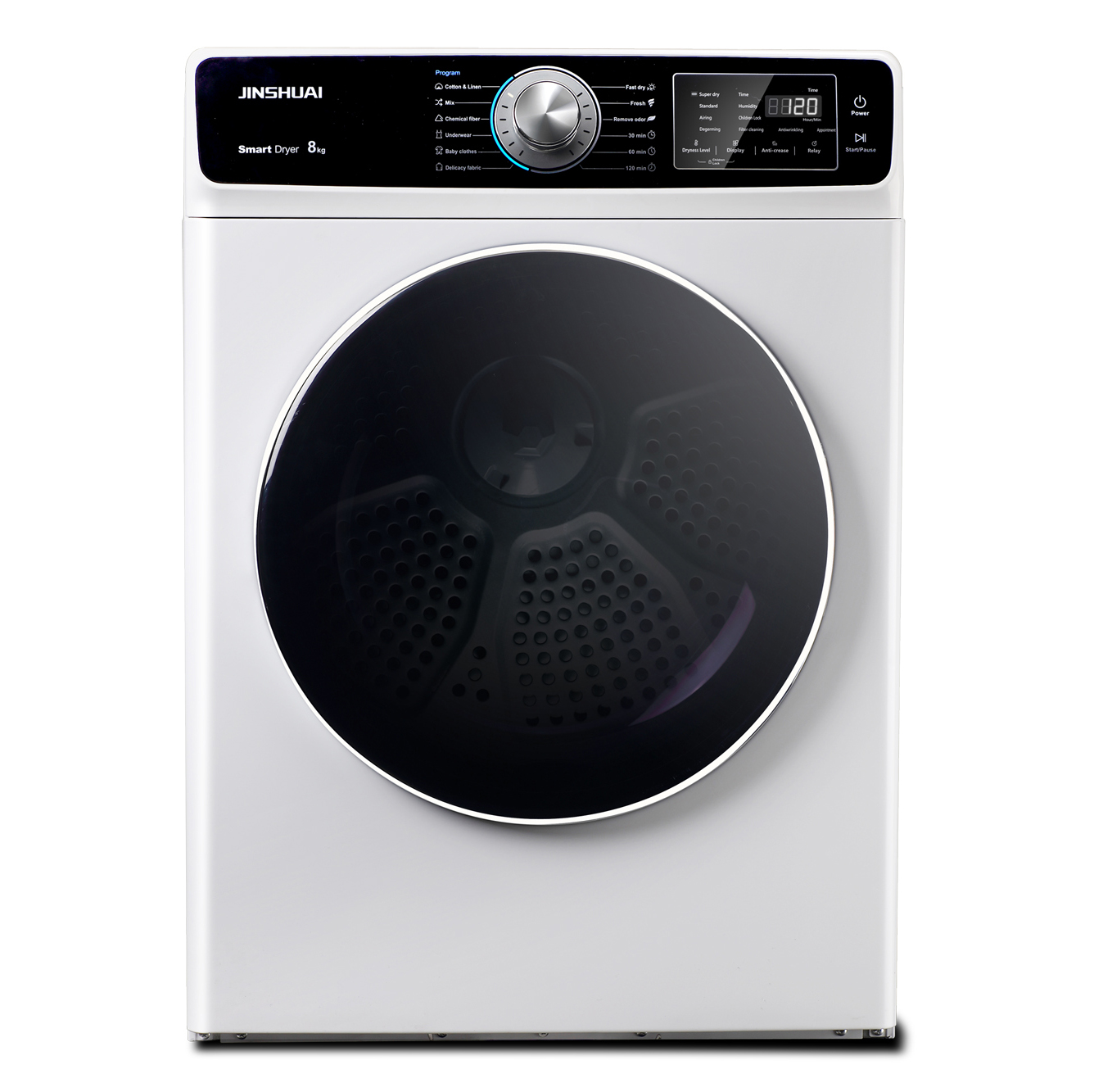
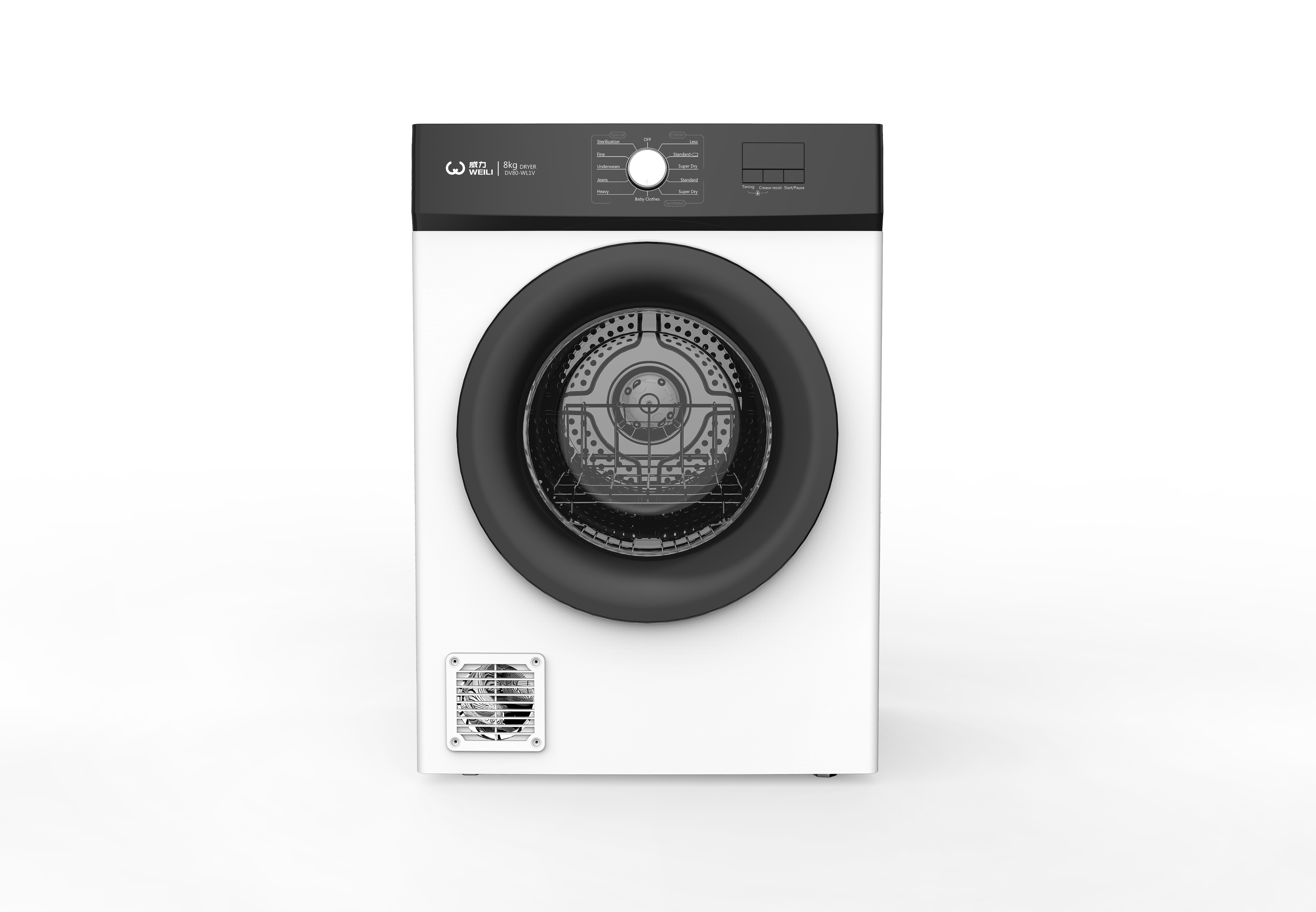
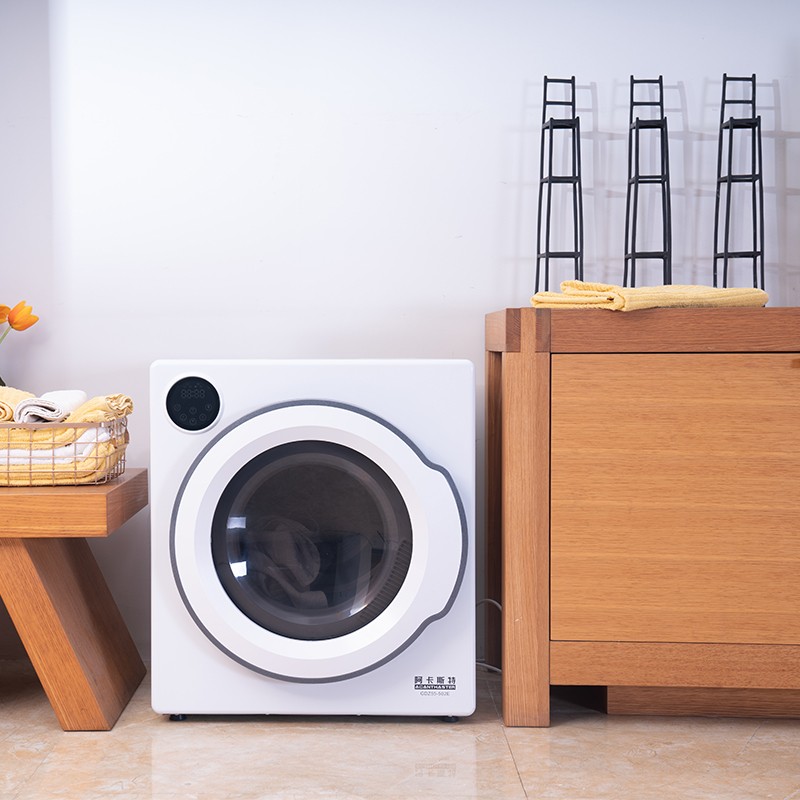
Source commercial and residential tumble dryers directly from vetted manufacturers and wholesale suppliers. Designed for importers, distributors, and appliance brands seeking reliable OEM and private-label production, our network delivers high-performance drying technology built to rigorous international standards.
Sourcing tumble dryers at scale requires navigating complex thermal dynamics, strict energy efficiency mandates, and rigorous safety certifications. Whether you are importing budget-friendly vented models or premium heat pump dryers, finding a factory capable of consistent assembly and stringent component quality is critical to avoiding costly product recalls and warranty claims.
Core Specifications & Heating Technologies
The foundation of your sourcing strategy depends on the drying technology you select. Global markets are rapidly shifting toward higher energy efficiency, dictating which models you should develop or import.
| Drying Technology | Energy Efficiency | Production Cost | Factory Complexity |
|---|---|---|---|
| Vented | Low | Low | Low (Standard heating elements) |
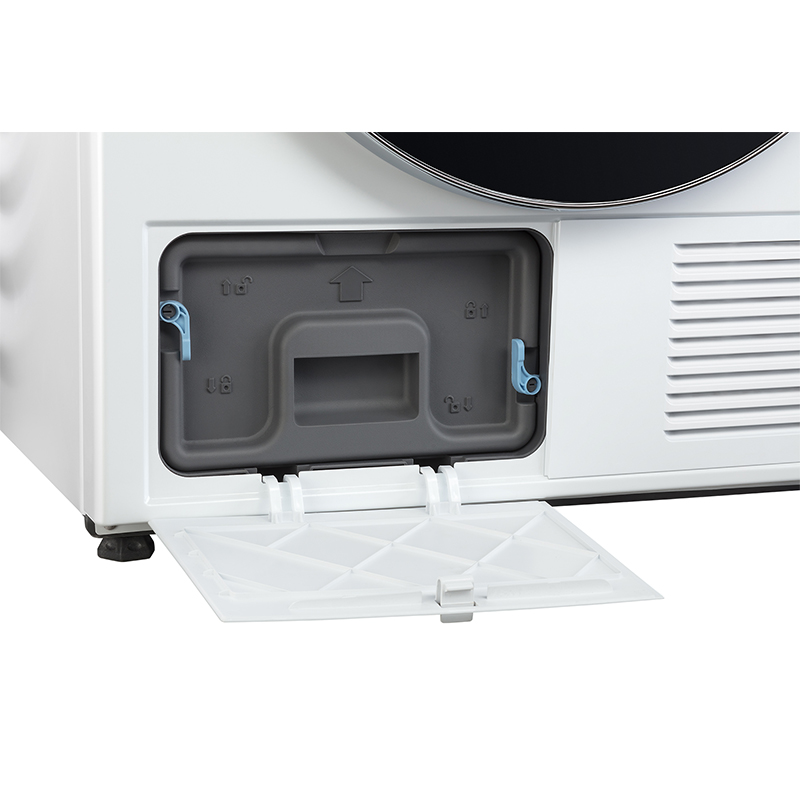
| Condenser | Medium | Medium | Moderate (Requires condensation management) |
| Heat Pump | High (Up to A+++) | High | High (Requires compressor and refrigerant handling) |
When defining your OEM/ODM Services requirements, you must specify several critical components:
- Drum Material: Stainless steel (premium, rust-resistant, gentle on fabrics) versus galvanized steel/zinc (budget-friendly but prone to long-term wear).
- Motor Type: Brushless DC (BLDC) inverter motors offer quieter operation and better longevity compared to traditional AC motors.
- Capacity: Typical residential units range from 7kg to 10kg. Commercial units exceed 12kg and require reinforced drive belts and heavy-duty bearings.
Navigating appliance specifications and factory selection? We can help you match your requirements with the right manufacturer.
Talk to our teamManufacturing Quality & Defect Prevention
Tumble dryers operate in high-heat, high-moisture environments. A failure in manufacturing quality control often results in thermal incidents or electronic failure. Evaluating a factory's production line requires looking past the final assembly and inspecting their component sourcing and testing protocols.
Critical Factory Floor Checks
- Drum Seam Welding: Inspect for perfectly smooth seams to prevent fabric snagging.
- PCB Potting: Ensure control boards are adequately sealed against moisture and lint ingress.
- Thermal Cut-off Testing: Verify that high-limit thermostats are batch-tested for accurate deployment.
- Refrigerant Charging (Heat Pumps): Check for automated, precise charging stations and leak-detection protocols (e.g., helium sniffing).
To ensure these standards are met before production begins, conducting thorough Factory Audits is essential. You need to verify that the supplier has the necessary ISO 9001 certifications and the in-house testing labs required to maintain quality across high-volume runs.
Compliance and Market Certifications
Appliance compliance is non-negotiable and heavily regulated. The factory must be capable of producing units that pass your target market's specific requirements.
- North America: UL or ETL certification for electrical safety, plus DOE/Energy Star compliance for efficiency.
- Europe: CE and LVD/EMC directives, alongside strict ErP (Energy-related Products) ecodesign and energy labeling regulations.
- Australia/New Zealand: SAA approvals and MEPS (Minimum Energy Performance Standards).
Refrigerant Regulations
If sourcing heat pump dryers, ensure the factory uses compliant, low-GWP (Global Warming Potential) refrigerants such as R290 (propane), as older refrigerants are being phased out in many major markets.
Pricing, MOQs, and Lead Times
Unit costs for tumble dryers vary dramatically based on the heating technology, drum capacity, and smart-control features (e.g., Wi-Fi connectivity, moisture sensors).
Because tumble dryers are high-volume, low-density cargo, optimizing your container loading is vital for maintaining margins. Shipping fully assembled (CBU) is standard, but some importers utilize Semi-Knocked Down (SKD) or Completely Knocked Down (CKD) shipping to reduce tariffs and freight costs, assembling locally.
Need to optimize your appliance supply chain and negotiate better factory terms?
Get a free consultationFrequently Asked Questions
Sourcing tumble dryers successfully requires balancing the upfront unit cost with long-term reliability and energy efficiency trends. By partnering with technically capable manufacturers and enforcing strict quality oversight, you can build a profitable, compliant appliance line.
Get Sourcing Help for Tumble Dryers
Tell us your requirements and our experts will connect you with verified manufacturers.