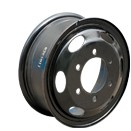
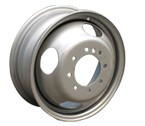
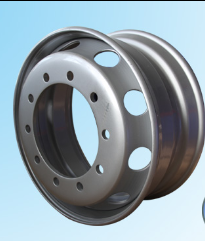
Truck Wheels
Source commercial truck wheels from vetted suppliers and manufacturers across Asia. Designed for importers, wholesale distributors, and brands requiring reliable OEM production, we connect you with high-volume manufacturing partners. Secure competitive bulk pricing on steel and forged aluminum wheels built to global safety standards.
Sourcing commercial truck wheels at scale is an exercise in balancing uncompromising safety standards with payload efficiency and landed costs. A wheel failure on a commercial vehicle is catastrophic, meaning the margin for error in manufacturing tolerances, material integrity, and load-rating verification is zero. Procuring these components requires deep visibility into the factory's tooling capabilities, metallurgical controls, and testing protocols.
Material Selection and Application
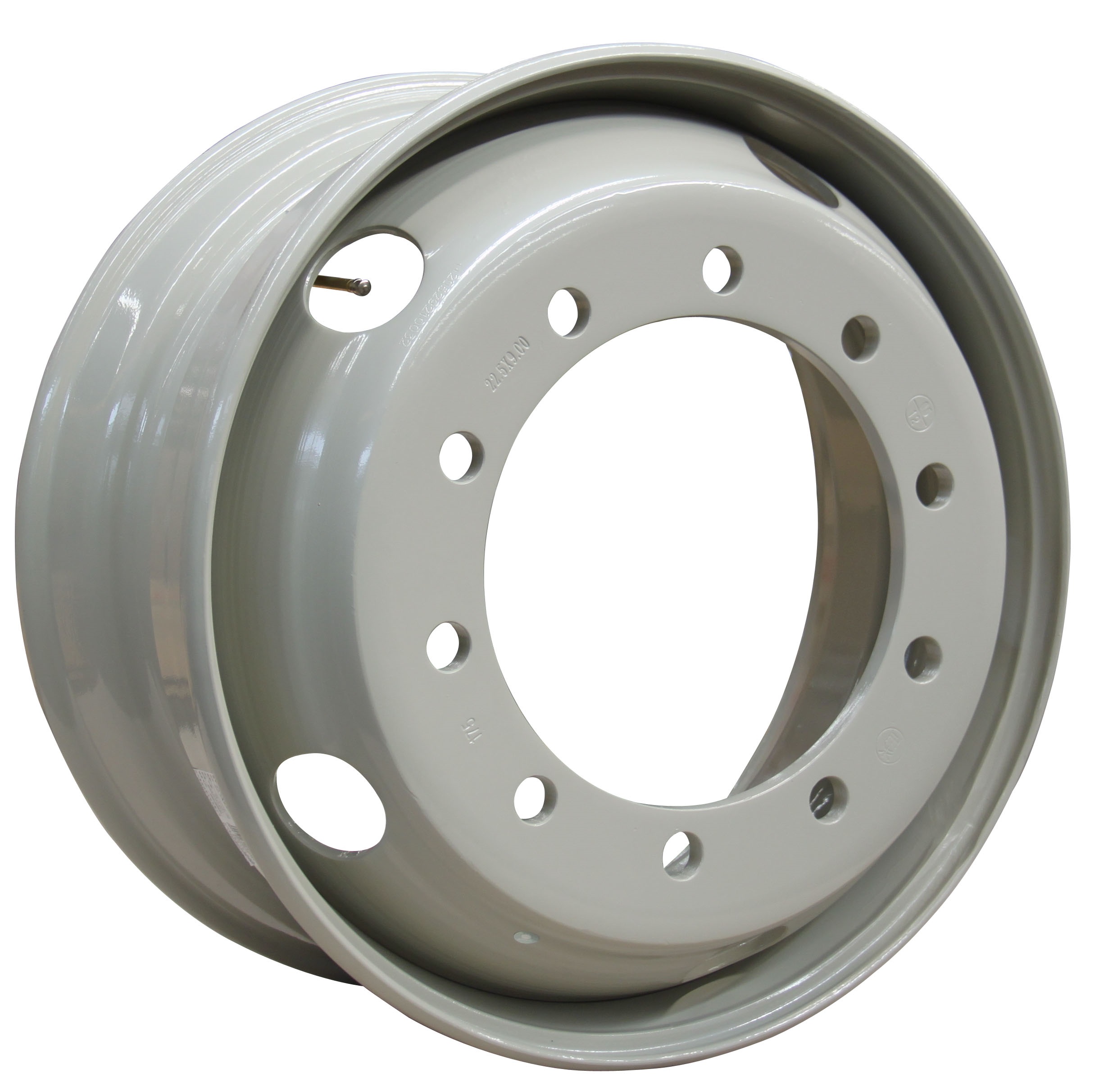
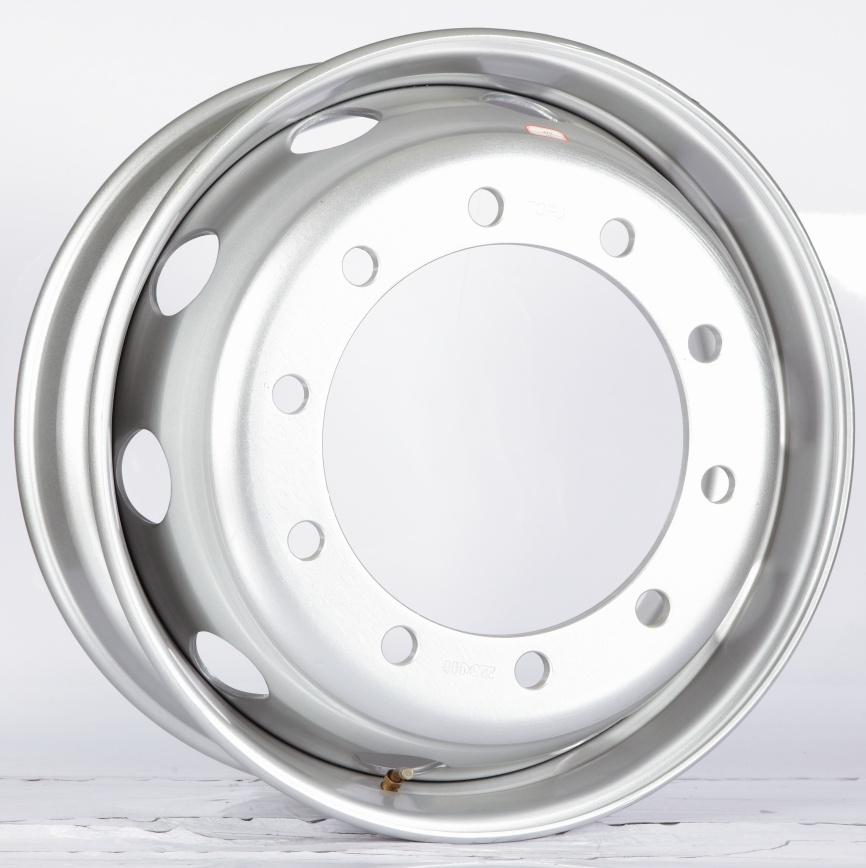
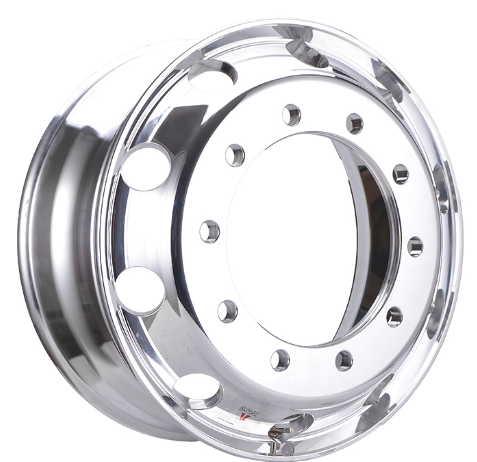
The primary decision in commercial wheel sourcing is the choice between heavy-duty steel and forged aluminum. This dictates the manufacturing process, the supplier profile, and the final application of the vehicle.
| Specification | Heavy-Duty Steel | Forged Aluminum |
|---|---|---|
| Manufacturing Process | Roll-formed, stamped & welded | Hot forged & CNC machined |
| Weight (e.g., 22.5x8.25) | Approx. 38-42 kg | Approx. 22-25 kg |
| Heat Dissipation | Standard | Excellent (extends tire/brake life) |
| Initial Cost | Lower | Higher (offset by fuel/payload savings) |
| Typical Application | Construction, vocational, severe duty | Long-haul freight, weight-sensitive transit |
Suppliers specializing in steel wheels focus heavily on weld integrity and cathodic electrodeposition (E-coat) lines to prevent rust. Conversely, aluminum wheel manufacturers rely on massive hydraulic forging presses (often 8,000 to 12,000 tons) and T6 heat treatment processes to align the grain structure of the 6061 alloy for maximum tensile strength.
Need to verify a supplier's forging capabilities or weld quality? We can evaluate their production lines before you place an order.
Talk to our teamCritical Manufacturing and QC Touchpoints
Quality cannot be inspected into a wheel; it must be manufactured into it. However, rigorous quality control is your only defense against receiving a container of non-compliant or out-of-balance wheels.
When evaluating a manufacturer, pay close attention to their in-house testing laboratory. If they outsource basic fatigue testing, they lack the rapid feedback loop necessary to control their production line.
Essential QC Checks for Truck Wheels
- Radial and lateral runout testing to ensure concentricity (typically under 1.5mm variance).
- Dynamic unbalance testing to prevent high-speed vibration and uneven tire wear.
- X-ray inspection of welds (steel) or forged billets (aluminum) to detect internal porosity and microscopic voids.
- Salt spray testing (minimum 500 hours) to verify the durability of powder coats, clear coats, or E-coats.
- Dynamic cornering fatigue and radial fatigue testing per SAE J267, DOT, or ETRTO standards.
If you are importing into regulated markets, independent compliance testing is non-negotiable. Ensure the factory's DOT registration or TÜV certification is current and applies specifically to the wheel dimensions and load ratings you are purchasing, rather than being a blanket certificate for the facility.
Sourcing Mechanics: MOQs, Pricing, and Freight
Truck wheels are high-density, heavy-freight items. The economics of your sourcing program will be heavily dictated by raw material indices (like the LME aluminum price) and your ocean freight strategy.
Pricing Drivers
- Raw Material Fluctuations: Quotes are typically valid for a short window (often 15 to 30 days) due to the volatility of steel and aluminum ingot prices.
- Surface Finish: For aluminum wheels, machined finishes are standard. Upgrading to polished (inside, outside, or both) or specialized protective coatings (like Dura-Bright equivalents) increases cycle time and cost per unit.
- Tooling Costs: If you require custom hub bores, proprietary ventilation hole designs, or specific offset configurations, expect to cover mold or CNC programming fees.
Because wheels "cube out" a container long before they "weigh out" (reach maximum container weight limits), efficient palletization is critical. Working with a partner who understands shipping and freight consolidation can drastically reduce your landed cost per wheel by optimizing container space.
Struggling with volatile freight costs eating into your margins? Let us optimize your supply chain and shipping strategy.
Get a free consultationFrequently Asked Questions
Successful truck wheel sourcing requires moving beyond unit price and focusing on total landed cost and zero-defect compliance. By thoroughly vetting your manufacturing partners and implementing rigorous pre-shipment inspections, you can secure a reliable supply of commercial wheels that perform safely under the heaviest loads.
Get Sourcing Help for Truck Wheels
Tell us your requirements and our experts will connect you with verified manufacturers.