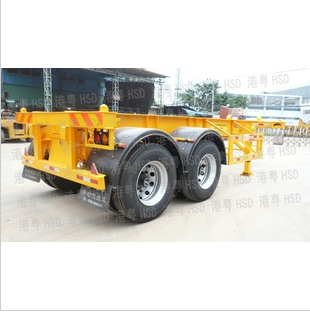
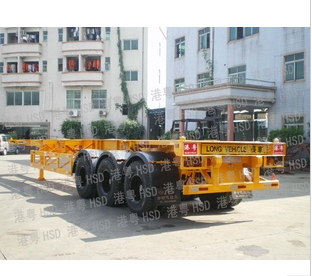
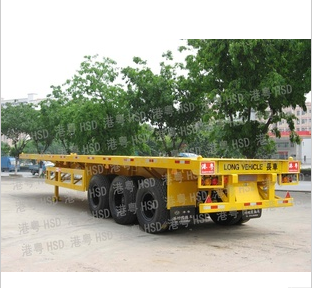
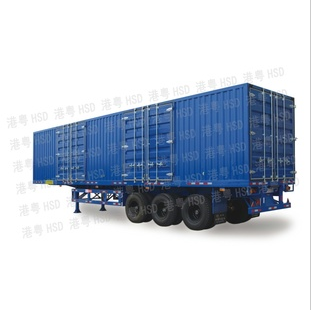
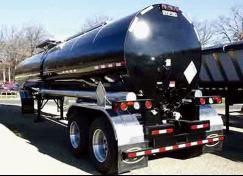
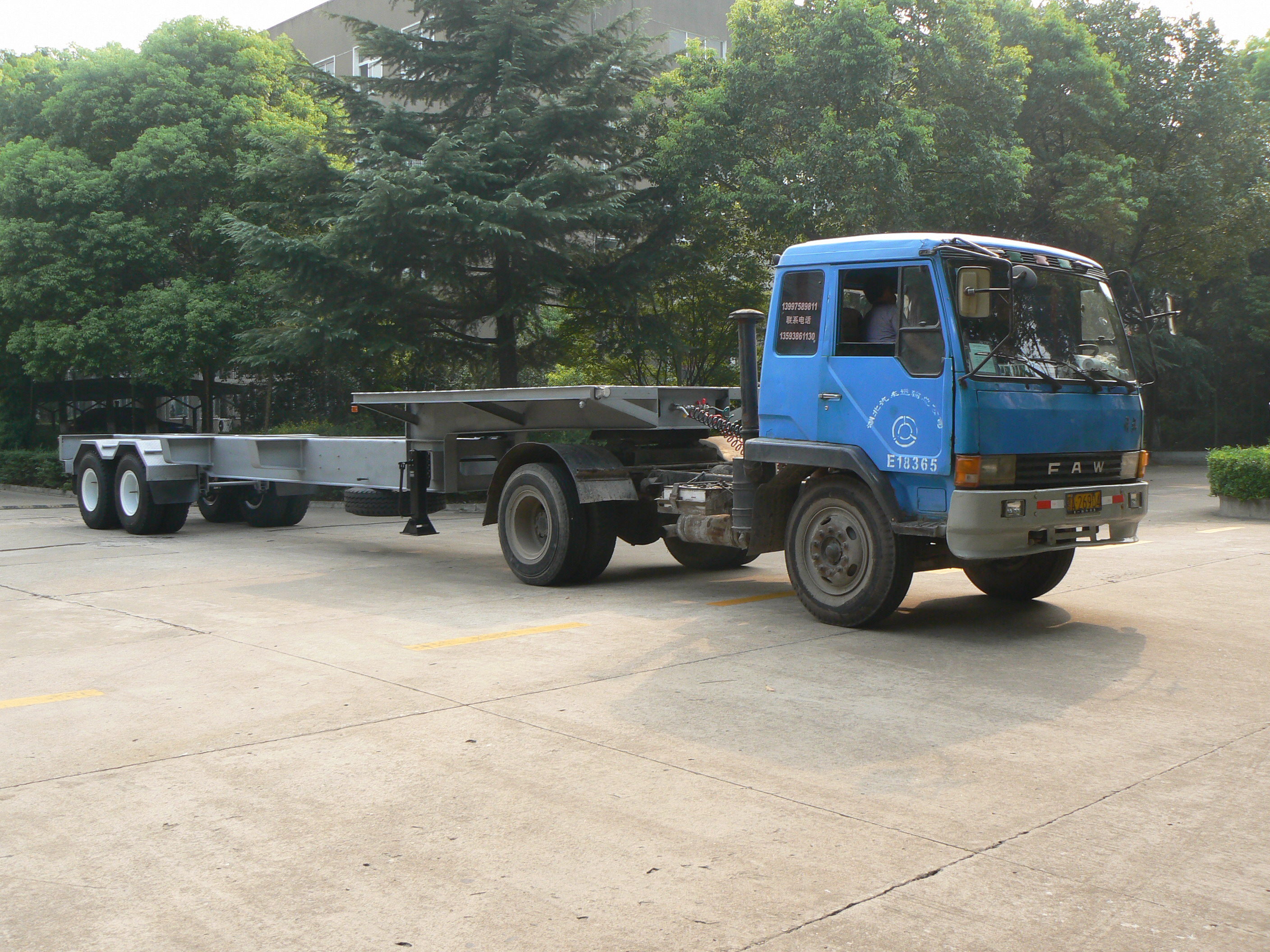
Truck Trailers
Source commercial truck trailers from vetted manufacturers and wholesale suppliers. Built for heavy-duty transport, our supplier network supports logistics fleets, distributors, and procurement managers looking for reliable bulk purchasing and OEM manufacturing. Ensure road compliance and structural durability for your next major equipment import.
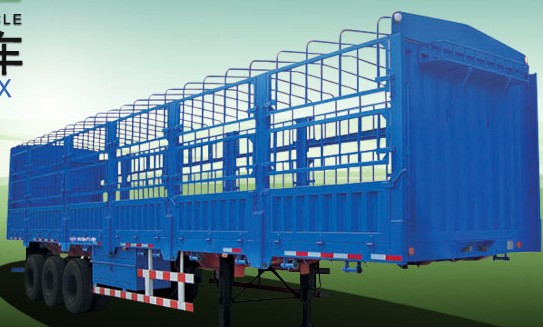
Sourcing heavy-duty truck trailers internationally requires balancing payload capacity, tare weight, and strict regional road compliance. The structural integrity of a semi-trailer dictates its lifespan, safety, and operational profitability. When buying in bulk or contracting custom fleet builds, identifying a factory with true heavy-machinery engineering capabilities—rather than a simple assembly workshop—is the critical first step.
Core Specifications and Structural Engineering
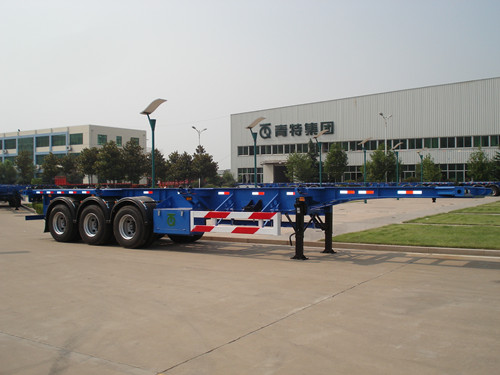
The foundation of any commercial trailer is its chassis. Factories typically offer standard configurations, but professional buyers must dictate the exact material grades and component brands to ensure longevity.
- Steel Grades: The main beams (I-beams) are the load-bearing core. Standard trailers use Q345B high-strength carbon steel, but weight-sensitive markets increasingly demand high-tensile steel like T700. T700 allows for thinner webs and flanges, reducing the tare weight by up to 1.5 tons without sacrificing payload capacity.
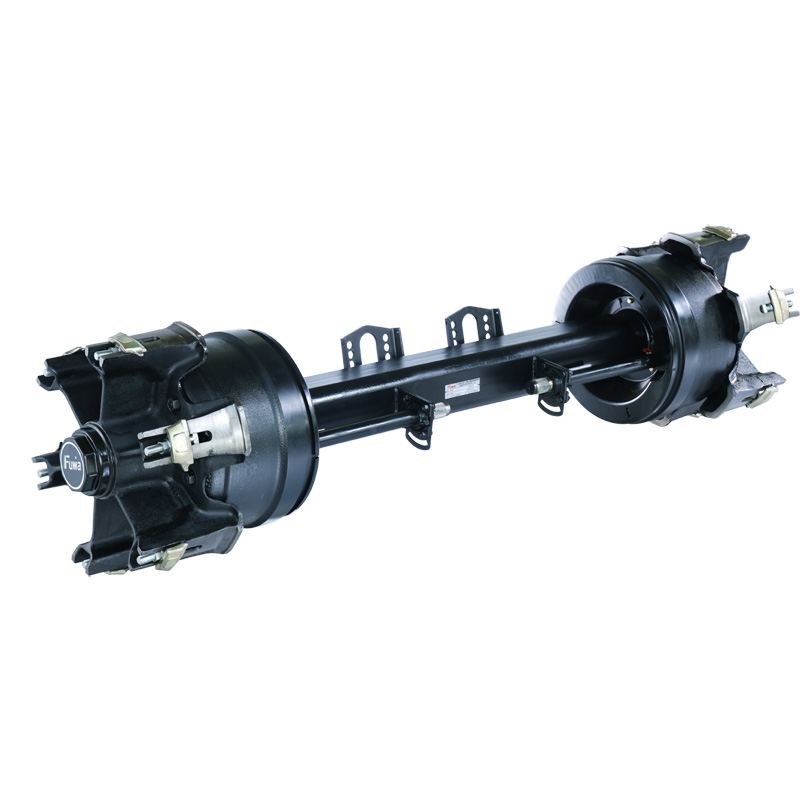
- Axle Configurations: Depending on local road weight limits, axles are typically rated at 13T, 16T, or 20T. The brand of the axle is a major pricing and reliability driver. FUWA and BPW are the industry standards for heavy transport, offering reliable aftermarket parts availability globally.
- Braking Systems: Specify dual-line pneumatic braking systems with reliable ABS or EBS valves (e.g., WABCO or Haldex) to meet international safety standards.
| Suspension Type | Tare Weight | Maintenance Profile | Primary Application |
|---|---|---|---|
| Mechanical (Leaf Spring) | Heavier | Low, highly durable | Rough terrain, heavy industrial loads |
| Air Suspension | Lighter | Moderate, requires clean air | Fragile cargo, strict axle-weight limits |
| Bogie / Single Point | Very Heavy | Low | Off-road, mining, extreme payloads |
Need to verify a trailer manufacturer's engineering and fabrication capabilities before placing a fleet order?
Consult an expertManufacturing Process and Quality Control
A trailer's failure point is rarely the steel itself; it is almost always the weld or the surface treatment. Assessing a supplier requires looking closely at their fabrication floor.
For the chassis, main beams must be welded using automatic submerged arc welding. Manual welding on primary load-bearing structures introduces too much variability and risk of slag inclusion or incomplete penetration. Before committing to a supplier, running thorough Factory Audits is essential to verify their machinery, ISO certifications, and welder qualifications.
Surface preparation is equally critical. Trailers are exposed to harsh environments, road salts, and abrasives. If the steel is not properly shot-blasted to an SA 2.5 standard before priming, the polyurethane topcoat will flake within the first year, leading to rapid rust.
Critical Pre-Shipment Inspection Points
- Dimensional verification of kingpin placement and fifth-wheel height
- Non-destructive testing (NDT) on all critical load-bearing welds
- Air brake system pressure testing and valve actuation checks
- Paint thickness measurement and cross-cut adhesion testing
- Axle alignment and suspension torque verification
Catching a misaligned axle or a faulty weld after the trailer has crossed the ocean is a costly disaster. Implementing rigorous Quality Control & Inspection at the factory—both during welding (in-line) and post-assembly—protects your investment.
Pricing Drivers, MOQs, and Logistics
Unlike consumer goods, truck trailers are high-value, capital-intensive assets. MOQs are naturally low, but the logistics of moving them require careful planning.
Shipping and Freight Considerations
Freight often makes up a substantial percentage of the total landed cost for truck trailers. There are three primary ways to ship them:
- Ro-Ro (Roll-on/Roll-off): The trailer is towed directly onto the vessel. Safe, but often the most expensive option depending on the route.
- Bulk Cargo Deck: Stacked on the deck of a bulk carrier. Requires heavy wax spraying to protect against saltwater corrosion during transit.
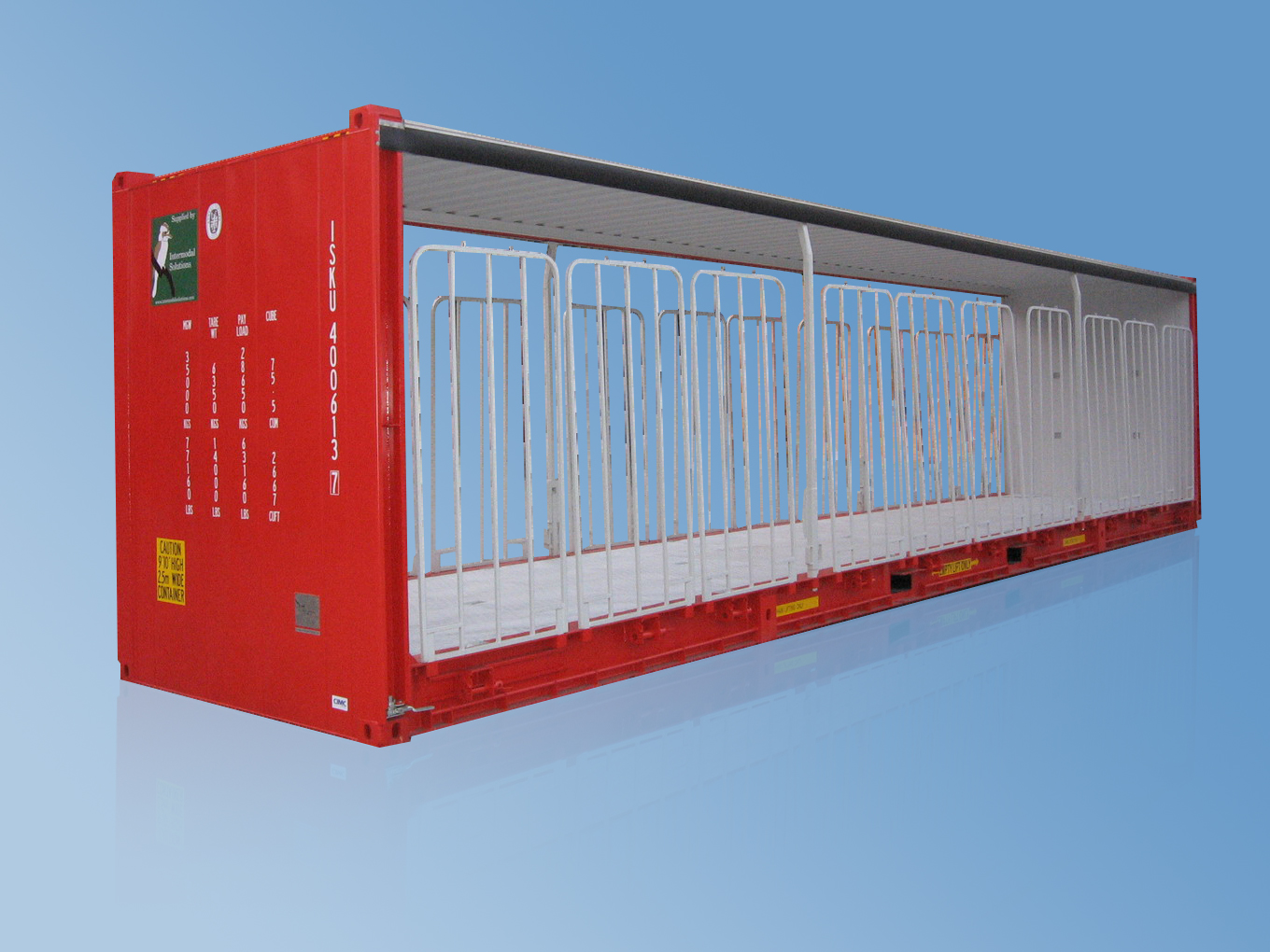
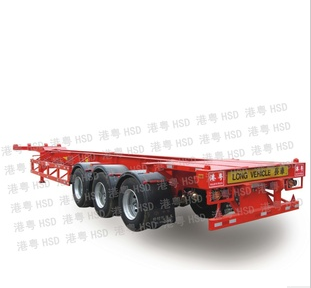
- Containerized (SKD/CKD): Many factories can design trailers with bolted rear ends or specific dimensions to fit two or three units inside a 40ft High Cube container. This drastically reduces shipping costs but requires assembly at the destination.
Coordinating these out-of-gauge shipments requires specialized Shipping & Freight expertise to navigate port handling, customs, and inland transport to your facility.
Looking to optimize your shipping strategy and reduce the landed cost of your trailer fleet?
Get a freight estimateBuyer FAQ
Sourcing truck trailers is an exercise in risk management and precise engineering communication. Success depends on selecting a factory with advanced fabrication technology and managing the complex logistics of international heavy-equipment transport. Focus on structural integrity and thorough quality verification to ensure your fleet performs reliably under maximum payload.
Get Sourcing Help for Truck Trailers
Tell us your requirements and our experts will connect you with verified manufacturers.