Truck Steering Systems
Source commercial truck steering systems in bulk from vetted manufacturers and suppliers. Designed for heavy-duty vehicle parts importers, wholesale distributors, and aftermarket brands seeking OEM production, this catalog connects you with reliable factories capable of high-volume, precision manufacturing.
Sourcing heavy-duty truck steering systems requires balancing cost efficiency with zero-compromise safety standards. Because these components endure immense hydraulic pressures, high payload stress, and constant mechanical wear, selecting a manufacturing partner with strict metallurgical and machining controls is critical to avoiding catastrophic failures and costly aftermarket recalls.
Key Specifications for Commercial Steering Systems
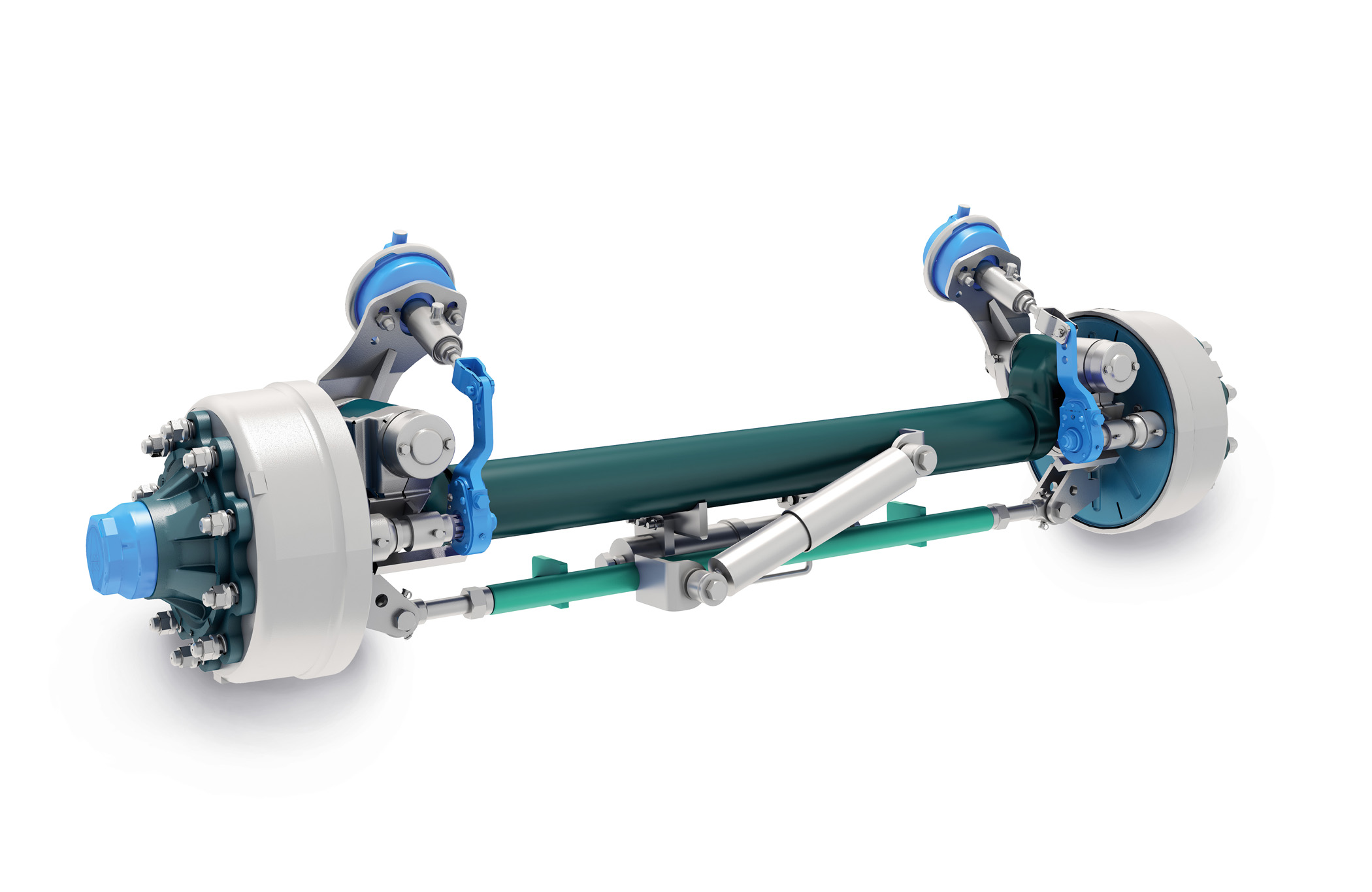
When negotiating with manufacturers, generic part numbers are rarely enough. To ensure the factory produces exactly what your market demands, you must define the technical parameters of the steering gears, hydraulic pumps, and linkages.
Pay close attention to the metallurgy of the sector shaft and the rack piston. High-quality suppliers will use forged alloy steel (such as 40Cr or 20CrMnTi) that has undergone precise carburizing and quenching. If a supplier's quote is drastically lower than the market average, it is often because they are using inferior steel grades or skipping secondary heat treatments, which dramatically reduces the fatigue life of the steering gear.
Need help verifying a manufacturer's technical capabilities and production standards? Let our sourcing engineers evaluate your short-listed suppliers.
Talk to our teamManufacturing Tolerances and Quality Control
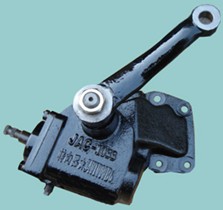
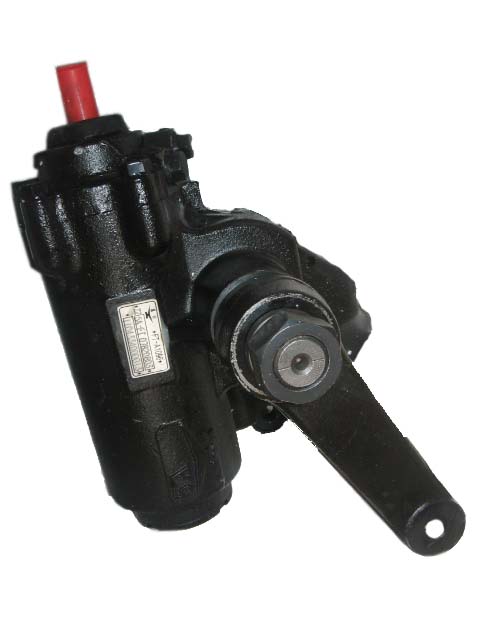
The core of a truck's recirculating ball steering gear relies on the exact fitment of steel balls within the worm gear circuit. Even microscopic deviations here result in "backlash" (steering play) or binding. Validating a supplier's capability requires comprehensive Factory Audits to ensure they possess the necessary multi-axis CNC machining centers and do not outsource critical internal components.
Essential Factory Evaluation Points
What to Look for on the Factory Floor
- IATF 16949 Certification: Mandatory quality management standard for automotive supply chains.
- In-house Heat Treatment: Ensures control over the hardening process of gears and shafts.
- 100% End-of-Line Testing: Every hydraulic pump and steering gear must be tested on a hydraulic bench before packaging.
- Seal Quality: Verification that the factory uses premium elastomers (like Viton or high-grade Nitrile) for high-pressure hydraulic seals.
Implementing robust Quality Control & Inspection prior to shipment is non-negotiable. Inspectors should focus on hydraulic pressure retention tests to check for microscopic seal leaks, rotational torque consistency across the full lock-to-lock range, and the dimensional accuracy of the mounting splines.
Production Economics: MOQs, Lead Times, and Pricing
The economics of sourcing truck steering parts depend heavily on whether you are buying off-the-shelf aftermarket replacements or developing proprietary components.
For standard aftermarket steering gears and pumps, Minimum Order Quantities (MOQs) typically range from 100 to 300 units per SKU. Production lead times generally span 45 to 60 days, depending on the availability of raw castings. Brands requiring custom OEM/ODM Services for specialized heavy equipment or proprietary designs should expect higher MOQs (often 500+ units) and an additional 30 to 45 days for tooling and prototype validation.
| Sourcing Model | Typical MOQ | Lead Time | Primary Cost Driver |
|---|---|---|---|
| Standard Aftermarket | 100 - 300 units | 45 - 60 days | Raw material (steel/iron) costs |
| Custom OEM/ODM | 500+ units | 75 - 100 days | Tooling & custom casting molds |
Struggling to negotiate MOQs or finalize custom tooling agreements? We can manage the factory negotiations on your behalf.
Get a free consultationFrequently Asked Questions
Successfully importing commercial steering systems requires more than just finding a low price on a B2B directory; it requires deep technical vetting and strict oversight of the manufacturing process. By partnering with factories that prioritize metallurgical integrity and rigorous end-of-line testing, you protect your brand's reputation and your customers' safety.
Get Sourcing Help for Truck Steering Systems
Tell us your requirements and our experts will connect you with verified manufacturers.