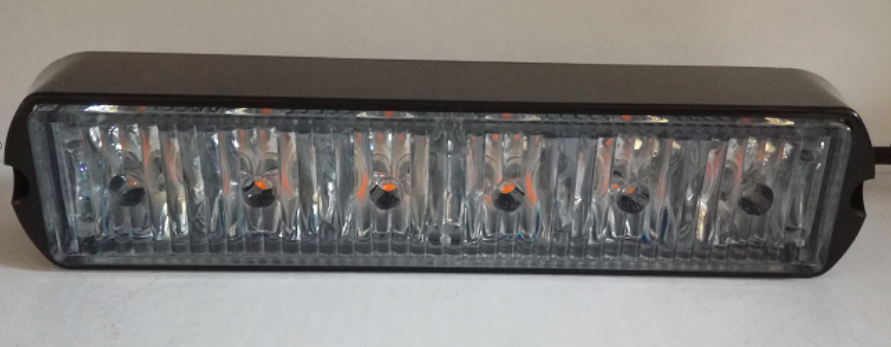
Truck Lighting Systems
Source wholesale Truck Lighting Systems from vetted manufacturers and suppliers. This catalog is built for commercial importers, distributors, and brands seeking reliable OEM/ODM production of heavy-duty, compliant vehicle lighting designed for extreme operating environments.
Procuring truck lighting systems at volume requires navigating a complex matrix of thermal management, vibration resistance, and strict regulatory compliance. A failure in the field doesn't just result in an RMA; for commercial fleets, it means grounded vehicles and severe safety liabilities. Success in this category depends on identifying manufacturing partners capable of consistent LED binning, flawless environmental sealing, and verifiable market certifications.
Defining Specifications for Heavy-Duty Applications
When negotiating with manufacturers, vague specifications lead to component substitution. Commercial truck lighting must withstand constant high-amplitude vibration, thermal shock, and aggressive chemical exposure (such as road salts and degreasers).
You must explicitly define the following parameters in your purchase orders:
- LED Chipset and Binning: Specify the exact brand (e.g., Osram, Cree, Philips) and acceptable color temperature bins (typically 5500K to 6500K for forward lighting). Inconsistent binning results in mismatched fleet lighting.
- Ingress Protection: IP67 is the baseline for commercial trucking, but IP69K is necessary for exterior systems subjected to high-pressure, high-temperature washdowns.
- Thermal Management: The housing must act as an efficient heat sink. Specify die-cast aluminum (ADC12) with appropriate fin geometry. Poor thermal dissipation degrades LED lifespan rapidly.
- Voltage Range: Systems should feature wide-voltage drivers (typically 9V-32V or 10V-36V) to handle voltage spikes inherent in heavy-duty alternators without flickering or driver failure.
| Specification | Standard Commercial | Severe Duty (Mining/Logging) |
|---|---|---|
| Lens Material | Polycarbonate (PC) | Hard-coated PC or Borosilicate Glass |
| Vibration Rating | 10G to 15G | Up to 30G RMS |
| Ingress Protection | IP67 | IP69K with Gore-Tex Breather |
| Housing Coating | Standard Powder Coat | Marine-grade Anti-corrosion |
Manufacturing Red Flags and Quality Control
The gap between a golden sample and mass production often reveals itself in the assembly process. High-quality suppliers maintain strict static-free (ESD) environments and automated SMT (Surface Mount Technology) lines.
Pay close attention to the sealing process. Manual application of silicone sealants frequently leads to micro-voids, allowing moisture ingress over time. Premium manufacturers utilize automated CNC dispensing machines for structural adhesives and epoxy potting for the internal driver boards.
Need to verify a factory's automated assembly capabilities before placing a volume order? We run comprehensive technical audits on the ground.
Talk to our teamTo prevent catastrophic batch failures, implement a rigorous Quality Control & Inspection protocol prior to shipment.
Critical Pre-Shipment Inspection Points
- Submersion and high-pressure water testing (IP verification) on a randomized sample.
- Integrating sphere testing to verify lumen output and color temperature consistency.
- Accelerated aging tests (burn-in) for a minimum of 24 to 48 hours at elevated temperatures.
- Vibration table testing simulating specific frequency ranges of diesel engines.
Market Compliance and Certifications
Importing non-compliant lighting systems can result in customs seizures or forced recalls. The regulatory landscape is strictly enforced and varies by region.
For the North American market, forward lighting and signaling must comply with DOT FMVSS 108. For Europe and regions following UNECE standards, E-Mark certification (e.g., ECE R112 for headlamps, R7 for position lamps) is mandatory.
Never take a supplier's certificate at face value. A common factory tactic is presenting a certificate for a single component (like the LED chip) and claiming the entire assembly is certified. Thorough Compliance & Testing verification through accredited third-party labs is essential to ensure the specific finished product meets local road-legality standards.
Pricing Dynamics, Lead Times, and MOQs
Pricing in truck lighting is highly elastic, driven primarily by the cost of the LED chipset, the weight/quality of the aluminum housing, and the complexity of the driver circuit.
- MOQs: Standard off-the-shelf designs typically require Minimum Order Quantities of 200 to 500 units per SKU. If you are utilizing OEM/ODM Services for custom tooling, proprietary bezels, or specific photometric patterns, expect MOQs to start at 1,000 to 2,000 units to amortize the mold costs.
- Lead Times: Standard production runs take 30 to 45 days. Custom tooling adds 45 to 60 days to the initial timeline for mold creation, sampling, and photometric validation.
- Cost Drivers: Upgrading from a generic Chinese LED chip to a top-tier Osram or Cree chip can increase the unit cost by 15 percent to 30 percent. Similarly, adding a military-style breather valve or upgrading to CISPR 25 Class 4 EMI/RFI shielding will impact the final price but drastically reduce fleet interference issues.
Struggling to balance custom tooling costs with strict compliance requirements? Let us help you structure a more efficient supply chain.
Get a free consultationSourcing commercial truck lighting systems requires balancing aggressive pricing with zero-compromise reliability. By defining precise technical specifications, verifying compliance documentation, and enforcing strict pre-shipment testing, you can build a resilient supply chain that protects your brand and your margins.
Get Sourcing Help for Truck Lighting Systems
Tell us your requirements and our experts will connect you with verified manufacturers.