Truck
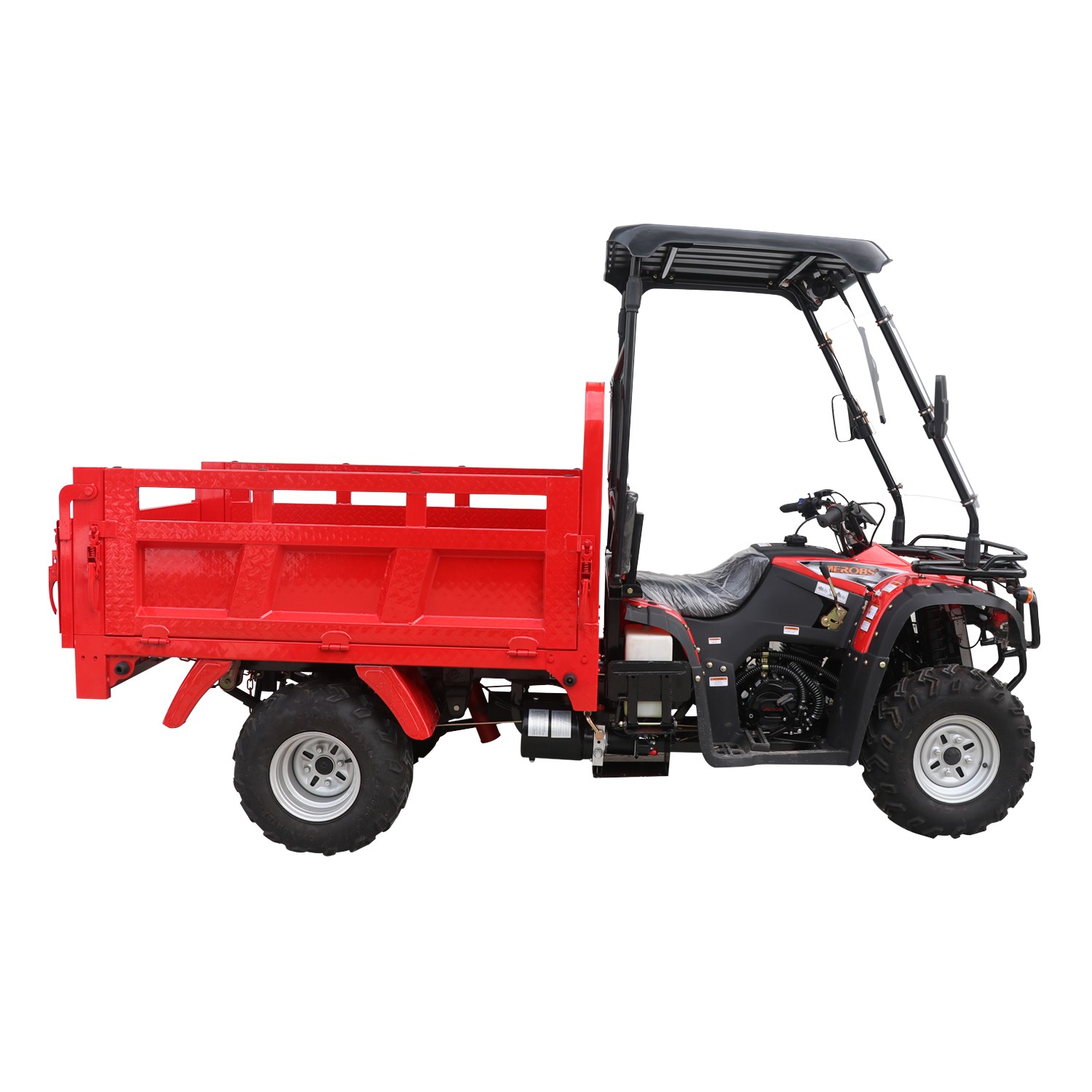
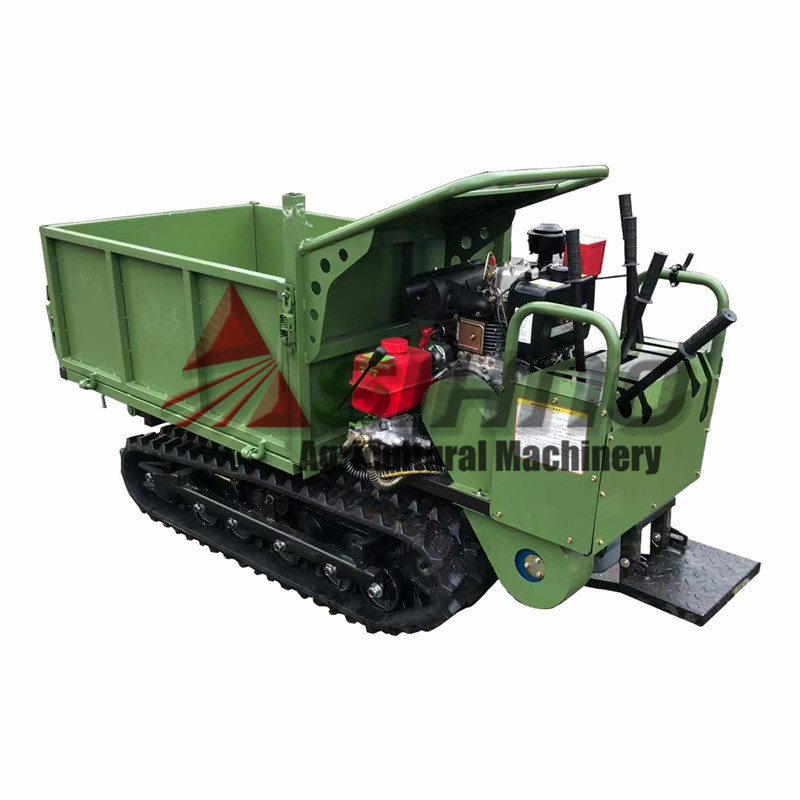
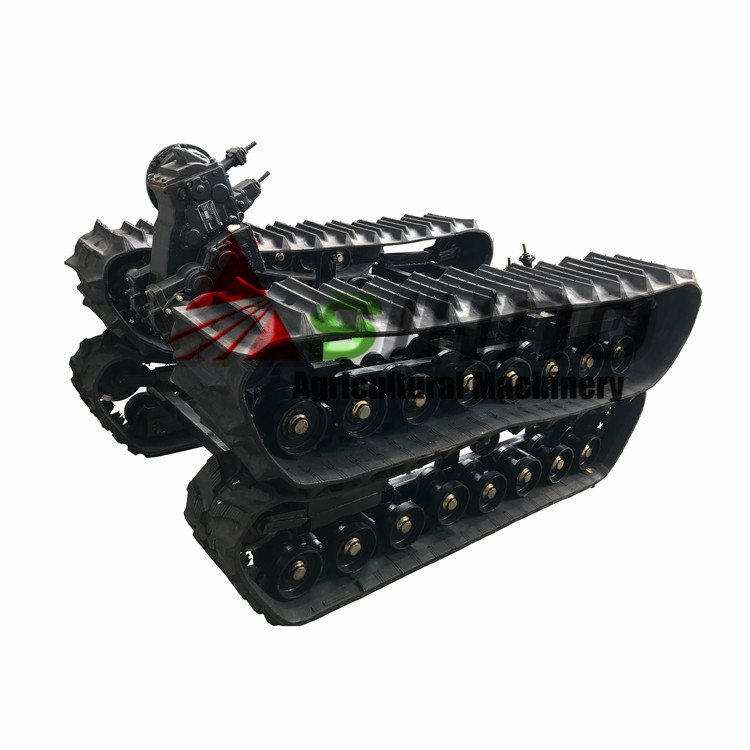
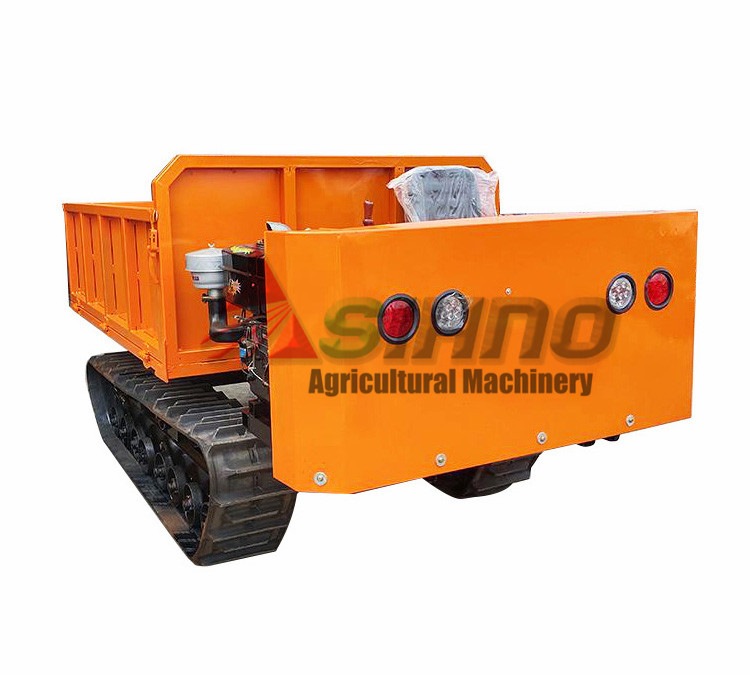
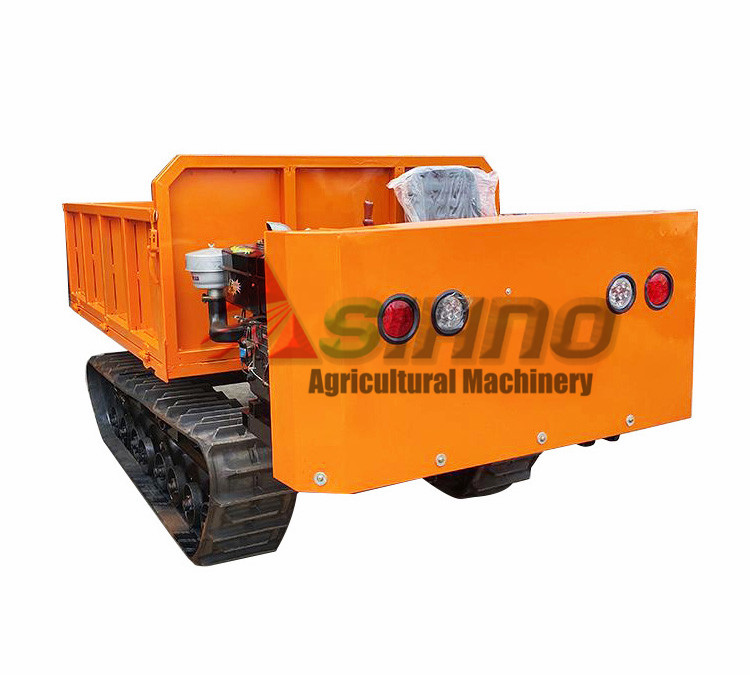
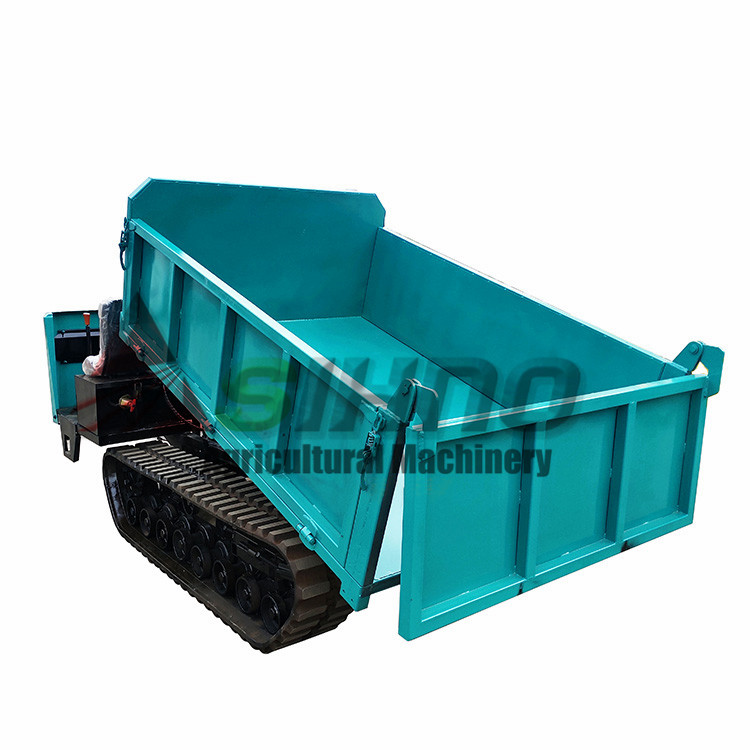
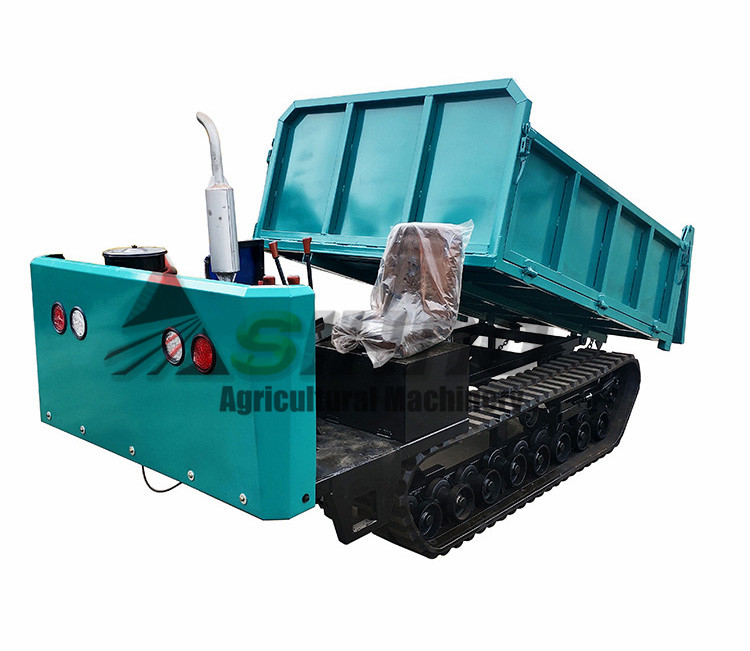
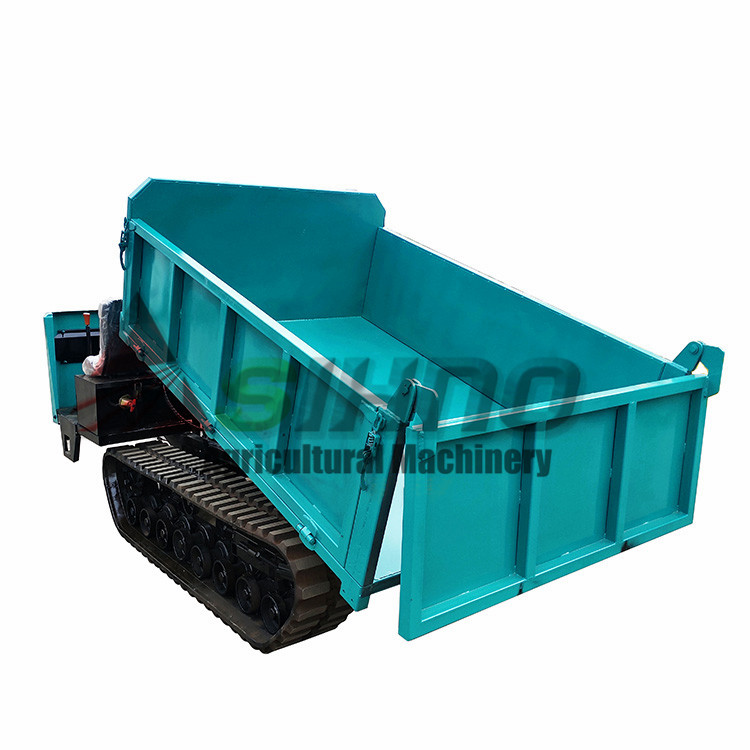
Source heavy-duty and utility agricultural trucks from vetted manufacturers and suppliers. Designed for equipment distributors, commercial farming enterprises, and importers buying in bulk, our network offers reliable carrying machinery tailored for off-road and on-road agricultural transport. Secure OEM production and wholesale pricing.
Sourcing agricultural trucks in volume requires balancing payload capacity, terrain capability, and strict regulatory compliance. Whether you are importing heavy-duty grain transporters, specialized dumpers, or agile off-road farm utility vehicles, the primary challenge lies in verifying chassis integrity, ensuring emission standard compliance, and navigating the complex logistics of international vehicle shipping.
Core Specifications and Customization
When evaluating agricultural truck manufacturers, the technical specifications must align exactly with the end-user's terrain and load requirements. Off-road agricultural applications demand different drivetrain configurations and structural reinforcements compared to standard highway logistics vehicles.
Key specifications to define with your supplier include:
- Drivetrain and Axles: 4x2 configurations are sufficient for flat, dry farms, but 4x4 or 6x4 configurations with differential locks are mandatory for muddy or steep agricultural terrain.
- Engine Power and Emissions: Engine sourcing is critical. Many Chinese manufacturers use reliable domestic engines (like Weichai or Yuchai) or joint-venture engines (like Cummins). You must specify the required emission standard (e.g., Euro V, Euro VI, or EPA Tier 4) for your destination market.
- Chassis Frame: Look for high-strength steel (like Q345 or Q610) with double-layer or reinforced frames designed to withstand torsional stress on uneven ground.
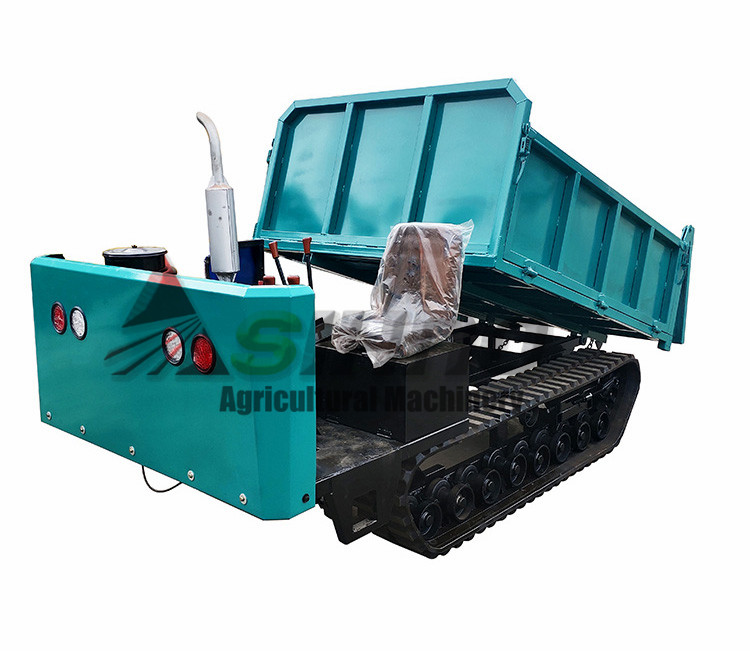
- Hydraulics (for dumpers): If sourcing tipping or dump trucks, specify the brand and lifting capacity of the hydraulic cylinders (e.g., Hyva or equivalent tier-one domestic brands) to prevent failure under maximum payload.
Manufacturing Quality and Factory Vetting
The durability of an agricultural truck is won or lost in the welding, coating, and assembly stages. A manufacturer might present an impressive spec sheet, but inconsistent factory-floor execution will lead to structural failures in the field.
Conducting thorough Factory Audits is essential before placing a volume order. You need to verify that the supplier has automated welding capabilities for the main chassis and a rigorous testing protocol for the drivetrain.
Critical Inspection Points for Agricultural Trucks
- Chassis Welding: Inspect for continuous, robotic seam welds rather than manual spot welding on stress points.
- Anti-Corrosion Treatment: Verify the use of electrophoretic coating (e-coating) on the cabin and chassis to resist harsh agricultural chemicals and weather.
- Wiring Harnesses: Ensure all electrical connections are marine-grade or heavily waterproofed for off-road environments.
- Hydraulic Seals: Check for high-pressure tolerance and leak-free operation under maximum rated load.
Need to verify a vehicle manufacturer's production capabilities and quality control systems?
Talk to our teamImplementing strict Quality Control & Inspection prior to shipment is non-negotiable. Pre-shipment inspections for vehicles should include a dynamic test (driving the vehicle under load), a brake performance test, and a hydraulic lift cycle test.
Shipping Logistics: CBU vs. SKD/CKD
Shipping fully assembled trucks is notoriously expensive due to the volume they occupy. Buyers importing in bulk must decide between shipping Completely Built Up (CBU) units via RoRo (Roll-on/Roll-off) vessels, or utilizing Semi-Knocked Down (SKD) or Completely Knocked Down (CKD) methods via standard shipping containers.
Shipping Methods: CBU vs. SKD Container Shipping
Advantages
- CBU: Zero assembly required at destination; immediate readiness for the end-user.
- CBU: Factory guarantees the final assembly quality and alignment.
- SKD: Significantly reduces freight costs by fitting multiple units into 40ft High Cube containers.
- SKD: May attract lower import duties in certain countries compared to fully assembled vehicles.
Disadvantages
- CBU: Highest freight costs and subject to RoRo vessel availability and route limitations.
- CBU: Higher risk of cosmetic damage during port handling and sea transit.
- SKD: Requires a local assembly facility, specialized tools, and trained technicians at the destination.
- SKD: Shifts the liability for final assembly quality from the manufacturer to the importer.
Managing these logistics requires deep expertise. Coordinating Shipping & Freight for heavy machinery often involves custom flat-rack containers or complex RoRo scheduling, which directly impacts your landed cost.
Pricing, MOQs, and Lead Times
Because agricultural trucks are high-value, capital-intensive goods, the buying mechanics differ significantly from smaller implements.
- Minimum Order Quantities (MOQs): For standard models (CBU), factories often accept an MOQ of just 1 to 3 units. However, if you require SKD/CKD packaging or custom branding, the MOQ typically rises to 5 to 10 units to justify the engineering and packing adjustments.
- Pricing Drivers: The engine brand, emission compliance level, and payload capacity are the primary cost drivers. Upgrading from a domestic engine to an international joint-venture engine can increase the unit cost by 15 to 25 percent.
- Lead Times: Production typically takes 35 to 60 days. Custom configurations or homologation adjustments can extend this to 90 days. Shipping via RoRo may also add waiting time at the port of loading, as these vessels sail less frequently than standard container ships.
Want to optimize your agricultural machinery supply chain and reduce landed costs?
Get a free consultationFrequently Asked Questions
Successfully sourcing agricultural trucks requires looking past the initial unit price. The true cost of importing vehicles lies in freight optimization, rigorous emission compliance, and ensuring the chassis can withstand years of brutal farm work. By auditing the factory's welding and assembly standards before production begins, you protect your capital and your brand's reputation in the field.
Get Sourcing Help for Truck
Tell us your requirements and our experts will connect you with verified manufacturers.