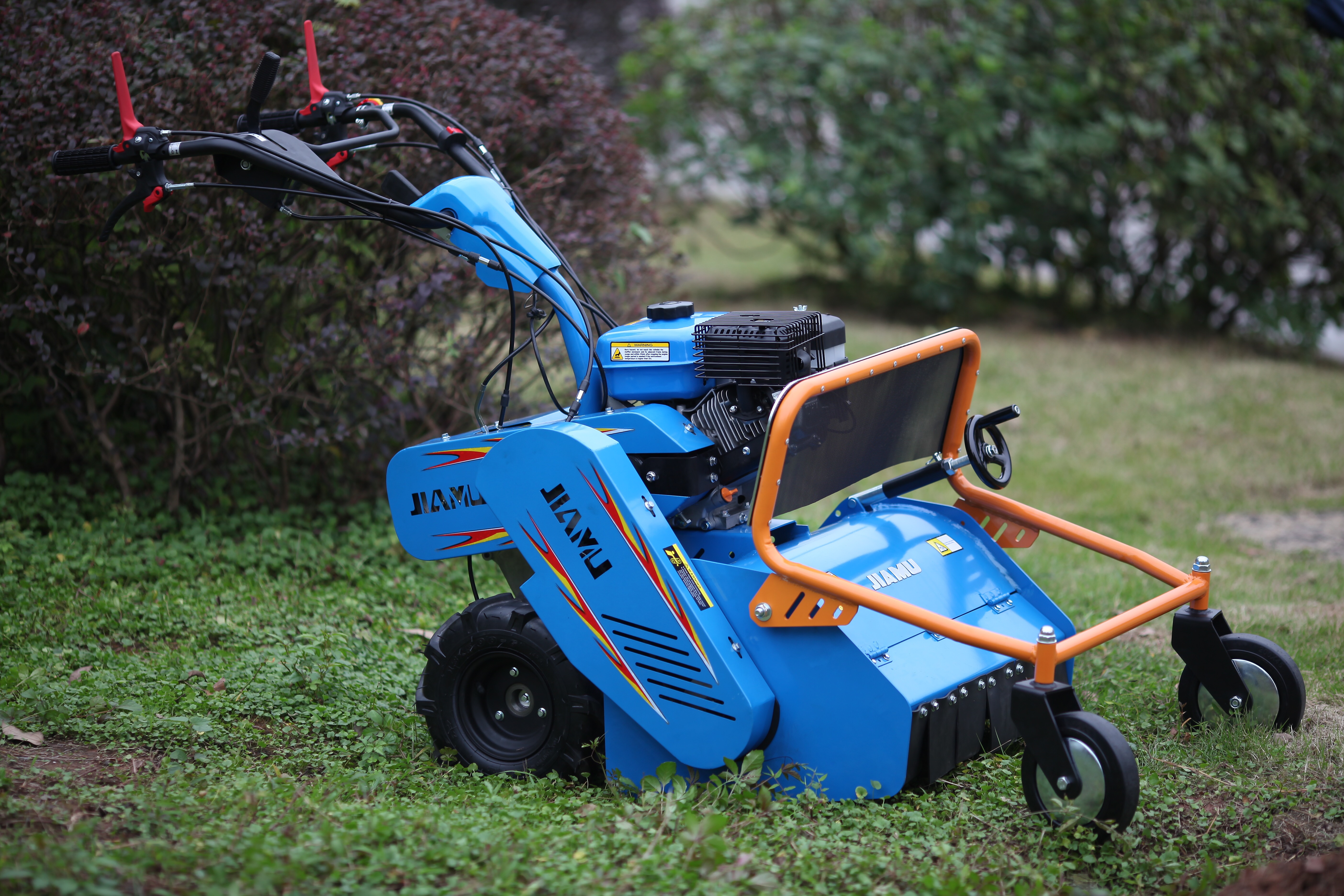
Trimmer
Source high-quality trimmers from vetted manufacturers and wholesale suppliers. Designed for agricultural machinery importers, wholesale distributors, and brands seeking reliable OEM/ODM production. Discover bulk pricing and secure your supply chain with trusted factory partners.
Sourcing agricultural and garden trimmers at scale requires navigating a highly fragmented manufacturing base where outward appearances often mask internal component compromises. For commercial importers and private-label brands, the difference between a high-return liability and a durable market leader lies in motor specifications, battery cell quality, engine displacement accuracy, and rigorous assembly tolerances.
Critical Specifications & Component Quality
Whether you are procuring 2-stroke gas models for heavy brush clearing or brushless lithium-ion units for municipal landscaping, the bill of materials (BOM) dictates the lifespan of the trimmer. Manufacturers in hubs like Zhejiang and Shandong offer varying tiers of quality, and buyers must clearly define their requirements to avoid "spec fade" during production.
| Component | Gas-Powered (Commercial Tier) | Brushless Electric (Prosumer/Pro) |
|---|---|---|
| Power Delivery | 25cc to 45cc+ (EPA/CARB compliant) | 36V to 80V (High-discharge cells) |
| Drive Shaft | Solid steel, splined ends, multi-bearing | Hollow aluminum or carbon fiber |
| Carburetor / Controller | Walbro-style or OEM equivalent | Fully potted PCB, thermal overload protection |
| Gearhead | Helical cut, high-temp grease rated | Direct drive or planetary gear reduction |
When negotiating with factories, explicitly specify the origin and brand of critical components. For example, the ignition coil and carburetor on gas models are frequent points of cost-cutting. On electric models, unbranded battery cells and poorly potted control boards will fail under high-vibration and high-moisture conditions.
Struggling to verify component quality across different suppliers? Let our engineers review your BOM and match you with factories capable of meeting your exact tolerances.
Talk to our sourcing expertsManufacturing Tolerances and Assembly Quality
The manufacturing process for trimmers involves precise machining and balancing. A trimmer head spinning at 8,000 RPM amplifies any minor imbalance in the drive shaft or clutch assembly, leading to excessive vibration, operator fatigue, and premature mechanical failure.
Assessing a factory's capability requires looking beyond their showroom. Conducting thorough Factory Audits is essential to verify their in-house machining tolerances, motor winding consistency, and assembly line QC procedures.
Key Assembly Vulnerabilities
- Shaft Balancing: The inner drive shaft must be perfectly straight and supported by adequate vibration-damping bearings. Inferior factories space these bearings too far apart.
- Clutch Engagement: Centrifugal clutches on gas models must engage smoothly at the correct RPM. Weak springs or poor friction material lead to slipping and overheating.
- Thermal Management: In electric models, the brushless motor and controller must be adequately heat-sinked. Insufficient cooling leads to thermal shutdown during sustained heavy loads.
Compliance and Quality Control
Importing trimmers into regulated markets like North America or the EU requires strict adherence to safety and environmental standards. Gas-powered units must meet EPA and CARB emission standards, which requires specific engine tuning and catalytic mufflers. Electric units require CE, RoHS, and UL/ETL certifications for battery and charger safety.
Engaging in professional Compliance & Testing early in the sourcing process prevents costly customs seizures. Furthermore, robust Quality Control & Inspection before shipment is non-negotiable.
Pre-Shipment Inspection Protocol for Trimmers
- Vibration analysis at maximum RPM to ensure shaft and head balance.
- Cold-start and hot-restart testing for combustion engines.
- Battery cycle testing and thermal imaging of controllers under load.
- Torque verification on all critical fasteners (handle grips, gearhead, clutch housing).
- Emissions and noise decibel (dB) verification against target market regulations.
Procurement Realities: MOQs, Lead Times, and Pricing
Pricing for trimmers fluctuates based on raw material costs (aluminum, steel, copper for motors) and the specific tier of components requested. Establishing a private label requires understanding standard production minimums.
For brands looking to differentiate beyond color changes, utilizing comprehensive OEM/ODM Services allows for custom ergonomic handle designs, proprietary battery interfaces, and upgraded gearhead ratios tailored to specific agricultural tasks.
Ready to scale your trimmer imports? We manage supplier negotiations, production timelines, and rigorous QC so you can focus on market growth.
Get a free consultationFrequently Asked Questions
Sourcing reliable agricultural and garden trimmers requires deep technical oversight to ensure the internal components match the exterior promises. By defining strict BOMs and enforcing rigorous on-site inspections, importers can secure high-performance machinery that builds brand reputation and minimizes post-sale liabilities.
Get Sourcing Help for Trimmer
Tell us your requirements and our experts will connect you with verified manufacturers.