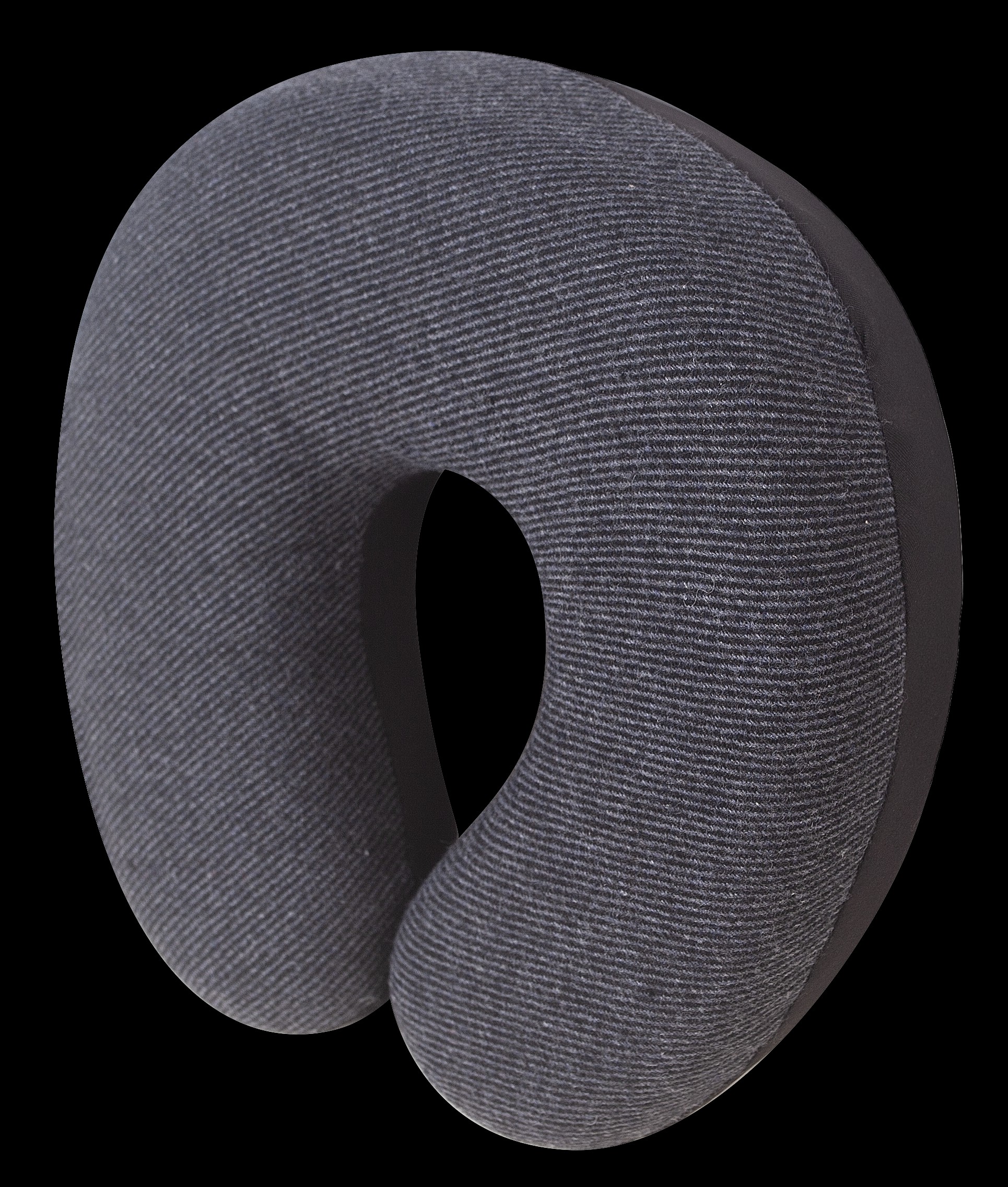
Travel Pillows
Source premium Travel Pillows from vetted suppliers and manufacturers across Asia. Designed for importers, distributors, and brands seeking reliable OEM and private-label production, our network delivers consistent quality at scale. Secure competitive wholesale pricing on bulk orders with full supply chain support.
Sourcing travel pillows at volume requires balancing ergonomic design, material performance, and strict unit economics. The core challenge lies in the core material—usually polyurethane memory foam—where density and rebound rates dictate both comfort and cost. A fractionally cheaper foam formulation can lead to pillows that fail to recover from compression packaging, resulting in high return rates and damaged brand reputation.
For bulk buyers, navigating supplier capabilities means understanding the difference between off-the-shelf cut foam and custom injection-molded cores, as well as verifying chemical compliance for international markets.
Core Material Specifications: Specifying Memory Foam
When sourcing memory foam travel pillows, "memory foam" is not a sufficient specification. Factories evaluate your technical competence based on how you define the foam's physical properties.
Density (measured in kg/m³ or D) directly correlates to material cost. Suppliers offering unusually low prices are often quoting 30D foam, which lacks support and degrades rapidly. Rebound time must also be specified; foam that rebounds in under 2 seconds behaves like standard sponge, while foam taking over 8 seconds feels rigid in cooler environments.
Need help verifying factory foam specifications and quality standards? Let our sourcing engineers handle the technical vetting.
Talk to our teamManufacturing Processes: Molding vs. Cutting
The manufacturing method of the foam core dictates the pillow's longevity, shape complexity, and initial tooling costs.
| Process | Shape Complexity | Durability | Tooling Cost |
|---|---|---|---|
| Injection Molded | High (allows ergonomic contours) | Excellent (forms a protective outer skin) | High (requires custom aluminum molds) |
| Cut Foam | Low (basic U-shapes) | Moderate (exposed open cells tear easily) | Zero (cut from standard foam blocks) |
For brands developing proprietary ergonomic shapes, injection molding is mandatory. However, this requires upfront investment in CNC-machined aluminum molds. If you are leveraging a factory's existing molds (white-labeling), ensure you verify the mold's age, as degraded molds produce pillows with uneven surfaces and flash (excess material at the seams).
Quality Control and Compliance Standards
Travel pillows are classified as home textiles and must pass stringent regulatory checks depending on your target market. Relying on a supplier's outdated certificates is a common procurement error. Implementing rigorous quality control protocols before shipment is essential.
Critical QC & Compliance Checks
- Flammability Testing: Verification against TB117-2013 (US) or BS5852 (UK).
- Chemical Compliance: REACH (EU) or Prop 65 (US) testing for VOCs, phthalates, and heavy metals.
- Compression Recovery: Testing pillows after 72 hours of vacuum sealing to ensure 100% shape recovery.
- Zipper Durability: Cycle testing concealed zippers (YKK or SBS equivalent) to prevent snagging on the foam core.
Factories often outsource the dyeing of cover fabrics (spandex, velour, or cooling fabrics). Colorfastness to rubbing and perspiration must be tested, as these products are in direct contact with skin during extended travel. If you require independent verification, integrating professional compliance testing into your sourcing workflow mitigates regulatory risk.
Buying Mechanics: MOQs, Lead Times, and Pricing
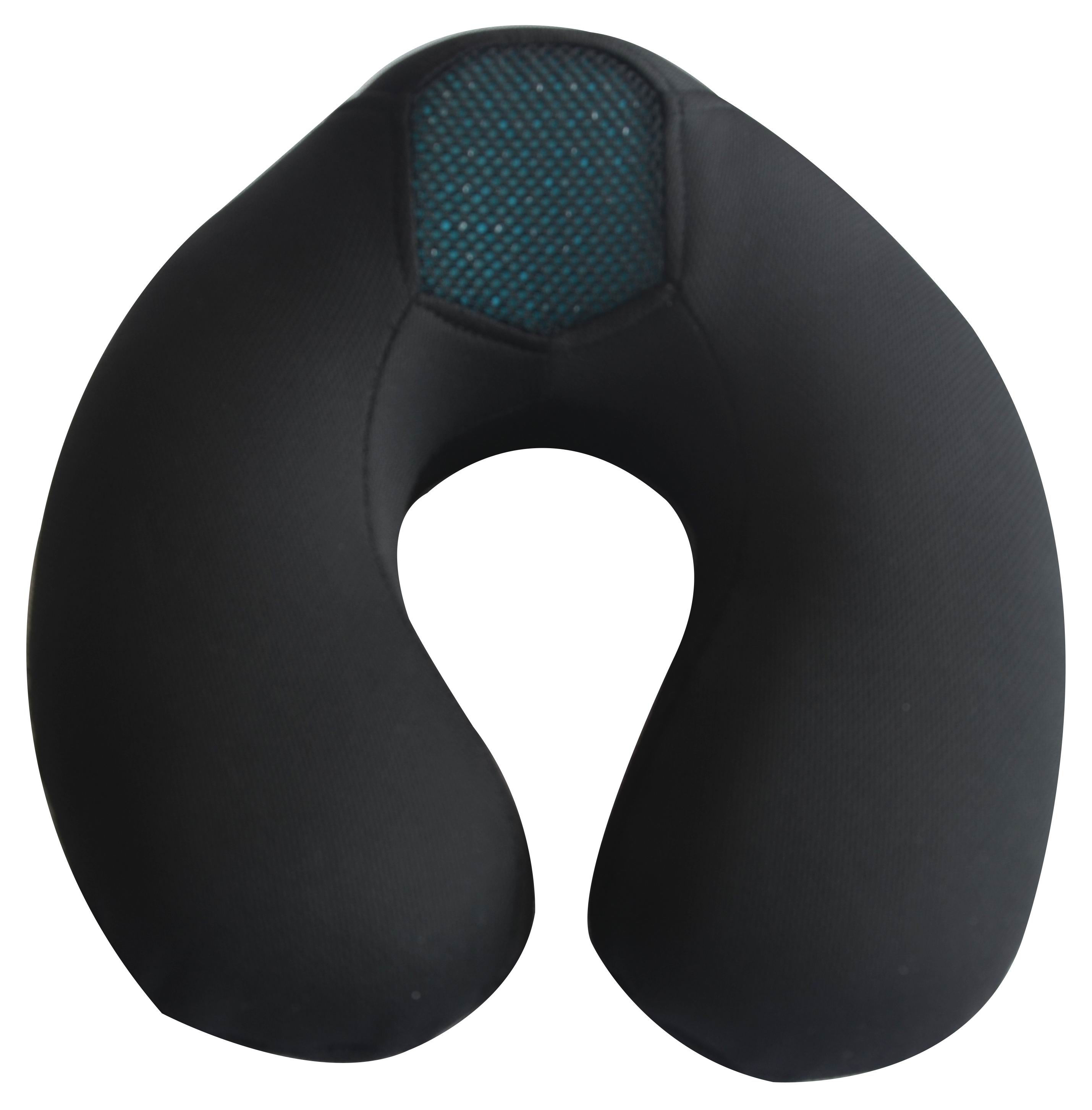
Unit costs are primarily driven by foam density, cover fabric complexity (e.g., adding cooling gel pads or magnetic therapy fabrics), and packaging requirements. Vacuum-rolling pillows reduces freight volume by up to 60%, but requires higher-density foam to survive the compression.
- Minimum Order Quantities (MOQs): Standard off-the-shelf designs typically require MOQs of 500 to 1,000 pieces per color. For custom shapes requiring new molds, expect MOQs of 2,000 to 3,000 pieces to justify the production run.
- Lead Times: A standard production run takes 25 to 35 days. If you are developing a custom product, add 15 to 20 days for mold creation and prototype sampling.
- Tooling Costs: Custom aluminum molds for injection-molded foam generally cost between $500 and $1,200 per size/shape, depending on complexity.
Ready to scale your private-label travel accessories? Speak with our experts about optimizing your unit costs and supply chain.
Get a free consultationIf you are developing a completely new design, utilizing specialized OEM/ODM services ensures your intellectual property is protected while navigating the prototyping and tooling phases efficiently.
Successfully sourcing travel pillows requires looking past surface aesthetics to control the chemical formulation and molding processes happening on the factory floor. By strictly defining foam density, enforcing curing times, and testing compression recovery, you protect your margins and deliver a superior product. If managing these technical details and factory communications is draining your resources, engaging a professional sourcing partner can streamline your procurement and safeguard your quality.
Get Sourcing Help for Travel Pillows
Tell us your requirements and our experts will connect you with verified manufacturers.