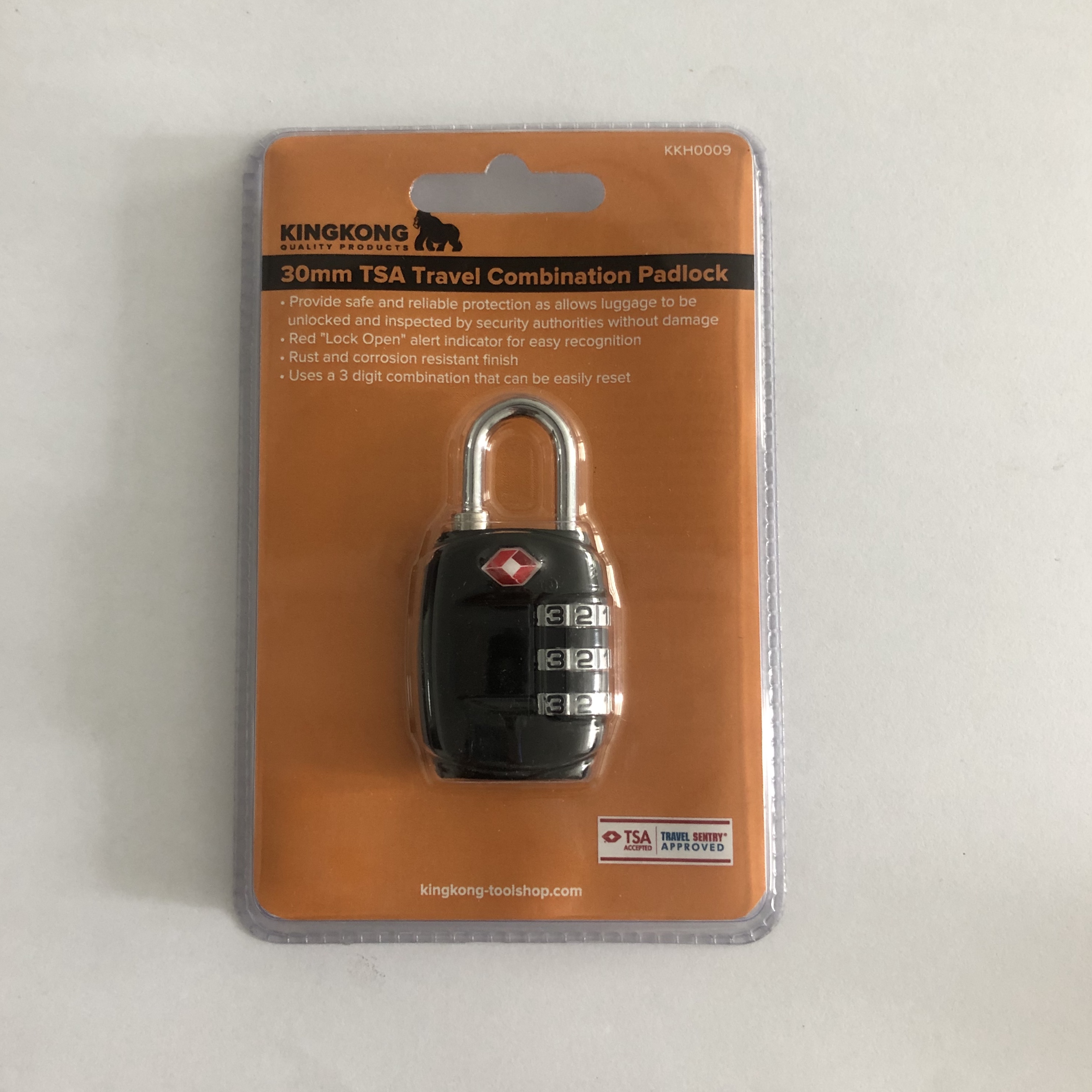
Travel Locks
Source reliable Travel Locks from vetted suppliers and manufacturers across Asia. Designed for importers, wholesalers, distributors, and security brands seeking bulk procurement or custom OEM production. Secure competitive pricing, rigorous quality control, and compliant designs for international markets.
Sourcing travel locks in volume requires balancing mechanical reliability with strict regulatory compliance, specifically regarding aviation security standards like Travel Sentry (TSA). For high-volume buyers, the challenge lies in identifying manufacturers capable of maintaining tight die-casting tolerances and consistent cylinder assembly, ensuring dials do not jam and master keys function flawlessly across thousands of units.
Core Specifications and Materials
The durability and perceived value of a travel lock depend heavily on the raw materials and the precision of the internal mechanism. Most standard production relies on zinc alloy for the lock body due to its excellent die-casting properties, but the specific grade and internal components dictate the lock's failure rate.
- Body Housing: Zinc Alloy No. 3 is the industry standard for cost-effective, durable die-casting. Premium models often upgrade to Zinc Alloy No. 5 or solid brass for superior tensile strength and corrosion resistance.
- Shackles: Standard locks use untreated steel, but high-end variants require hardened steel (to resist cutting) or braided steel cables coated in PVC or TPU (for flexibility with varying zipper types).
- Internal Mechanisms: The dial mechanism relies on precisely stamped brass or stainless steel springs. Poorly tempered springs lead to "mushy" dials or accidental combination resets during transit.
| Component | Standard Market | Premium / Brand Grade |
|---|---|---|
| Body Material | Zinc Alloy No. 3 | Zinc Alloy No. 5 or Solid Brass |
| Shackle | Untreated Carbon Steel | Hardened Steel or PVC-Coated Cable |
| Mechanism | 3-Dial / Standard Springs | 4-Dial / High-Tension Stainless Springs |
| Finish | Basic Spray Paint | Electroplating or Powder Coating |
Struggling with high defect rates on your current lock imports? Let us connect you with vetted manufacturers holding verified quality certifications.
Talk to our teamManufacturing Tolerances and Quality Control
Travel locks are high-precision items shrunk into a small footprint. Quality is won or lost in the die-casting and assembly phases. Flash (excess metal from the casting process) that is not properly tumbled or polished away can interfere with dial rotation. Furthermore, the cylinder pins must align perfectly with master keys (e.g., TSA002, TSA007) used by global customs agencies.
Implementing robust Quality Control & Inspection directly at the factory is non-negotiable. If a lock fails to open for a customs agent, it gets cut off, leading to direct consumer complaints and brand damage.
Critical Factory-Level QC Checks for Travel Locks
- Cycle Testing: Dials must withstand a minimum of 5,000 rotation cycles without jamming or spring failure.
- Salt Spray Testing: 48-hour to 72-hour exposure to ensure electroplating or powder coating resists corrosion.
- Master Key Verification: Batch testing cylinders against official Travel Sentry master key profiles.
- Drop Testing: 1-meter drops onto concrete to verify the zinc alloy housing does not crack and the shackle remains engaged.
Customization and OEM Production
For brands looking to differentiate, custom molds and private labeling are standard requests. Developing a unique lock shape or integrating specialized indicators (like a pop-up alert showing the lock was opened by security) requires working with factories experienced in OEM/ODM Services. When developing a new mold, expect tooling costs to range from a few hundred to a few thousand dollars, depending on the complexity of the die-cast and the internal cam structure.
Pricing, MOQs, and Lead Times
Travel lock pricing is heavily influenced by zinc commodity prices, the complexity of the mechanism (cable vs. rigid shackle, 3-dial vs. 4-dial), and licensing fees. Factories producing TSA-approved locks must pay royalties to Travel Sentry, which is factored into your per-unit cost.
Need to negotiate better terms or consolidate your supply chain? We help buyers secure favorable MOQs and pricing directly from the source.
Get a free consultationFrequently Asked Questions
Sourcing reliable travel locks means looking past the surface finish and verifying the mechanical integrity and compliance standing of the manufacturer. Conducting thorough Factory Audits ensures your supplier has the precision tooling and assembly standards required to produce locks that protect your customers' belongings—and your brand's reputation.
Get Sourcing Help for Travel Locks
Tell us your requirements and our experts will connect you with verified manufacturers.