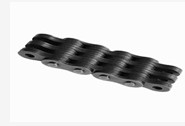
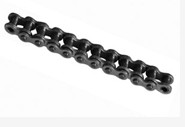
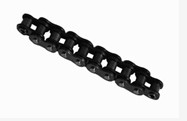
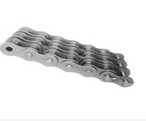
Transmission Chains
Source industrial-grade transmission chains from vetted manufacturers and wholesale suppliers across Asia. Designed for importers, distributors, and OEMs requiring reliable bulk supply, our global network delivers precision-engineered power transmission components with full quality assurance.
Sourcing transmission chains at scale requires balancing tensile strength, fatigue resistance, and strict dimensional accuracy. The primary procurement challenge isn't finding a supplier; it's identifying a factory with the metallurgical expertise and precise heat-treatment controls necessary to prevent premature chain elongation under heavy industrial loads.
Key Specifications and Manufacturing Control Points
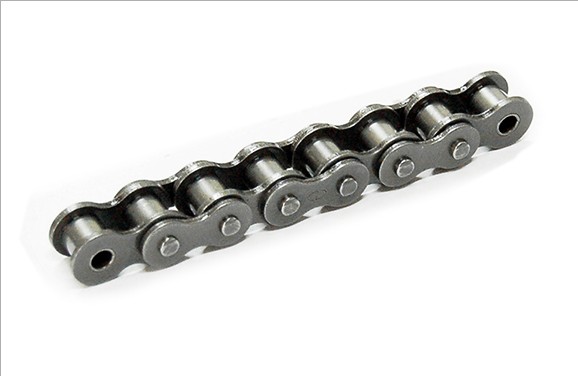
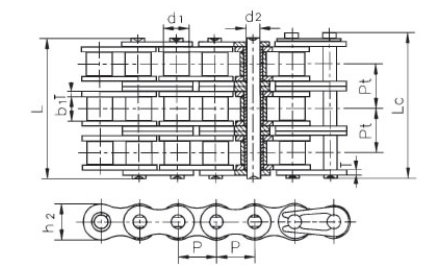
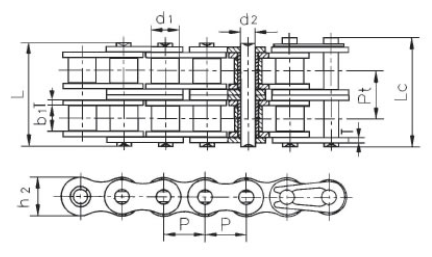
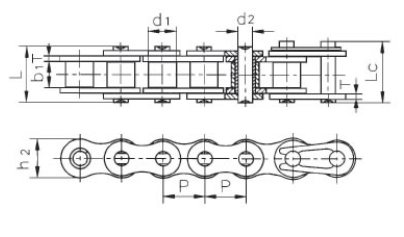
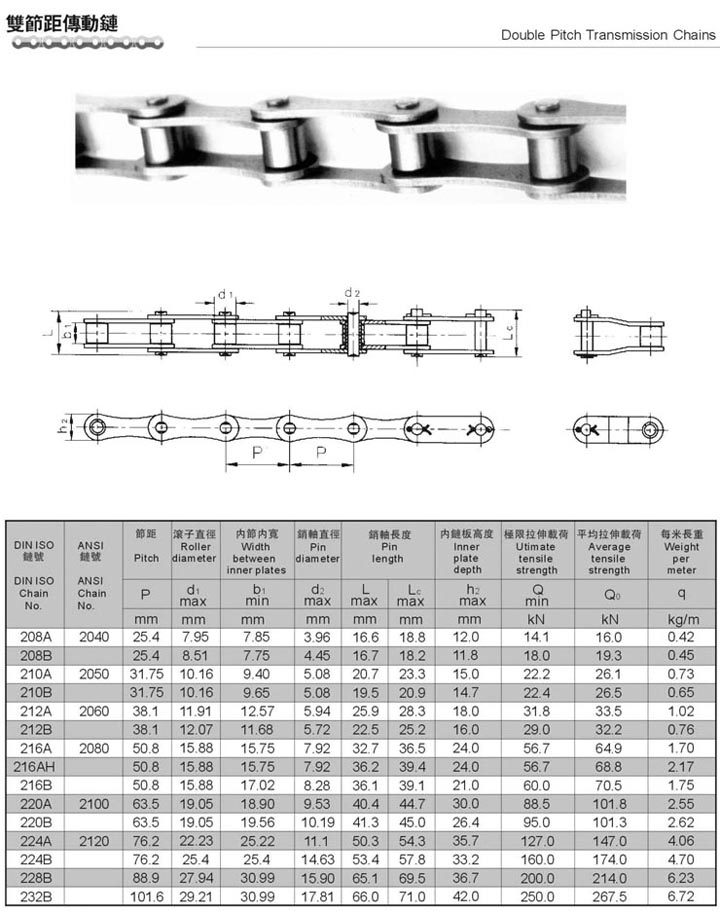
When evaluating transmission chain manufacturers, the difference between a reliable industrial component and one that fails under shock loads comes down to raw material selection and processing. You must specify exact requirements for pitch, roller diameter, width between inner plates, and minimum tensile strength.
The critical failure point for most poorly manufactured chains is inadequate heat treatment. Pins and bushes require precise carburizing or carbonitriding to achieve a hard, wear-resistant case while maintaining a tough, ductile core. If the case depth is too shallow, the chain wears quickly; if it is too deep, the components become brittle and snap under shock loads. Verifying a supplier's in-house heat treatment capabilities and metallurgical lab equipment is essential. For high-volume or critical applications, conducting rigorous factory audits prior to placing an order ensures the facility actually possesses the continuous mesh-belt furnaces and testing equipment they claim.
| Component | Standard Material | Premium/Heavy-Duty Material |
|---|---|---|
| Plates | 45Mn / 40Mn | Medium carbon alloy steel (shot peened) |
| Pins | 30CrMnTi | High-grade alloy steel (carburized) |
| Rollers | 10# / 20# steel | Seamless alloy steel (extruded) |
Need help verifying the metallurgical capabilities of a potential chain supplier? We can handle the technical vetting.
Talk to our teamQuality Assurance and Testing Standards
A standard transmission chain must comply with international standards such as ISO 606, ASME B29.1M (ANSI), or DIN 8187/8188. However, compliance on paper does not guarantee consistency across a bulk order.
A reliable manufacturer will integrate several critical testing phases into their production line:
Raw Material Verification
Spectrometric analysis of incoming steel coils to ensure correct carbon and alloy content before stamping begins.
Hardness and Metallographic Testing
Batch testing of pins, bushes, and rollers to verify core and surface hardness (usually Rockwell C scale) and case depth.
Pre-loading (Pre-stretching)
Applying a dynamic load (typically 30 to 50 percent of the minimum breaking load) to the assembled chain to seat the components and eliminate initial elongation.
Tensile Strength Testing
Destructive testing of sample lengths to confirm the ultimate breaking strength exceeds the specified standard.
Implementing strict quality control protocols, including pre-shipment inspections that verify these exact testing logs and pull physical samples, is the only way to safeguard your supply chain against batch inconsistencies.
Purchasing Mechanics: MOQs, Lead Times, and Pricing
Transmission chain pricing is heavily tied to global steel indices. When negotiating long-term contracts, index-linked pricing models can protect both you and the factory from raw material volatility.
MOQs are typically calculated by total length (meters or feet) rather than piece count, though boxed 10-foot lengths are common for wholesale distribution. Customizations, such as specific anti-corrosion platings (nickel, zinc, or Dacromet) or specialized attachments, will significantly increase both the MOQ and the lead time. Managing these variables across multiple SKUs requires tight supply chain management to prevent stockouts of fast-moving sizes.
Looking to negotiate better pricing or consolidate your transmission chain procurement? Let's discuss your sourcing strategy.
Get a free consultationFrequently Asked Questions
Securing a reliable supply of transmission chains means looking past the unit price and scrutinizing the factory's raw material sourcing and heat treatment consistency. By partnering with manufacturers who prioritize rigorous testing and metallurgical control, you protect your brand's reputation and your customers' machinery.
Get Sourcing Help for Transmission Chains
Tell us your requirements and our experts will connect you with verified manufacturers.