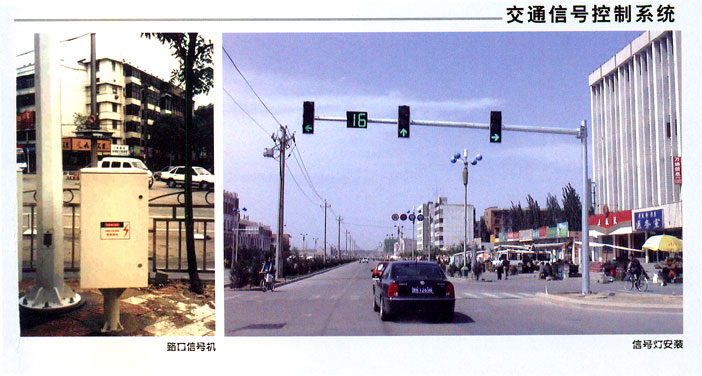
Traffic Lights
Source commercial-grade traffic lights from vetted manufacturers and suppliers. Designed for importers, wholesalers, distributors, and brands seeking OEM production, our network delivers reliable, compliant roadway safety signals in bulk.
Sourcing traffic signals requires more than just specifying a lens diameter and a voltage. For roadway safety infrastructure, a single component failure can cause severe liabilities. Securing commercial-grade traffic lights means navigating regional compliance frameworks, verifying thermal management in the LED arrays, and ensuring the manufacturer's waterproofing processes can withstand years of extreme weather exposure.
Core Technical Specifications to Define
When negotiating with traffic light manufacturers, vague specifications lead to inconsistent batches. You must define the exact technical parameters to ensure the product meets your regional roadway standards.
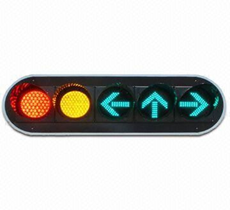
- Lens Diameter & Configuration: Standard sizes are 100mm, 200mm, 300mm, and 400mm. Specify whether you need full-ball, arrow, pedestrian, or countdown timer configurations.
- LED Chipset & Luminous Intensity: Specify the exact LED brand (e.g., Epistar, Osram, Cree) to guarantee consistent wavelength and degradation rates. Luminous intensity must meet local standards (often over 400 cd for red/green in 300mm units).
- Wavelength: Red should typically fall between 620-630 nm, Yellow between 590-595 nm, and Green between 500-510 nm.
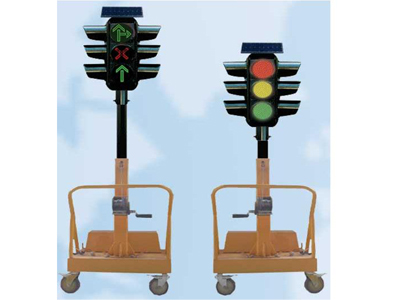
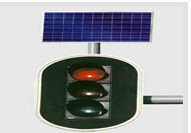
- Operating Voltage: Specify AC 85-265V for standard grid applications, or DC 12V/24V for solar-powered systems. Ensure the driver includes over-voltage and surge protection.
| Housing Material | Polycarbonate (PC) | Die-cast Aluminum |
|---|---|---|
| Durability | High impact resistance, UV stabilized | Maximum durability, superior vandalism resistance |
| Thermal Management | Adequate for standard climates | Excellent heat dissipation for extreme environments |
| Weight & Installation | Lightweight, easier to mount | Heavy, requires robust mounting hardware |
| Cost | More economical | Premium price point |
Manufacturing and Quality Control Checkpoints
The difference between a reliable traffic signal and a fast-failing liability is usually found in the factory's assembly and testing procedures. Many suppliers assemble units using outsourced components, making factory audits essential to verify their actual production capabilities and quality management systems.
Pay close attention to the potting and sealing process. The LED PCB must be conformal coated, and the housing must use high-quality silicone gaskets to achieve a genuine IP65 or IP66 rating. Water ingress is the leading cause of premature failure in roadway signals.
Need an expert on the ground to audit traffic light factories and verify their testing procedures?
Talk to our teamTo ensure long-term reliability, your quality control & inspection plan should mandate specific factory-level tests before shipment.
Critical Pre-Shipment Tests for Traffic Lights
- Continuous Burn-in Test: Minimum 48 to 72 hours at elevated temperatures to catch early LED or driver failures.
- Waterproof Testing: Submersion or high-pressure spray testing to verify IP65/IP66 enclosure integrity.
- Photometric Testing: Integrating sphere tests to confirm luminous intensity, wavelength, and beam angle.
- Vibration Testing: Simulating transit and high-wind pole mounting conditions to ensure internal connections remain secure.
- Dielectric Withstand Voltage Test: Ensuring electrical insulation and safety under high voltage spikes.
Compliance and Certification Requirements
Traffic lights are heavily regulated. A supplier claiming "CE compliance" is not enough for most municipal or state-level buyers. In Europe, signals must comply with the EN 12368 standard, which dictates strict parameters for visual performance, environmental resilience, and structural integrity. In North America, compliance with ITE (Institute of Transportation Engineers) specifications and the MUTCD is mandatory.
Always demand the actual test reports from recognized third-party laboratories, as fabricated certificates are common. If you are customizing a product or modifying the housing, you will likely need independent compliance & testing to certify the new design for your target market.
Pricing Drivers, MOQs, and Lead Times
Pricing in this category is heavily dependent on the quality of the internal components and the rigor of the testing process. Cheaper units almost always compromise on the LED driver, the thickness of the polycarbonate housing, or the quality of the UV inhibitors, leading to fading and brittle plastic within a year.
When sourcing in bulk, consolidating shipments from multiple roadway safety suppliers can optimize your freight costs. A structured approach to production scheduling and logistics ensures your infrastructure projects are not delayed by missing components.
Looking to streamline your supply chain and negotiate better terms with reliable traffic signal manufacturers?
Get a free consultationFrequently Asked Questions
Successfully importing traffic lights requires strict adherence to technical specifications and a zero-tolerance approach to quality control. By partnering with vetted manufacturers and implementing rigorous pre-shipment testing, you can secure reliable, compliant roadway infrastructure that performs flawlessly in the field.
Get Sourcing Help for Traffic Lights
Tell us your requirements and our experts will connect you with verified manufacturers.