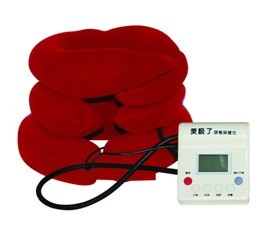
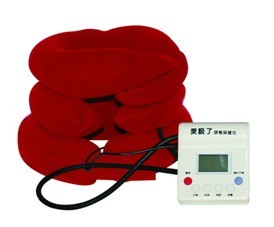
Traction & Correction Devices
Source high-quality traction and correction devices directly from vetted manufacturers. Designed for importers, medical distributors, wholesalers, and healthcare brands seeking reliable OEM and private-label production. Ensure strict quality control, regulatory compliance, and competitive pricing for your bulk orders.
Sourcing traction and correction devices at volume requires a careful balance of clinical efficacy, user safety, and unit economics. Whether you are importing pneumatic cervical collars, rigid lumbar stretchers, or textile-based posture correctors, the manufacturing landscape is highly fragmented. Success depends on partnering with factories that understand medical-grade material tolerances and maintain strict quality management systems, rather than general textile or plastic commodity producers.
Critical Material and Mechanical Specifications
The primary failure points in traction devices stem from improper material selection. When specifying your product requirements to a manufacturer, you must dictate the exact grades of plastics, fabrics, and pneumatics used.
For rigid devices (like lumbar stretchers or over-door traction frames), load-bearing capacity is paramount. Specify virgin ABS (Acrylonitrile Butadiene Styrene) or reinforced composites rather than recycled PP (Polypropylene), which becomes brittle over time and can snap under patient weight.
For inflatable devices (like pneumatic neck traction collars), the air bladder material dictates both the lifespan and the safety of the unit.
| Material | Durability & Lifespan | Biocompatibility | Cost Impact |
|---|---|---|---|
| TPU (Thermoplastic Polyurethane) | Excellent resistance to flex fatigue and air leaks | High (often passes ISO 10993 skin irritation tests) | Premium (+20-30% unit cost) |
| Medical-Grade PVC | Moderate; prone to hardening over time | Acceptable, but requires phthalate-free specification | Standard |
| Standard Commercial PVC | Poor; high risk of seam splitting under pressure | High risk of skin irritation and chemical off-gassing | Low (Avoid for medical use) |
Manufacturing Vulnerabilities and Quality Control
Quality is won or lost on the factory floor, specifically during the assembly and joining processes. For pneumatic devices, high-frequency (RF) welding is used to seal the air chambers. Inconsistent welding temperatures or times result in micro-leaks that only appear after the device has been inflated for several hours.
For textile-based posture correctors, the weak links are the stitching density (which should be a minimum of 10-12 stitches per inch) and the cycle life of the hook-and-loop fasteners. Standard commercial velcro degrades after a few hundred uses, whereas medical-grade fasteners are rated for over 5,000 cycles.
Implementing robust Quality Control & Inspection protocols is non-negotiable.
Pre-Shipment Inspection Checklist for Traction Devices
- Pressure Retention Test: Inflate to maximum rated pressure and hold for 24 hours to check for micro-leaks.
- Load Testing: Apply 1.5x the maximum rated user weight to rigid stretchers to test for deflection or micro-fractures.
- Fastener Cycle Test: Mechanically engage and disengage straps 100 times to verify grip retention.
- Valve Integrity: Submerge air valves in water while pressurized to check for faulty one-way seals.
- Biocompatibility Verification: Review raw material certificates for skin-contact textiles to ensure they are free of restricted dyes and heavy metals.
Need help verifying factory capabilities and securing consistent quality? We audit suppliers and manage on-site inspections for medical device importers.
Talk to our teamRegulatory Compliance and Certification
Traction and correction devices are generally classified as Class I medical devices, meaning they are subject to specific regulatory frameworks depending on your target market. Relying on a supplier's generic "CE" or "FDA" badge on their Alibaba profile is a major risk; these certificates are frequently outdated, falsified, or apply to a different product entirely.
You must ensure the factory holds a valid ISO 13485 certification for medical device quality management. Furthermore, the specific product must comply with the EU MDR (Medical Device Regulation) for Europe or be properly registered under FDA Title 21 CFR for the United States. Navigating Compliance & Testing requirements early in the sourcing process prevents costly customs seizures and liability issues.
Customization and OEM/ODM Production
Most volume buyers opt for OEM/ODM Services to differentiate their products in a crowded market.
Private Labeling vs. Custom Tooling (OEM)
Advantages
- Private Labeling: Faster time to market (30-45 days).
- Private Labeling: Lower initial investment (no mold fees).
- Custom Tooling: Total control over ergonomics and proprietary features.
- Custom Tooling: Higher barrier to entry for competitors.
Disadvantages
- Private Labeling: High risk of identical competitor products.
- Private Labeling: Limited to factory's existing structural designs.
- Custom Tooling: High upfront costs for steel or aluminum injection molds.
- Custom Tooling: Longer lead times (60-90 days for mold creation and sampling).
Typical Pricing, MOQs, and Lead Times
Minimum Order Quantities (MOQs) and pricing are heavily influenced by the level of customization. Off-the-shelf white-label products have lower barriers, while custom-molded devices require significant commitment.
Note: Unit costs fluctuate based on raw material indexes (especially petroleum-based plastics and TPU) and order volume.
Looking to optimize your unit costs and lower minimum order quantities? Our sourcing experts negotiate directly with tier-one medical device manufacturers.
Get a free consultationFrequently Asked Questions
Finding a manufacturer capable of producing safe, compliant, and durable traction devices requires looking beyond trading companies and marketing material. Conducting thorough Factory Audits before placing a deposit is the most effective way to verify a supplier's true production capabilities, quality control infrastructure, and regulatory standing.
Get Sourcing Help for Traction & Correction Devices
Tell us your requirements and our experts will connect you with verified manufacturers.