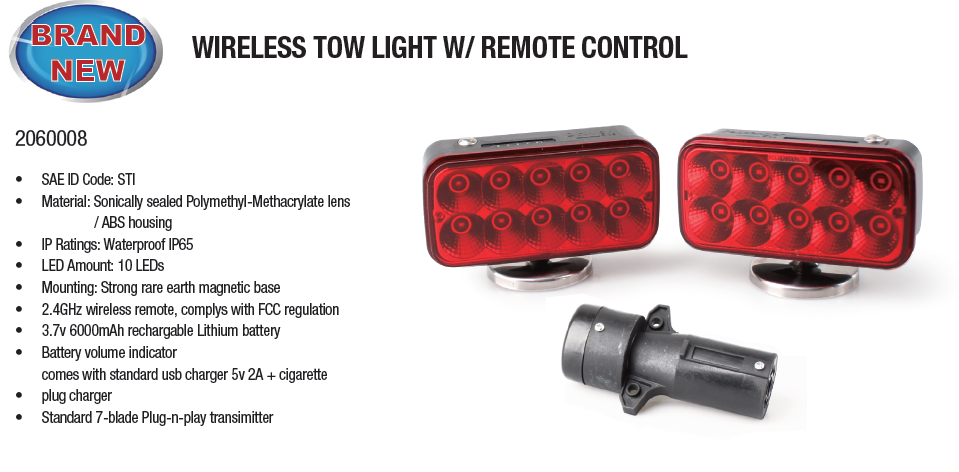
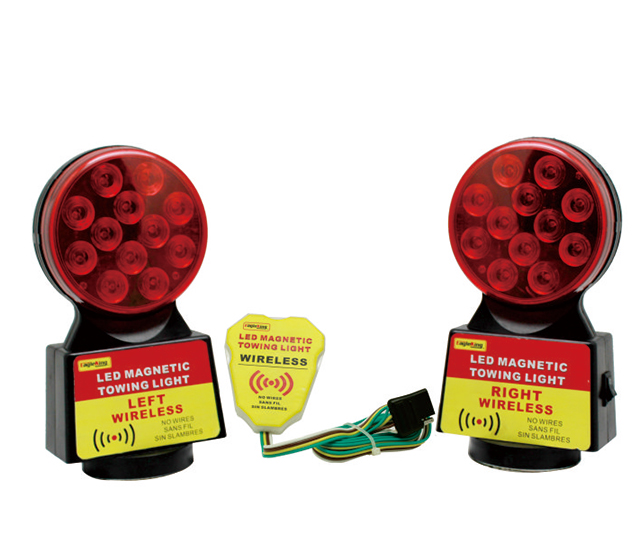
Towing Equipment
Source commercial-grade Towing Equipment from vetted suppliers and manufacturers across Asia. Designed for automotive parts importers, wholesale distributors, and aftermarket brands seeking reliable OEM and private-label production. Secure competitive bulk pricing on heavy-duty hitches, recovery gear, and load-tested towing accessories.
Sourcing towing equipment is fundamentally an exercise in risk management. A failed weld on a receiver hitch or a sheared pin under load is not just a standard product defect—it is a catastrophic liability. To build a reliable supply chain for hitches, ball mounts, recovery straps, and winches, buyers must look beyond the supplier's stated load capacities and audit their metallurgical consistency, welding automation, and internal testing protocols.
Critical Specifications and Material Selection
The foundation of reliable towing equipment lies in raw material selection. Chinese manufacturers typically offer various grades of steel and synthetic fibers, and specifying the exact material is critical to meeting your target Gross Trailer Weight (GTW) and Working Load Limit (WLL).
| Component Type | Standard Material | Premium / Heavy-Duty Alternative |
|---|---|---|
| Hitches & Receivers | Q235 Mild Steel | Q345 High-Strength Low-Alloy Steel |
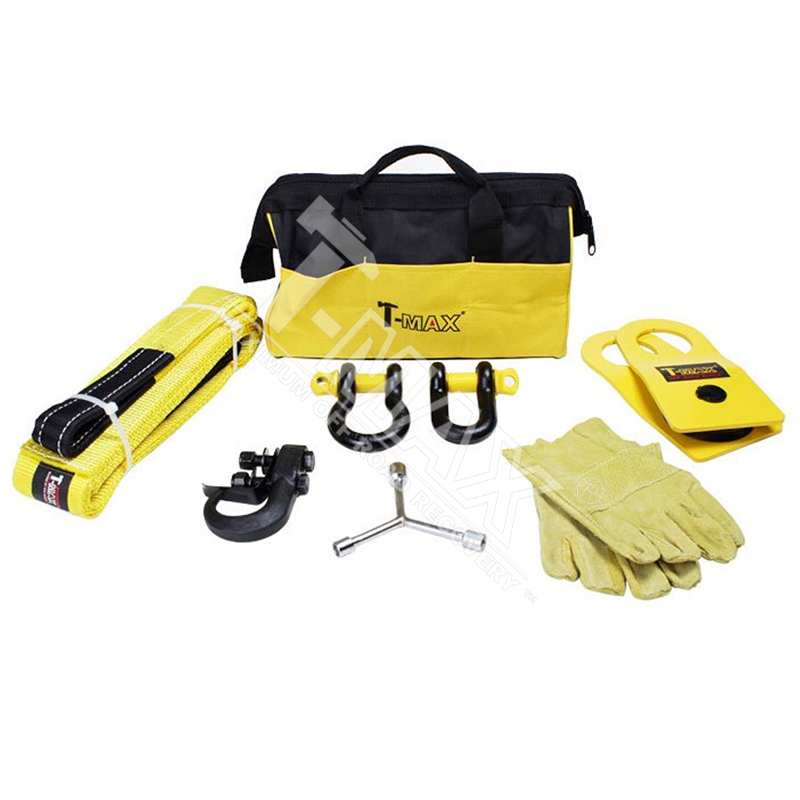
| Tow Balls & D-Rings | Hot-Forged 45# Carbon Steel | 40Cr Alloy Steel (Heat Treated) |
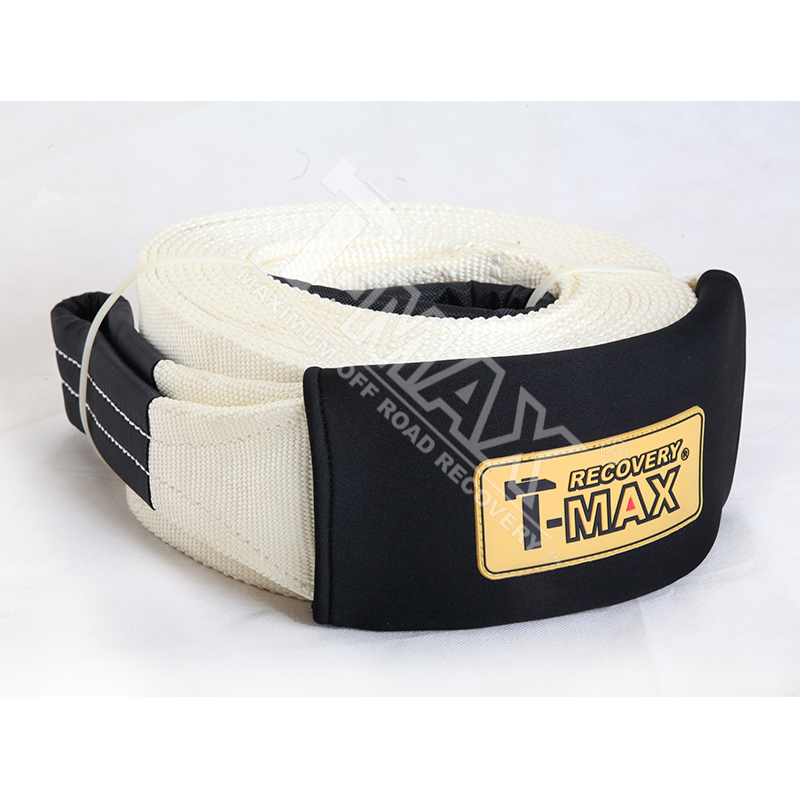
| Recovery Ropes | Nylon / Polyester | UHMWPE (Ultra-High Molecular Weight Polyethylene) |
| Winch Cables | Galvanized Aircraft Cable | Dyneema-equivalent Synthetic Fiber |
When negotiating with factories, ensure that material certificates (MTCs) are provided for every batch. Substituting Q345 steel with cheaper Q235 is a common cost-cutting measure that drastically reduces the fatigue life of Class III and Class IV hitches.
Manufacturing Processes and Quality Control
The physical integrity of metal towing components is determined on the factory floor during welding and surface treatment. Heavy-duty towing gear requires robotic welding to ensure consistent penetration and eliminate human error in the weld pool. If a factory relies entirely on manual welding for structural receiver tubes, their output will lack the consistency required for high-liability applications. This is where conducting thorough factory audits becomes essential before committing to a production run.
Corrosion resistance is another major failure point. Towing equipment is constantly exposed to road salt, moisture, and debris.
Surface Treatment & Finish Audit
- Verify pre-treatment processes (sandblasting or shot blasting) to ensure proper coating adhesion.
- Check for dual-coating systems: an e-coat (electrophoretic deposition) base followed by a powder coat top layer.
- Request salt spray testing reports (minimum 500 hours for standard gear, up to 1,000 hours for premium marine/winter applications).
- Inspect internal tubing surfaces for adequate rust-inhibitor application.
Need to verify a supplier's manufacturing capabilities? Our engineering team can audit factory floors and validate their welding and testing processes.
Discuss your sourcing requirementsIn-House Testing Capabilities
A competent towing equipment manufacturer must have robust in-house testing equipment. Relying solely on third-party labs for batch testing is too slow and expensive for continuous production. Look for factories equipped with tensile testing machines for breaking strength, cyclic fatigue testers, and salt spray cabinets. For the North American market, components must be tested to SAE J684 or V-5 standards. Utilizing independent compliance testing for your initial production runs ensures the factory's internal data matches real-world performance.
Sourcing Mechanics: MOQs, Lead Times, and Pricing
The towing equipment sector involves heavy raw materials and significant tooling for forged or cast parts. Consequently, MOQs and lead times are heavily influenced by whether you are buying off-the-shelf designs or developing custom tooling for new receiver profiles.
OEM and Private Labeling
Most buyers in this space opt for OEM/ODM services to brand standard factory designs or modify dimensions for specific vehicle platforms. Custom branding usually requires laser-cut logos on the side plates, custom stamped load ratings on the ball mounts, and branded retail packaging.
Tooling costs for custom hitches are relatively low compared to plastic injection molding, as they primarily involve welding jigs and stamping dies. However, custom drop-forged components (like specialized pintle hooks or heavy-duty D-rings) require expensive steel molds and higher volume commitments to amortize the cost.
Looking to streamline your supply chain? We manage supplier negotiations, production oversight, and freight consolidation for heavy automotive components.
Talk to our teamFrequently Asked Questions
Consistent quality in towing equipment requires relentless oversight. By specifying exact steel grades, demanding dual-layer surface treatments, and requiring strict structural testing protocols, buyers can mitigate the severe liability risks associated with this category. Partnering with experienced sourcing professionals ensures your specifications are actually implemented on the production line, protecting both your brand reputation and your end-users.
Get Sourcing Help for Towing Equipment
Tell us your requirements and our experts will connect you with verified manufacturers.