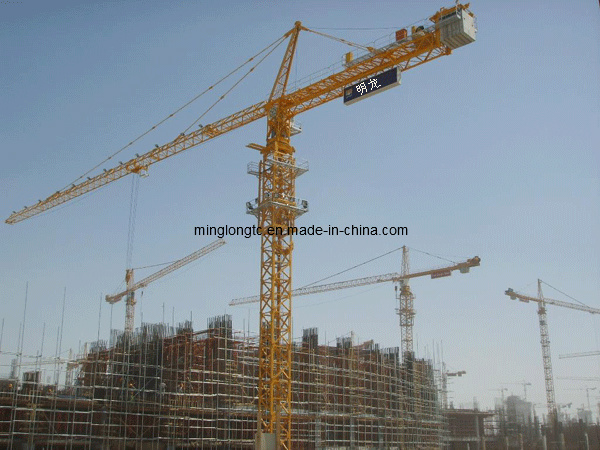
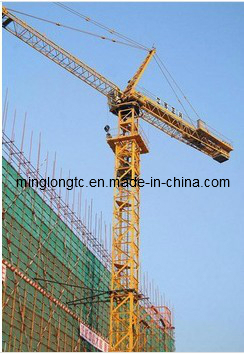
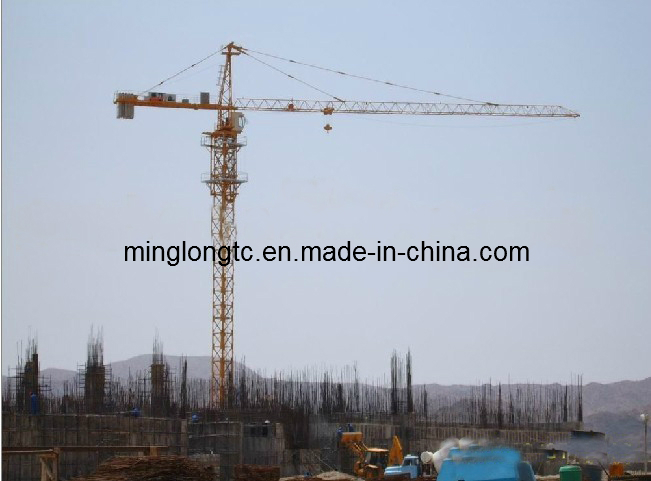
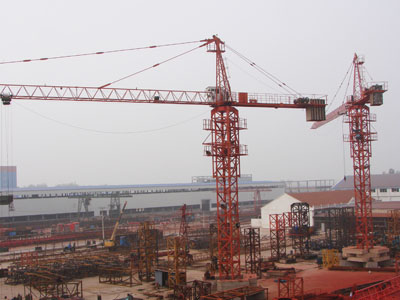
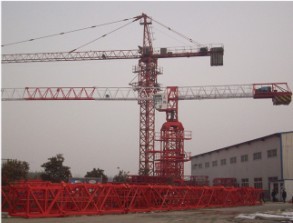
Tower Cranes
Source heavy-duty tower cranes from vetted manufacturers and suppliers. Designed for construction firms, heavy equipment distributors, and industrial importers, our network provides reliable, high-capacity lifting solutions, bulk pricing, and custom configurations for demanding infrastructure projects worldwide.
Sourcing tower cranes directly from overseas manufacturers offers significant capital expenditure savings, but it requires balancing aggressive procurement targets with uncompromising safety and structural reliability. The primary challenge isn't merely finding a factory capable of assembling steel; it is verifying their welding integrity, component sourcing, and structural engineering capabilities before a multi-million-dollar project relies on their equipment.
Critical Specifications for Bulk Procurement
When negotiating with manufacturers, vague specifications lead to substandard equipment. You must define the exact performance parameters to ensure the crane meets your project's operational demands and local regulatory standards.
Ensure your RFQ explicitly covers the following mechanical and structural requirements:
- Max Lifting Capacity & Tip Load: The absolute maximum tonnage at the inner radius, and the specific load capacity at the maximum jib length.
- Jib Length & Freestanding Height: Required working radius and the maximum height the crane can operate safely without wall tie-ins.
- Mast Section Compatibility: Specify if mast sections need to be interchangeable with existing fleet brands (e.g., Potain or Liebherr standard sizes).
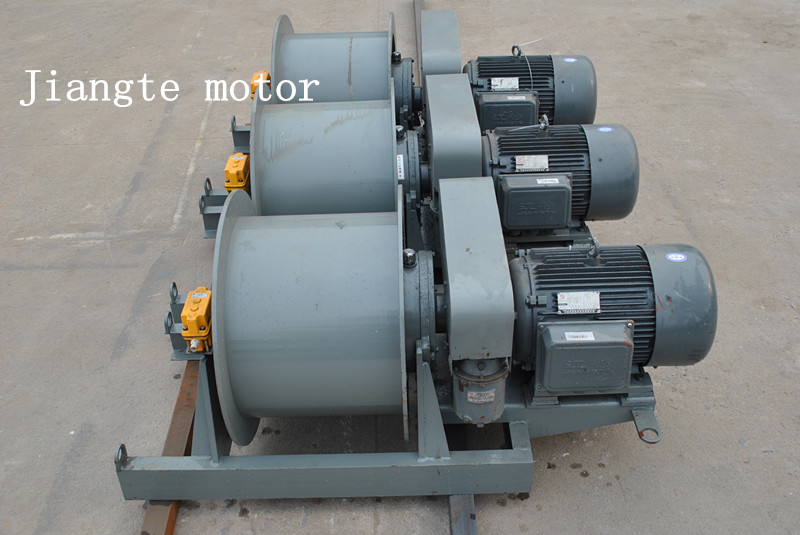
- Hoist and Slewing Mechanisms: Specify variable frequency drive (VFD) systems for smooth operation and reduced mechanical wear.
Need to verify a heavy machinery manufacturer's engineering capabilities? Let us handle the technical vetting.
Talk to our teamManufacturing Quality & Component Selection
The difference between a reliable tower crane and a liability is won or lost on the factory floor. High-quality manufacturers utilize robotic submerged arc welding to ensure deep penetration and consistent weld seams on critical structural components like the mast chords and jib pins.
Electrical reliability is another major failure point in lower-tier equipment. Always specify that the factory uses Tier-1 international electrical components (such as Schneider contactors or Yaskawa inverters). If a factory uses domestic equivalents without your approval, maintenance and part replacement in your local market will become a logistical nightmare.
Because structural failures carry catastrophic risks, relying solely on supplier-provided certificates is insufficient. Professional Factory Audits are mandatory to verify the factory's actual welding certifications, non-destructive testing (NDT) capabilities, and steel sourcing records. Furthermore, rigorous Quality Control & Inspection prior to container loading ensures that all mast sections, pins, and electrical cabinets meet your exact specifications.
Pre-Shipment Inspection Focus Areas
- Ultrasonic or X-ray testing reports for critical load-bearing welds
- Verification of steel mill certificates (Q345B/Q355B minimum)
- Functional testing of the load moment indicator (LMI) and limit switches
- Verification of electrical cabinet components against the agreed BOM
- Anti-corrosion treatment thickness (shot blasting and marine-grade epoxy paint)
Logistics, Shipping, and Lead Times
Transporting tower cranes is a complex logistical operation. A standard 8-ton or 10-ton tower crane typically requires three to five 40-foot High Cube (HC) or Open Top containers, depending on the jib length and number of mast sections.
Because ocean freight for oversized machinery can fluctuate wildly, coordinating the production schedule with vessel availability is critical. Manufacturers generally require 30 to 45 days to produce a standard unit, but custom mast configurations or specialized winterization packages can extend this to 60 days. Managing this process efficiently often requires dedicated Shipping & Freight coordination to consolidate containers, manage port handling for oversized loads, and navigate heavy machinery customs clearance.
Struggling with high freight costs for heavy machinery? We optimize loading plans and shipping routes.
Get a free consultationFrequently Asked Questions
Sourcing tower cranes requires technical precision and a deep understanding of heavy manufacturing processes. By enforcing strict material standards, demanding Tier-1 components, and independently verifying factory capabilities, you can secure world-class lifting equipment at highly competitive price points.
Get Sourcing Help for Tower Cranes
Tell us your requirements and our experts will connect you with verified manufacturers.