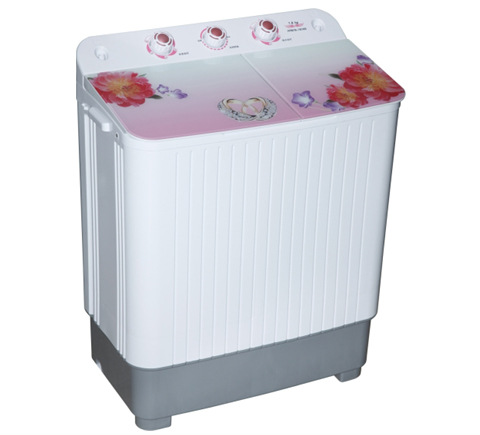
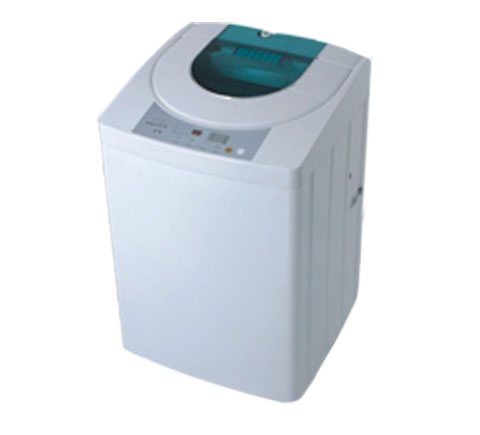
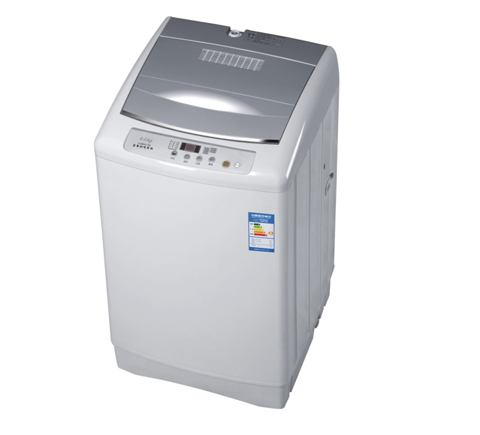
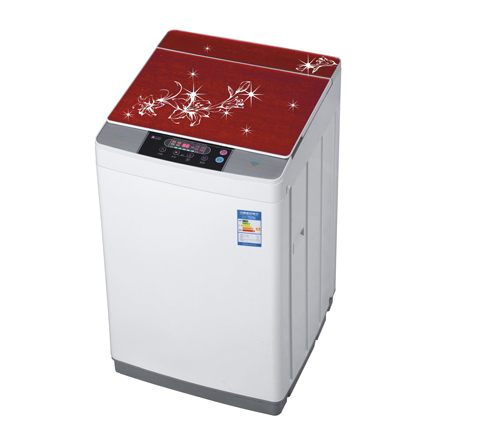
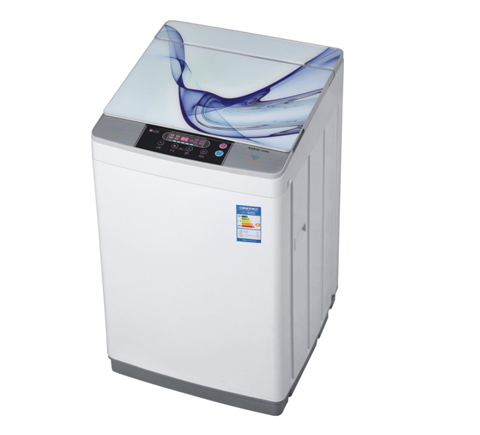
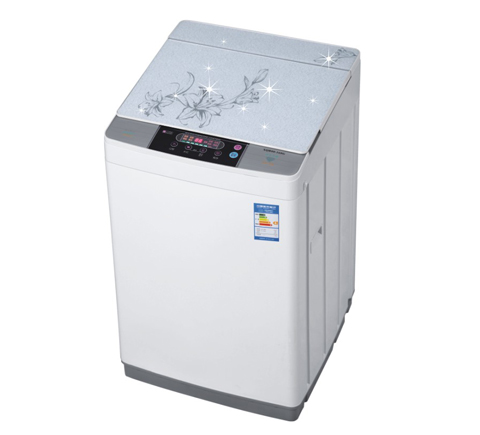
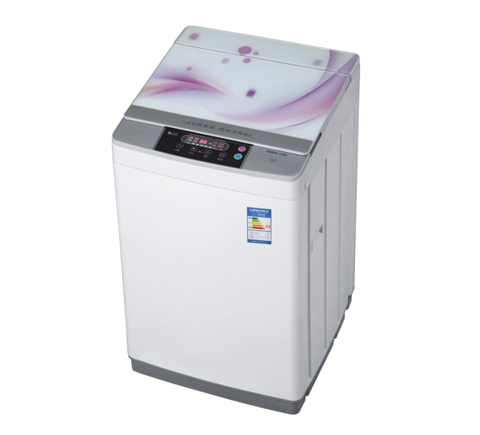
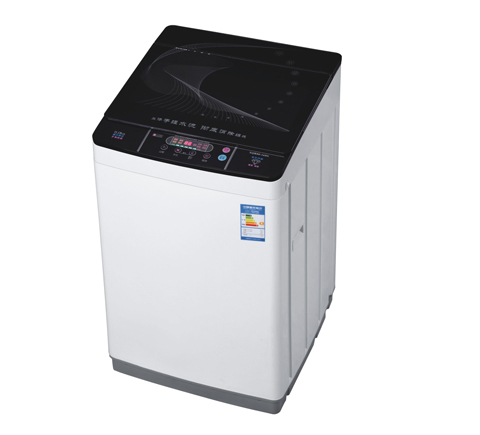
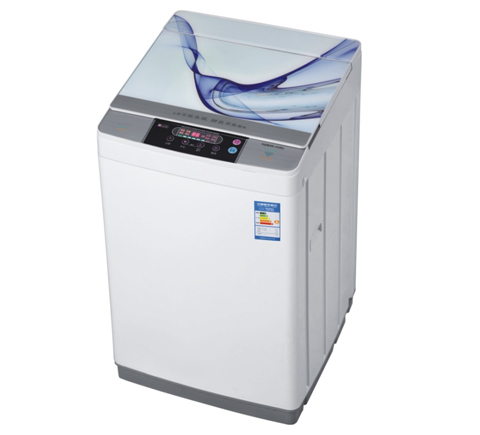
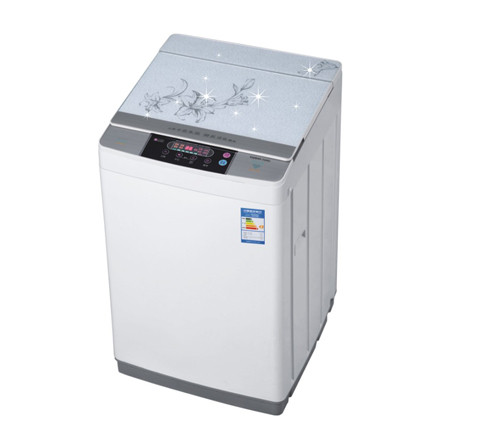
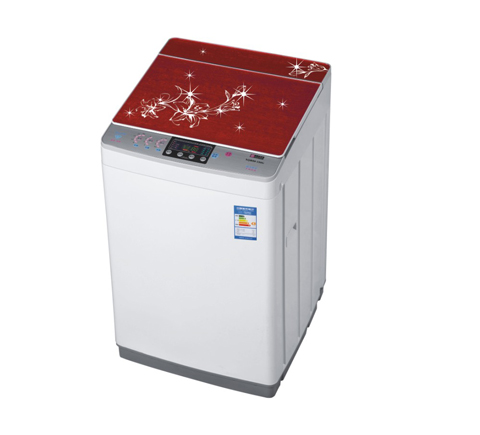
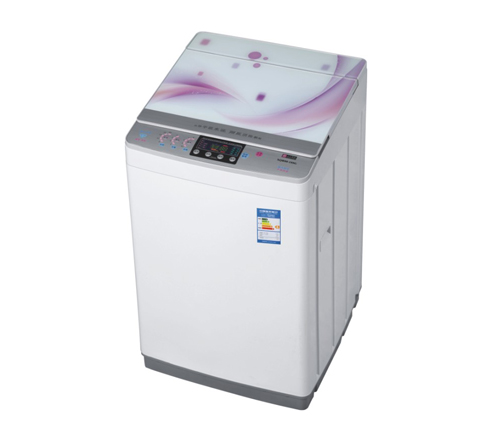
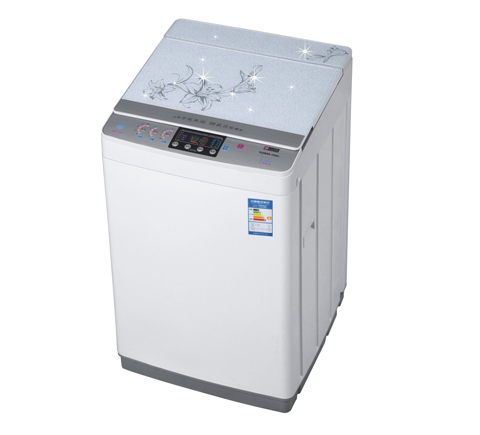
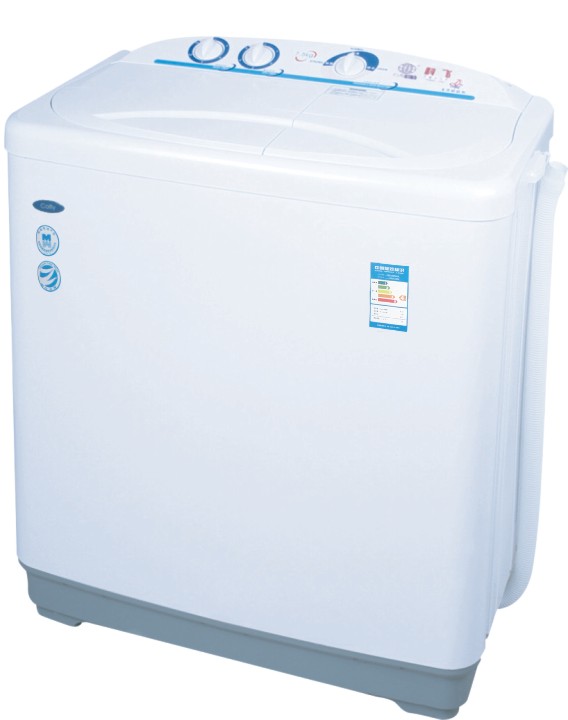
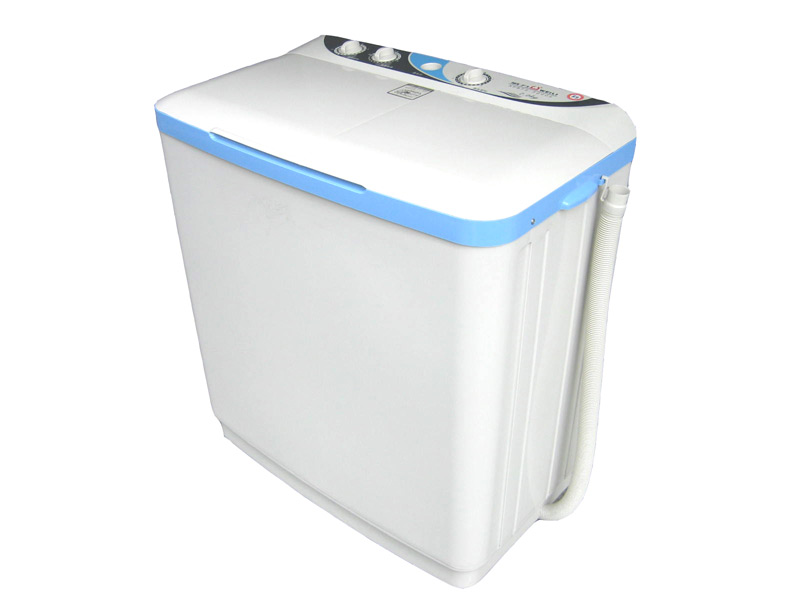
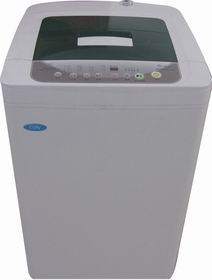
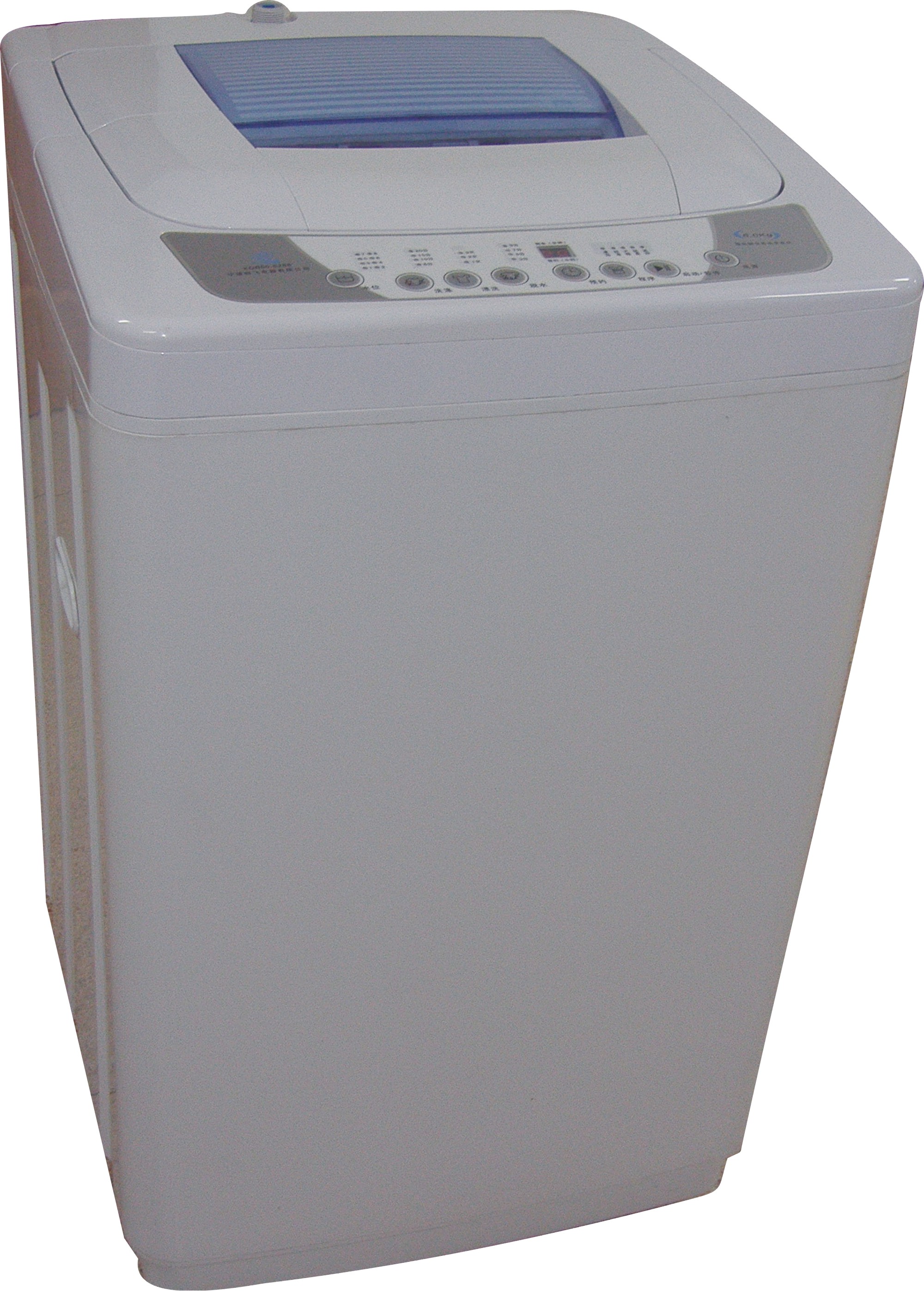
Top-Load Washers
Source bulk top-load washers from vetted manufacturers and suppliers equipped to handle high-volume production. Designed for appliance importers, distributors, and brands seeking reliable OEM and private-label manufacturing, our network delivers market-ready units tailored to your regional compliance standards.
Sourcing top-load washers in volume requires balancing motor durability, energy efficiency compliance, and unit cost. Whether you are importing completely built units (CBU) or exploring semi-knocked down (SKD) shipments to optimize freight and tariffs, success depends on aligning your technical specifications with a factory's core engineering capabilities.
Core Specifications and Component Selection
The reliability of a top-load washing machine hinges entirely on its drivetrain and control logic. When evaluating a supplier's base models for private label or custom modification, buyers must scrutinize the motor type and wash mechanics.
Motor Technology: PSC vs. BLDC
Entry-level and mid-tier models typically utilize Permanent Split Capacitor (PSC) motors with belt drives. While cost-effective, they consume more energy and generate higher vibration. Premium models are shifting rapidly toward Brushless DC (BLDC) motors or Direct Drive (DD) systems. Direct Drive eliminates the belt entirely, reducing mechanical failure points, lowering noise profiles, and significantly improving energy efficiency to meet strict regional standards.
| Wash Mechanism | Agitator Systems | Impeller (Pulsator) Systems |
|---|---|---|
| Wash Action | Mechanical friction against clothes | High-velocity water currents |
| Water Usage | High (tub must fill completely) | Low to Moderate |
| Fabric Wear | Higher wear on delicate fabrics | Gentler on garments |
| Market Preference | North and South America | Asia, Middle East, and Europe |
Need help matching component specifications to your target price point? Let us evaluate your requirements and identify the right manufacturing partners.
Talk to our teamManufacturing Quality and Vulnerability Points
Appliance manufacturing involves complex assembly lines where minor oversights lead to catastrophic field failure rates. A factory's internal quality management system dictates whether a batch will survive years of use in humid environments.
The Printed Circuit Board Assembly (PCBA) is particularly vulnerable. Because top-load washers operate in high-moisture areas, the PCBA must be thoroughly potted (encapsulated in resin) to prevent short circuits. Furthermore, the suspension rods that stabilize the outer tub must be precisely calibrated to the unit's capacity; weak suspension leads to excessive out-of-balance errors and premature chassis fatigue.
Implementing rigorous Quality Control & Inspection is non-negotiable. Relying solely on factory self-reporting often masks underlying assembly variations.
Critical Inspection Points for Top-Load Washers
- PCBA potting integrity and moisture-resistance verification
- Suspension rod tension testing under maximum unbalanced load
- Water inlet valve durability and pressure tolerance checks
- Drain pump acoustic testing for abnormal cavitation noise
- Lid hinge cycle testing (especially for soft-close glass lids)
Navigating Regulatory Compliance
Washing machines are heavily regulated for both electrical safety and resource efficiency. Failing to secure the correct certifications before production begins can result in shipments being seized at customs.
Suppliers must provide valid test reports for electrical safety (CE/CB Scheme for Europe/Global, UL/ETL for North America). More importantly, regional energy and water standards—such as MEPS (Minimum Energy Performance Standards) or WELS (Water Efficiency Labeling and Standards)—require specific testing methodologies. Ensure your partner understands these requirements, or utilize professional Compliance & Testing services to verify performance before mass production.
MOQs, Lead Times, and Production Realities
The physical size of top-load washers heavily influences supply chain logistics. Shipping air is expensive, making container utilization a primary cost driver.
Most B2B buyers leverage OEM/ODM Services by selecting an existing chassis and customizing the control panel fascia, lid design, and software wash cycles. Developing a completely custom tub or chassis requires significant upfront tooling investment and is generally reserved for brands moving tens of thousands of units annually.
Additionally, consider your import strategy. Many importers in regions with high tariffs on finished appliances opt for SKD (Semi-Knocked Down) or CKD (Completely Knocked Down) shipments, performing final assembly domestically to benefit from lower component tax rates.
Evaluating SKD assembly vs. CBU imports? We can help model your landed costs and source factories experienced in knocked-down appliance shipping.
Get a free consultationFrequently Asked Questions
Securing a reliable supply of top-load washers requires looking past the showroom models and digging into the supplier's component supply chain and assembly tolerances. Conducting thorough Factory Audits prior to placing an order is the most effective way to ensure your chosen manufacturer has the infrastructure to support your brand's quality standards long-term.
Get Sourcing Help for Top-Load Washers
Tell us your requirements and our experts will connect you with verified manufacturers.